GEOLOGY
MADE
CLEAR
Generic selectors
Exact matches only
Search in title
Search in content
Post Type Selectors

Rocks

Explore a list of beautiful rocks and minerals. More to be added soon ????

Glossary

Sort by

V

Vog 

Vog, short for volcanic smog, is a form of air pollution caused.. more

V

Volatile Content 

Volatile content refers to the amount of volatile compounds, such as water,.. more

V

Volcanic Arc

A volcanic arc is a chain of volcanoes formed above a subducting.. more

V

Volcanic Ash

Volcanic ash consists of fine particles of pulverized rock and glass created.. more

V

Volcanic Bomb

A volcanic bomb is a large fragment of molten rock ejected during.. more

V

Volcanic Chain

A volcanic chain is a linear arrangement of volcanoes, often formed along.. more

V

Volcanic Collapse

Volcanic collapse refers to the structural failure of a volcano's edifice, often.. more

V

Volcanic Crater

A volcanic crater is a bowl-shaped depression at the summit or on.. more

V

Volcanic Dome

A volcanic dome is a mound-shaped protrusion resulting from the slow extrusion.. more

V

Volcanic Gases 

Volcanic gases are the volatile components released from magma during an eruption,.. more

V

Volcanic Glass

Volcanic glass is a natural glass formed by the rapid cooling of.. more

V

Volcanic Pipe

A volcanic pipe is a vertical conduit through which magma travels from.. more

V

Volcanic Plateau

A volcanic plateau is a large, flat elevated area formed by extensive.. more

V

Volcanic Plume

A volcanic plume is a column of volcanic gases, ash, and aerosols.. more

V

Volcanic Rift 

A volcanic rift is a linear zone where the Earth's crust is.. more

V

Volcano 

A volcano is a geological feature formed by the eruption of magma.. more

W

Wadati-Benioff Zone

The Wadati-Benioff zone is a planar zone of seismicity corresponding to the.. more

W

Wadi

A wadi is a dry riverbed or valley in a desert region.. more

W

Wash Load

Wash load refers to the fine sediment particles, such as silt and.. more

W

Water Budget

A water budget is a balance sheet of water inflows, outflows, and.. more

W

Water Column

The water column is a conceptual column of water from the surface.. more

W

Water Gap

A water gap is a pass or gorge through which a river.. more

W

Wave Base

Wave-base is the depth in the ocean below which the effects of.. more
Load More
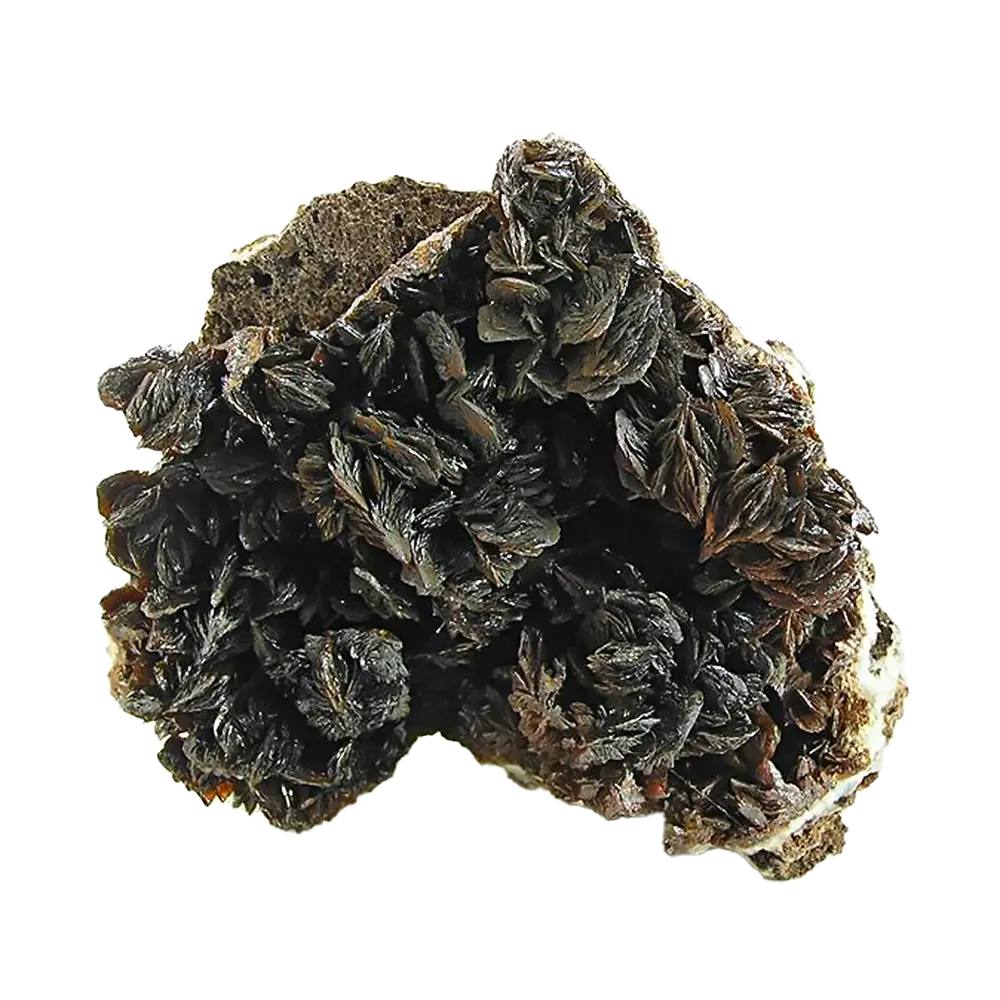
Brown crystals of feldspar mineral specimen

Feldspar

Feldspar is an aluminum silicate used in ceramics, glass, and construction.

Read more
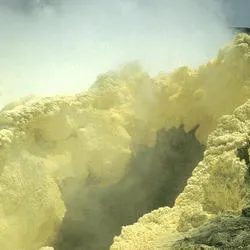
Yellow sulfur deposits near volcanic crater (vog)

VVog 

Vog, short for volcanic smog, is a form of air pollution caused by the release of sulfur dioxide and other volcanic gases into the atmosphere, where they react with oxygen, moisture, and sunlight to form fine particles. Vog is significant in environmental science for its impact on air quality, human health, and the environment in areas downwind of active volcanoes. 

Reference: Tam, E., et al. (2016). “Volcanic Air Pollution over the Island of Hawai’i: Emission Sources, Impacts, and Mitigation.” Atmospheric Environment, 142, 16-29. 
Share 

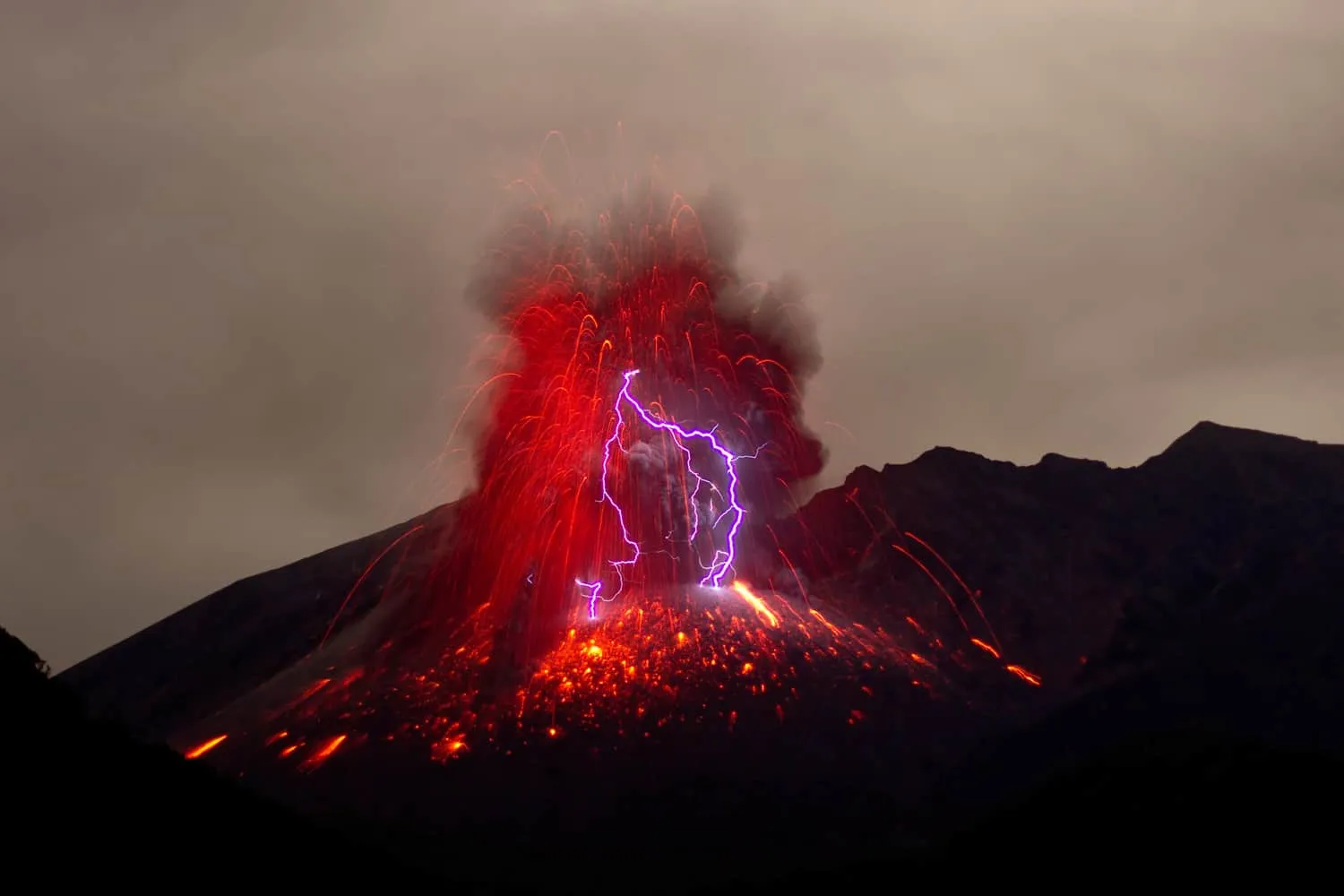
Volcanic eruption with lightning and glowing lava (volatile content)

VVolatile Content 

Volatile content refers to the amount of volatile compounds, such as water, carbon dioxide, and sulfur dioxide, present in a magma. The volatile content is significant in volcanology for understanding the explosivity of volcanic eruptions, the formation of different volcanic rocks, and the degassing processes during magma ascent. 

Reference: Wallace, P. J., & Edmonds, M. (2011). “The Sulfur Budget in Magmas: Evidence from Melt Inclusions, Submarine Glasses, and Volcanic Gas Emissions.” Reviews in Mineralogy and Geochemistry, 73(1), 215-246. 

Share 

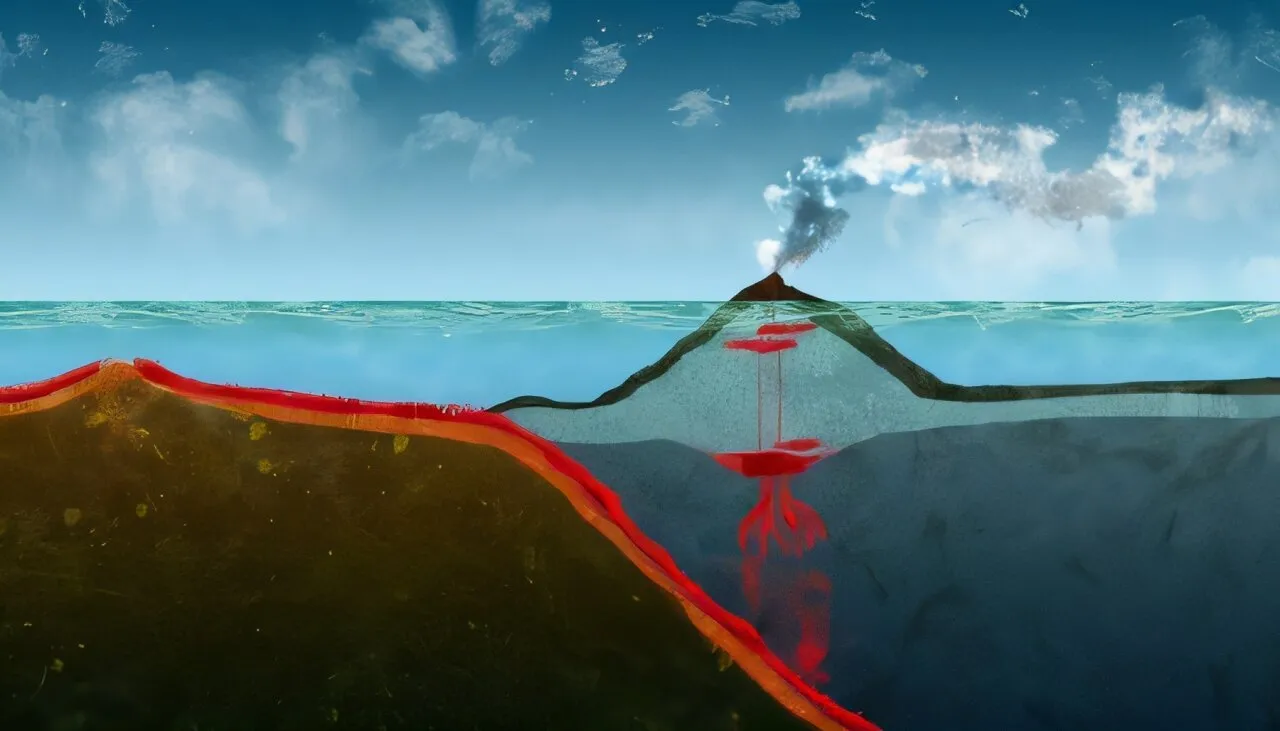
Underwater volcano diagram with magma flow (volcanic arc)

VVolcanic Arc

A volcanic arc is a chain of volcanoes formed above a subducting tectonic plate, typically parallel to an oceanic trench. Volcanic arcs are significant in understanding subduction zone dynamics, magma generation, and the formation of island and continental arcs. 

Reference: Stern, R. J. (2002). “Subduction Zones.” Reviews of Geophysics, 40(4), 3-1-3-38. 

Share 

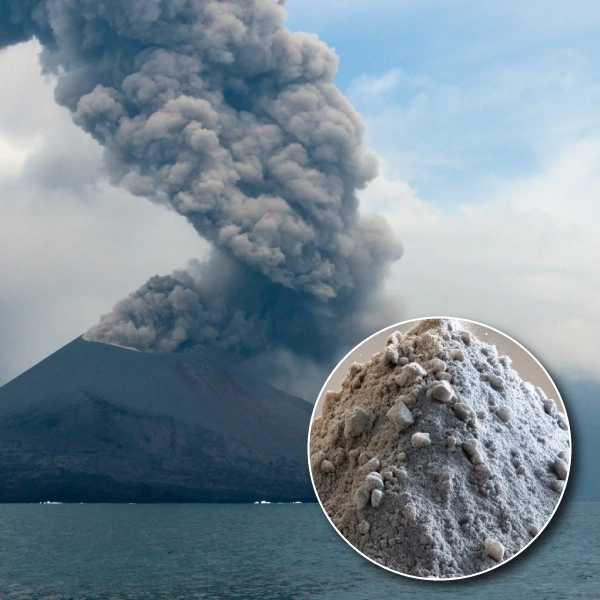
Volcano erupting with ash cloud and volcanic ash close-up

VVolcanic Ash

Volcanic ash consists of fine particles of pulverized rock and glass created during explosive volcanic eruptions. It is significant in volcanology for understanding eruption dynamics, the dispersal of ash in the atmosphere, and its impact on climate, aviation, and human health. 

Reference: Fisher, R. V., & Schmincke, H.-U. (1984). “Pyroclastic Rocks.” Springer. 

Share 

Cooling lava rock surrounded by grass (volcanic bomb)

VVolcanic Bomb

A volcanic bomb is a large fragment of molten rock ejected during a volcanic eruption that solidifies before reaching the ground. Volcanic bombs are significant in volcanology for understanding the mechanisms of explosive eruptions, the size and distribution of pyroclastic material, and the hazards posed to areas near active volcanoes. 

Reference: Fisher, R. V., & Schmincke, H.-U. (1984). “Pyroclastic Rocks.” Springer. 

Share 

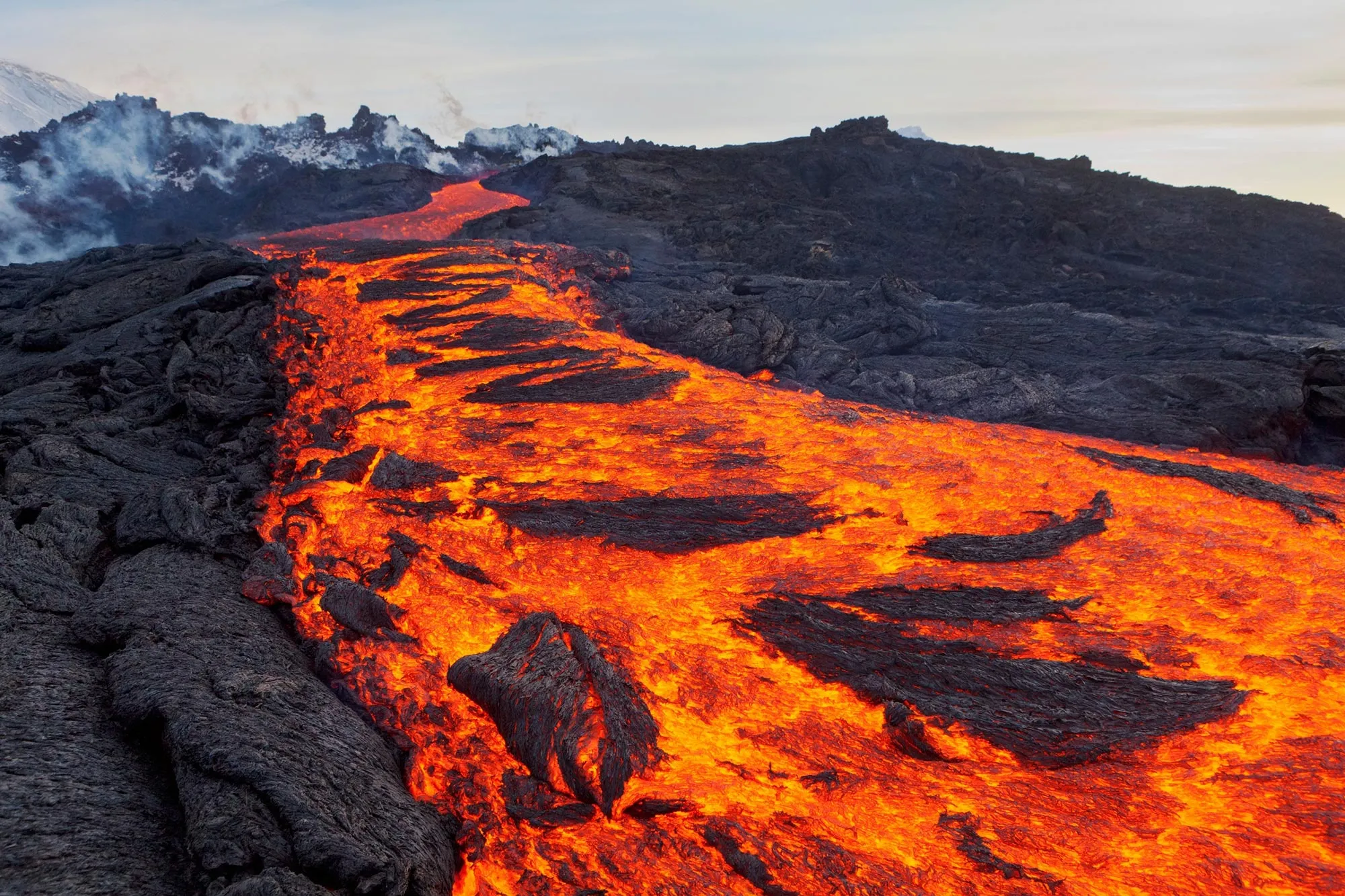
Molten lava flowing from volcanic eruption (volcanic chain)

VVolcanic Chain

A volcanic chain is a linear arrangement of volcanoes, often formed along tectonic plate boundaries, such as island arcs or continental volcanic arcs. These chains are significant in understanding the processes of subduction, magma generation, and the spatial distribution of volcanic activity. 

Reference: Tatsumi, Y., & Eggins, S. (1995). “Subduction Zone Magmatism.” Blackwell Science. 

Share 

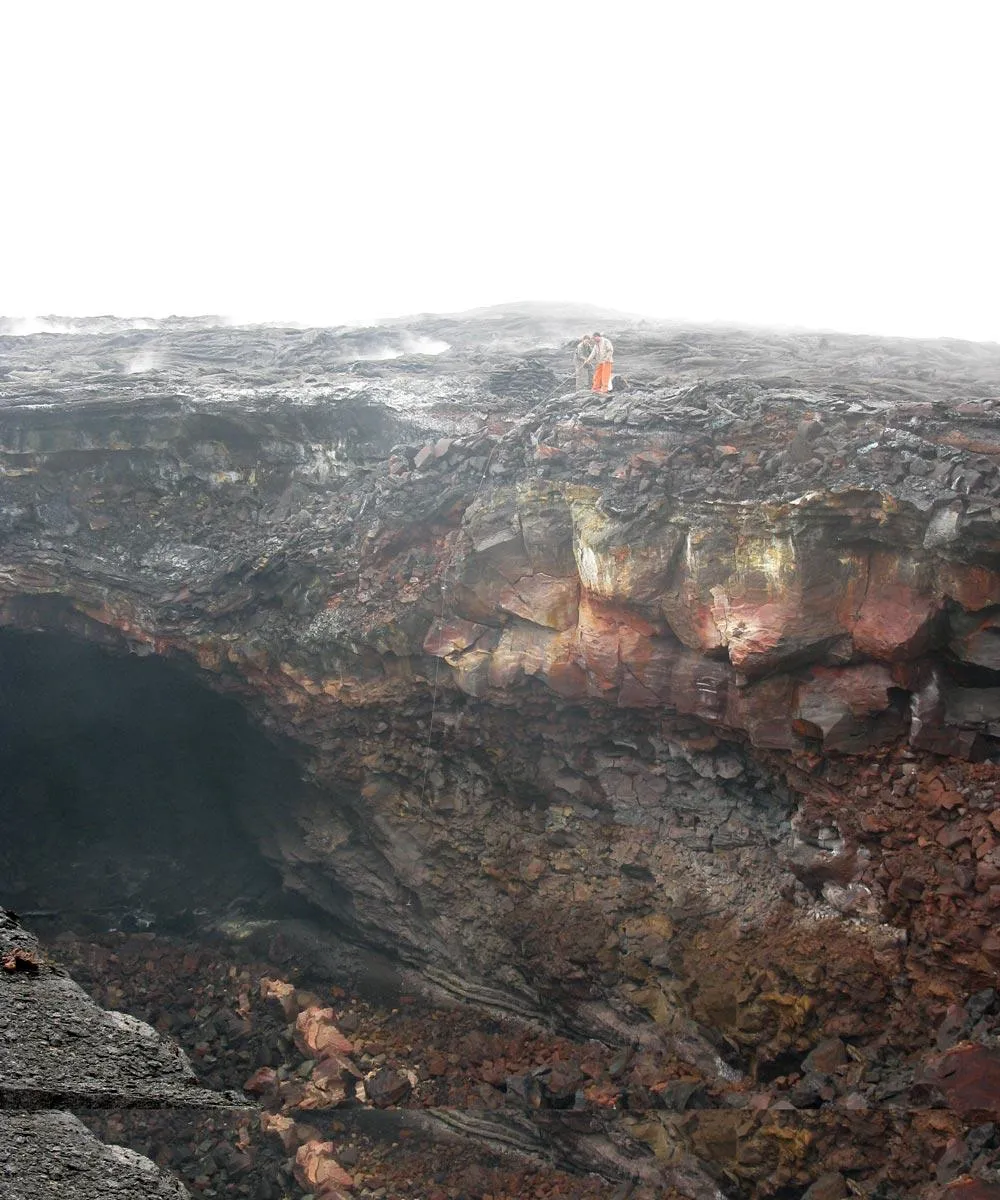
Volcanic collapse

VVolcanic Collapse

Volcanic collapse refers to the structural failure of a volcano’s edifice, often resulting in a landslide or the formation of a caldera. This process is significant in volcanology for understanding the stability of volcanic structures, the triggers of volcanic landslides, and the hazards posed by such collapses. 

Reference: Siebert, L. (1984). “Large Volcanic Debris Avalanches: Characteristics of Source Areas, Deposits, and Associated Eruptions.” Journal of Volcanology and Geothermal Research, 22(3-4), 163-197. 

Share 

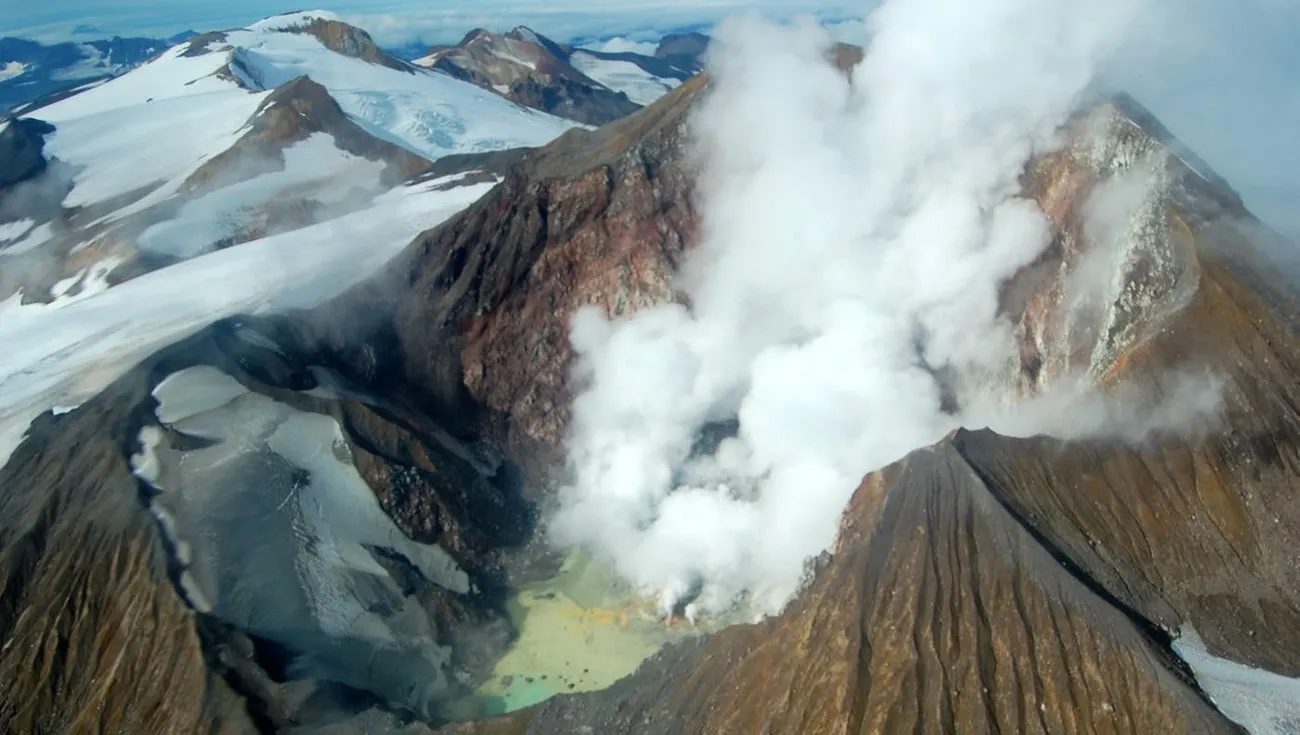
Steam rising from a volcanic crater in icy mountains (volcanic crater)

VVolcanic Crater

A volcanic crater is a bowl-shaped depression at the summit or on the flanks of a volcano, formed by explosive eruptions or the collapse of the summit. Volcanic craters are significant in volcanology for understanding eruption dynamics, crater formation processes, and the hazards associated with volcanic eruptions. 

Reference: Harris, S. L. (2005). “Fire Mountains of the West: The Cascade and Mono Lake Volcanoes.” Mountain Press Publishing Company. 

Share 

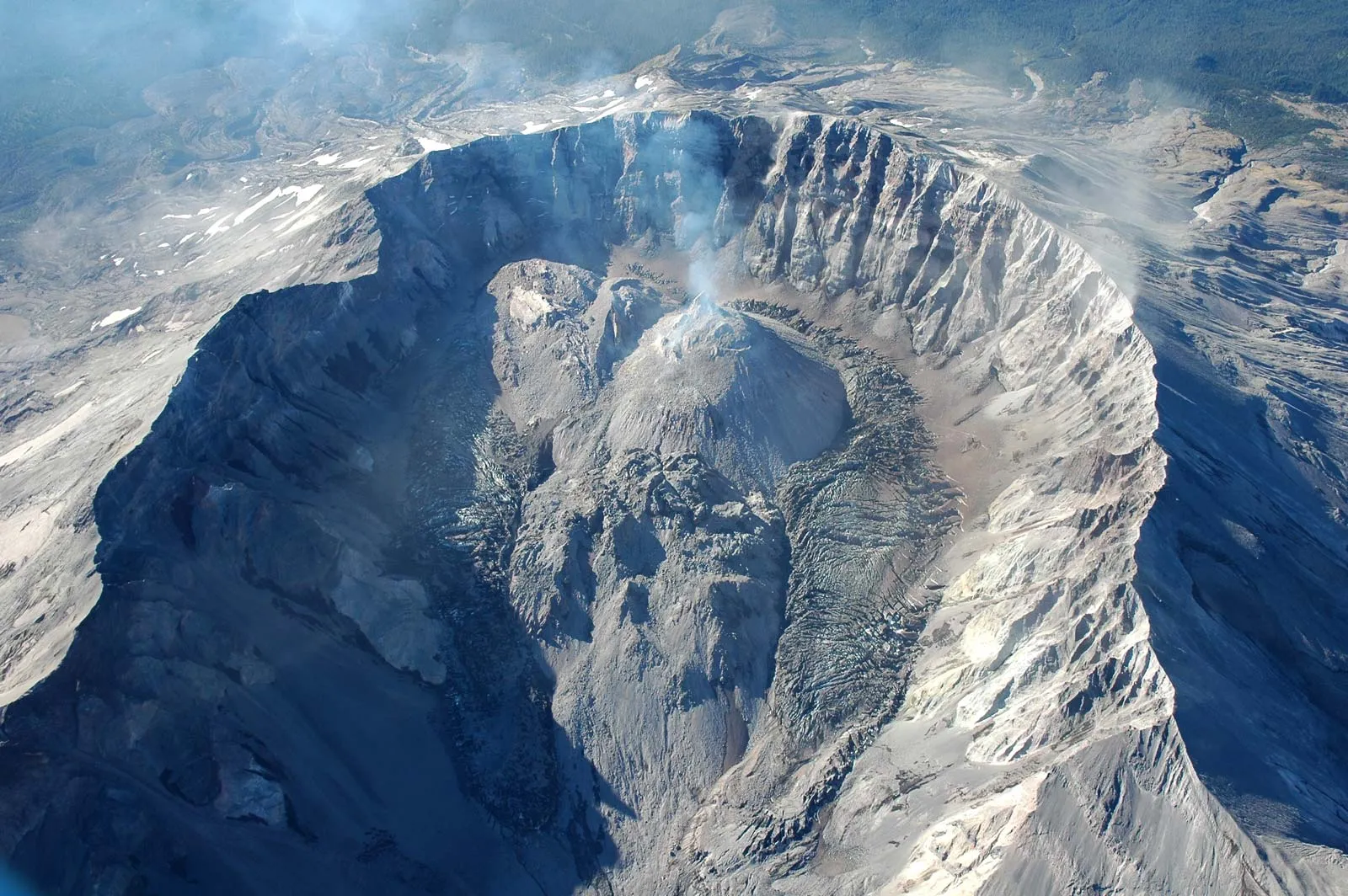
Aerial view of an active volcanic crater (volcanic dome)

VVolcanic Dome

A volcanic dome is a mound-shaped protrusion resulting from the slow extrusion of highly viscous lava, typically rhyolite or dacite. Volcanic domes are significant in volcanology for understanding the dynamics of volcanic eruptions, the formation of lava domes, and the potential hazards associated with dome collapse and pyroclastic flows. 

Reference: Fink, J. H., & Anderson, S. W. (2000). “Lava Domes and Coulees.” Encyclopedia of Volcanoes, 307-319. 

Share 

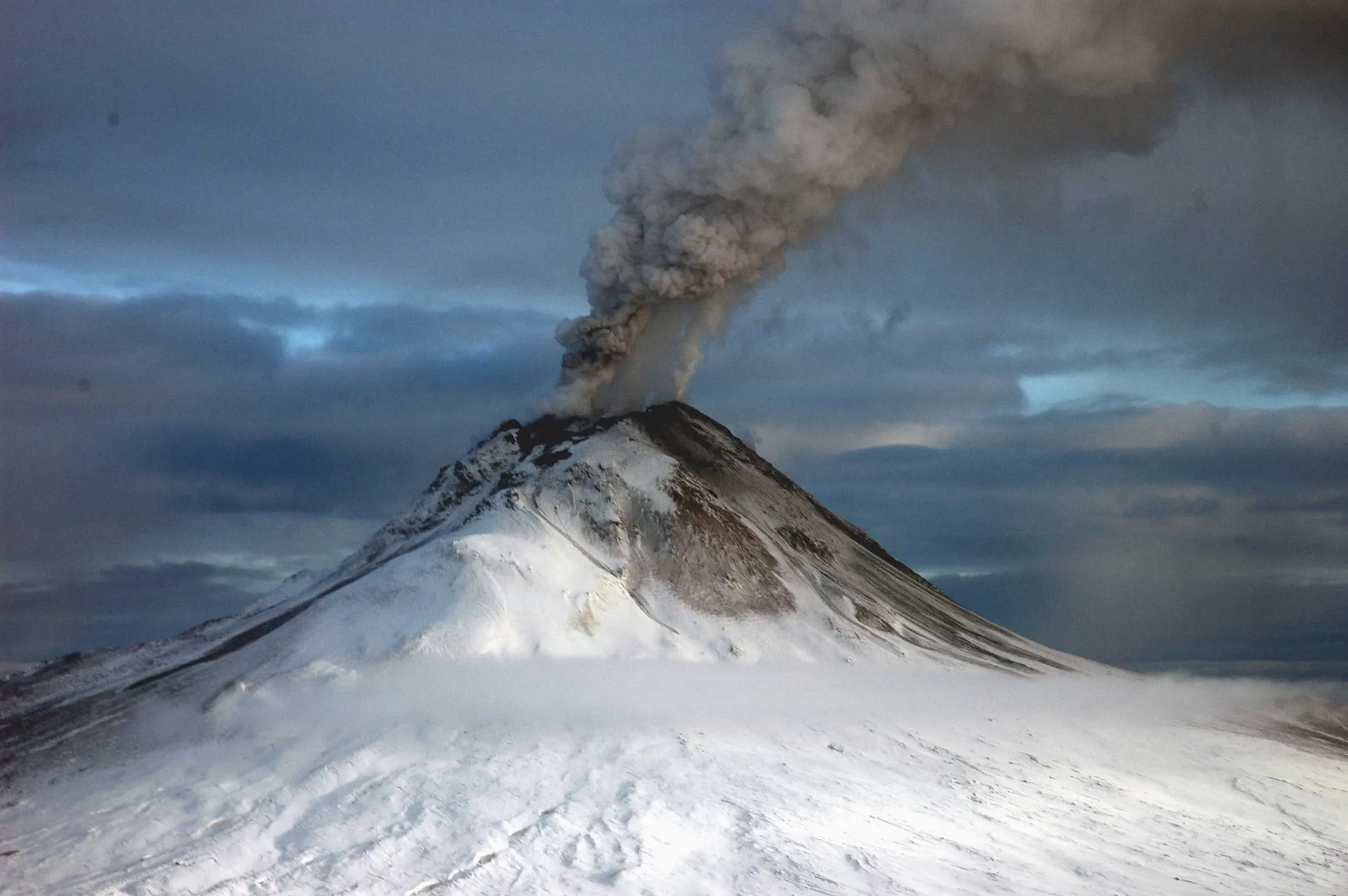
Snow-covered volcano erupting with smoke plume (volcanic gases)

VVolcanic Gases 

Volcanic gases are the volatile components released from magma during an eruption, including water vapor, carbon dioxide, sulfur dioxide, hydrogen sulfide, and other trace gases. These gases are significant in volcanology for understanding eruption dynamics, the impact of volcanic eruptions on the atmosphere, and the monitoring of volcanic activity. 

Reference: Symonds, R. B., Gerlach, T. M., & Reed, M. H. (2001). “Magmatic Gas Scrubbing: Implications for Volcano Monitoring.” Journal of Volcanology and Geothermal Research, 108(1-4), 1-4. 

Share 

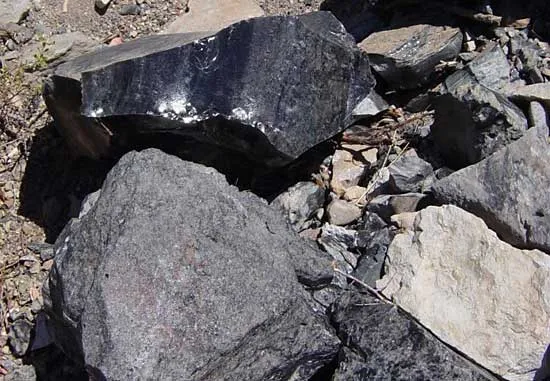
Shiny black obsidian rocks on the ground (volcanic glass)

VVolcanic Glass

Volcanic glass is a natural glass formed by the rapid cooling of molten lava, preventing the formation of crystals. Obsidian is a common example. Volcanic glass is significant in petrology and archaeology for understanding the cooling history of volcanic eruptions, the composition of magmas, and the use of volcanic glass in prehistoric tools. 

Reference: Dingwell, D. B. (1996). “Volcanic Glasses.” Reviews in Mineralogy and Geochemistry, 32(1), 69-106. 

Share 

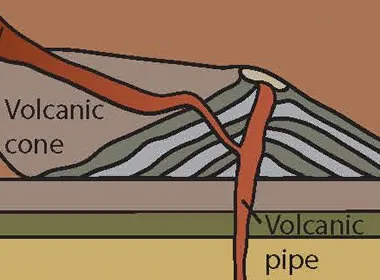
Diagram showing volcanic cone and volcanic pipe structure

VVolcanic Pipe

A volcanic pipe is a vertical conduit through which magma travels from a magma chamber to the surface during a volcanic eruption. Volcanic pipes are significant in geology for understanding the transport of magma, the formation of volcanic features like diatremes, and the emplacement of kimberlite pipes that may host diamonds. 

Reference: Mitchell, R. H. (1986). “Kimberlites: Mineralogy, Geochemistry, and Petrology.” Plenum Press. 

Share 

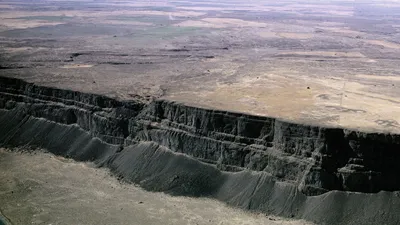
Massive basalt cliffs in a dry desert landscape (volcanic plateau)

VVolcanic Plateau

A volcanic plateau is a large, flat elevated area formed by extensive volcanic activity, typically through the accumulation of successive lava flows. These plateaus are significant in volcanology for understanding the processes of flood basalt eruptions, the formation of large igneous provinces, and the role of volcanic activity in shaping the Earth’s surface. 

Reference: Cox, K. G. (1980). “Flood Basalts, Subduction, and the Breakup of Gondwanaland.” Nature, 283(5748), 252-255. 

Share 

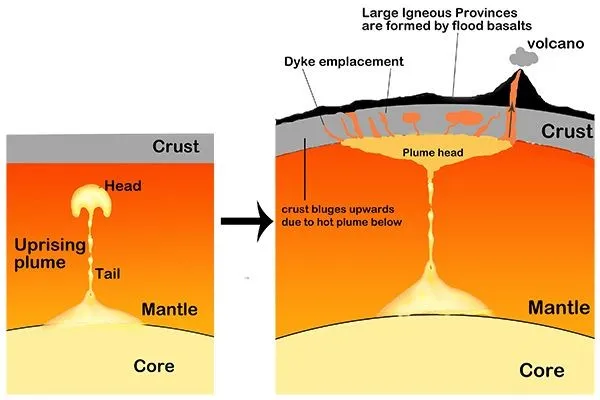
Diagram showing mantle plume formation and crust uplift (volcanic plume)

VVolcanic Plume

A volcanic plume is a column of volcanic gases, ash, and aerosols emitted during an eruption, rising into the atmosphere and often spreading over large areas. Volcanic plumes are significant in volcanology and atmospheric science for their impact on air travel, climate, and the distribution of volcanic ash. 

Reference: Sparks, R. S. J., & Carey, S. N. (1991). “Pyroclastic Flows and Explosive Volcanism.” Geological Society of London Special Publication, 145(1), 1-8. 

Share 

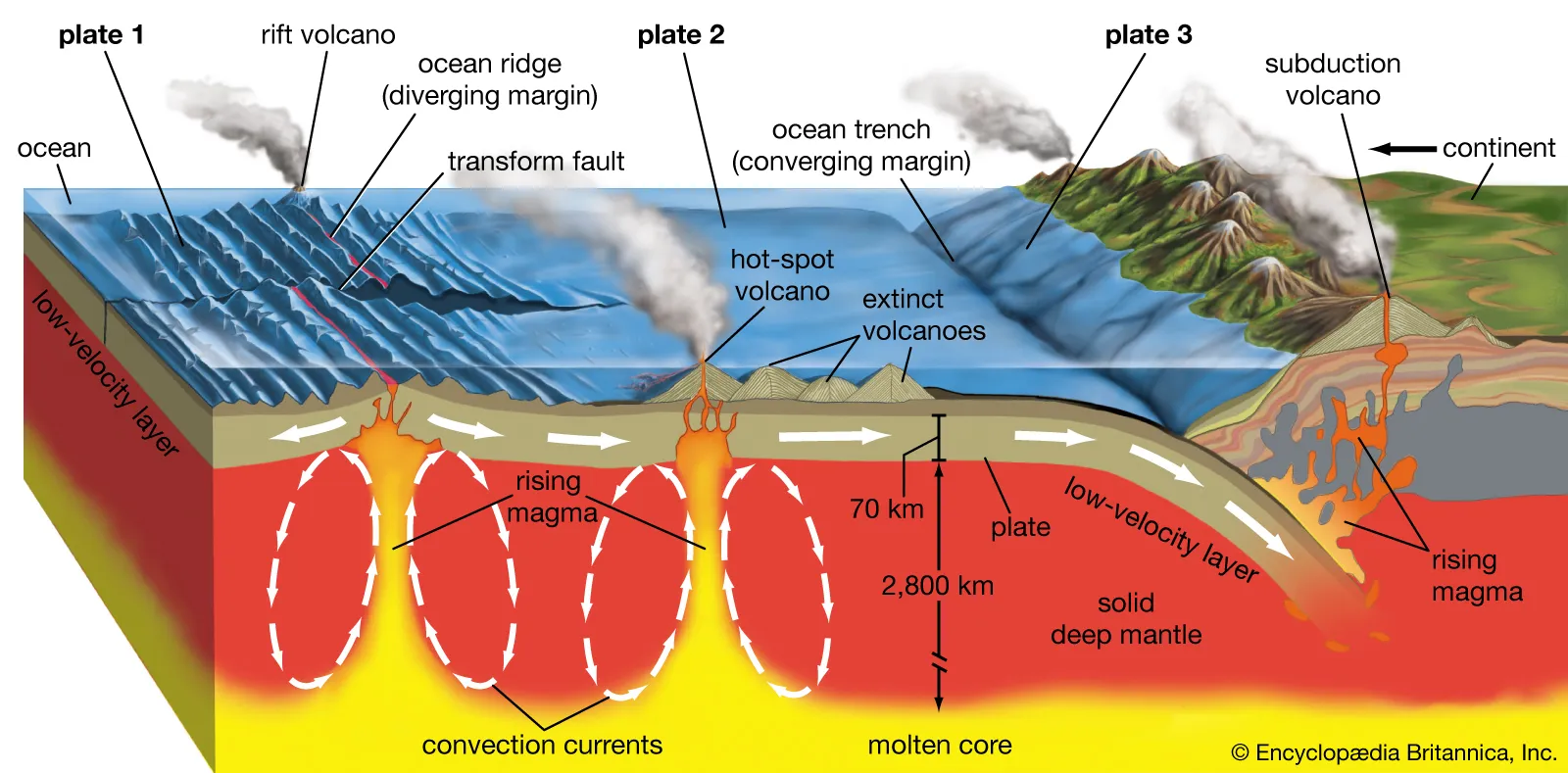
Diagram of plate tectonics and volcanic activity (subduction zones, stratovolcanoes, Earth plate margins activity)

VVolcanic Rift 

A volcanic rift is a linear zone where the Earth’s crust is being pulled apart, allowing magma to rise and create new crust, typically found at divergent plate boundaries or within volcanic hotspots. Volcanic rifts are significant in understanding the processes of crustal extension, the formation of rift volcanoes, and the dynamics of magma movement. 

Reference: Buck, W. R. (2004). “Consequences of Asthenospheric Variability on Continental Rifting.” Geological Society of London Special Publication, 222(1), 43-54. 

Share 

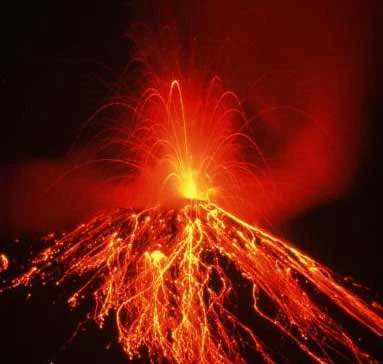
Active volcano erupting with bright lava at night

VVolcano 

A volcano is a geological feature formed by the eruption of magma onto the Earth’s surface, creating a mountain or hill with a vent through which lava, ash, and gases are expelled. Volcanoes are significant in geology for understanding the processes of magma generation, the dynamics of eruptions, and the formation of volcanic landforms. 

Reference: Francis, P., & Oppenheimer, C. (2004). “Volcanoes.” Oxford University Press. 

Share 

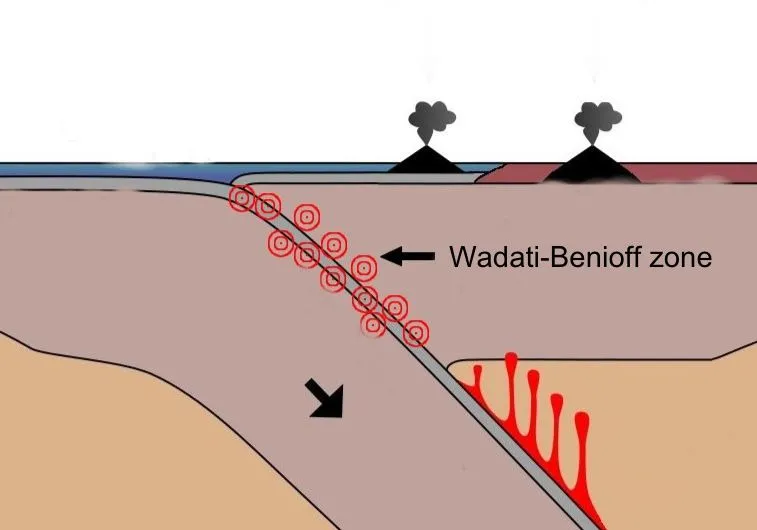
Diagram showing the Wadati-Benioff subduction zone

WWadati-Benioff Zone

The Wadati-Benioff zone is a planar zone of seismicity corresponding to the subducting slab of a convergent boundary, extending from shallow depths near the trench to deep within the mantle. This zone is significant in seismology and plate tectonics for understanding the processes of subduction, earthquake generation, and the structure of subducting plates. 

Reference: Frohlich, C. (2006). “Deep Earthquakes.” Cambridge University Press. 

Share 

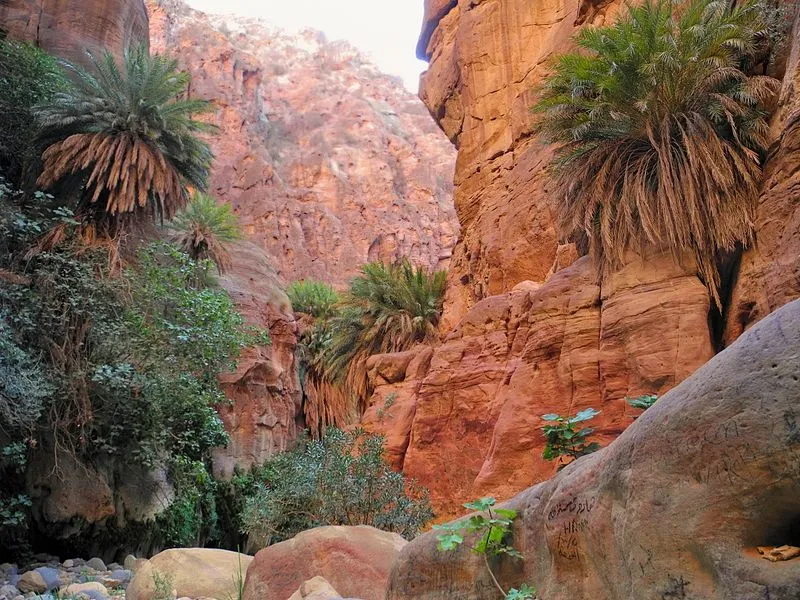
Red rock canyon with palm trees and vegetation (Wadi)

WWadi

A wadi is a dry riverbed or valley in a desert region that only carries water during periods of heavy rain. Wadis are significant in arid region geomorphology for understanding episodic streamflow, sediment transport, and the development of desert landscapes. 

Reference: “Torrent valley”. Insight on the Scriptures. Vol. 2: Jehova – Zuzim and Index. Watch Tower Bible and Tract Society of New York. 1988. p. 1115. The term “wadi” (Arabic) is also used to designate a torrent valley … whereas others are torrents during the rainy season but dry up completely during the rainless season. 

Share 

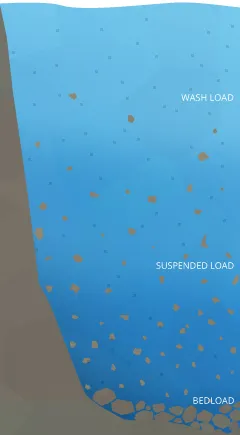
Diagram showing wash, suspended, and bedload sediment layers (wash load)

WWash Load

Wash load refers to the fine sediment particles, such as silt and clay, that are transported in suspension by a river and do not come into frequent contact with the riverbed. Wash load is significant in fluvial geomorphology for understanding sediment transport dynamics, riverine sediment budgets, and the formation of floodplains and deltas. 

Reference: Leopold, L. B., Wolman, M. G., & Miller, J. P. (1964). “Fluvial Processes in Geomorphology.” Dover Publications.

Share 

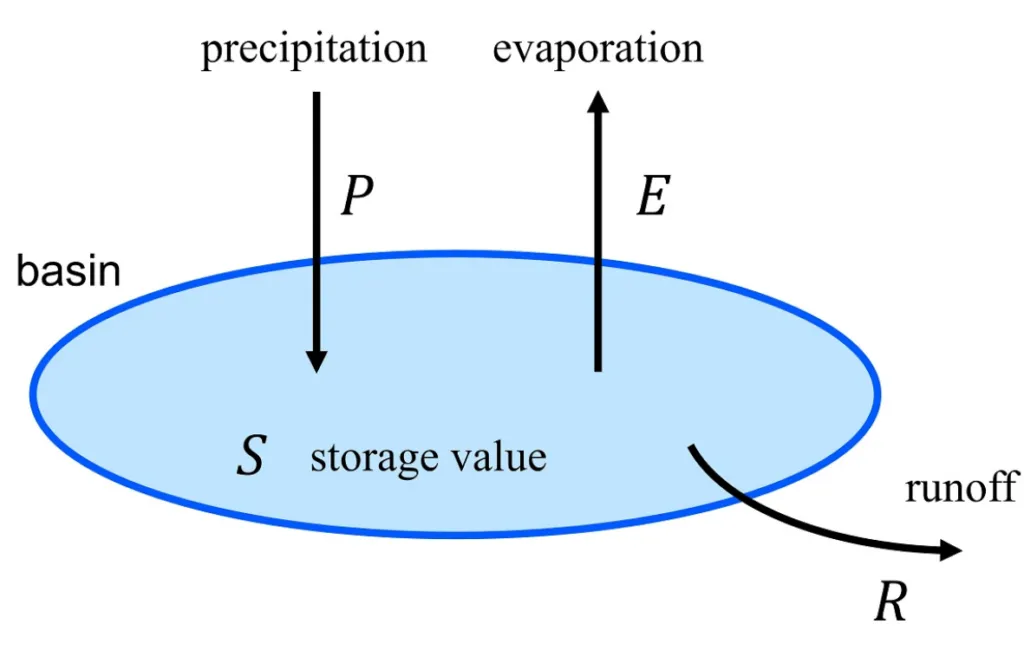
Water balance diagram showing precipitation, evaporation, and runoff (water budget)

WWater Budget

A water budget is a balance sheet of water inflows, outflows, and storage changes within a specific system, such as a watershed, aquifer, or lake. The water budget is significant in hydrology and water resource management for understanding the availability of water resources, managing water supply, and assessing the impacts of land use and climate change on water systems. 

Reference: Viessman, W., & Lewis, G. L. (2003). “Introduction to Hydrology.” Prentice Hall.

Share 

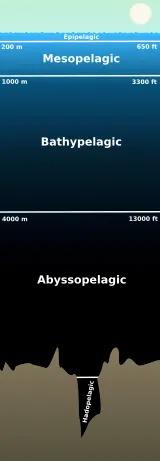
Ocean depth zones diagram with depth labels (water column)

WWater Column

The water column is a conceptual column of water from the surface to the bottom of a body of water, used to study the distribution of physical, chemical, and biological properties at different depths. The water column is significant in oceanography and limnology for understanding oceanic and freshwater processes, the behavior of nutrients and pollutants, and the distribution of marine and freshwater organisms.

Reference: Stewart, R. H. (2008). “Introduction to Physical Oceanography.” Texas A&M University. 

Share 

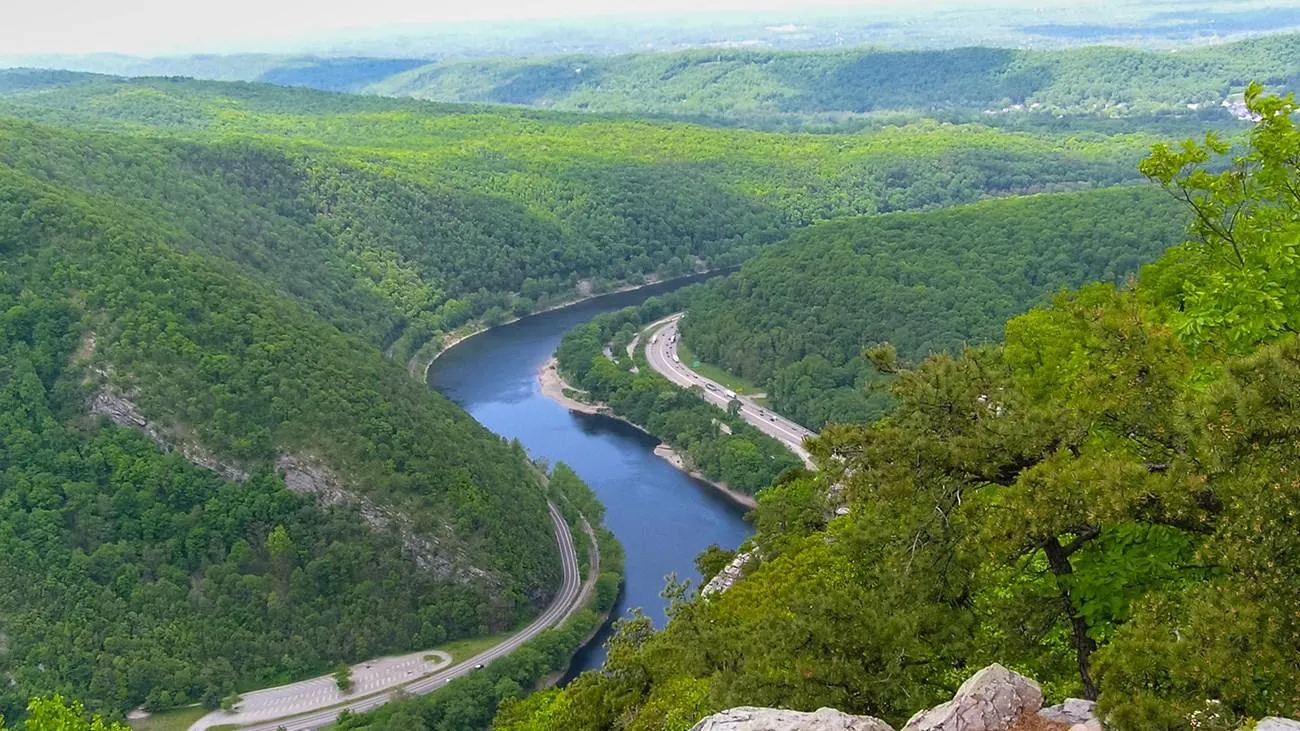
Scenic river winding through lush green mountains (water gap)

WWater Gap

A water gap is a pass or gorge through which a river flows, cutting across a mountain ridge or other resistant rock formation. Water gaps are significant in geomorphology for understanding the history of river incision, the evolution of drainage systems, and the tectonic activity in a region. 

Reference: Oberlander, T. M. (1965). “The Zagros Streams: A New Interpretation of Transverse Drainage in an Orogenic Zone.” Syracuse Geographical Series, No. 1. 

Share 

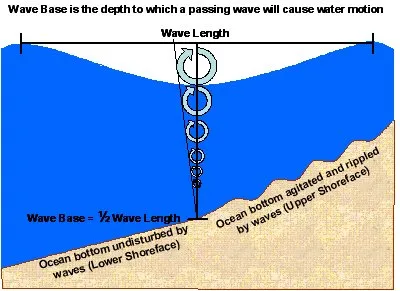
Diagram showing wave base and ocean floor zones (wave base)

WWave Base

Wave-base is the depth in the ocean below which the effects of surface waves on sediment movement become negligible. It is significant in marine geology and sedimentology for understanding sediment deposition, the formation of marine sedimentary structures, and the impact of wave energy on the seabed. 

Reference: Davis, R. A. (1985). “Coastal Sedimentary Environments.” Springer. 

Share 

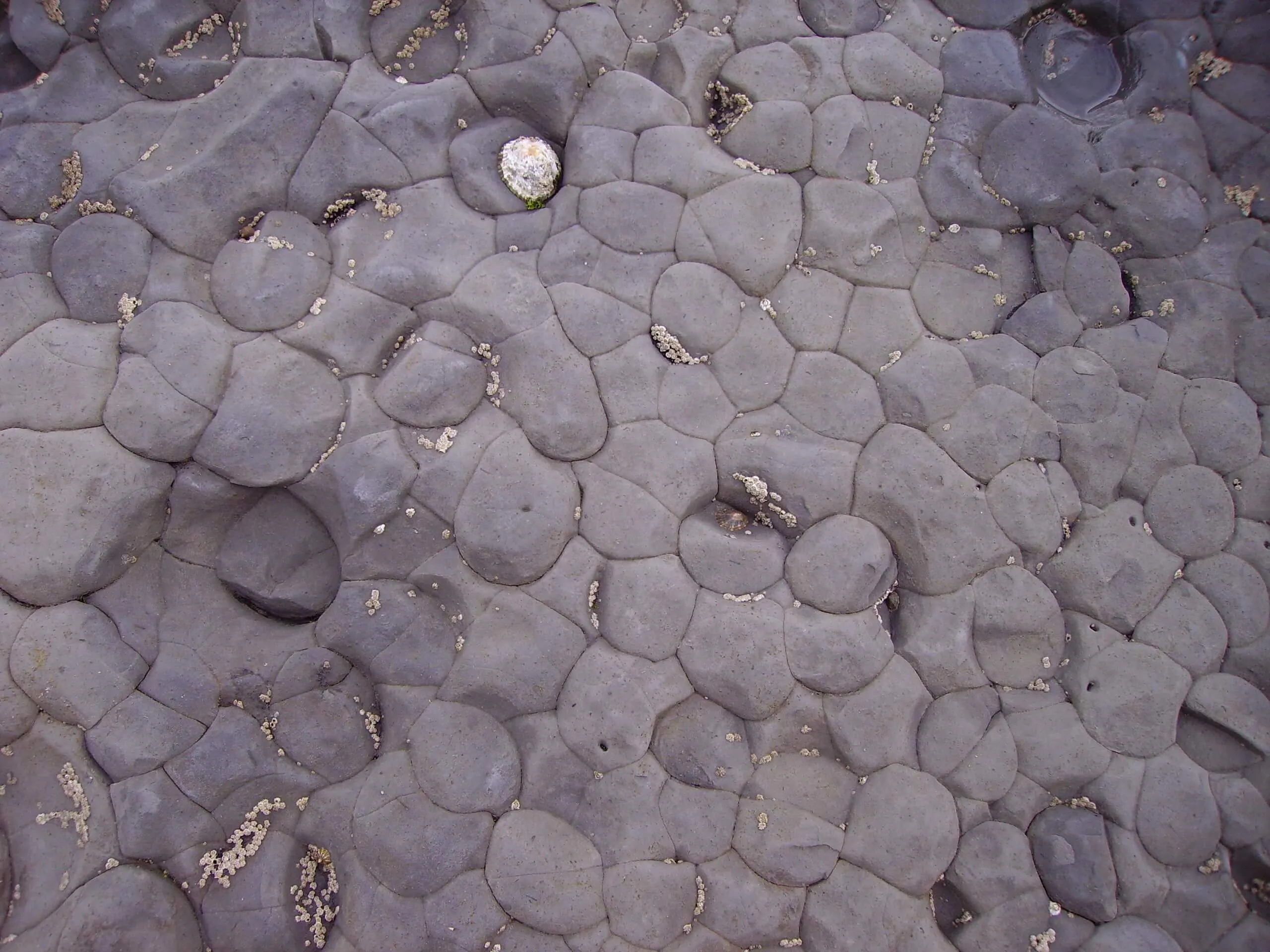
Mudstone formation

MArchives: Glossary

Mudstone is a fine-grained sedimentary rock composed primarily of clay and silt-sized particles. It is often formed in low-energy environments such as deep marine basins, lakes, and floodplains. Mudstone is significant in understanding depositional environments, the preservation of fossils, and the geochemical cycles of elements. 

Reference: Potter, P. E., Maynard, J. B., & Depetris, P. J. (2005). “Mud and Mudstones: Introduction and Overview.” Springer. 

Share