Generic selectors
Exact matches only
Search in title
Search in content
Post Type Selectors

Rocks

An atlas of rocks and minerals: each one a record of the conditions that made it.

Glossary

Sort by

Polished sample of a gneiss rock

Gneiss

Gneiss is a durable, banded metamorphic rock used in construction and decoration.

Read more

AAbyssal Plain 

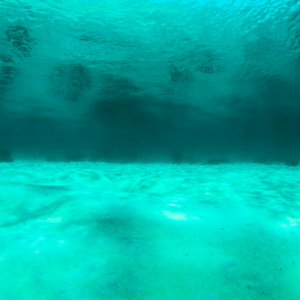
Abyssal plains are large, flat, and nearly featureless regions of the deep ocean floor, located at depths between 3,000 to 6,000 meters. These plains are formed through the slow accumulation of fine sediments, including clay and microscopic organisms, that descend from the ocean surface. The creation of abyssal plains is also influenced by the spreading of oceanic plates, which produces new seafloor. These regions are critical to understanding deep-sea sedimentation processes and the geological history of the ocean basins.

Reference: Craig R. Smith; Fabio C. De Leo; Angelo F. Bernardino; Andrew K. Sweetman; Pedro Martinez Arbizu (2008). “Abyssal food limitation, ecosystem structure and climate change” 
Share 

join.me

Geology made clear, in your inbox.

Get clear, visual explainers on rocks, minerals, deep time, and the most fascinating parts of Earth science from Geoscopy.

AArchives: Glossary

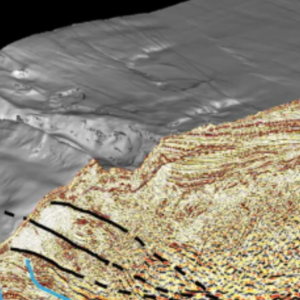
In geology, accretion refers to the process by which material is added to a tectonic plate at convergent boundaries. This material can include sediment, volcanic arcs, and other fragments of crust that are scraped off a subducting plate and attached to the overriding plate, forming an accretionary wedge. Accretion plays a significant role in the growth of continental crust and the formation of mountain ranges. 

Reference: Ballard, Robert D. (1988). Exploring our living planet. National Geographic Book Service., National Geographic Society (U.S.) (Rev. ed.). Washington, D.C.: National Geographic Society. ISBN 0-87044-760-2. OCLC 18325626 

Share