Generic selectors
Exact matches only
Search in title
Search in content
Post Type Selectors

Rocks

Explore a list of beautiful rocks and minerals. More to be added soon ????

Glossary

Sort by

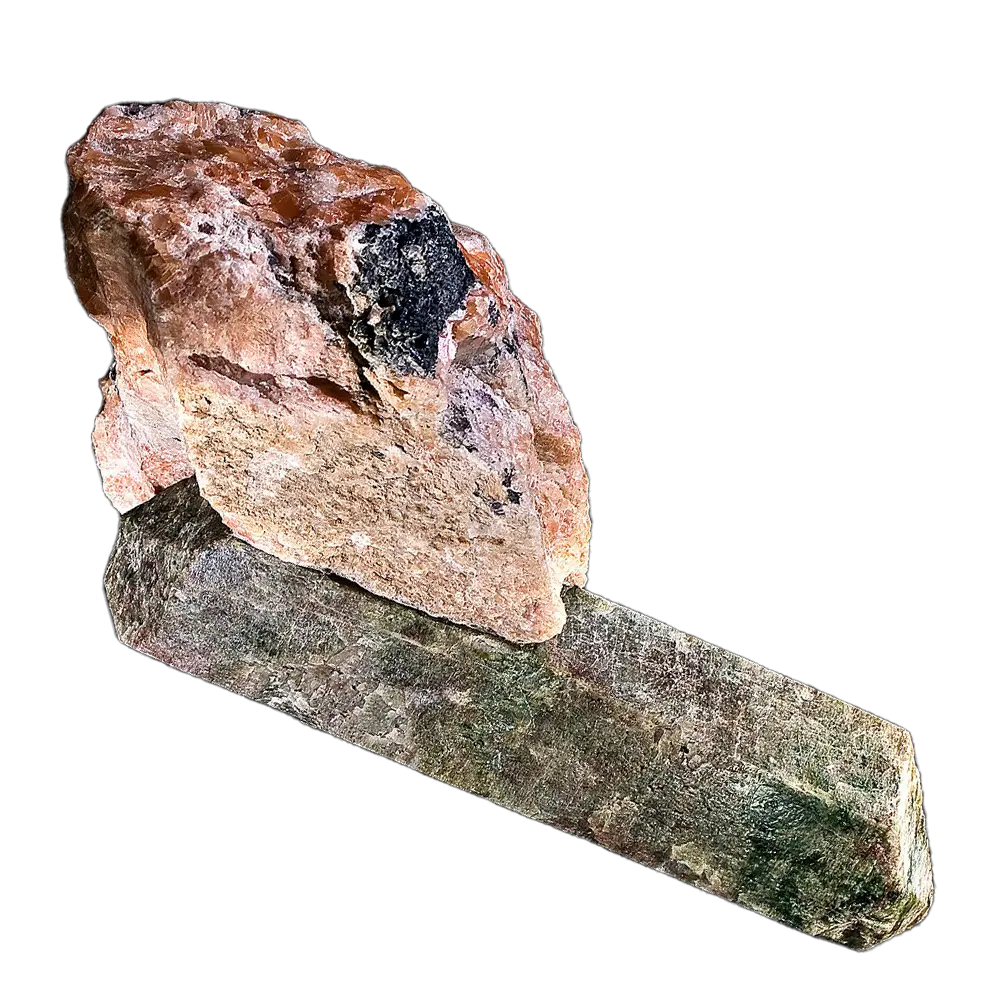
Sample of apatite mineral crystal

Apatite

Apatite is a calcium phosphate mineral found in various colors, primarily used in fertilizers.

Read more

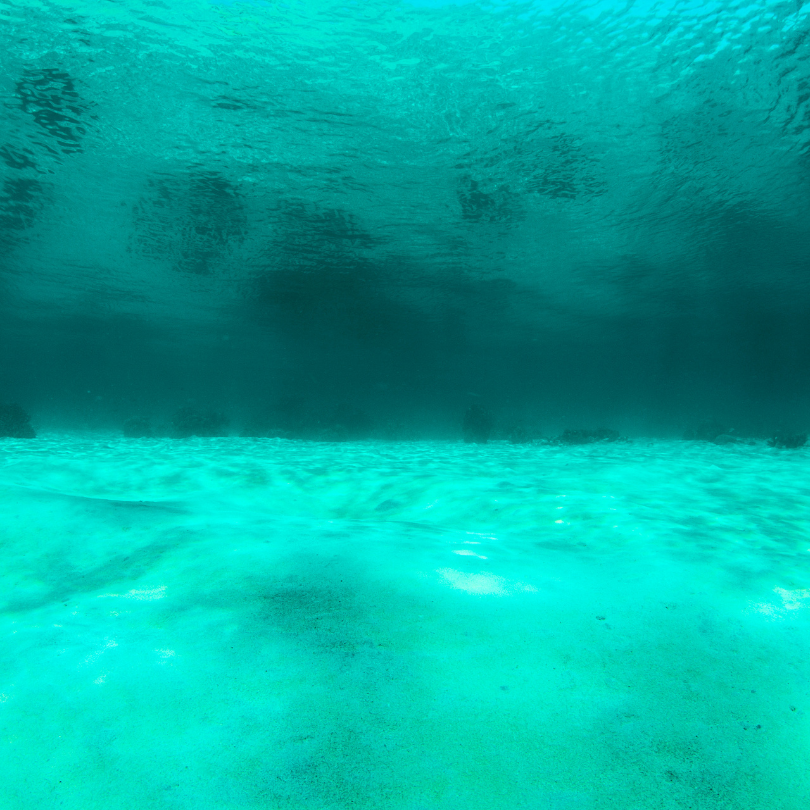
AAbyssal Plain 

Abyssal plains are large, flat, and nearly featureless regions of the deep ocean floor, located at depths between 3,000 to 6,000 meters. These plains are formed through the slow accumulation of fine sediments, including clay and microscopic organisms, that descend from the ocean surface. The creation of abyssal plains is also influenced by the spreading of oceanic plates, which produces new seafloor. These regions are critical to understanding deep-sea sedimentation processes and the geological history of the ocean basins.

Reference: Craig R. Smith; Fabio C. De Leo; Angelo F. Bernardino; Andrew K. Sweetman; Pedro Martinez Arbizu (2008). “Abyssal food limitation, ecosystem structure and climate change” 

Share 

join.me

Geology made clear, in your inbox.

Get clear, visual explainers on rocks, minerals, deep time, and the most fascinating parts of Earth science from Geoscopy.
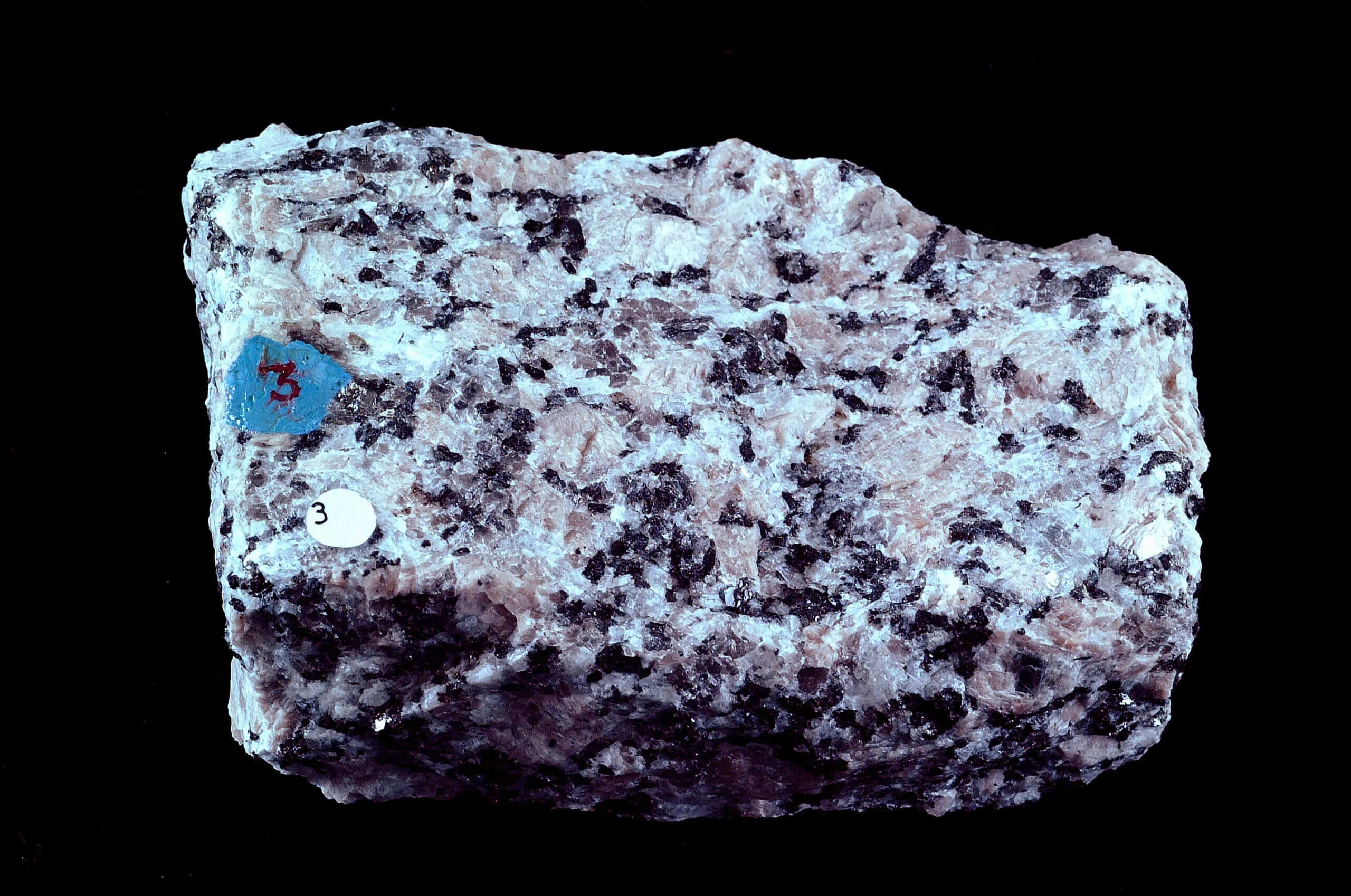
Close-up of granite rock sample with crystals (igneous rock)

IArchives: Glossary

Igneous rock is formed through the cooling and solidification of magma or lava. It is classified into two main types: intrusive (plutonic), which cools slowly beneath the Earth’s surface, and extrusive (volcanic), which cools rapidly at the surface. Igneous rocks are significant in understanding the processes of magmatism, the formation of the Earth’s crust, and tectonic activity. 

Reference: Best, M. G. (2003). Igneous and Metamorphic Petrology. Wiley-Blackwell.

Share