


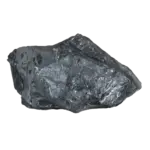
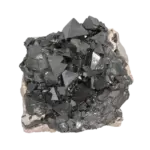
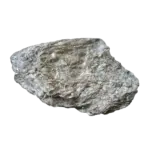
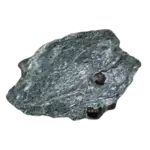
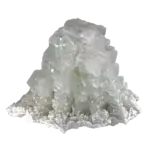
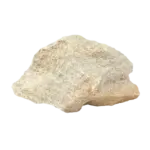
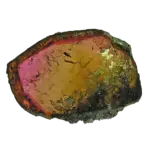
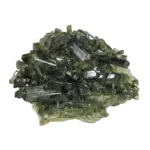

Fact Sheet
Mineral type: Apatite-group phosphate mineral. In hand specimens and collections, “apatite” is often used for unidentified calcium phosphate members of the apatite group; most are fluorapatite.
Common simplified formula: Ca5(PO4)3(F, Cl, OH). The main end-members are fluorapatite, hydroxylapatite, and chlorapatite.
Crystal system: Hexagonal for the common apatite-group minerals.
Mohs hardness: 5. Apatite is the reference mineral for hardness 5 on the Mohs scale.
Luster: Usually vitreous to subresinous.
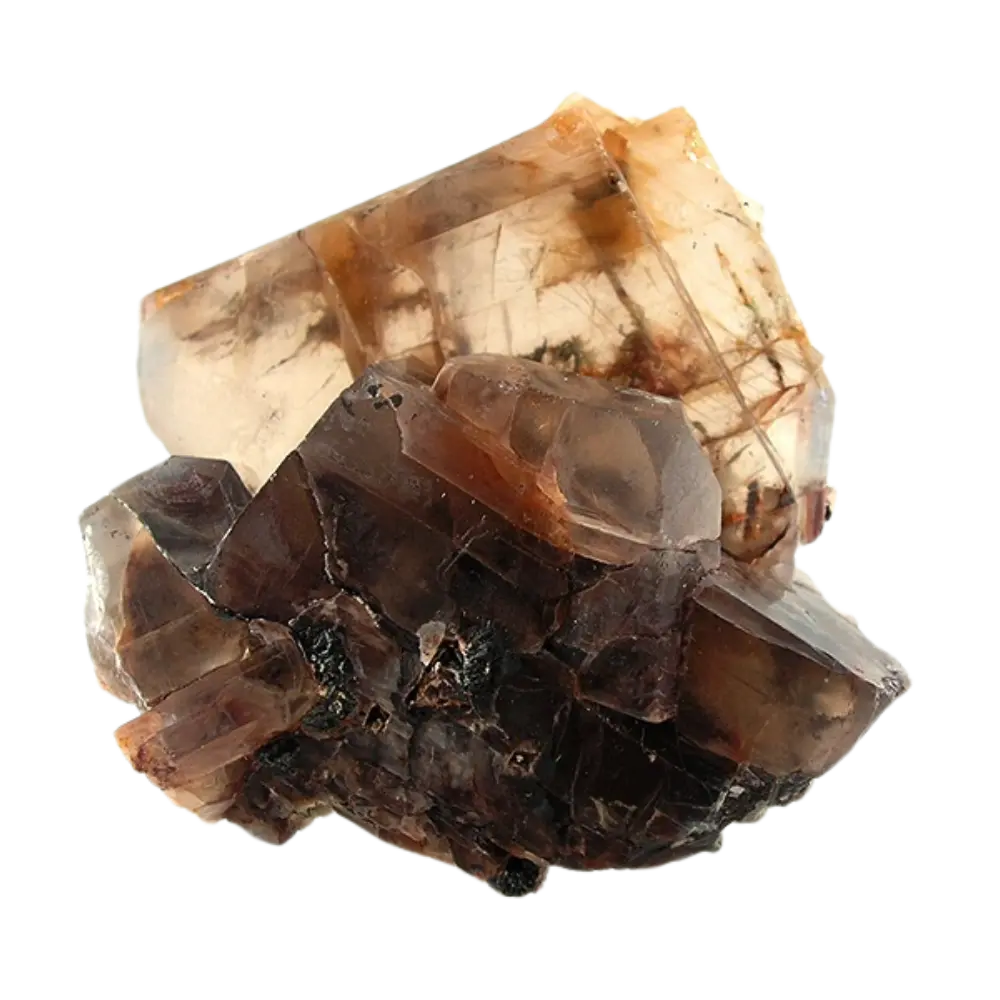
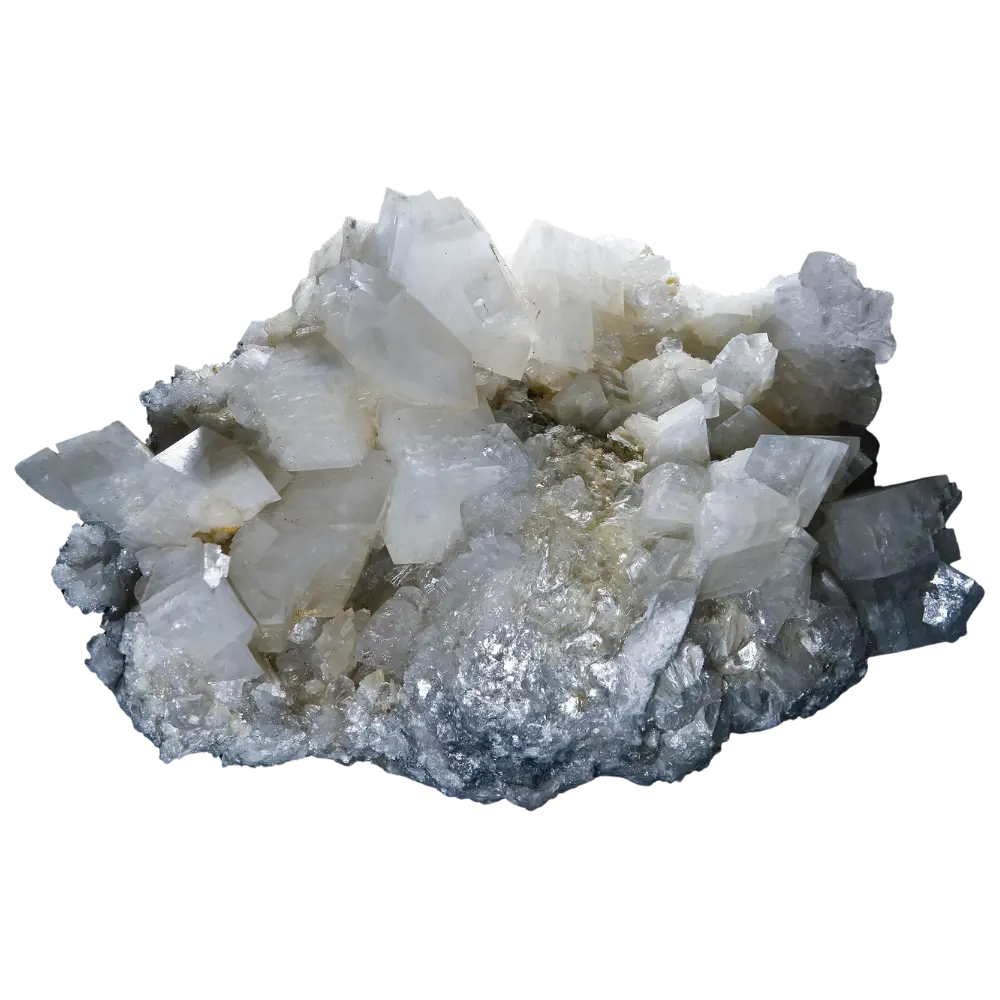
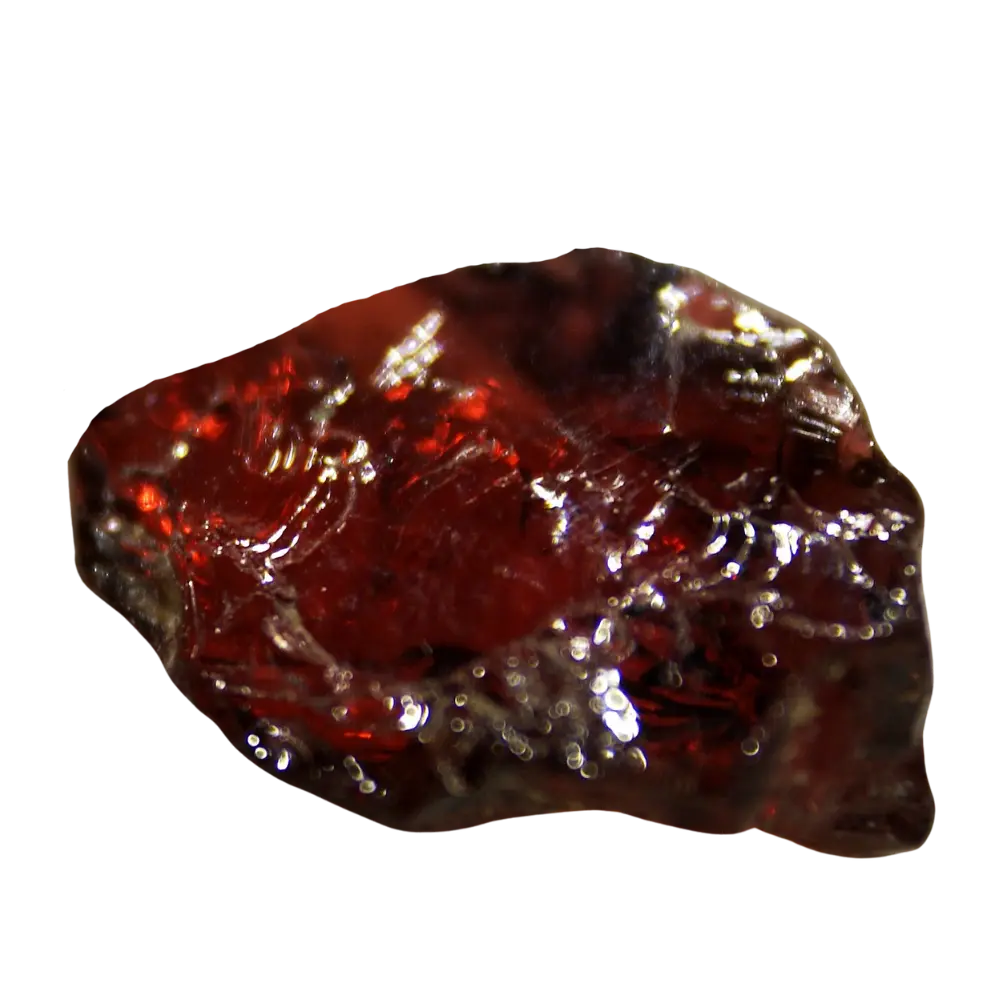
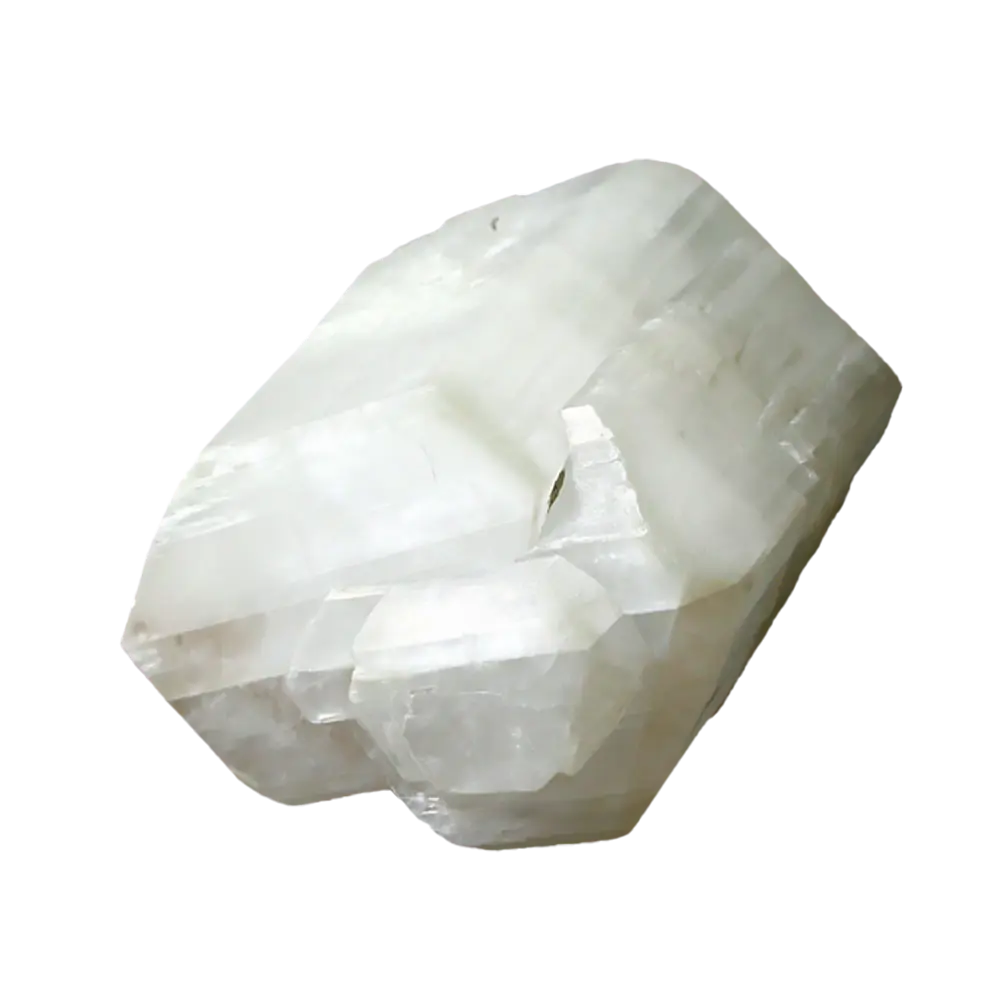
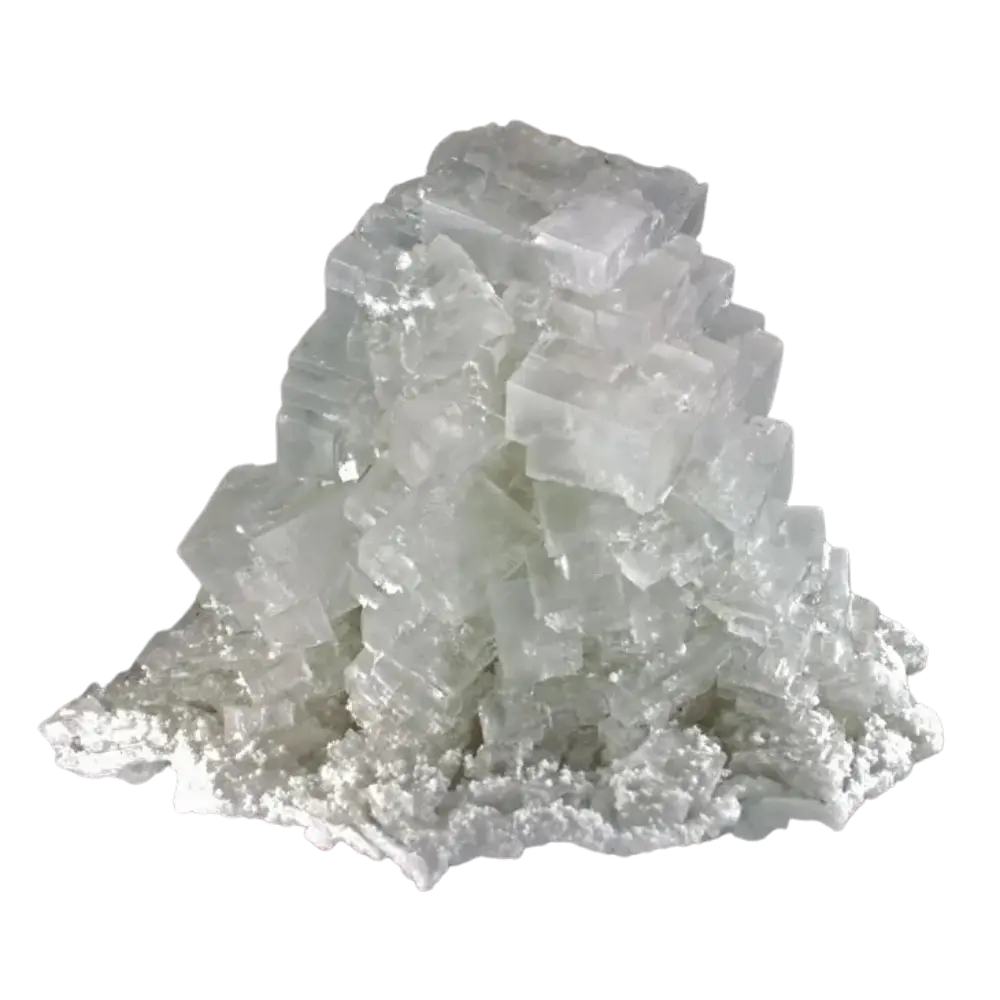
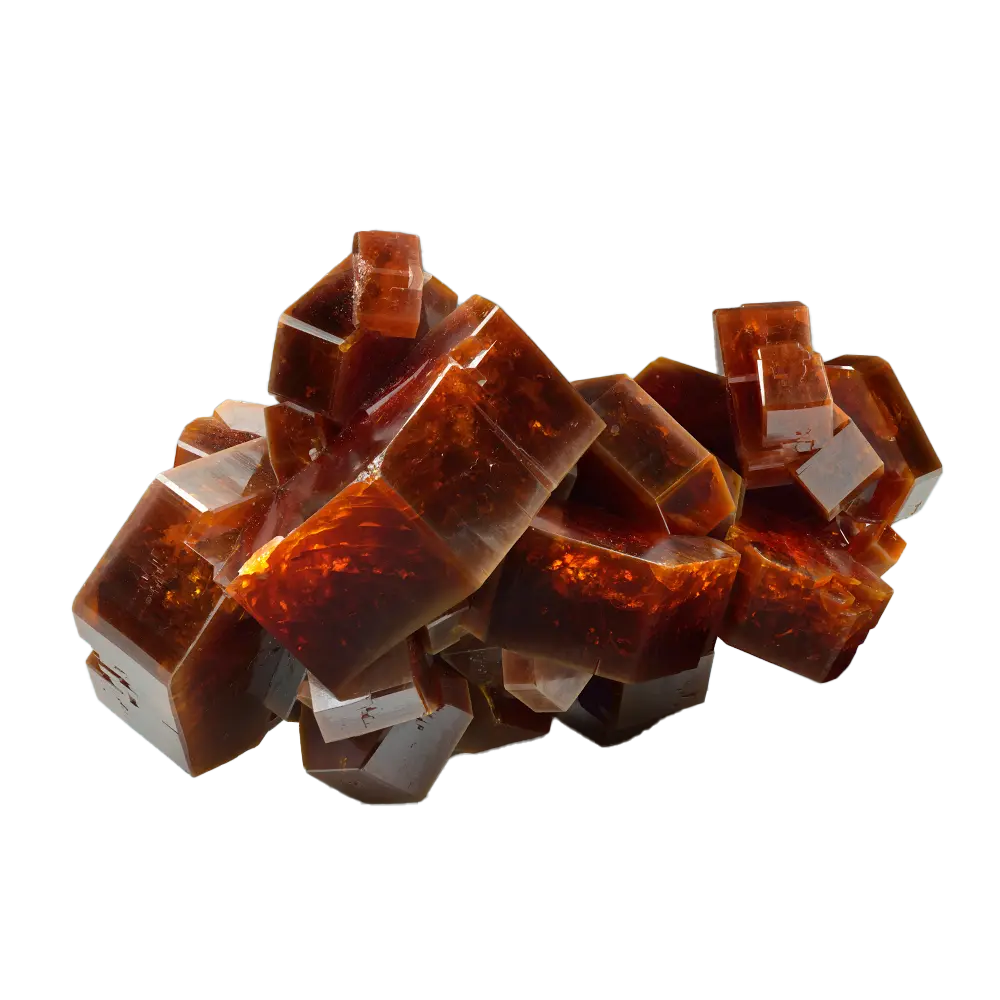
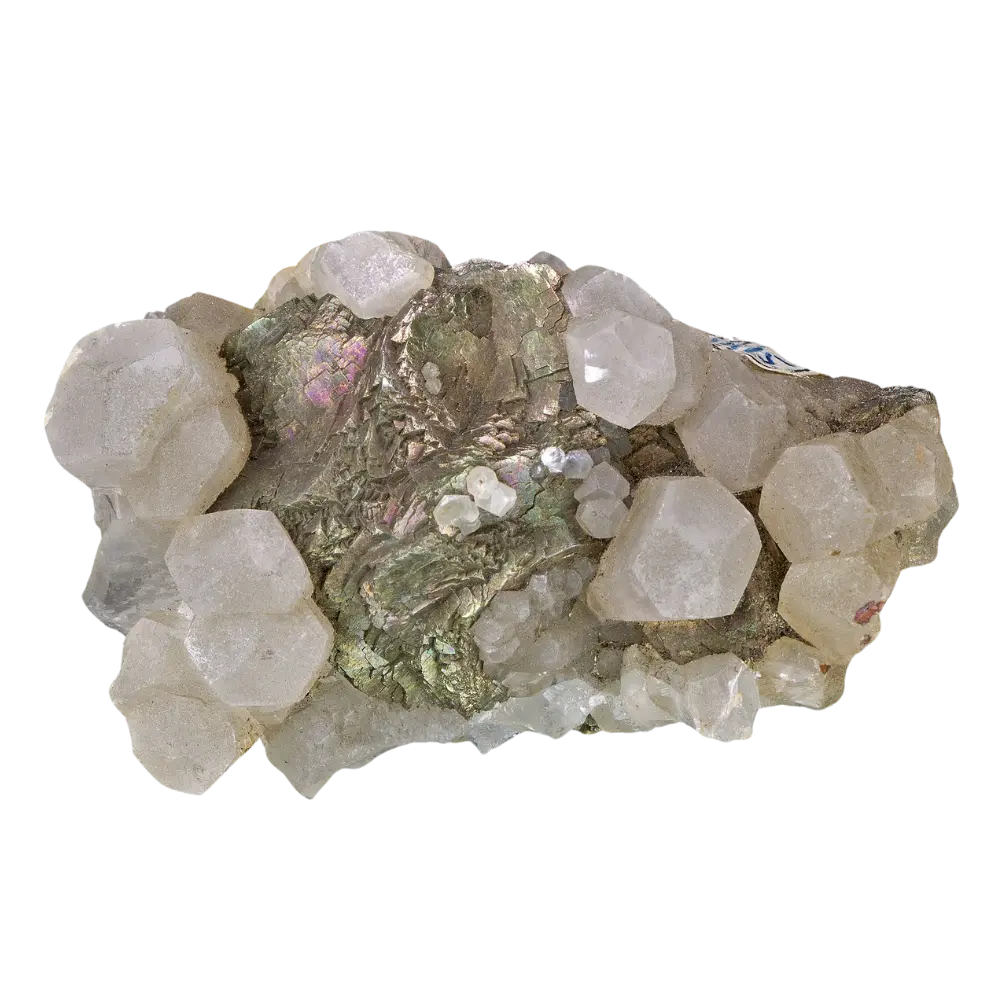
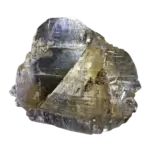
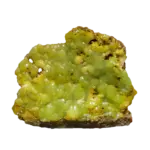
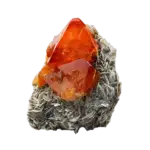
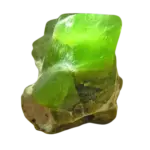
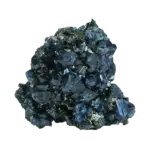
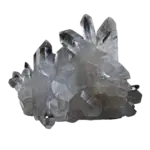
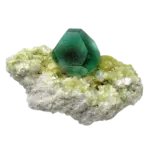
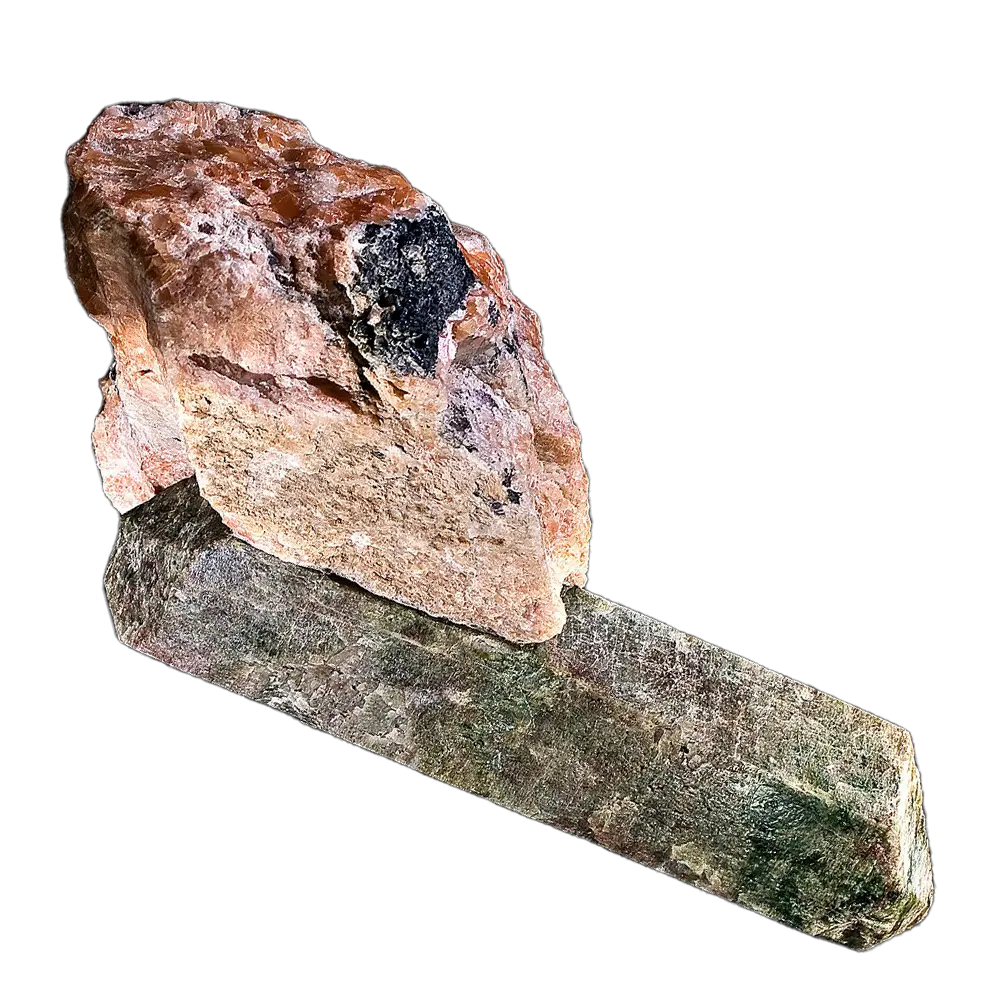
Typical colors: Green, blue, yellow, purple, pink, brown, white, or colorless. Some crystals are transparent enough to be cut as gemstones.
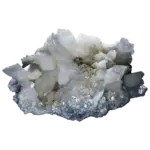
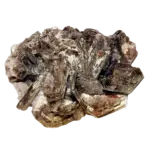
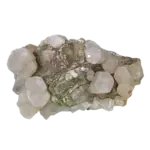
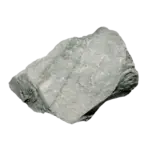
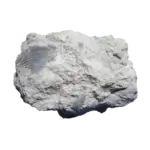
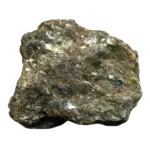
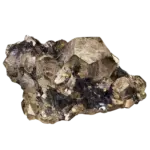
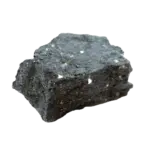
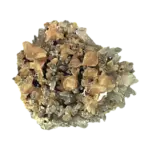
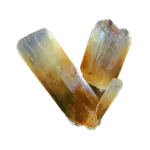
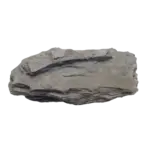
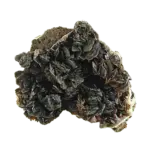
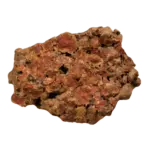
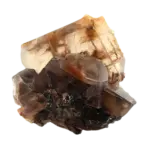
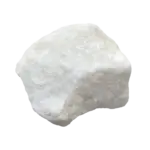
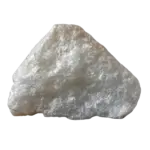
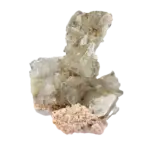
Common forms: Hexagonal prismatic crystals, tabular crystals, granular masses, nodules, and compact phosphate-rich rock.
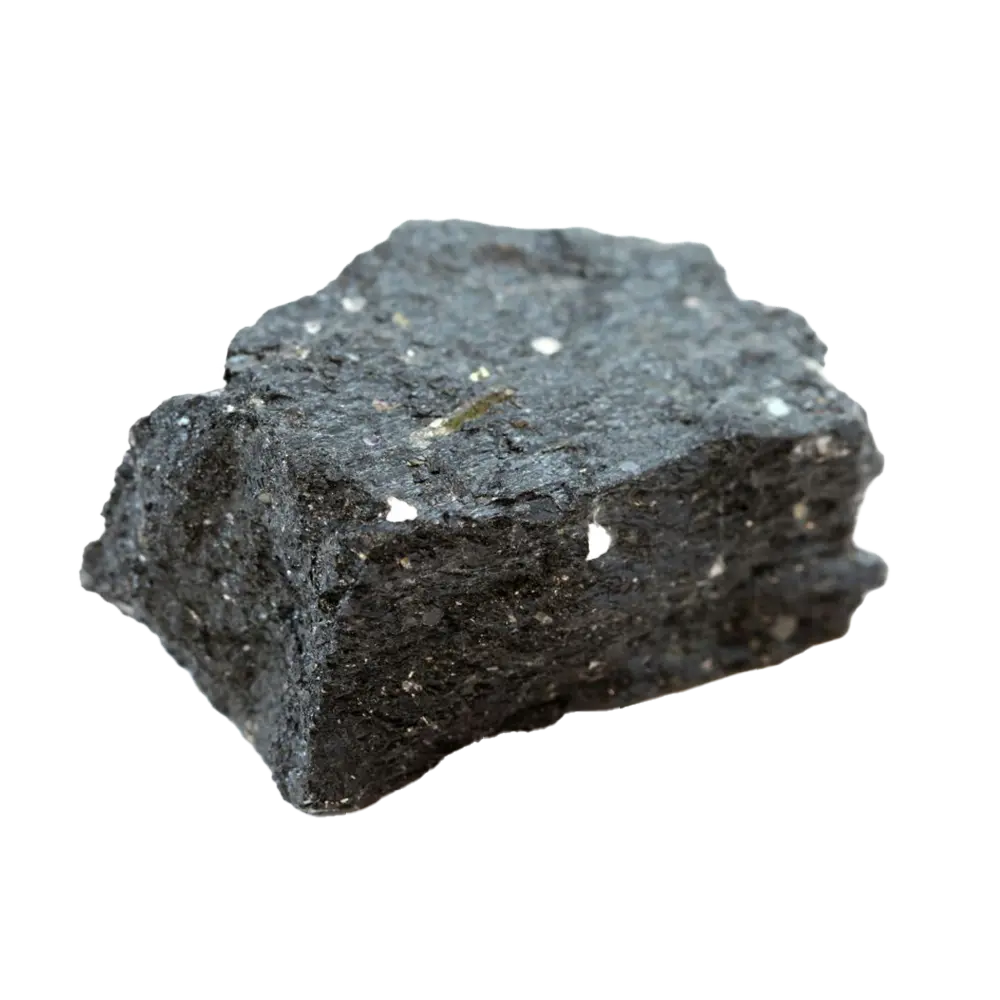
Occurrence: Accessory mineral in many igneous and metamorphic rocks; also important in sedimentary phosphate deposits and phosphate-rich rocks.
Main uses: Source of phosphorus for phosphate fertilizers and phosphoric acid; collector gemstones; geochemical and thermochronological research; closely related calcium phosphate minerals also make up the mineral component of bones and teeth.
What Is Apatite?
Apatite is not just one neat mineral with one fixed composition. In everyday mineral collecting and geology, “apatite” is often used for a group of related calcium phosphate minerals. The best-known members are fluorapatite, hydroxylapatite, and chlorapatite, depending on whether fluorine, hydroxyl, or chlorine dominates a key site in the crystal structure.
This is why the usual formula is written as Ca5(PO4)3(F, Cl, OH). That formula is useful, but it is simplified: real apatite can contain many small substitutions, which is one reason it is so useful to geologists. Because apatite can incorporate trace elements and halogens such as F, Cl, and OH, tiny apatite grains can record information about magma chemistry, fluids, and later thermal history.
The name comes from the Greek word for “to deceive.” That is not just a poetic detail. Apatite can resemble several other minerals, including beryl and other pale or glassy hexagonal crystals, so early mineralogists often confused it with something else.
How Apatite Forms
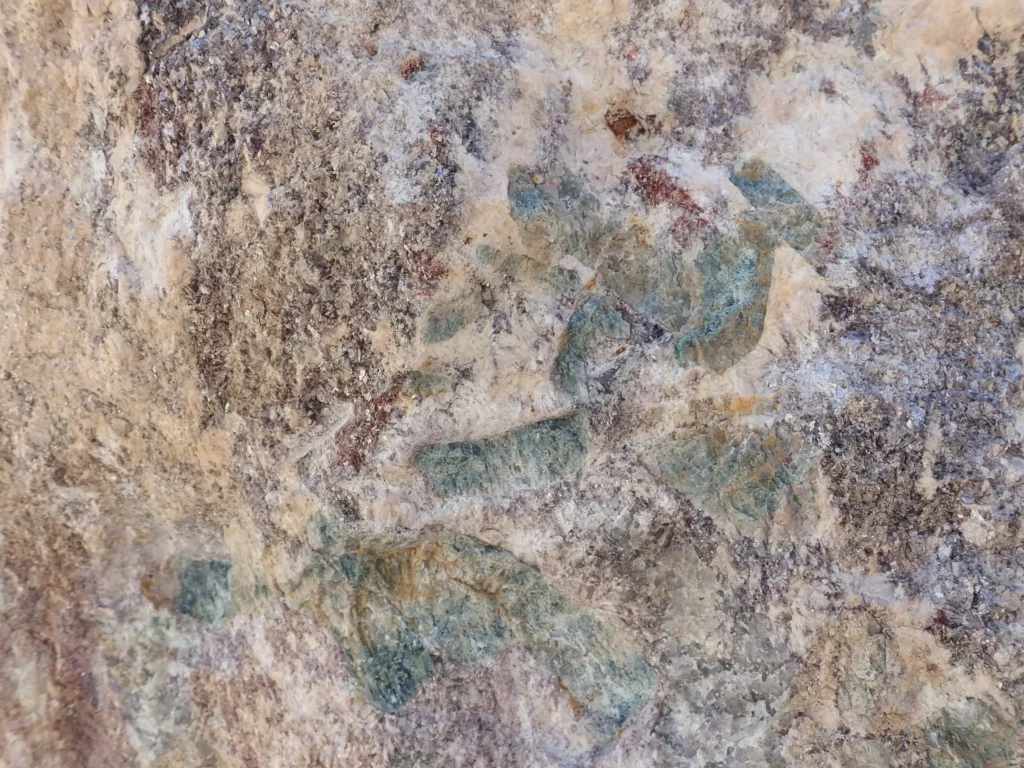
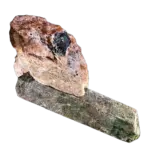
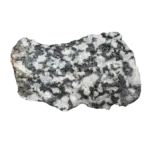
Apatite forms in many geological settings. It is a common accessory mineral in igneous rocks, including granites, syenites, nepheline-rich rocks, carbonatites, and pegmatites. In these rocks, apatite may occur as small crystals scattered through the rock, or as larger crystals in pockets and veins.
It also occurs in metamorphic rocks and hydrothermal veins, where fluids can move phosphorus, calcium, fluorine, chlorine, and rare earth elements through the crust. In sedimentary environments, apatite is especially important because it forms the phosphate minerals found in phosphorite and phosphate rock.
Phosphate rock matters far beyond mineral collections. It is the main geological source of phosphorus used in fertilizers, and phosphorus is an essential nutrient for plants and animals.
Colors and Varieties
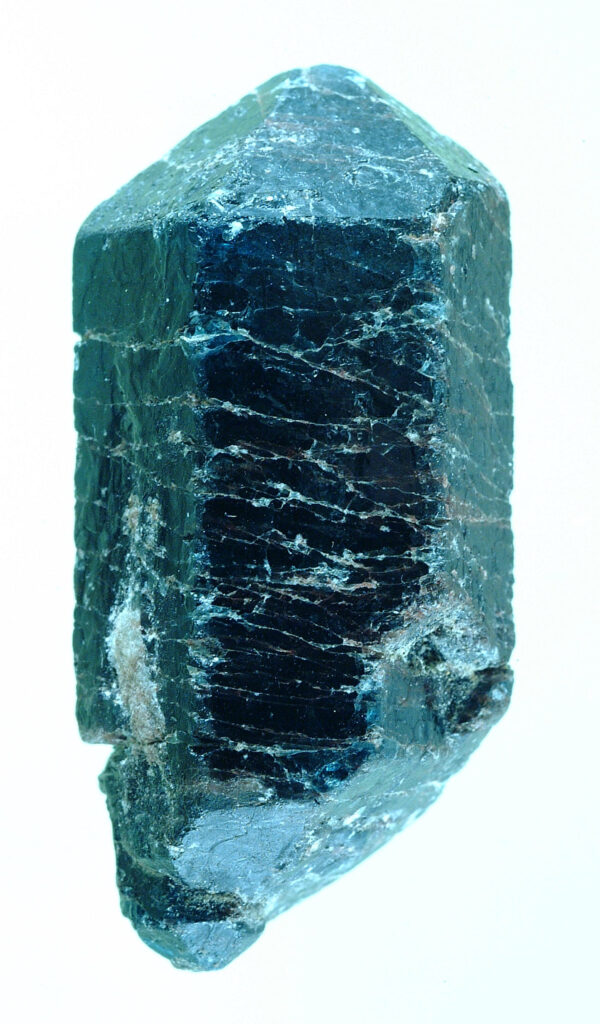
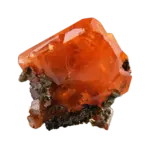
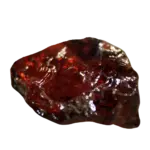
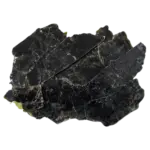
Apatite is famous among collectors because it can look surprisingly vivid for a mineral with such a simple-looking formula. Green is common, but blue, yellow, purple, pink, brown, white, and colorless crystals also occur.
Blue and blue-green apatite can be especially striking, which is why transparent crystals are sometimes cut as gemstones. However, apatite has a Mohs hardness of only 5 and is brittle, so it is not ideal for rings or jewelry that receives daily knocks. It is better suited for pendants, earrings, display gems, or collector specimens.
One older variety name you may see is “asparagus stone.” This refers to a clear asparagus-green gem variety of apatite, not simply to all yellow apatite.
Apatite in Rocks, Fertilizer, and Bones
Few minerals connect so many worlds: igneous rocks, sedimentary phosphate deposits, gemstones, fertilizers, and even vertebrate bones and teeth. In rocks, it may appear only as tiny accessory grains, but those grains can be scientifically valuable. Geologists use apatite in thermochronology and geochemistry because it can record information about cooling history, trace elements, and geological processes.
Economically, apatite-bearing phosphate rock is one of the world’s most important mineral resources. Phosphate rock is processed to make phosphate fertilizers and industrial phosphate products. That makes apatite-bearing phosphate rock one of the mineral links between geology and food production.
Apatite also has a biological side. The mineral material in bones and teeth is closely related to hydroxylapatite, a calcium phosphate mineral in the apatite group. In other words, apatite is not only a rock-forming and ore mineral; related calcium phosphate minerals are part of the hard tissue framework of vertebrate bodies.
Where Is Apatite Found?
Apatite occurs worldwide. Collector-quality crystals are known from many classic localities, including Brazil, Mexico, Pakistan, Norway, Russia, Canada, and the United States. Economically important phosphate rock is a different story: it is mined where apatite-rich sedimentary or igneous phosphate deposits are large enough to work commercially.
Some localities are famous for attractive collector crystals, while others are important because they contain phosphate rock mined for fertilizer production. That difference matters: gem apatite and industrial phosphate rock are connected by chemistry, but they are not usually mined for the same reason.
How to Identify Apatite
Apatite commonly forms hexagonal crystals and has a hardness of 5, which places it between fluorite and orthoclase on the Mohs scale. It may look glassy, colorful, and gemmy, but it can be scratched by harder common minerals such as quartz.
In hand specimen, apatite can be confused with minerals such as beryl, quartz, fluorite, or tourmaline, depending on its color and crystal habit. Its moderate hardness, hexagonal crystal shape, vitreous luster, and geological context are usually more helpful than color alone.