











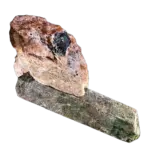
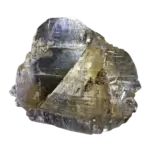

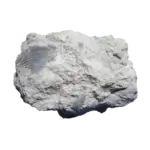
In geology, accretion refers to the process by which material is added to a tectonic plate at convergent boundaries. This material can include sediment, volcanic arcs, and other fragments of crust that are scraped off a subducting plate and attached to the overriding plate, forming an accretionary wedge. Accretion plays a significant role in the growth of continental crust and the formation of mountain ranges.
Reference: Ballard, Robert D. (1988). Exploring our living planet. National Geographic Book Service., National Geographic Society (U.S.) (Rev. ed.). Washington, D.C.: National Geographic Society. ISBN 0-87044-760-2. OCLC 18325626