Topic
Petrology
Petrology is the study of rocks: their composition, texture and structure, and the conditions under which igneous, sedimentary and metamorphic rocks form.
- Essays
- 6
- Films
- 1
- Key terms
- 12
- Specimens
- 6
- Newest
What is petrology?
Petrology is the study of rocks: their composition, texture and structure, where they occur, and the conditions of temperature, pressure and chemistry under which they formed. Every rock belongs to one of three families. Igneous rocks crystallize from molten rock, sedimentary rocks form from particles or chemicals deposited at the surface, and metamorphic rocks form when existing rocks are changed by heat and pressure (metamorphism). The rock cycle links the three.
Petrologists work in the field and at the microscope. A slice of rock ground to 30 micrometers, a thin section, lets light through and shows which minerals are present and how they grew. From that, a rock becomes a record: how deep a granite crystallized, how hot a schist got, in what setting a sandstone was laid down.
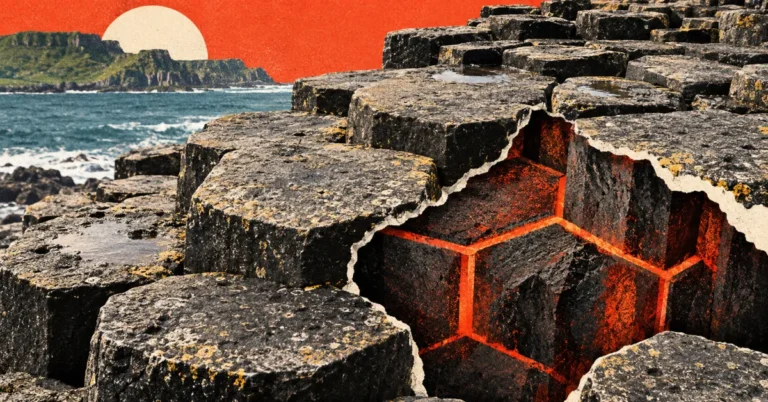
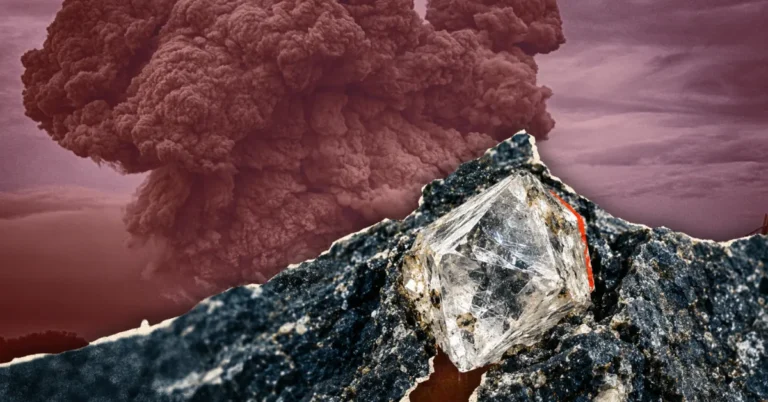
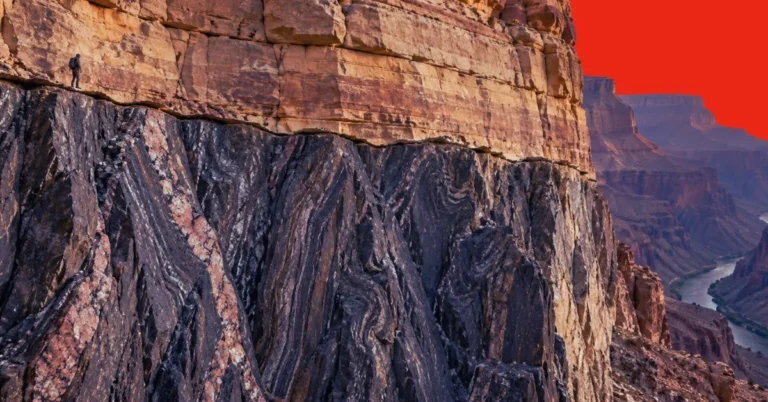
Start with why lava cracks into hexagons, then how diamonds reach the surface in explosive eruptions and the Great Unconformity, where a billion years of Earth history went missing. The atlas has pages for the common rocks of each family, and the rock-cycle filter in the rock atlas sorts them.
Sources (3 entries)
start.here

01 12 min read
Why Lava Cracks Into Hexagons: Columnar Basalt Explained
Why does lava crack into hexagons? As a thick lava flow cools and shrinks, it splits into columns, as at the Giant’s Causeway. Columnar jointing…
02 29 min read
How Diamonds Reach Earth in Explosive Eruptions
Diamonds form deep inside Earth and reach the surface in rare, violent kimberlite eruptions called diamond rockets. How that journey from the mantle…
03 21 min read
The Great Unconformity: How a Billion Years of Earth’s History Went Missing
New thermochronology research links the Great Unconformity to supercontinent tectonics, not global glaciation, reshaping Earth’s missing billion…
key.concepts
Rock Cycle
The rock cycle is a conceptual model describing the transformation of rocks through various geological processes, including the formation of igneous…
Igneous Rock
Igneous rock is formed through the cooling and solidification of magma or lava.
Extrusive Rock
Extrusive rock, or volcanic rock, forms from magma that erupts onto the Earth's surface and cools rapidly, resulting in fine-grained textures.
Batholith
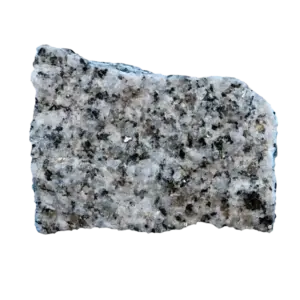
A batholith is a large mass of intrusive igneous rock, typically granite, that has crystallized from magma deep within the Earth's crust.
Magmatic Differentiation
Magmatic differentiation is the process by which a single magma evolves into multiple different types of igneous rocks through mechanisms such as…
Sedimentary Rock
Sedimentary rock is formed by the accumulation and lithification of sediments, which can be derived from the weathering and erosion of pre-existing…
Clastic Rock
Clastic rocks are sedimentary rocks composed of fragments, or clasts, of pre-existing minerals and rocks.
Lithification
Lithification is the process by which sediments are compacted and cemented to form solid sedimentary rock.
Metamorphism
Metamorphism is the process by which rocks undergo physical and chemical changes due to variations in temperature, pressure, and the presence of…
Metamorphic Grade
Metamorphic grade refers to the degree of metamorphism that a rock has undergone, typically indicated by the presence of specific mineral assemblages…
Metamorphic Facies
Metamorphic facies are groups of mineral assemblages that form under similar pressures and temperatures during metamorphism.
Xenolith
A xenolith is a fragment of rock that is enclosed within a larger body of igneous rock, typically carried to the surface by volcanic eruptions.
rock.specimens
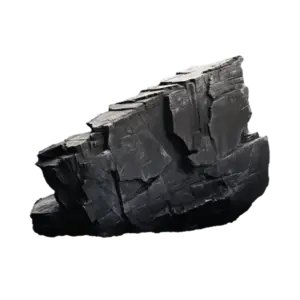
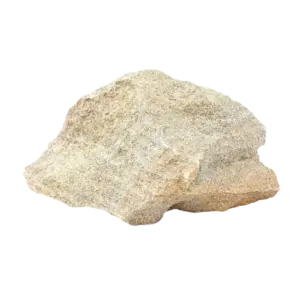
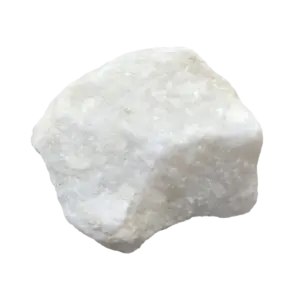
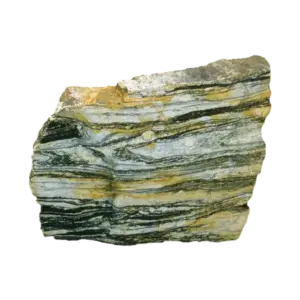
all.essays
The Geologic Time Scale, Explained: Eons, Eras, Periods, etc.
The geologic time scale divides Earth’s 4.54-billion-year history into eons, eras and periods. How rocks record it, from Siccar Point to the Holocene.
· 30 min read
Geology, Explained: How Earth Works, from Rocks to Deep Time
Geology reads rocks, layers and landscapes to reveal Earth’s deep history. An introduction to how the planet works, its processes and its dramatic…
· 25 min read
The Ocean Inside the Earth: Water in the Mantle
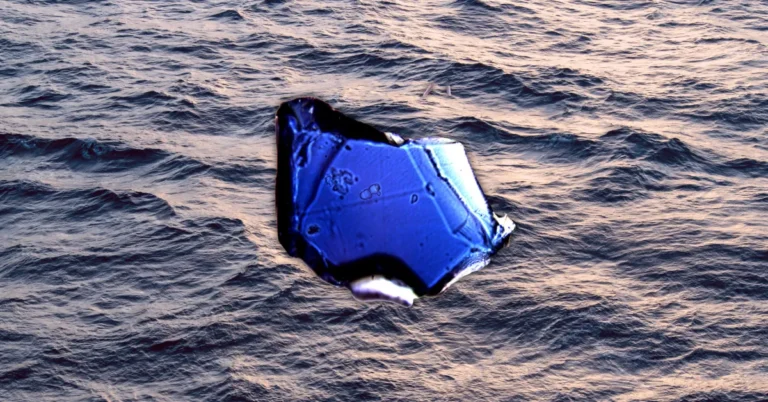
A $20 diamond from Brazil carried the first terrestrial ringwoodite, and evidence of oceans' worth of water locked in Earth's mantle transition zone.
· 18 min read
How Diamonds Reach Earth in Explosive Eruptions
Diamonds form deep inside Earth and reach the surface in rare, violent kimberlite eruptions called diamond rockets. How that journey from the mantle…
· 29 min read
Why Lava Cracks Into Hexagons: Columnar Basalt Explained
Why does lava crack into hexagons? As a thick lava flow cools and shrinks, it splits into columns, as at the Giant’s Causeway. Columnar jointing…
· 12 min read
The Great Unconformity: How a Billion Years of Earth’s History Went Missing
New thermochronology research links the Great Unconformity to supercontinent tectonics, not global glaciation, reshaping Earth’s missing billion…
· 21 min read
common.questions
What is petrology?
The branch of geology that studies rocks: their minerals, composition, texture and structure, and the conditions under which they form. Its three main branches are igneous, sedimentary and metamorphic petrology.
What are the three types of rock?
Igneous rocks crystallize from molten rock, like granite and basalt. Sedimentary rocks are deposited and cemented at the surface, like sandstone and limestone. Metamorphic rocks are changed by heat and pressure, like marble and gneiss.
How does the rock cycle work?
Any rock can become any other. Magma cools into igneous rock; rocks at the surface weather and erode into sediment that becomes sedimentary rock; burial, heat and pressure make rocks metamorphic; and deep enough, rock melts into magma again. Plate tectonics keeps the cycle turning.
What is the difference between petrology and mineralogy?
Mineralogy studies individual minerals. Petrology studies rocks, which are assemblages of minerals, and what those assemblages reveal about how and where a rock formed.
other.topics
Geochemistry
15 essays · 2 films
Geohazards
18 essays · 1 film
Geomorphology
21 essays · 2 films
Geophysics
25 essays · 2 films
Glaciology
4 essays · 1 film
Mineralogy
14 essays
Paleontology
7 essays
Volcanology
13 essays · 1 film