



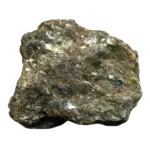


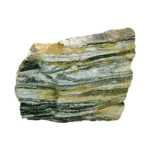























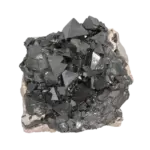


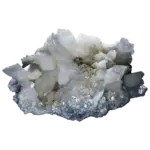
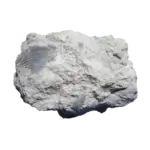










Alkaline igneous rocks are a category of igneous rocks that contain higher concentrations of alkali metals (sodium and potassium) relative to silica. These rocks often form in tectonic settings such as continental rifts or hotspots. Examples include nepheline syenite and phonolite. Alkaline rocks are important for understanding mantle processes and the evolution of magmas in extensional tectonic environments.
Reference: https://www.sciencedirect.com/topics/earth-and-planetary-sciences/alkaline-rock