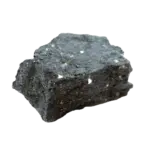



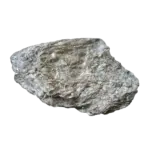
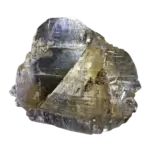

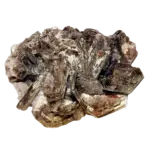
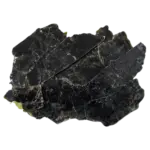
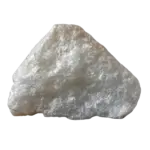
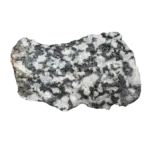


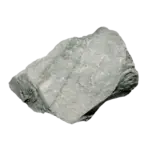

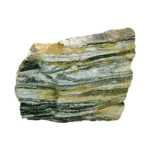
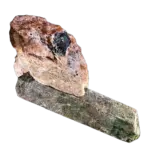
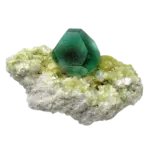
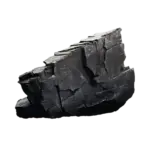
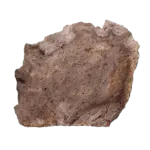




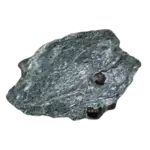

Basaltic lava flows are formed from the eruption of basalt, a type of mafic igneous rock that is low in silica and has a high fluidity. These flows can spread over large areas due to their low viscosity and can form different structures such as pahoehoe (smooth, ropy surface) or ‘a’a (rough, jagged surface). Basaltic lava flows are key in understanding volcanic processes, especially in the context of shield volcanoes and mid-ocean ridges.
Reference: Macdonald, G. A. (1953). “Pahoehoe, Aa, and Block Lava.” American Journal of Science, 251(3), 169-191.