

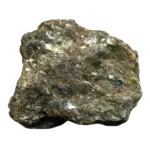
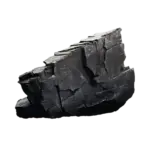
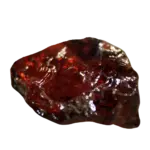
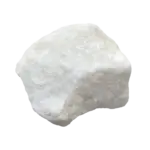
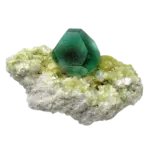
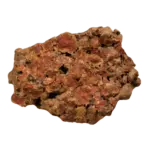
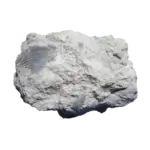
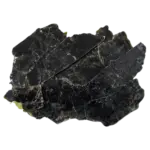
The Bouma sequence is a characteristic set of sedimentary structures found in turbidite deposits, consisting of five distinct layers representing different flow regimes. It is used to interpret depositional environments in deep marine settings, particularly in the context of submarine fan systems and sediment gravity flows.
Reference: Bouma, A. H. (1962). Sedimentology of Some Flysch Deposits: A Graphic Approach to Facies Interpretation. Elsevier.