



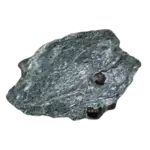
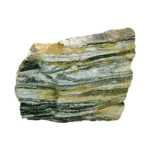
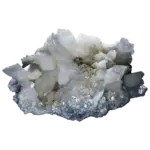
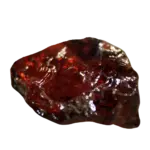




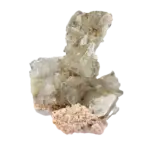
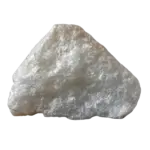
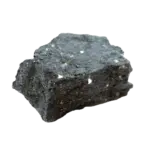
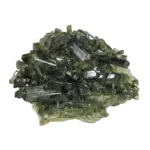
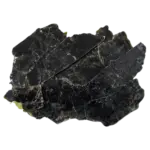
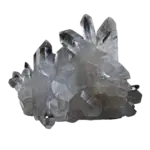
Chelation in geology refers to the process by which metal ions are bound to organic molecules, forming stable, water-soluble complexes. This process plays a critical role in soil chemistry, the mobility of metals in the environment, and the formation of ore deposits. Chelation is important in understanding biogeochemical cycles and the behavior of trace elements in soils and sediments.
Reference: Sposito, G. (1989). The Chemistry of Soils. Oxford University Press.