
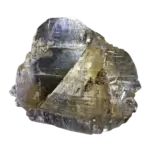
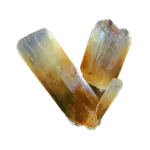
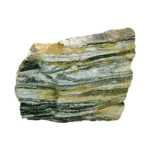
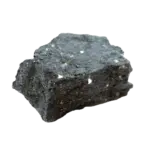
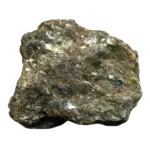
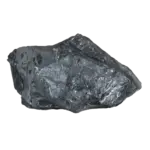
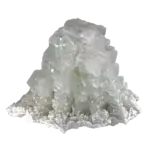
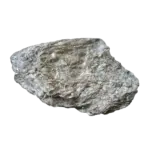
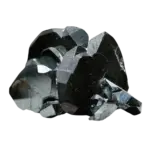


Clathrates, or gas hydrates, are crystalline structures where gas molecules, typically methane, are trapped within a lattice of water ice. They are found in permafrost regions and beneath the ocean floor. Clathrates are significant in studies of climate change, as they represent a potential source of methane, a potent greenhouse gas, which could be released if the clathrates destabilize due to warming temperatures.
Reference: Sloan, E. D., & Koh, C. A. (2008). Clathrate Hydrates of Natural Gases. CRC Press.