








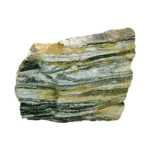

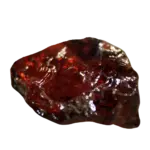
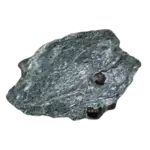



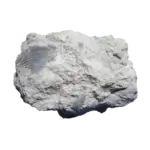




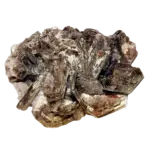

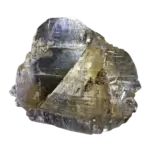

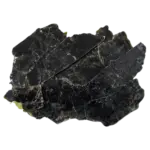
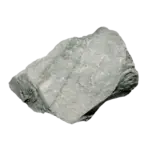

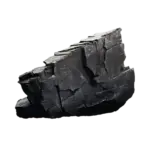
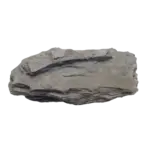
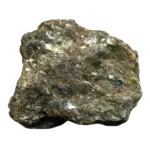
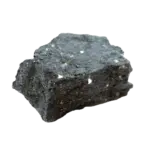
A craton is a large, stable block of the Earth’s crust that forms the ancient, central core of a continent. Cratons are composed of Precambrian rocks that have remained relatively undisturbed by tectonic activity for billions of years. They are significant in the study of geology as they represent the oldest and most stable parts of the Earth’s lithosphere, providing insights into the early history of the planet.
Reference: Bleeker, W. (2003). “The Late Archean Record: A Puzzle in ca. 35 Pieces.” Lithos, 71(2-4), 99-134.