


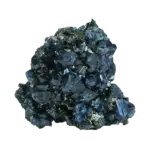
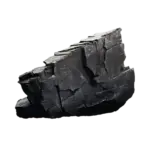
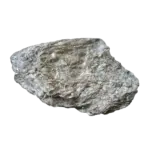

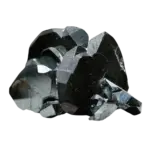

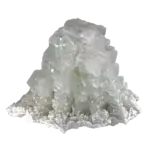

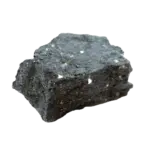
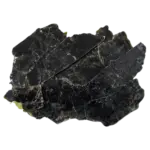
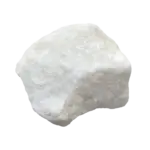
Cryoconite is a dark, granular material found on glacier surfaces, composed of dust, soot, and other fine debris, often mixed with microbial communities. It absorbs solar radiation, leading to localized melting of the ice and the formation of small depressions called cryoconite holes. Cryoconite is important in the study of glacial environments, as it influences the albedo and melting rates of glaciers.
Reference: Hodson, A. J., Anesio, A. M., Ng, F., Watson, R., Quirk, J., Irvine-Fynn, T., & Sattler, B. (2007). “A Glacier Respires: Quantifying the Distribution and Respiration of Cryoconite Across an Entire Arctic Supraglacial Ecosystem.” Journal of Geophysical Research: Biogeosciences, 112(G4).