
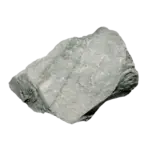




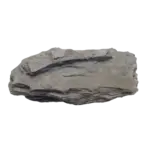

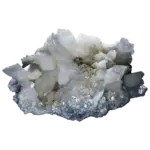


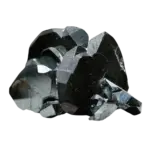
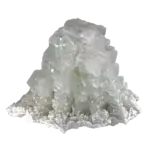

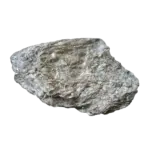
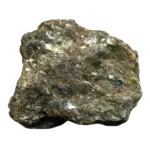





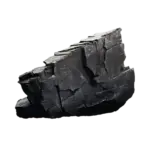

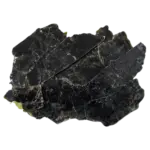
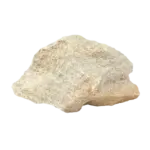
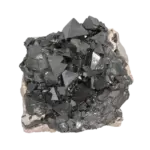



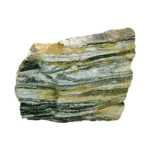





Deposition is the geological process by which sediments, soil, and rocks are added to a landform or landmass. This occurs when the forces transporting the particles, such as water, wind, or ice, lose energy and drop the material. Deposition is fundamental in the formation of sedimentary rocks, the creation of landforms like deltas and beaches, and the development of stratigraphic layers.
Reference: Boggs, S. (2011). “Principles of Sedimentology and Stratigraphy.” Pearson.