



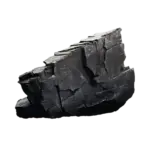



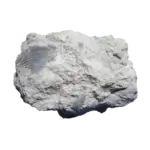
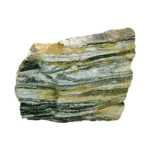



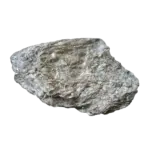
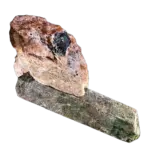




















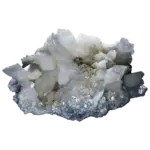




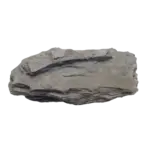





A dike is a sheet-like intrusion of igneous rock that cuts through pre-existing rock layers, typically formed when magma intrudes into cracks and solidifies. Dikes can vary in width and length, and they often form in regions of tectonic activity. They are important for understanding the plumbing systems of volcanoes, the direction of past tectonic stresses, and the emplacement of magma within the Earth’s crust.
Reference: Pollard, D. D., & Johnson, A. M. (1973). “Mechanics of Growth of Some Laccolithic Intrusions in the Henry Mountains, Utah, II: Bending and Failure of Overburden Layers and Sill Formation.” Tectonophysics, 18(3-4), 311-354.