
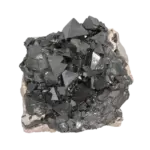


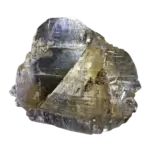
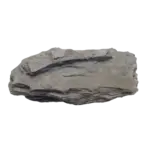
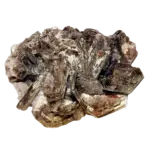

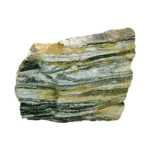


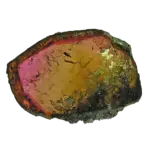
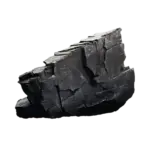


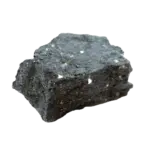

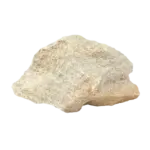
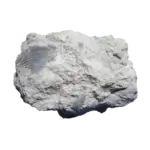








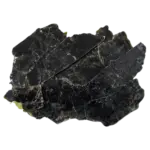

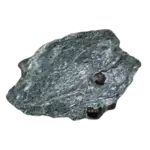



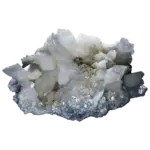

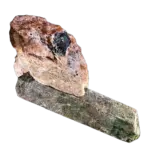

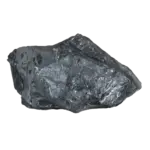

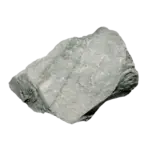



Exhumation in geology refers to the process by which rocks that were once buried deep within the Earth’s crust are brought to the surface through erosion, tectonic uplift, or other geological processes. This process is crucial for exposing deep-seated rocks, such as those formed under high pressure and temperature conditions, and for understanding the tectonic history of a region.
Reference: Ring, U., Brandon, M. T., Willett, S. D., & Lister, G. S. (1999). “Exhumation Processes: Normal Faulting, Ductile Flow and Erosion.” Geological Society, London, Special Publications, 154(1), 1-27.