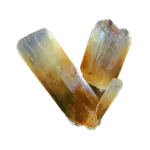
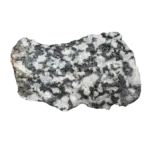
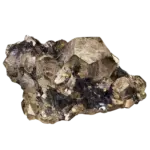
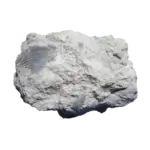

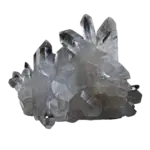
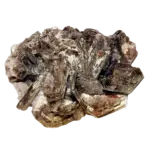
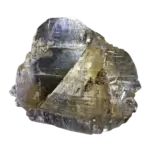
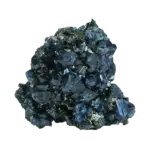
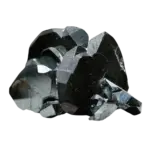
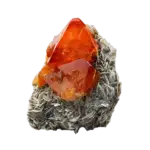
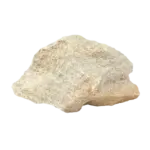
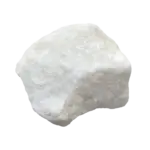
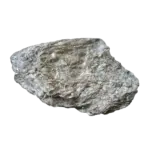
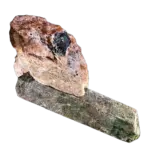

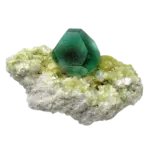
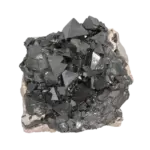
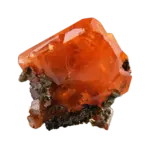
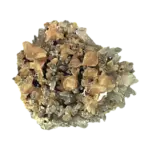

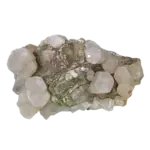
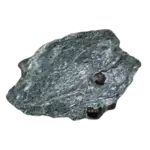

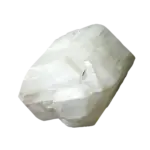
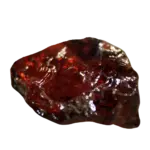
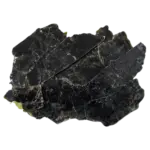

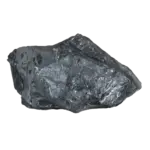
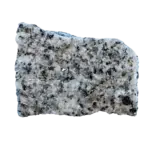
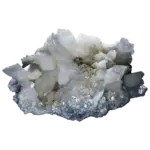
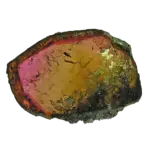
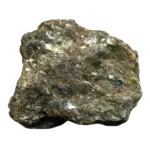
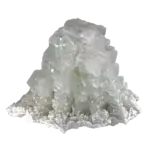
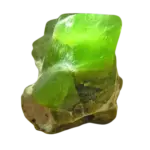
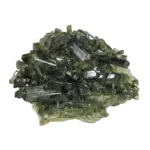

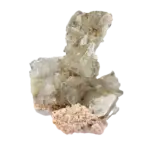
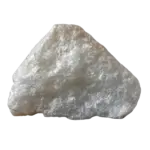

Fluorescence in geology refers to the emission of visible light by minerals when they are exposed to ultraviolet (UV) light. Certain minerals, such as fluorite and calcite, exhibit fluorescence due to impurities or structural defects. Fluorescence is used in mineral identification and in studying the properties of rocks and minerals.
Reference: Robbins, M. (1994). Fluorescence: Gems and Minerals Under Ultraviolet Light. Geoscience Press.