






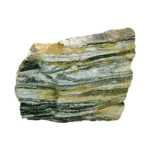
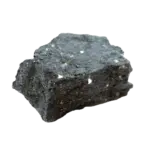
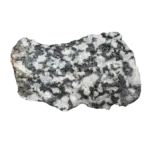
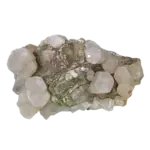







A geosyncline is a large-scale depression in the Earth’s crust that fills with thick sequences of sedimentary and volcanic rocks, often associated with the early stages of mountain building. Geosynclines were once a central concept in geology, but they have been largely replaced by the modern theory of plate tectonics. However, they remain important in the historical study of tectonic processes and sedimentary basin evolution.
Reference: Dewey, J. F., & Bird, J. M. (1970). Mountain Belts and the New Global Tectonics. Journal of Geophysical Research.