
























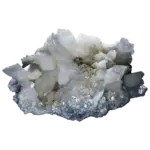



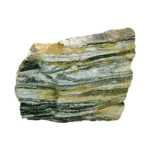
















Igneous rock is formed through the cooling and solidification of magma or lava. It is classified into two main types: intrusive (plutonic), which cools slowly beneath the Earth’s surface, and extrusive (volcanic), which cools rapidly at the surface. Igneous rocks are significant in understanding the processes of magmatism, the formation of the Earth’s crust, and tectonic activity.
Reference: Best, M. G. (2003). Igneous and Metamorphic Petrology. Wiley-Blackwell.