



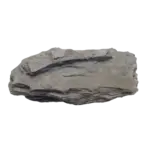
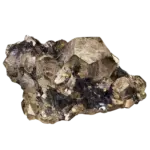
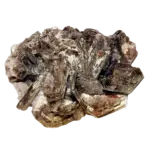
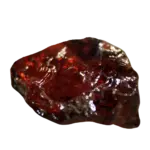
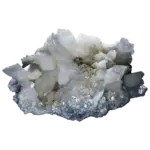


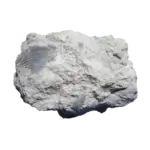
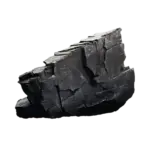
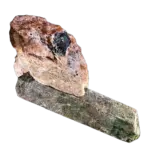
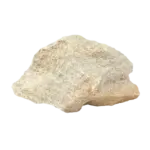
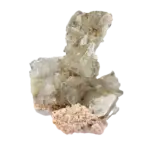
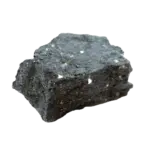
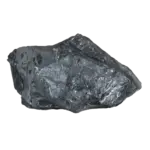

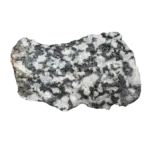





A resistivity survey is a geophysical method used to measure the electrical resistance of subsurface materials, helping to identify variations in rock types, groundwater, and mineral deposits. This method is important for exploration geophysics, environmental studies, and engineering applications.
Reference: Telford, W. M., Geldart, L. P., & Sheriff, R. E. (1990). “Applied Geophysics.” Cambridge University Press.