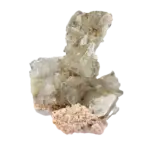
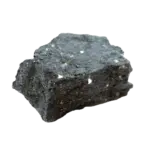
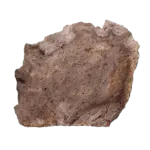
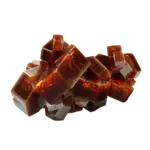
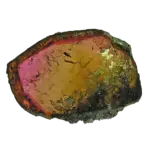
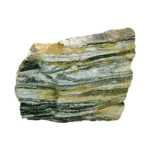

A varve is a pair of sedimentary layers deposited annually, consisting of a light-colored layer of coarse particles deposited in the summer and a dark-colored layer of fine particles in the winter. Varves are significant in paleoclimatology and geology for studying past environmental conditions, dating sedimentary sequences, and reconstructing historical climate change.
Reference: Ojala, A. E. K. (2001). “Varved Lake Sediments in Southern and Central Finland: Long Climate Records and Holocene Palaeoenvironmental History.” Boreal Environment Research, 6, 25-47.