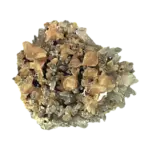
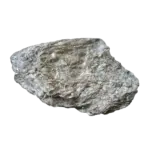
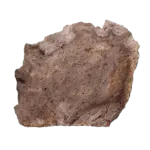
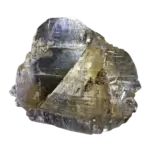
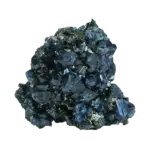
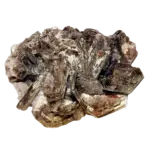
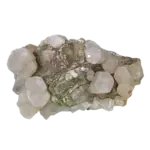
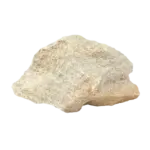
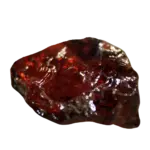
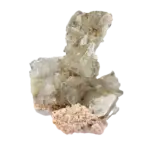
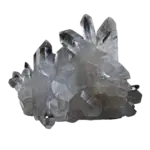
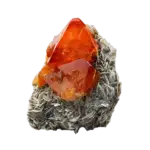

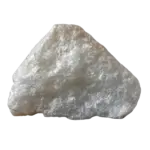
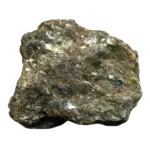
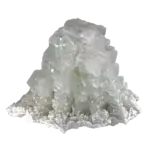
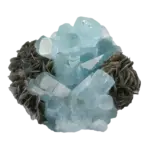
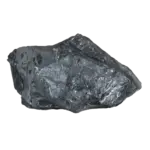
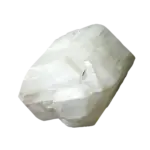
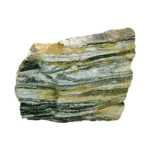
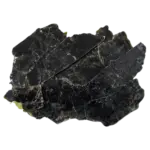
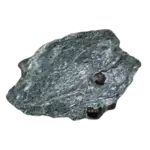
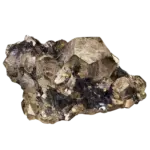
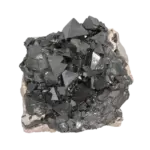
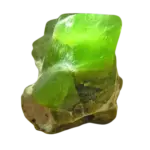
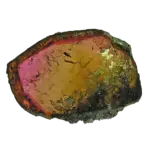
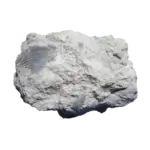

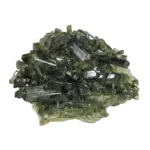
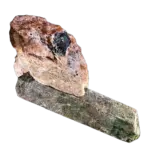
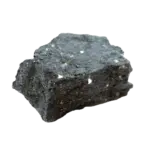
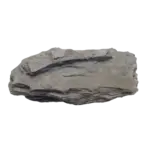

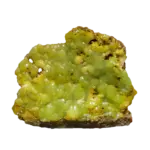
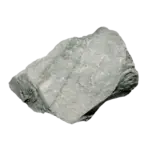
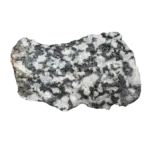
A vesicle is a small cavity within volcanic rock, formed by the expansion of gas bubbles during the solidification of lava. Vesicles are significant in petrology for understanding the volatile content of magmas, the degassing processes during eruptions, and the texture of volcanic rocks.
Reference: Cashman, K. V., & Mangan, M. T. (1994). “Physical Aspects of Magmatic Degassing II. Vesiculation and Microlite Formation in Ascending Magma.” Geological Society, London, Special Publications, 110(1), 259-278.