




Earth’s Magnetic Field and Reversals Explained

Pascal 

Introduction

The Earth’s magnetic field, also known as the geomagnetic field, is a fascinating and complex natural phenomenon that not only guides compasses but also protects our planet from harmful solar radiation. This field undergoes periodic reversals, where the magnetic north and south poles switch places. Understanding these reversals requires a deep dive into geophysics.

The Nature of Earth’s Magnetic Field

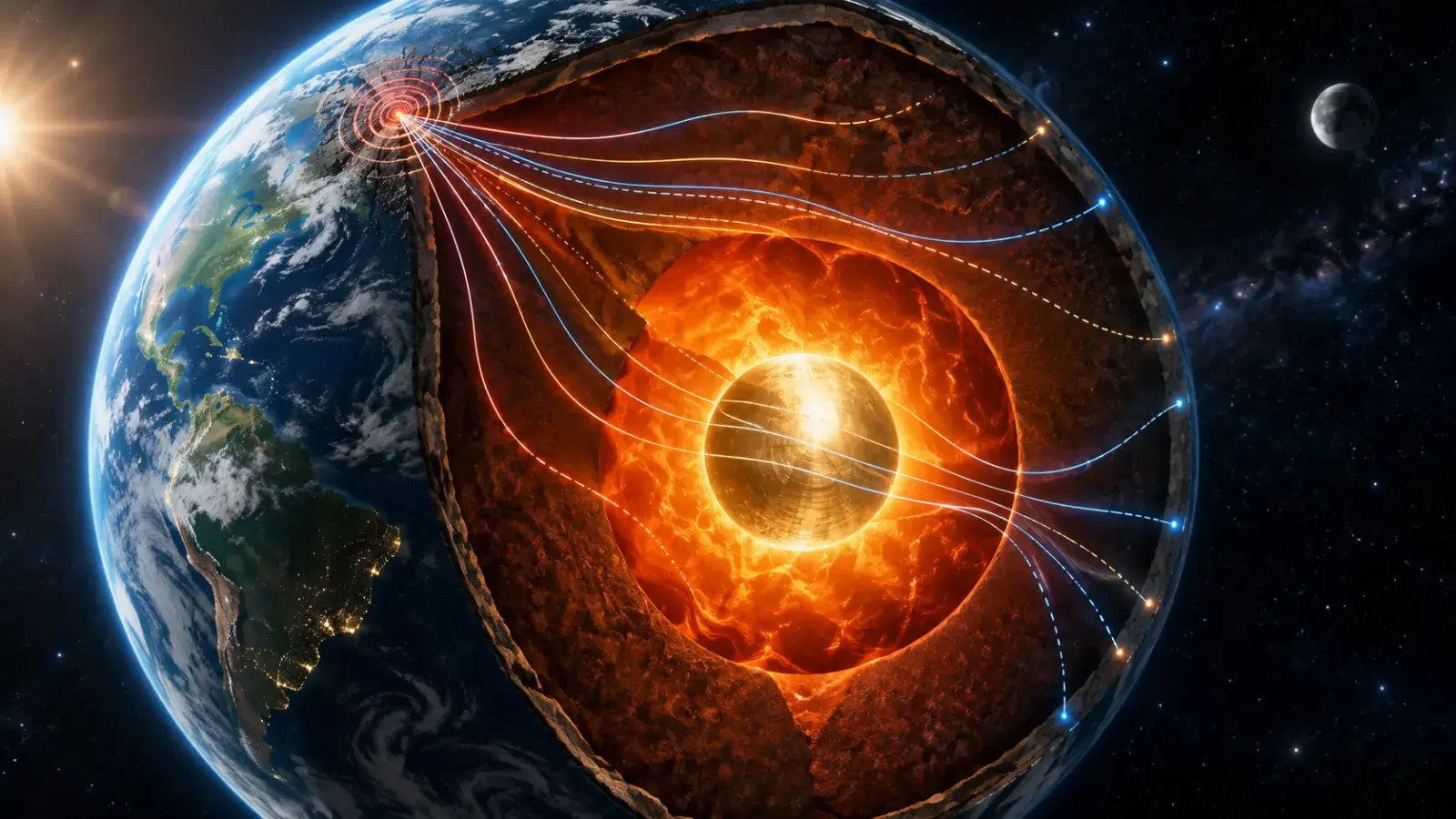
The Earth’s magnetic field resembles the field produced by a giant bar magnet tilted about 11 degrees from the spin axis. This field is generated by the dynamo effect in the Earth’s outer core, a layer of molten iron and nickel. As the planet rotates, these conductive fluids move, creating electric currents, which in turn produce magnetic fields. Through a self-sustaining process, these magnetic fields feed the dynamo action that sustains the overall geomagnetic field.


Magnetic Field Reversals: The Phenomenon

Magnetic field reversals are not instantaneous but occur over thousands of years. They are random and irregular, varying in frequency and duration throughout Earth’s history. During a reversal, the strength of the magnetic field weakens, potentially dropping to 10% of its normal intensity. This reduction in field strength occurs because the magnetic poles begin to wander, and the usual polarity of the field becomes disorganized until it eventually reestablishes itself in the opposite orientation.


Scientific Understanding of Reversals

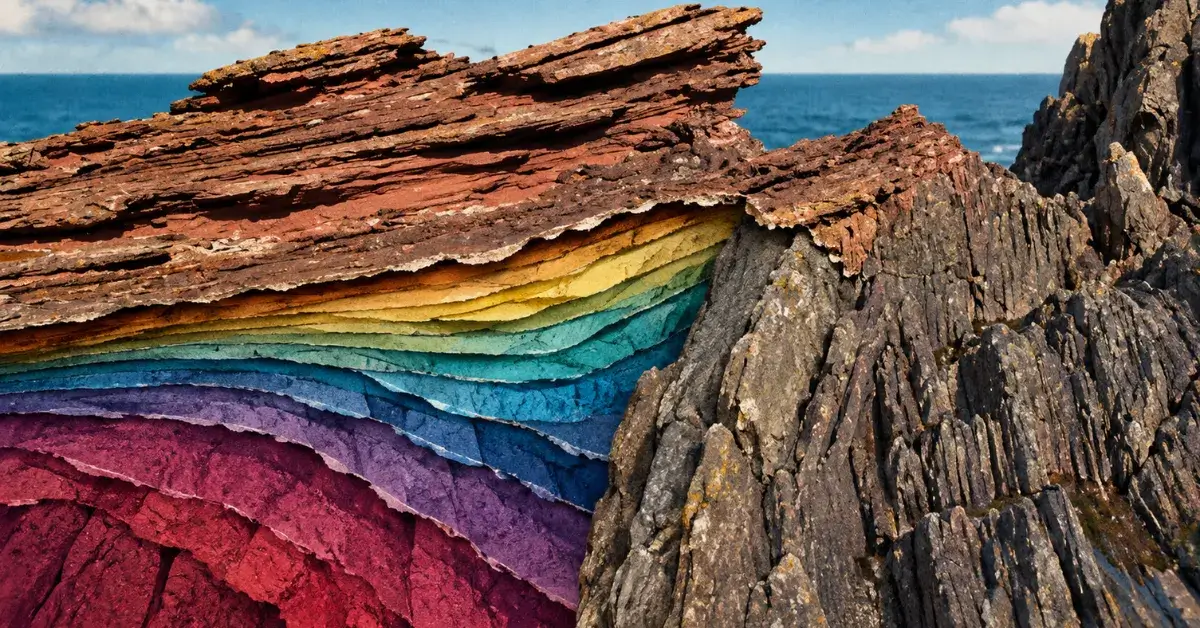
The evidence for magnetic field reversals comes from several geological sources, most notably from the ocean floors. As magma at mid-ocean ridges cools and solidifies, iron-rich minerals within align themselves with the current direction of Earth’s magnetic field. These minerals form stripes on the seafloor, symmetrically arranged on either side of the ridges, capturing a “tape recording” of magnetic field reversals.

Implications and Effects

While the process of a magnetic reversal is slow, its implications for Earth’s environment could be significant. The reduction in magnetic field strength during a reversal could increase the planet’s vulnerability to solar winds and cosmic radiation, which could affect satellite and communication technologies. However, there is no evidence to suggest that magnetic field reversals cause mass extinctions or catastrophic environmental changes.
Share

More Articles

View All

Pascal Author

  • Paleontology
  • Petrology

Pascal Author

  • Geohazards

Pascal Author

  • Volcanology
Rough translucent white talc mineral specimen

Talc

Talc, the softest mineral, is used in baby powder, cosmetics, ceramics, and plastics.

Read more
Pink mineral crystal resting on a green stone prism (apatite)

Apatite

Apatite is a calcium phosphate mineral found in various colors, primarily used in fertilizers.

Read more
Cluster of translucent brown and amber mineral crystals (calcite)

Feldspar

Feldspar is an aluminum silicate used in ceramics, glass, and construction.

Read more
Greenish metamorphic rock with embedded reddish garnet crystals

Chlorite

Chlorite, a green phyllosilicate mineral, is used as a geological indicator and industrial filler.

Read more
Blue beryl crystals with dark gray barite rosettes

Beryl

Beryl is a gemstone mineral, including emerald and aquamarine, and a source of beryllium.

Read more
Dark red zircon crystal on pale mineral matrix

Zircon

Zircon is a durable mineral used in jewelry, geological dating, and ceramics.

Read more
White kernite crystal mineral cluster

Kernite

Kernite is a boron-rich mineral used in glassmaking, detergents, and ceramics.

Read more
Gray-green foliated metamorphic rock specimen (shist rock sample)

Schist

Schist, a layered metamorphic rock rich in mica and quartz, is often used in construction.

Read more
Dark blue crystal mineral cluster (scorodite specimen)

Scorodite

Scorodite, a hydrated iron arsenate, is valued for arsenic containment and as a collector’s mineral.

Read more
Transparent barite crystal cluster on pink mineral matrix

Barite

Barite is a barium sulfate mineral used in drilling, shielding, and paints.

Read more
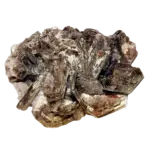
Cluster of shiny brown layered mica crystals on black background

Mica

Mica is a group of silicate minerals with varying compositions mainly in insulation and electronics.

Read more
Vivid green translucent mineral olivine crystal on rock matrix

Olivine

Olivine, a magnesium iron silicate, is used in gemstones (peridot) and refractory materials.

Read more
Bright orange wulfenite crystal cluster on dark mineral matrix

Wulfenite

Wulfenite is a bright orange or yellow mineral, prized by collectors.

Read more
Layered gray shale rock specimen on white background

Shale

Shale, a fine-grained sedimentary rock, is used for natural gas, cement, and research.

Read more
Rough brown swirled stone slab sample

Rhyolite

Rhyolite, a silica-rich volcanic rock, is used in construction and research.

Read more
White crystalline mineral rock specimen (marble specimen)

Marble

Marble, a calcium carbonate metamorphic rock, is used in sculpture, architecture, and countertops.

Read more
Green fluorite crystal on yellow mineral matrix

Fluorite

Fluorite, a colorful calcium fluoride, is used as flux in steelmaking, glass, and as gemstones.

Read more
Dark bladed mineral crystal cluster on rocky matrix (Descloizite mineral)

Descloizite

Descloizite is a lead-zinc vanadate mineral, mainly found in Namibia and Mexico.

Read more
Polished watermelon tourmaline slice with pink, yellow, and green bands

Tourmaline

Tourmaline is a colorful boron silicate mineral used as a gemstone and in electronics.

Read more
Rough gray-green rock specimen on white background (quarzite)

Quartzite

Quartzite, a durable metamorphic rock made of quartz, is used in construction and countertops.

Read more
Cluster of dark metallic hematite crystals

Hematite

Hematite is an iron oxide mineral used for iron ore, pigments, and radiation shielding.

Read more
Brassy metallic crystal cluster with dark needle-like mineral inclusions (pyrite)

Galena

Galena is the main ore of lead and silver, used in batteries and shielding.

Read more
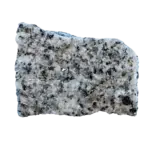
Black and white speckled diorite rock specimen

Diorite

Diorite is a tough igneous rock used in construction, art, and in research.

Read more
Reddish-brown porous conglomerate rock specimen (bauxite ore)

Bauxite

Bauxite is the main aluminum ore, primarily found in Australia.

Read more
Cluster of translucent brown rectangular crystals (Vanadinite crystals)

Vanadinite

Vanadinite is a bright red mineral, primarily sourced from lead deposits.

Read more
Golden-yellow crystal cluster with elongated translucent mineral prisms (borax mineral specimen)

Borax

Borax is a sodium borate used in cleaning and glassmaking.

Read more
Rough black amphibole on white background

Amphibole

Amphibole is a diverse mineral group used for geological indicators and as insulation.

Read more
Close-up of speckled gray granite rock sample

Granite

Granite is a durable igneous rock used in construction, monuments, and countertops.

Read more
Pyrite mineral specimen with white quartz crystals

Calcite

Calcite is a trigonal calcium carbonate mineral used mainly in construction for making cement.

Read more
Orange and gray crystal mineral cluster specimen (monazite mineral)

Monazite

Monazite, a group of rare earth minerals, is a key source of rare earth elements.

Read more
Bright green crystalline mineral specimen on dark matrix (adamite specimen)

Adamite

Adamite is a rare, colorful orthorhombic mineral prized by collectors for its vibrant crystals.

Read more
Fossilized fish fin embedded in a gray rock slab (limestone)

Limestone

Limestone, mainly calcium carbonate, is used in construction, cement, and water treatment.

Read more
Rough translucent red garnet gemstone on black background

Garnet

Garnet is a group of silicate minerals used as gemstones and abrasives.

Read more
Dark green pyroxene crystal cluster on matrix

Pyroxene

Pyroxene, a silicate mineral group found in igneous and metamorphic rocks.

Read more
Black basalt chunk with layered, cracked texture

Basalt

Basalt is a dark, fine-grained igneous rock used in construction, monuments, and geological studies.

Read more
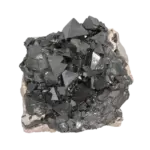
Black octahedral magnetite crystals on pale rock matrix (magenetite)

Magnetite

Magnetite, an iron oxide with magnetic properties, is used in steel production and catalysts.

Read more
Light beige sandstone rock on a white background

Sandstone

Sandstone, composed of quartz and feldspar, is used in construction, paving, landscaping, and glassmaking.

Read more
Brassy metallic crystal cluster with dark needle-like mineral inclusions (pyrite)

Pyrite

Pyrite, or “Fool’s Gold,” is used for sulfur and iron production.

Read more
Shiny dark gray coal specimen

Coal

Coal, mainly carbon, is used for energy and steel production.

Read more
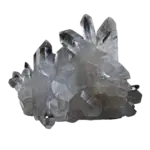
Transparent quartz crystal cluster with pointed formations

Quartz

Quartz, a silicon dioxide mineral, is used in jewelry and electronics.

Read more
Orange schneelite crystal cluster on gray bladed mineral matrix

Scheelite

Scheelite, a calcium tungstate, is the main source of tungsten for tools and alloys.

Read more
Green and yellow banded metamorphic rock specimen (gneiss sample)

Gneiss

Gneiss is a durable, banded metamorphic rock used in construction and decoration.

Read more
Transparent, faceted mineral crystal with gray and yellow tones (gypsum)

Gypsum

Gypsum, a soft calcium sulfate mineral, is primarily used as plaster or in cement production.

Read more
Cluster of translucent cubic crystals on a white mineral base (halite)

Halite

Halite, or rock salt, is a sodium chloride mineral used for seasoning, de-icing, and industry.

Read more
Cluster of dark black mica mineral flakes (biotite)

Biotite

Biotite is a dark mica mineral used in insulation and geological studies.

Read more
Dark greenish-gray shiny metamorphic rock specimen (muscovite mineral)

Muscovite

Muscovite, a mica mineral, is used in insulation, fireproofing, and cosmetics.

Read more
White dolomite crystal cluster on gray mineral matrix

Dolomite

Dolomite is a calcium magnesium carbonate used in construction and agriculture.

Read more

join.me

Geology made clear, in your inbox.

Get clear, visual explainers on rocks, minerals, deep time, and the most fascinating parts of Earth science from Geoscopy.