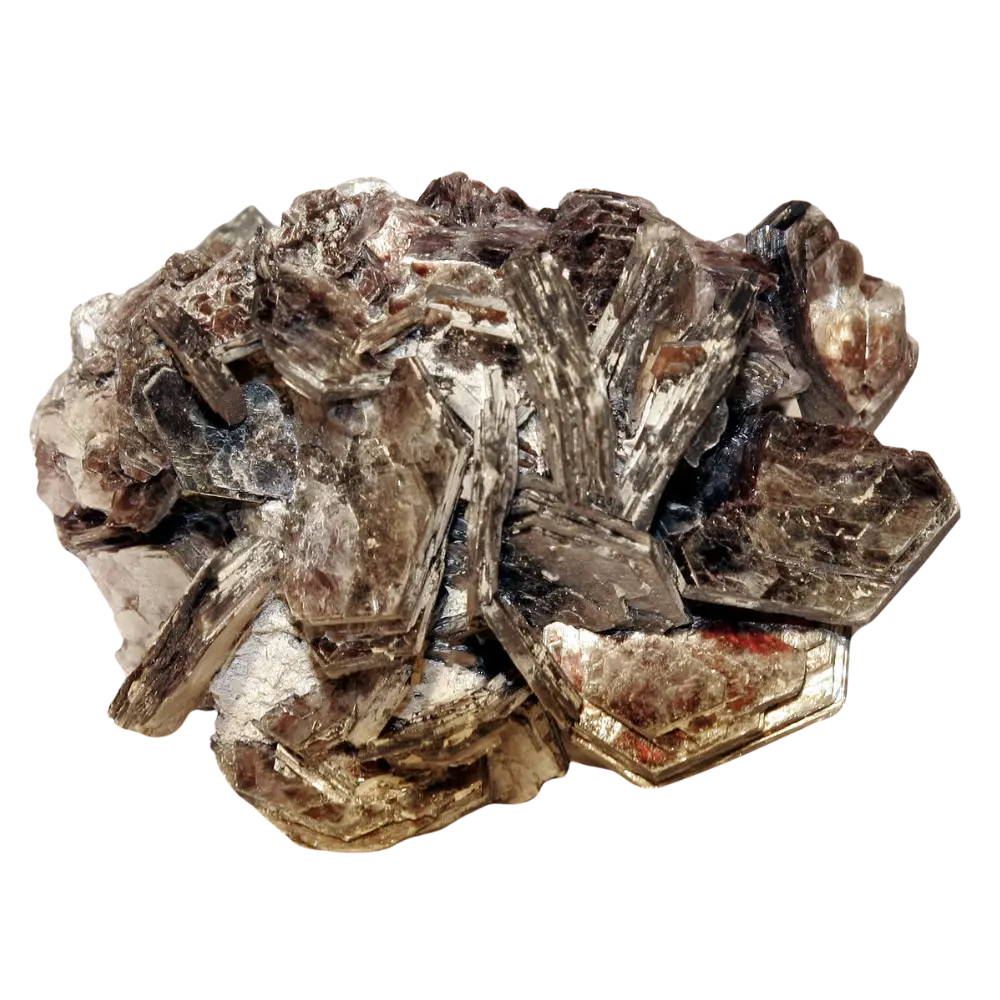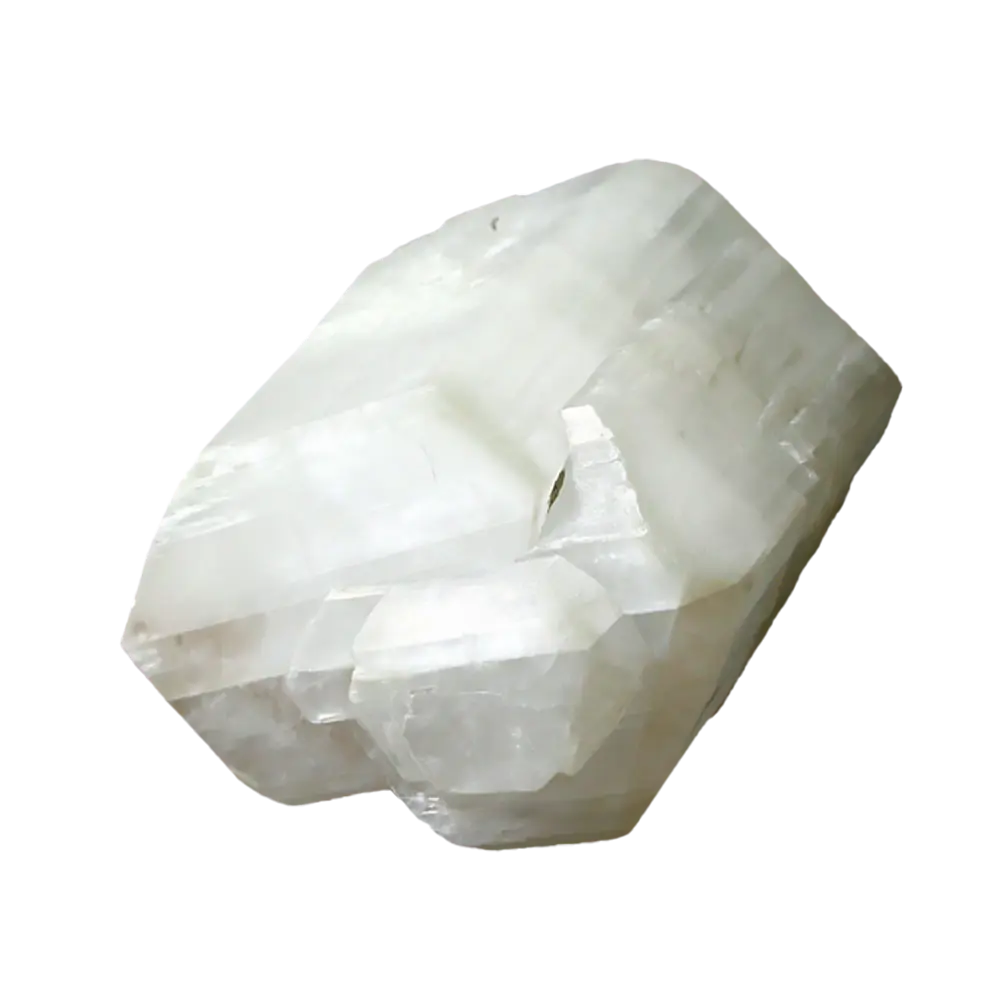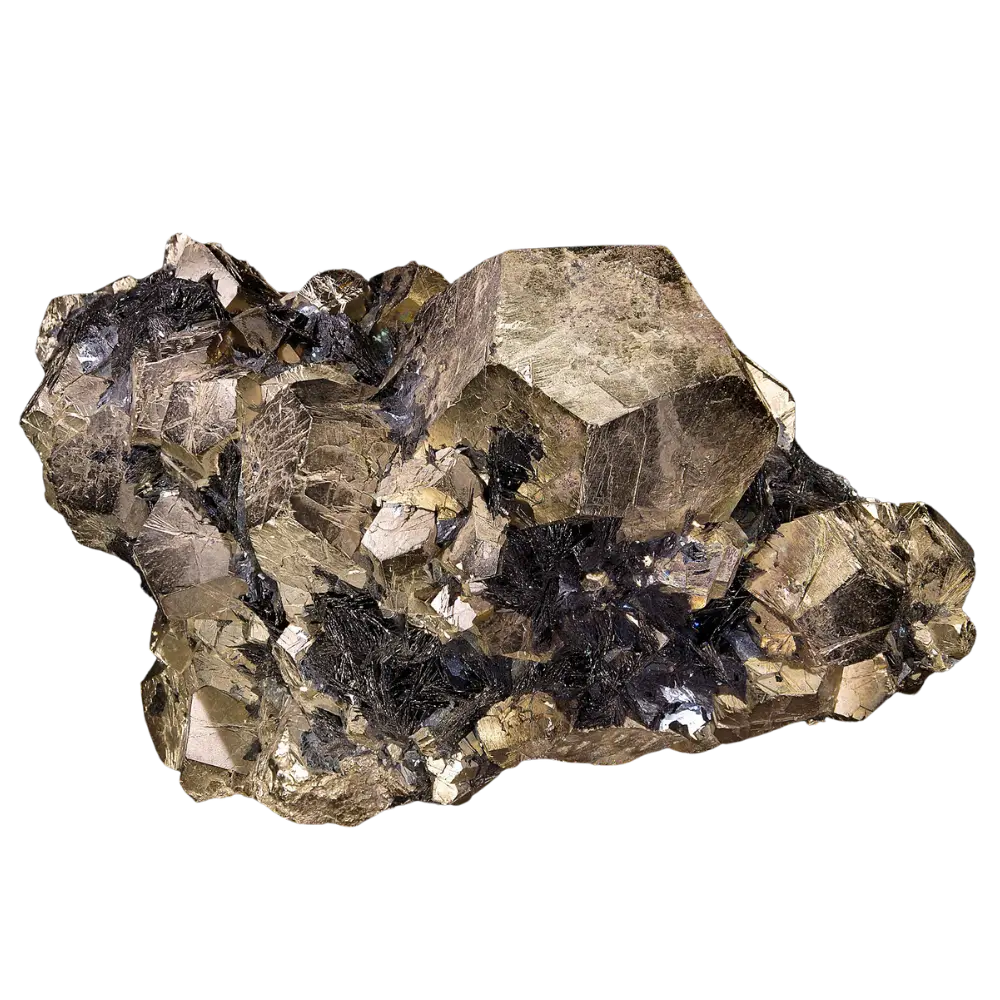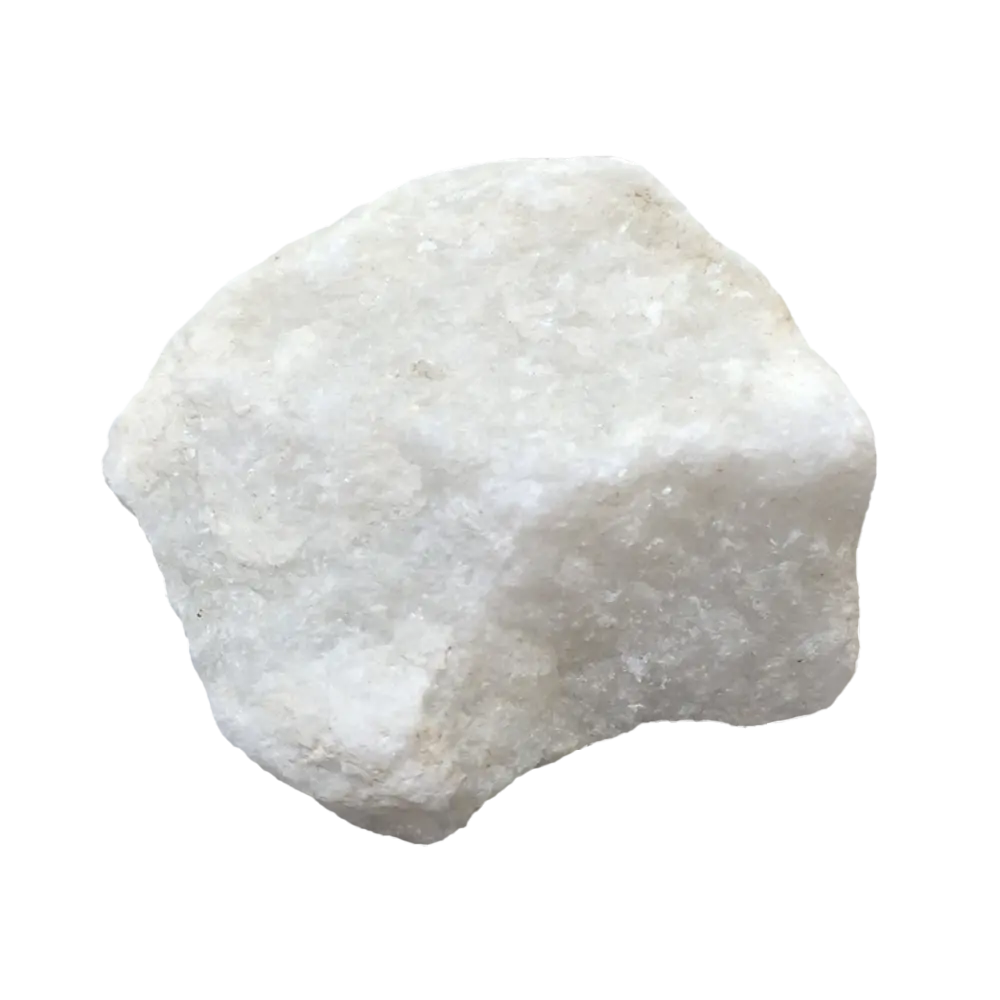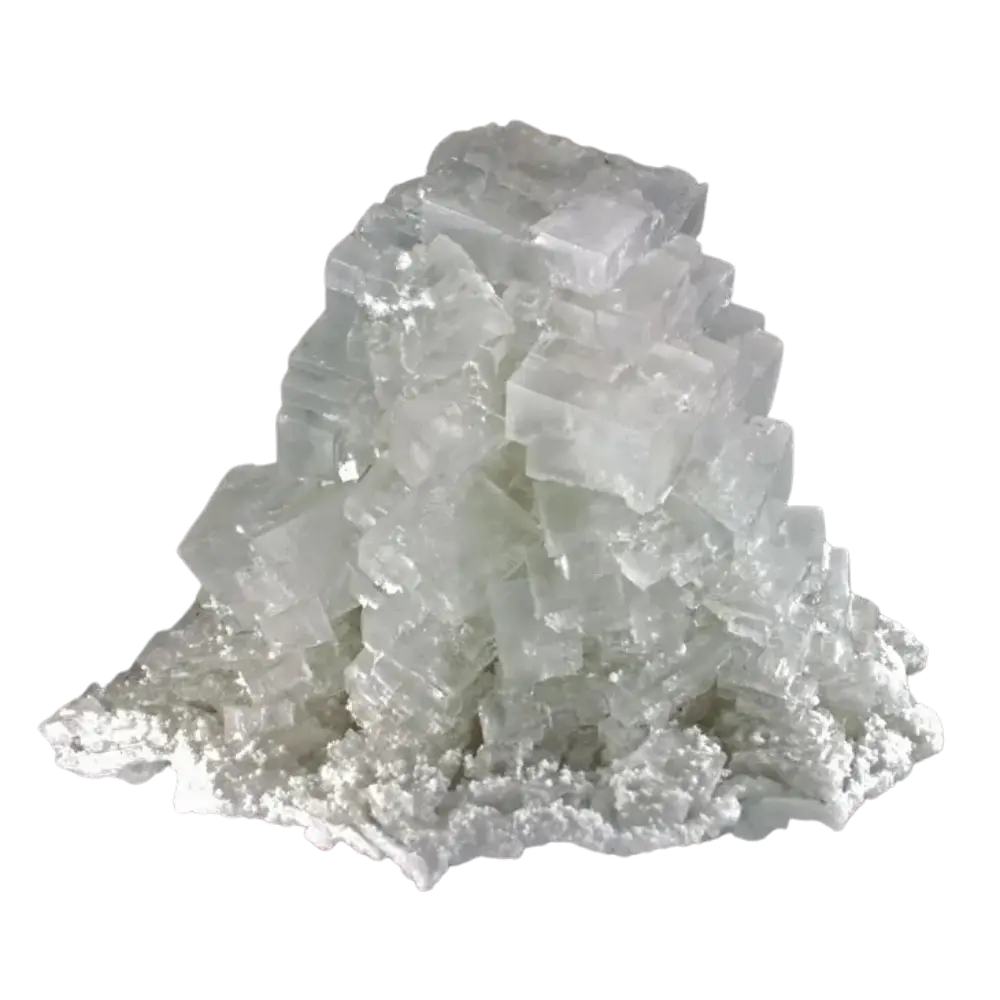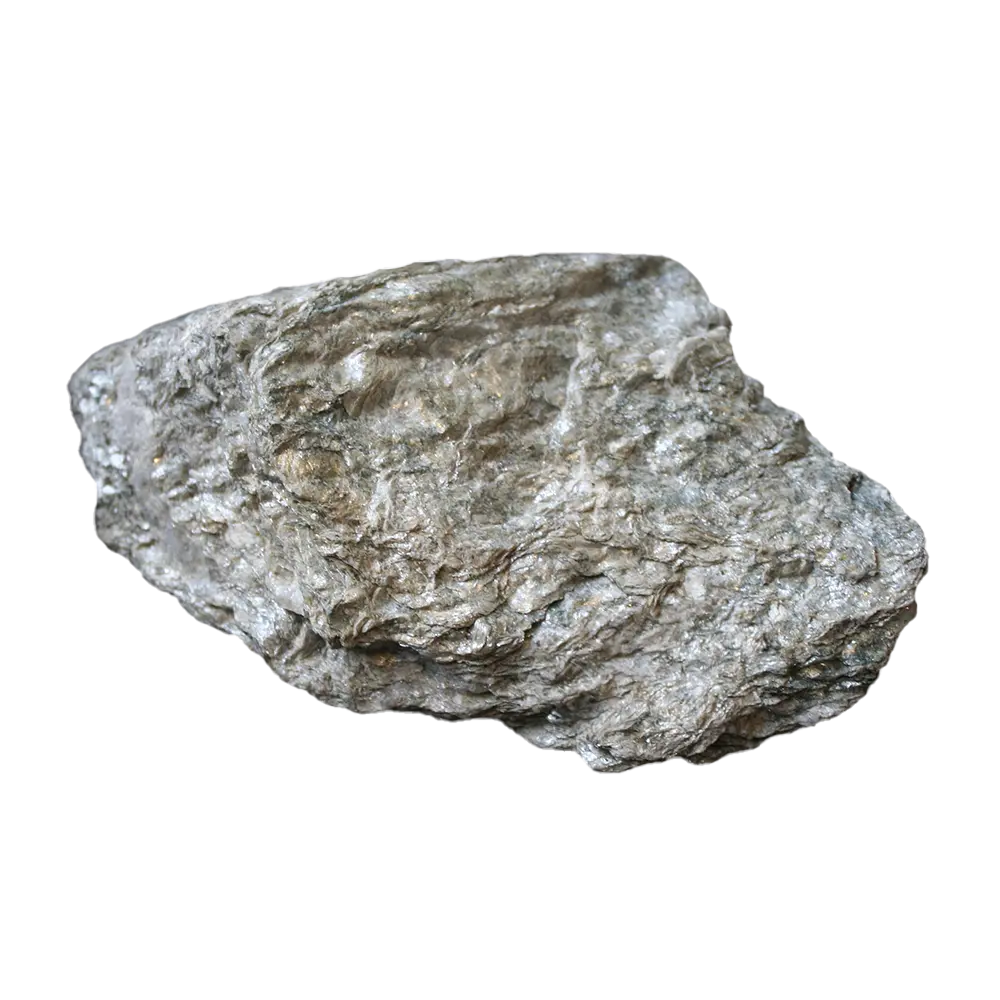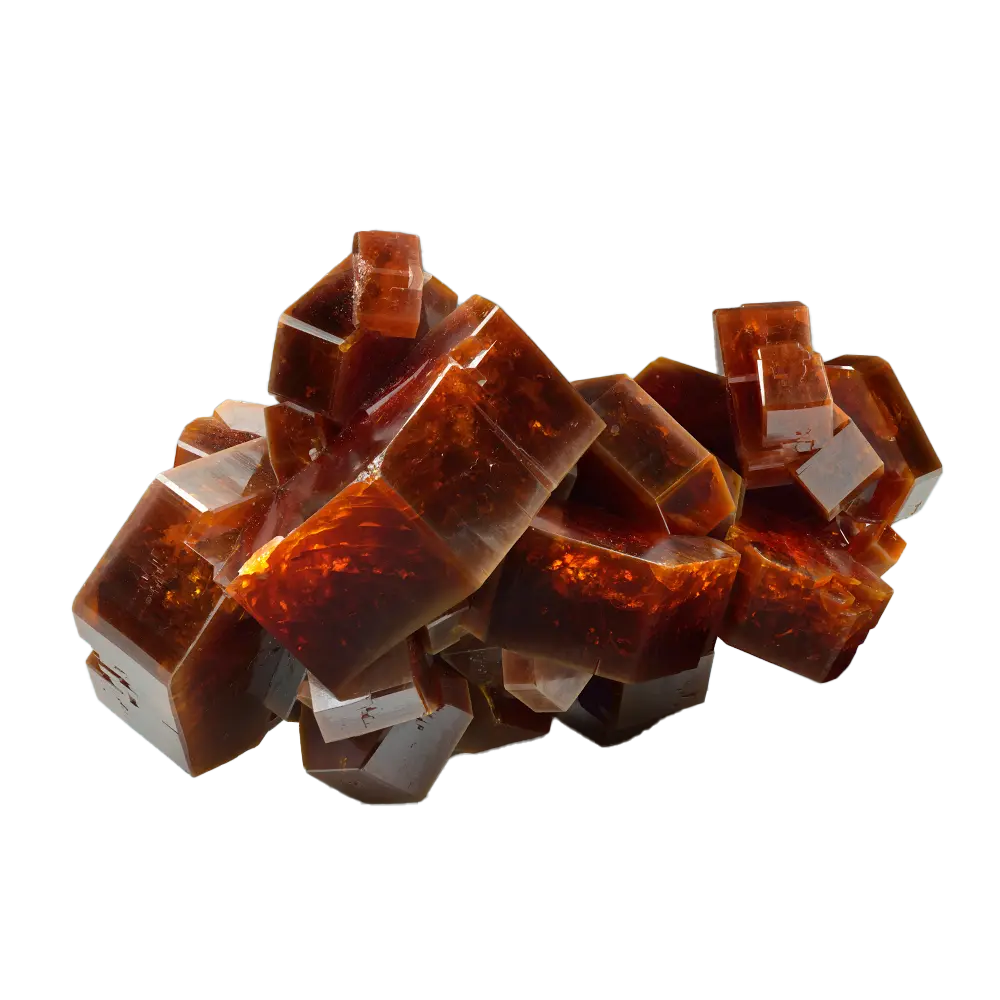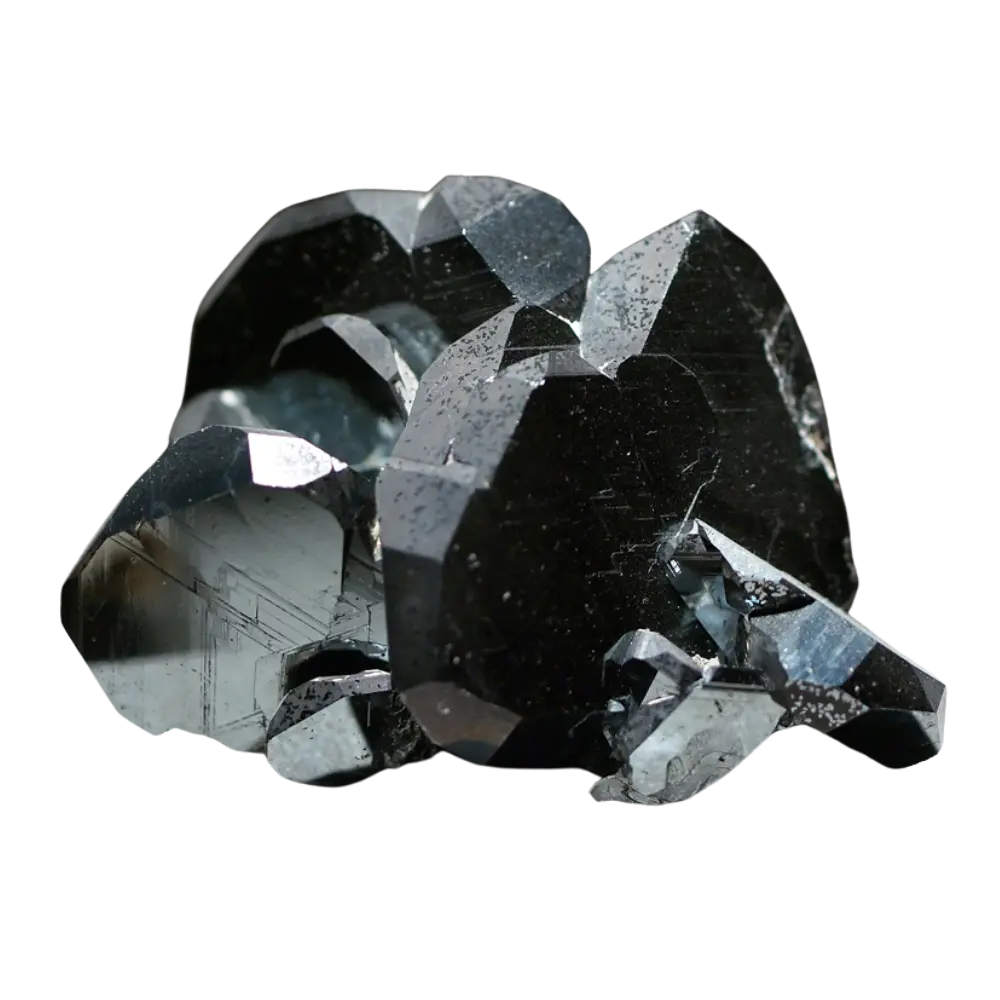
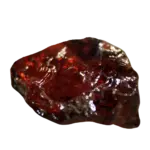
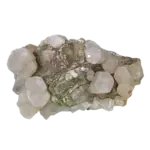
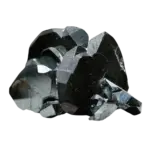
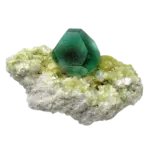
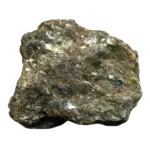
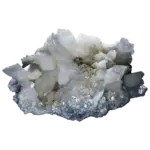
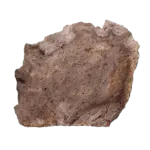
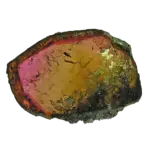
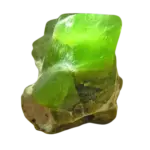
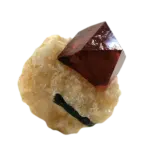
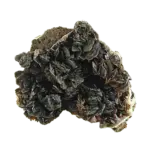
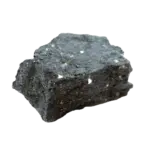
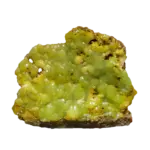
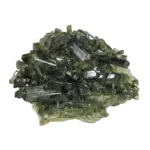
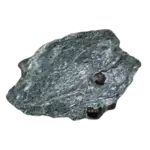
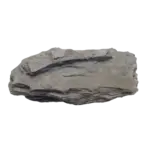
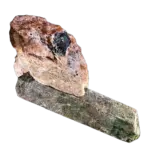
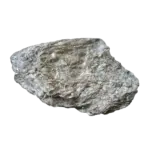
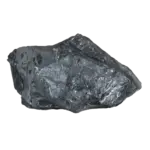
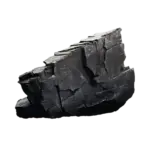
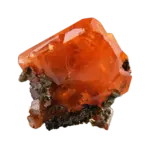
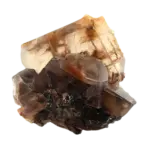
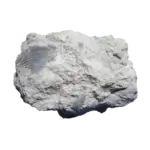
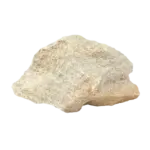
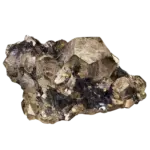
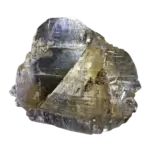
Fact Sheet:
- Chemical Composition: Calcium tungstate (CaWO₄)
- Hardness: 4.5 to 5 on the Mohs scale
- Crystal System: Tetragonal
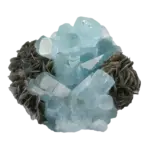
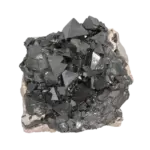
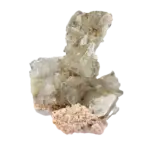
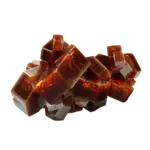
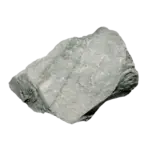
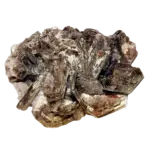
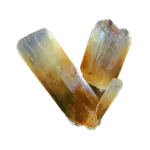
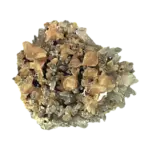
- Color Varieties: Colorless, white, gray, yellow, orange, brown, green, and blue
- Major Localities: China, United States, Austria, Bolivia, and Russia
- Common Uses: Primary source of tungsten, used in industrial tools, steel alloys, light bulbs, and military applications
Introduction: Scheelite is a significant ore mineral for tungsten, one of the hardest and most heat-resistant metals on Earth. Tungsten, derived from scheelite, is essential for various industrial applications, including the production of high-strength alloys, cutting tools, and electrical components. First discovered in Sweden in the 18th century, scheelite is named after Carl Wilhelm Scheele, the chemist who identified tungsten within it. Scheelite’s unique properties, including its fluorescent characteristics under ultraviolet light, make it an interesting mineral for collectors, while its economic importance stems from its role in the global tungsten supply.
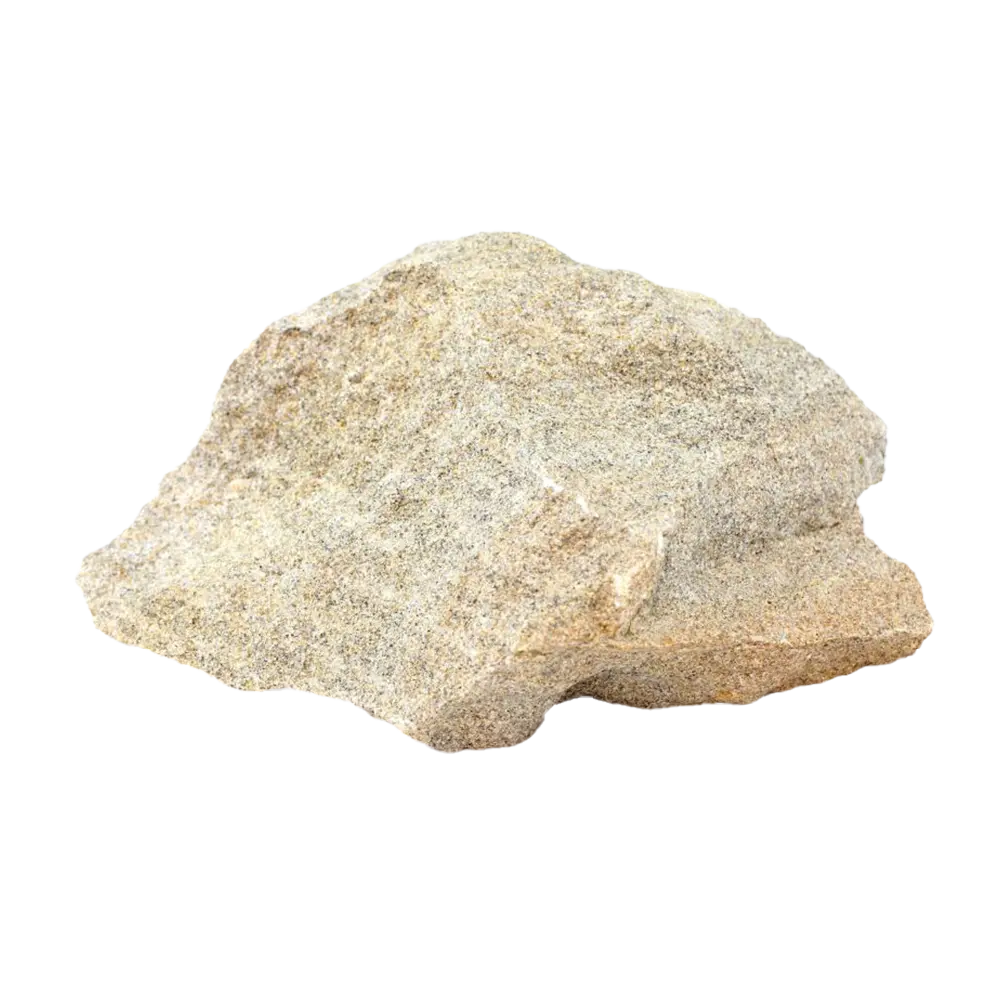
Formation: Scheelite forms in a variety of geological environments, typically in association with high-temperature hydrothermal veins, skarns, and contact metamorphic zones. It often forms alongside other tungsten-bearing minerals such as wolframite, as well as other metallic ores like molybdenite and galena. Skarns—geological formations created when carbonate-rich rocks come into contact with magma—are particularly common environments for scheelite formation. Scheelite can also occur in pegmatites, quartz veins, and placer deposits, where it forms as part of the erosion process of larger ore bodies.
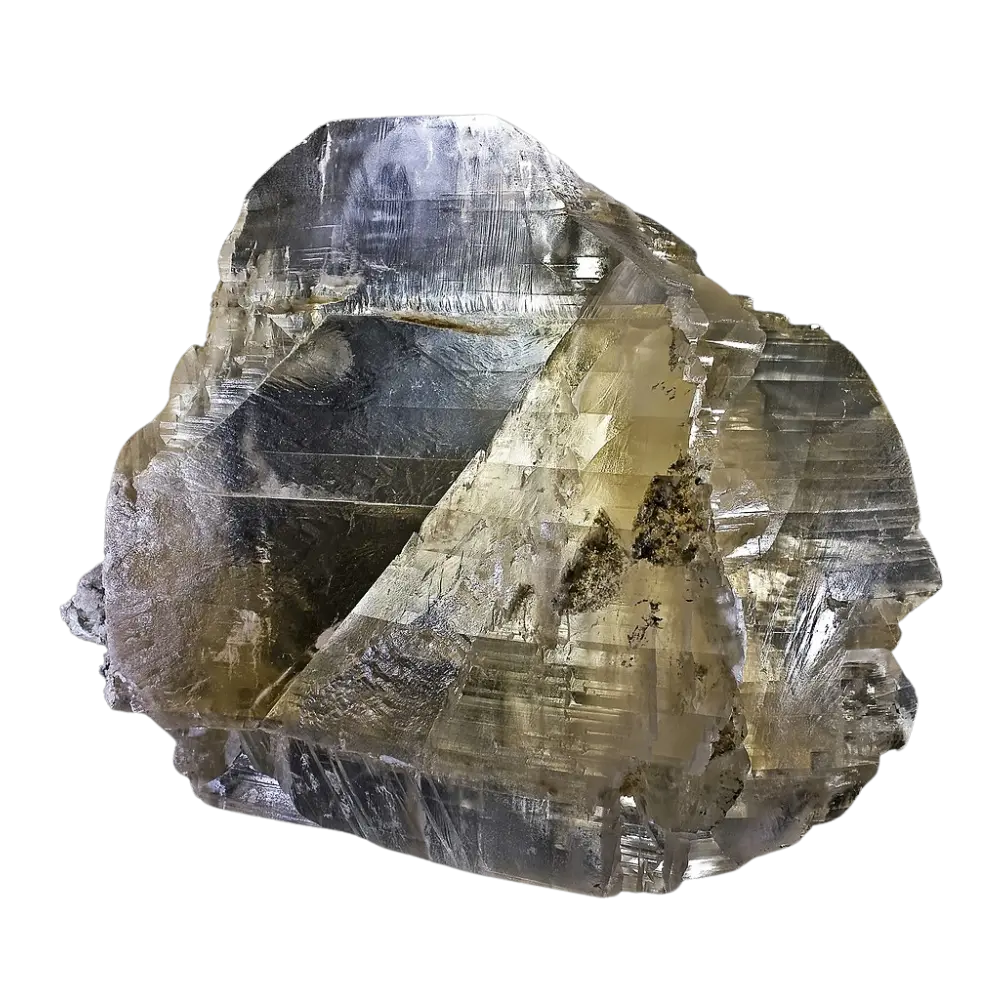
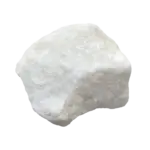
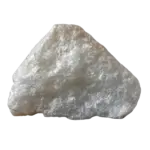
Types and Colors: Scheelite is typically colorless or white when pure, but it can take on a variety of colors due to impurities:
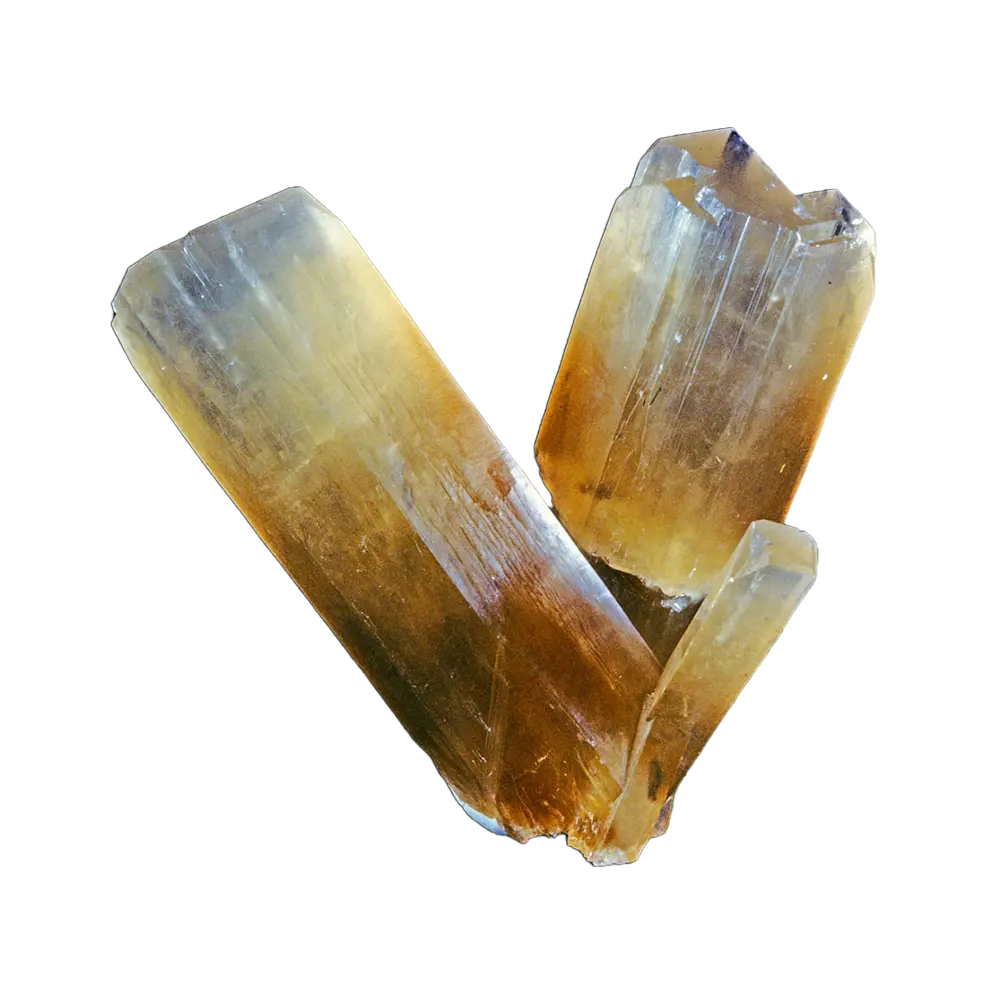
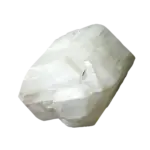
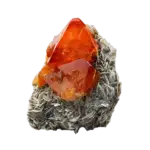
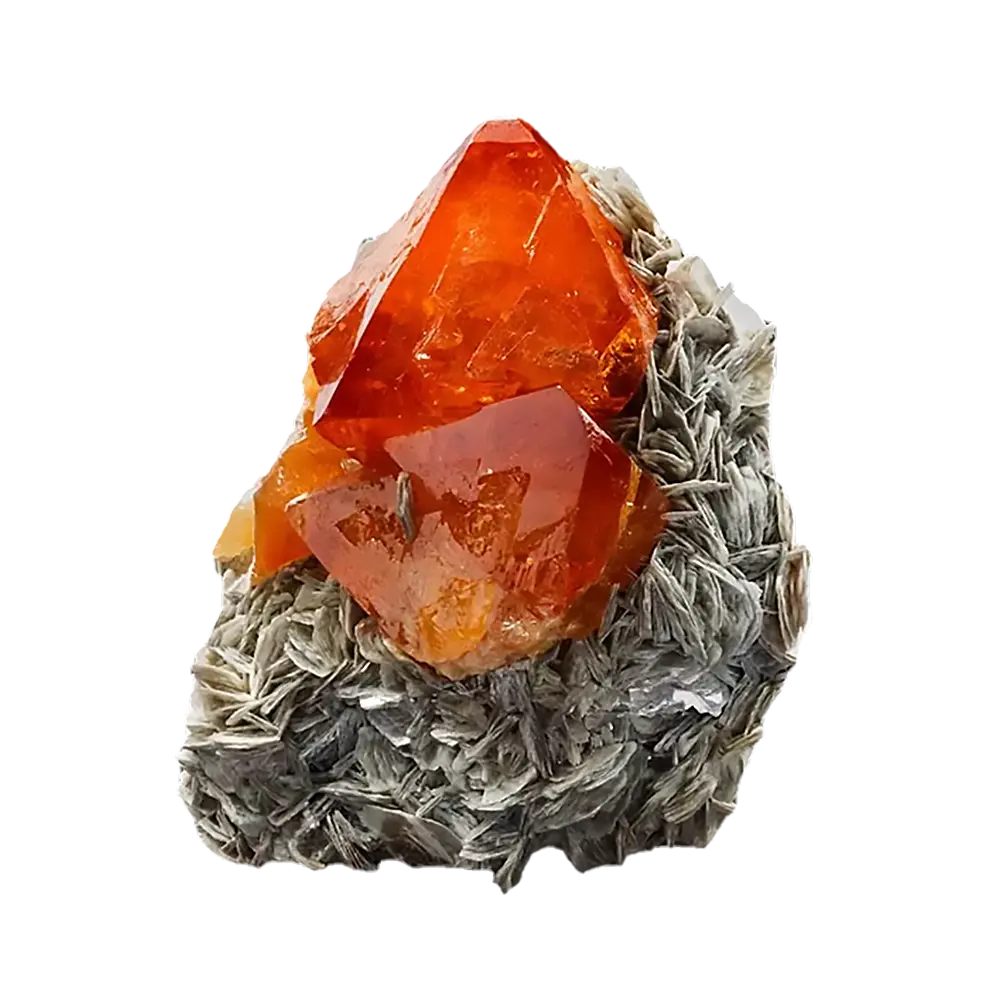
- Yellow and Orange Scheelite: The most common forms of scheelite are pale yellow or orange, often referred to as “honey-colored.”
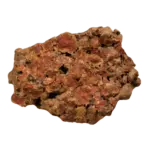
- Brown Scheelite: Iron impurities can give scheelite a brown hue.
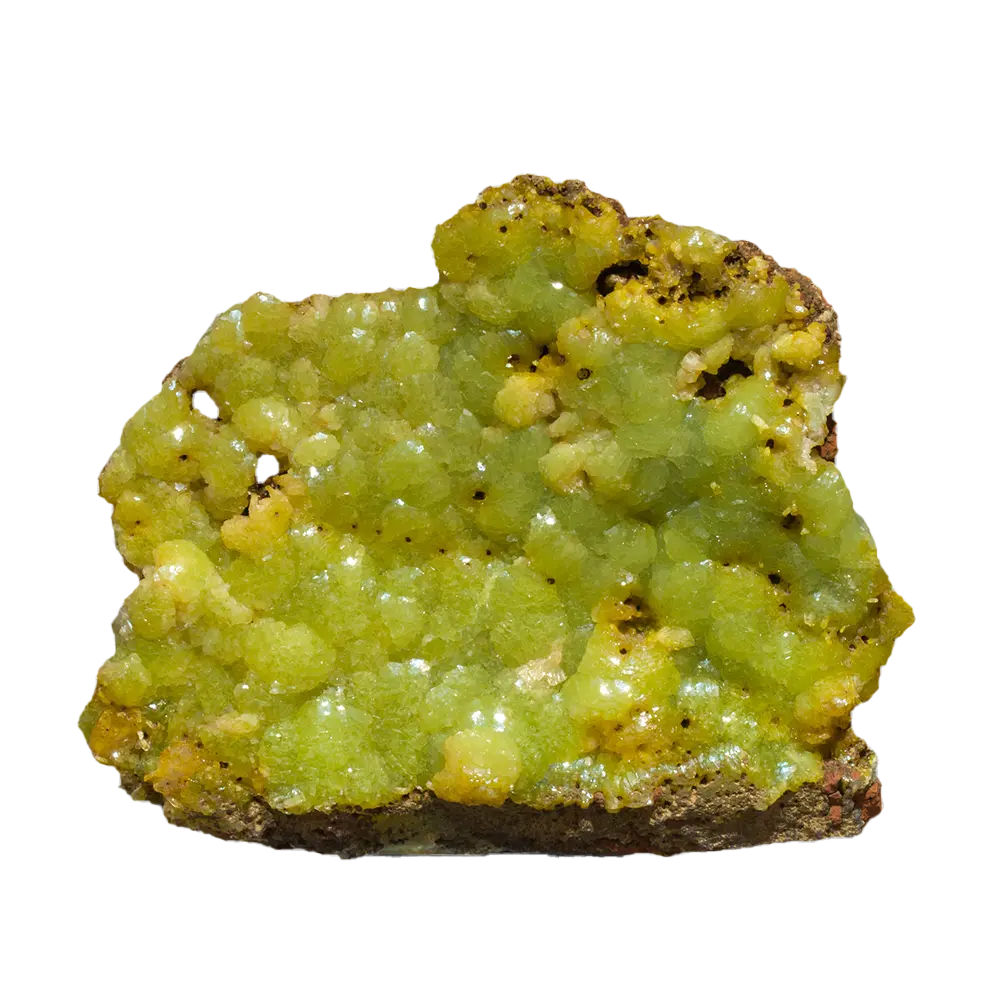
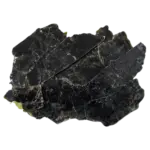
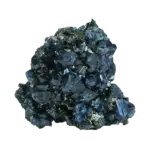
- Green and Blue Scheelite: These rare varieties are caused by trace amounts of molybdenum and copper, giving the mineral vibrant colors.
- Fluorescent Scheelite: One of scheelite’s most distinctive properties is its ability to fluoresce bright blue or white under ultraviolet light, a feature used to identify the mineral in the field.
Localities and Occurrence: Scheelite is found in several key locations worldwide, often associated with tungsten mining operations:
- China: China is the world’s leading producer of tungsten, and major scheelite deposits are found in provinces like Hunan and Jiangxi, where it is mined alongside other tungsten ores.
- United States: Scheelite is found in several states, including California, Nevada, and Colorado. The Pine Creek Mine in California was historically one of the largest tungsten producers in North America.
- Austria: The Mittersill Mine in Austria is one of the largest sources of scheelite in Europe and has produced significant amounts of tungsten since the mid-20th century.
- Bolivia: Bolivia has extensive tungsten deposits, and scheelite is mined in conjunction with other tin and tungsten minerals.
- Russia: Scheelite is mined in regions like Siberia and the Ural Mountains, where large skarn deposits occur.
Applications: Scheelite’s primary value lies in its role as a source of tungsten, which has numerous industrial applications:
- Tungsten Production: Tungsten is extracted from scheelite through a series of chemical processes, making scheelite one of the most important tungsten ores in the world. Tungsten is used in:
- Cutting Tools: Tungsten carbide, a compound made from tungsten and carbon, is one of the hardest known materials and is used in cutting tools for machining metals and drilling.
- Steel Alloys: Tungsten is added to steel to create superalloys that are heat-resistant and incredibly strong. These alloys are used in jet engines, turbines, and high-temperature industrial processes.
- Filaments for Light Bulbs: Tungsten’s high melting point makes it ideal for use in light bulb filaments, though this application has declined with the rise of LED lighting.
- Military Applications: Tungsten’s density and hardness make it valuable for military applications, such as armor-piercing ammunition and armor plating.
- Fluorescence in Jewelry: Due to its attractive fluorescence, scheelite is sometimes used as a gemstone or a decorative mineral in jewelry, though it is relatively rare compared to more traditional gems.