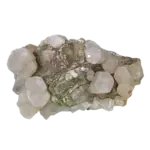
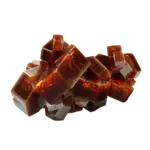
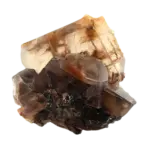
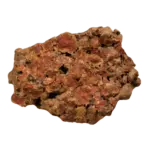
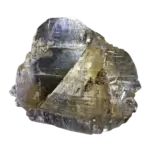

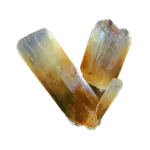
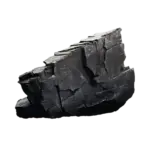
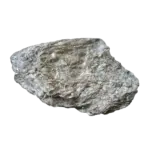
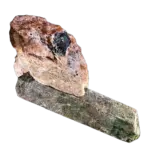
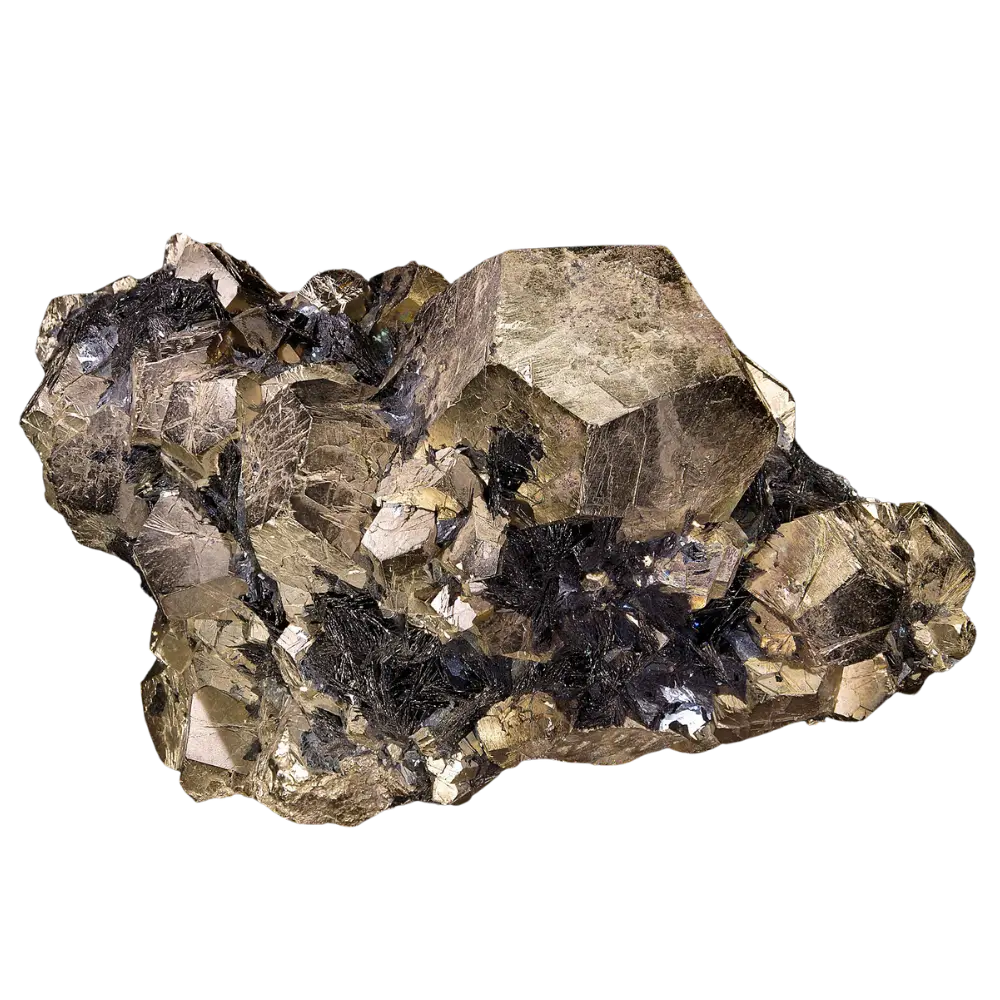
Fact Sheet:
– Chemical Composition: FeS₂ (Iron Disulfide)
– Hardness: 6 to 6.5 on the Mohs scale
– Crystal System: Isometric
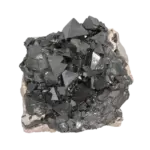
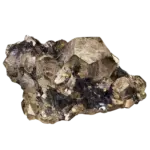
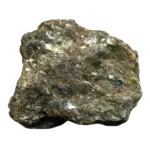
– Color Varieties: Brass-yellow with a metallic luster, often tarnishing to brown
– Major Localities: Spain, Peru, Italy, and the United States
– Common Uses: Sulfur extraction, iron production, and as a gemstone
Introduction: Pyrite, commonly known as “Fool’s Gold” due to its striking resemblance to gold, is a widespread and intriguing mineral. Its name derives from the Greek word “pyr,” meaning fire, as pyrite can create sparks when struck against steel. Despite its deceptive appearance, pyrite holds significant geological and industrial value.
Formation: Pyrite forms in a variety of geological settings, including sedimentary, igneous, and metamorphic rocks. It often crystallizes in hydrothermal veins, where hot, sulfur-rich solutions precipitate iron sulfide. Pyrite can also be found in coal beds and as a replacement mineral in fossils.
Types and Colors:
– Common Pyrite: Brass-yellow, metallic luster; most recognized form.
– Marcasite: Often confused with pyrite but has a different crystal structure and is typically found in pale brass to silver-white.
– Suns (Disk-shaped Pyrite): Radiating crystal formations often found in coal beds.
Localities and Mining: Significant pyrite deposits are found in Spain (notably the Rio Tinto mines), Peru (Cajamarca region), Italy, and several states in the USA, including Colorado and Missouri. These deposits are mined both for their industrial uses and as collectors’ minerals.
Applications: Pyrite’s primary industrial use is as a source of sulfur and sulfuric acid. It is also used in the production of iron and as a trace mineral in gold mining, where pyrite-bearing rocks may indicate the presence of gold. Additionally, pyrite is a popular specimen in mineral collections and used in jewelry for its distinctive appearance.