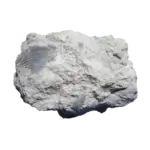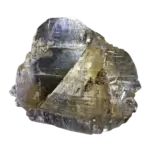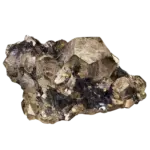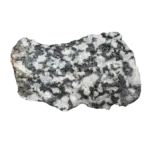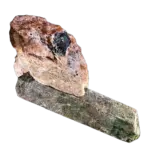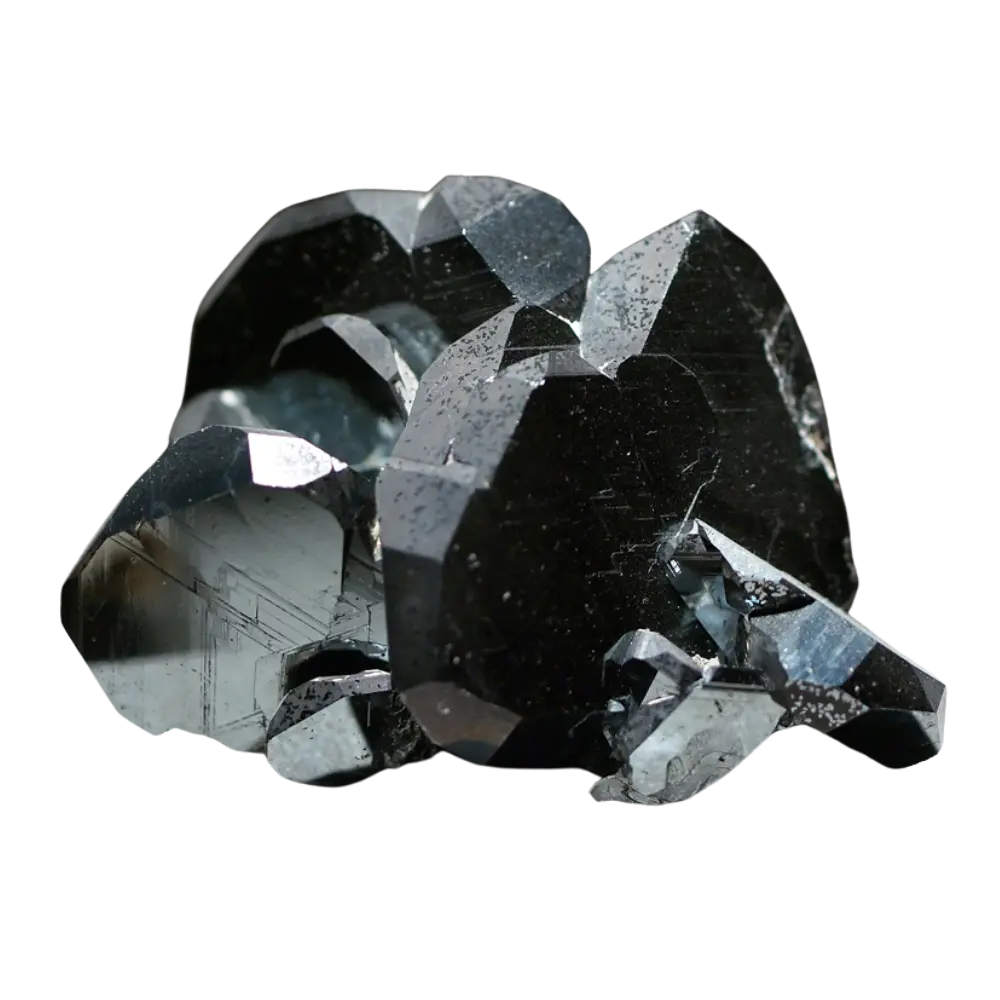
Fact Sheet:
– Chemical Composition: Fe₂O₃ (Iron(III) Oxide)
– Hardness: 5.5 to 6.5 on the Mohs scale
– Crystal System: Trigonal
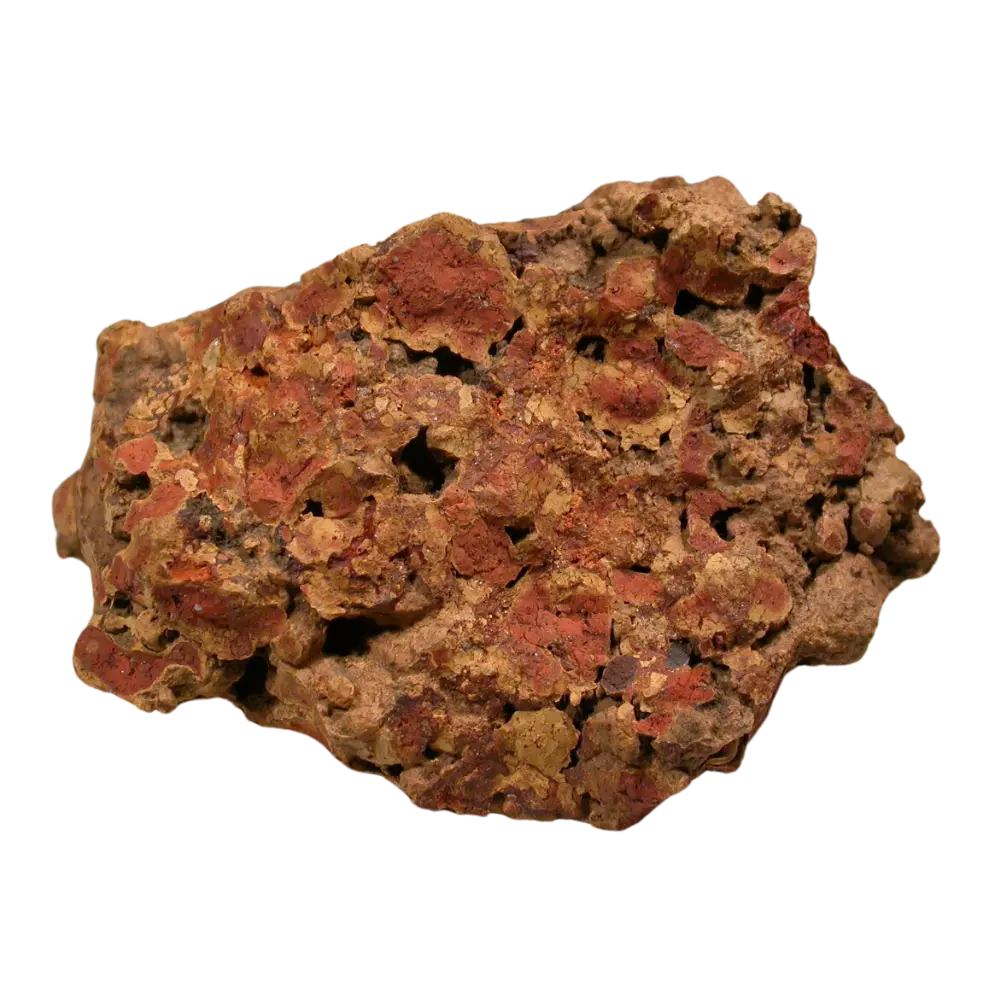
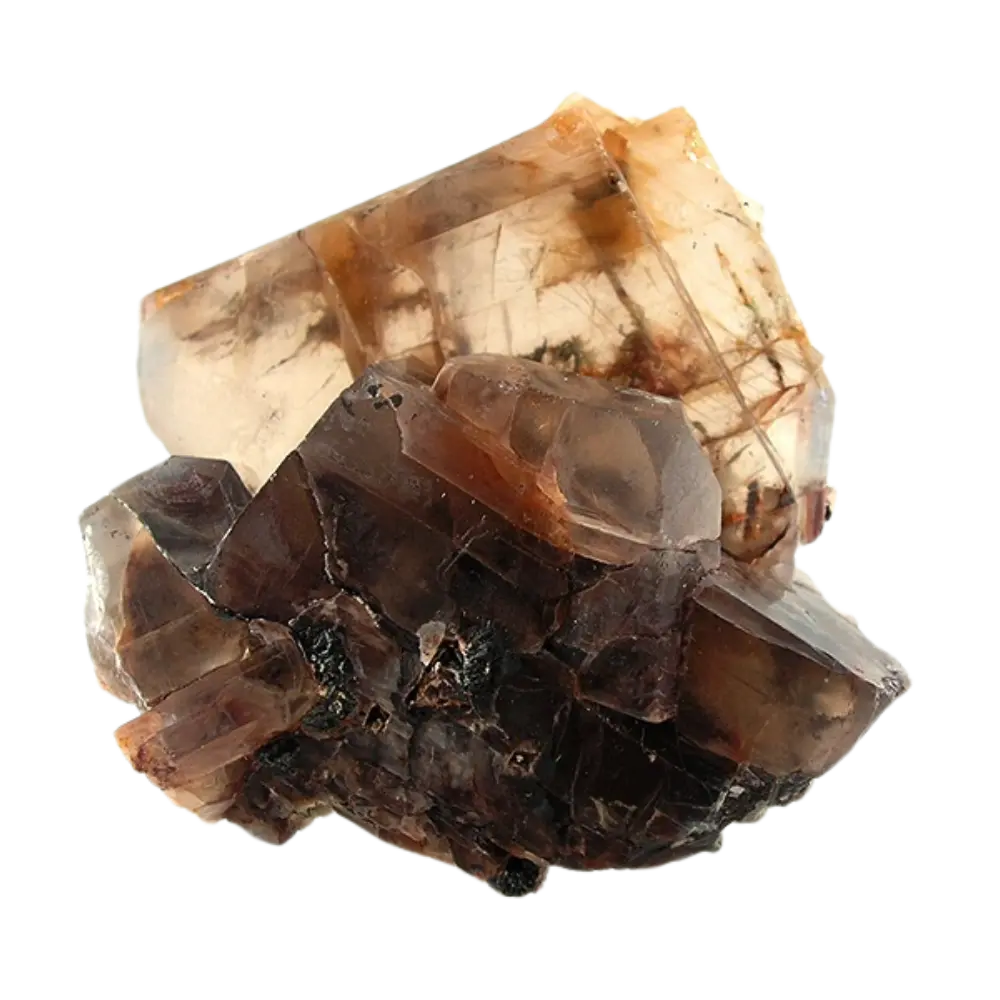
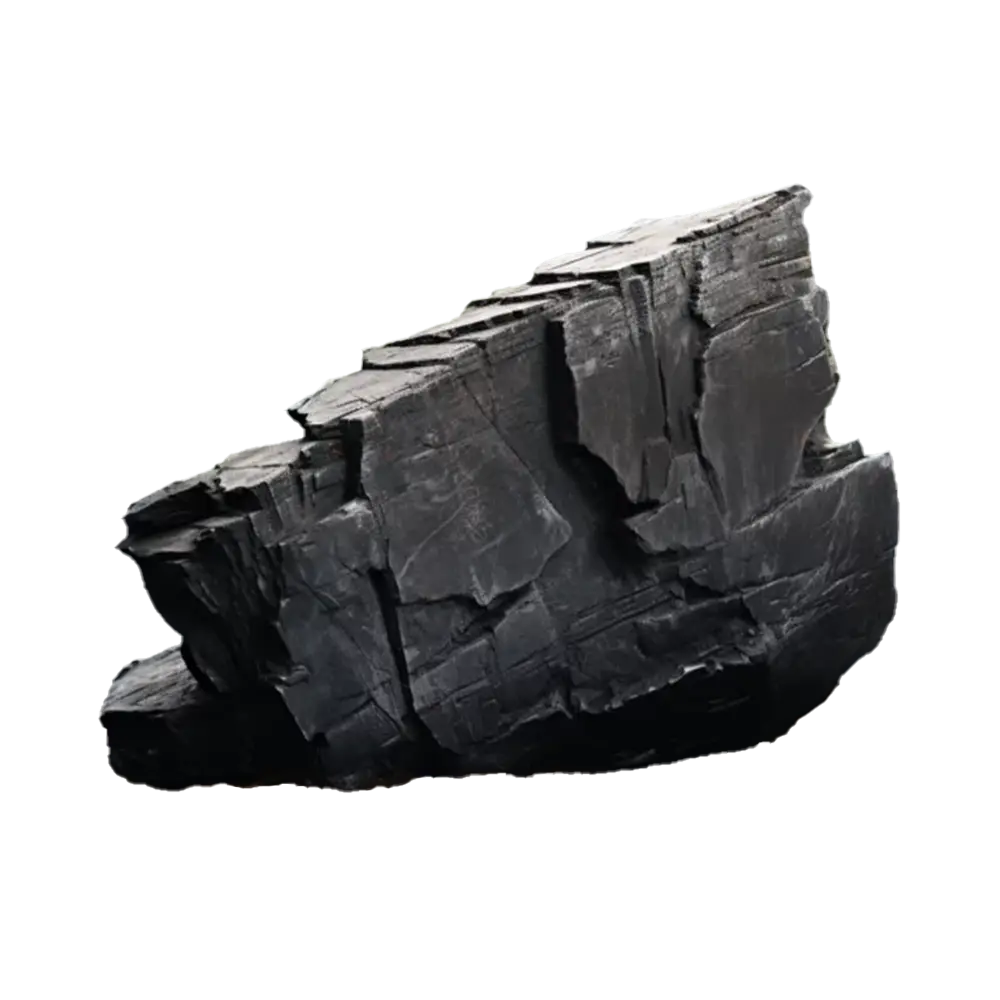
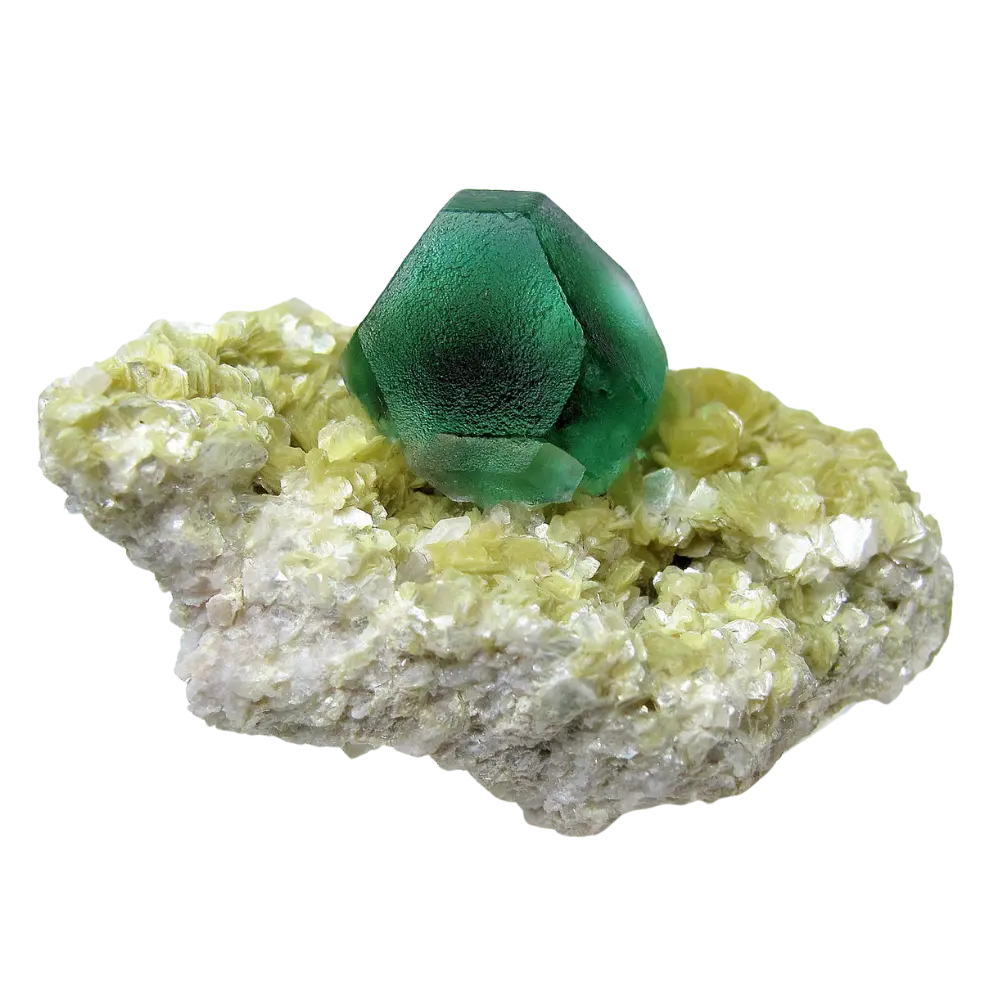
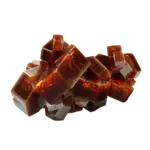
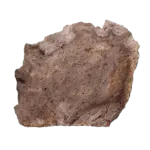
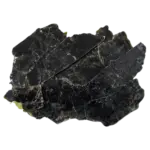
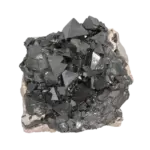
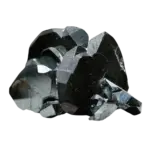
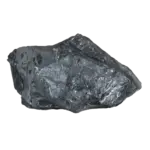
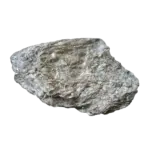
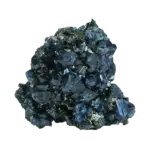
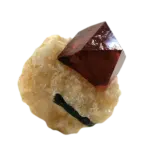
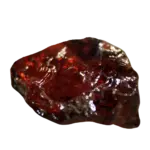
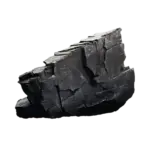
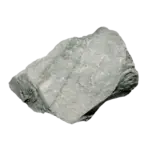
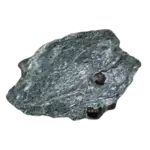
– Color Varieties: Metallic gray, black, red to reddish-brown
– Major Localities: Brazil, Australia, China, and the United States
– Common Uses: Iron ore, pigment, radiation shielding, and jewelry
Introduction: Hematite, renowned for its striking metallic luster and deep red streak, is a major ore of iron and a significant industrial mineral. Its name derives from the Greek word “haima,” meaning blood, due to the red coloration it imparts when powdered. Hematite has been utilized by humans for thousands of years, both as a critical resource for iron and as a pigment.
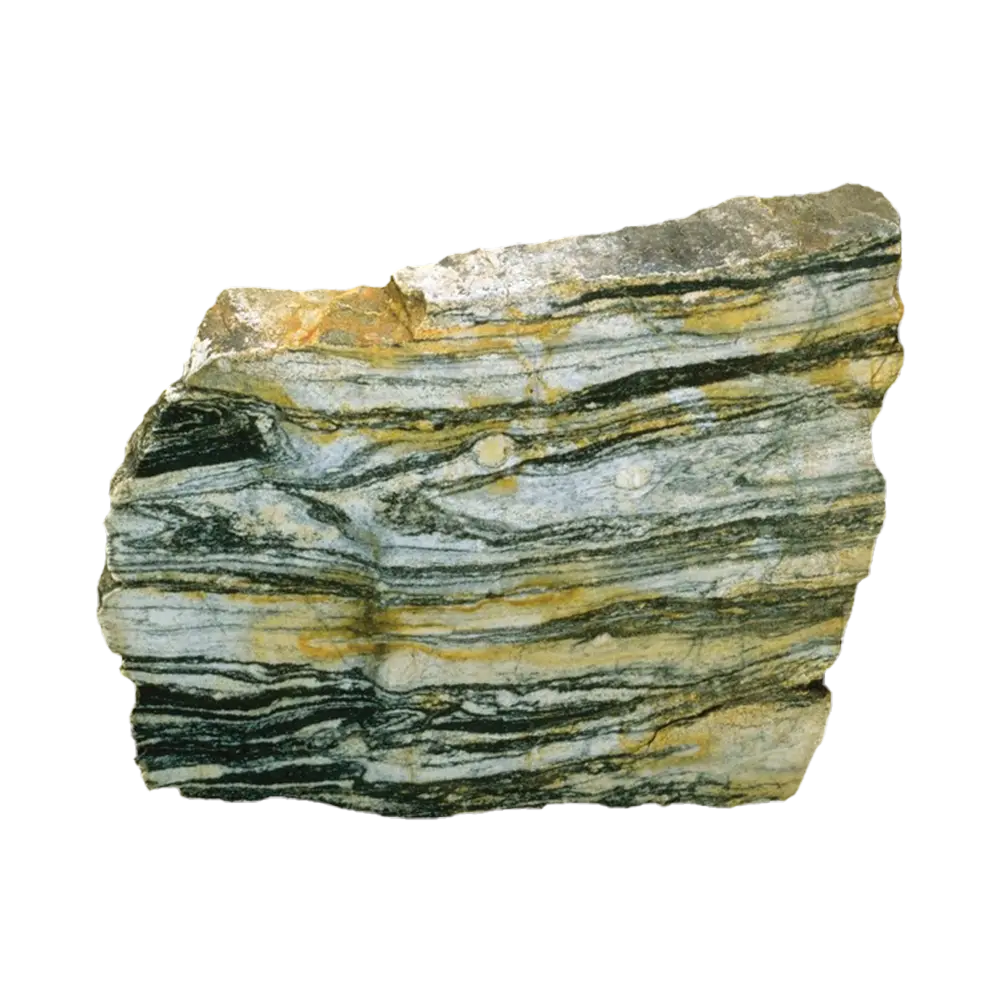
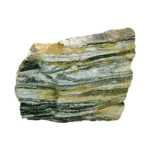
Formation: Hematite forms in a variety of geological environments, including sedimentary, metamorphic, and igneous rocks. It often forms in sedimentary settings through the precipitation of iron from water. It is also a common product of weathering and hydrothermal processes and can be found in banded iron formations, where layers of iron-rich minerals alternate with silica-rich layers.
Types and Colors:
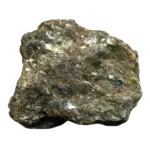
– Specular Hematite: Shiny, metallic luster with a glittery appearance.
– Oolitic Hematite: Composed of small, rounded grains or oolites.
– Kidney Ore: Rounded, reniform masses that resemble a human kidney.
– Red Hematite: Earthy, reddish-brown form often used as a pigment.
Localities and Mining: Significant hematite deposits are found in Brazil (notably the Minas Gerais region), Australia (the Pilbara region), China, and the Lake Superior region in the USA. These countries are major producers of iron ore, with hematite being a primary source.
Applications: Hematite is primarily mined for iron, which is a critical material in the production of steel. Beyond its use as an iron ore, hematite is also employed as a pigment (known as red ochre) and in radiation shielding due to its high density. Its attractive metallic luster makes it popular in jewelry and decorative items.