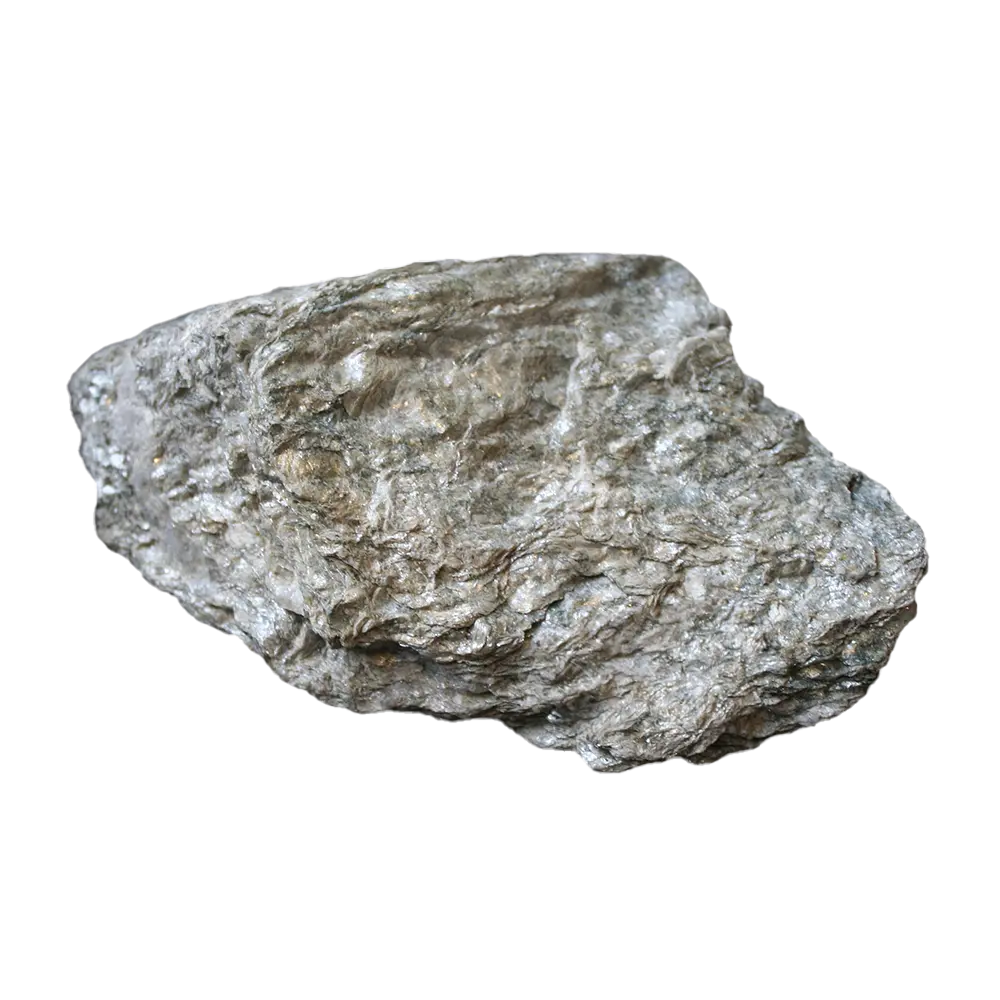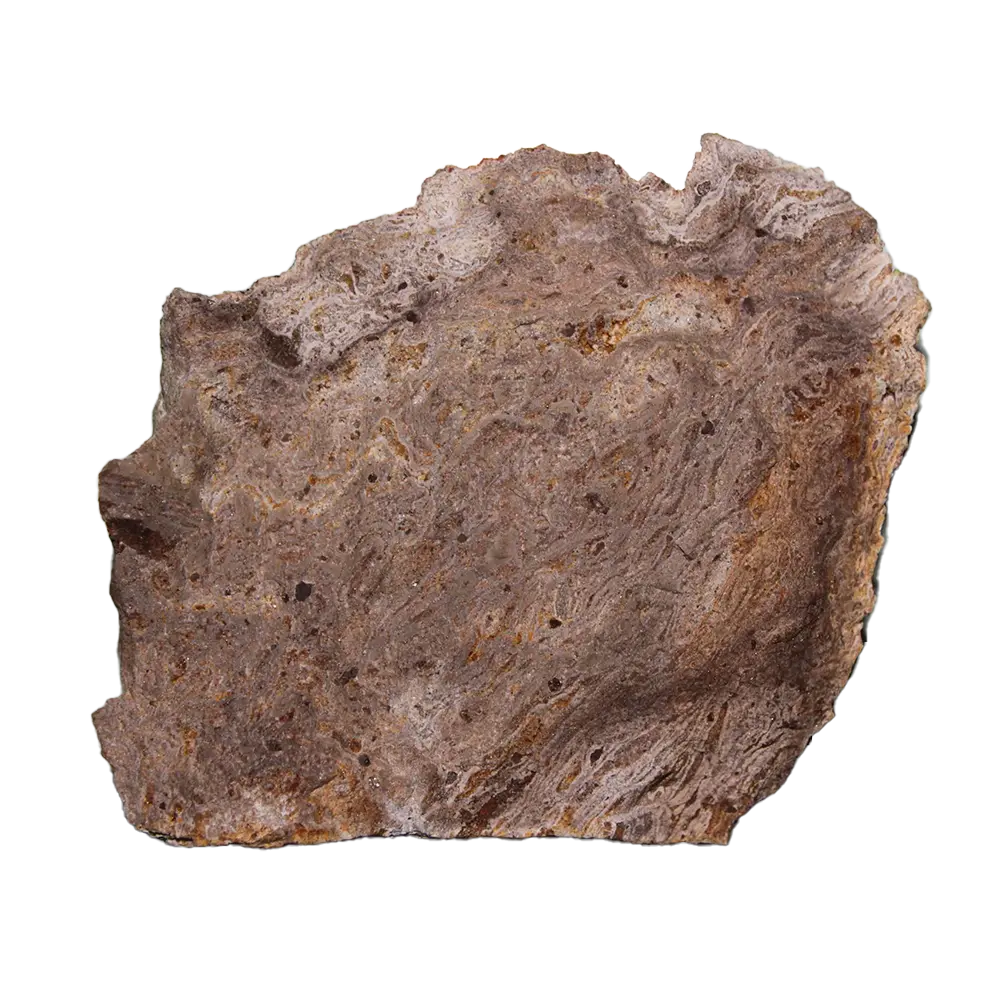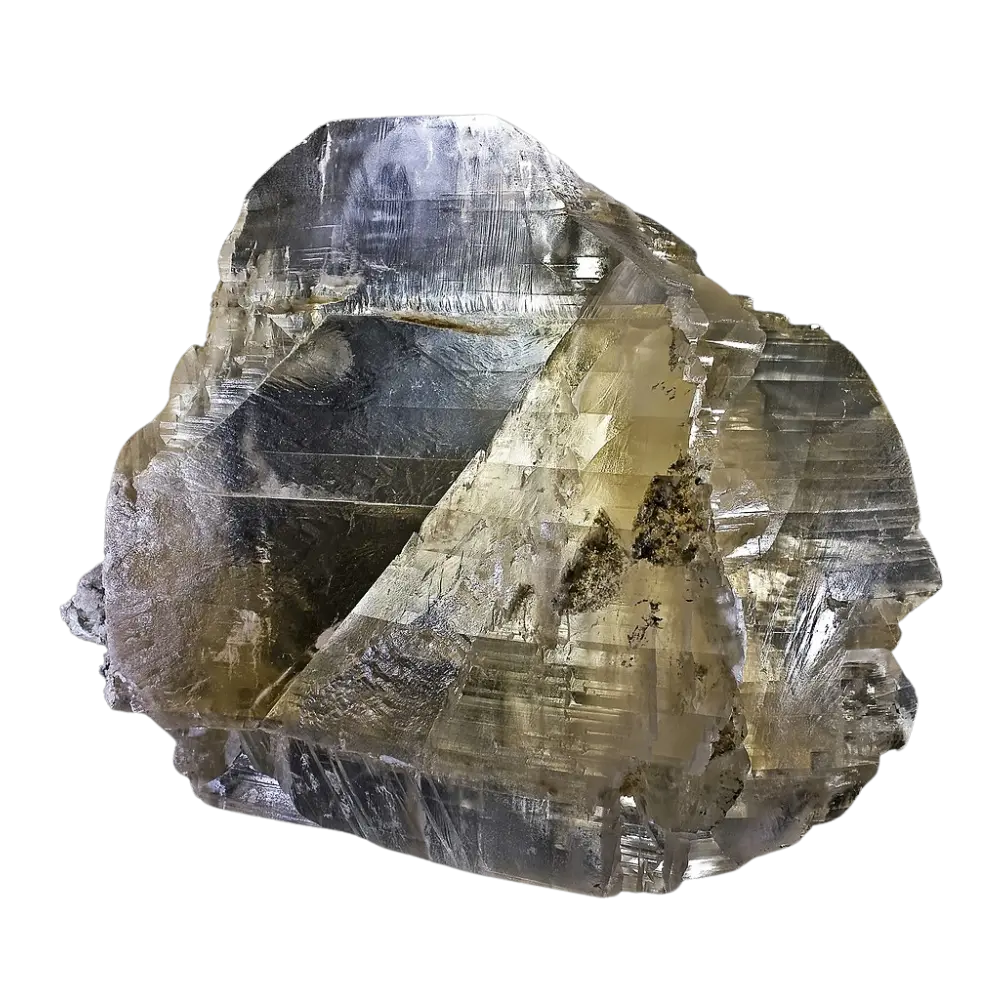
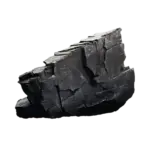
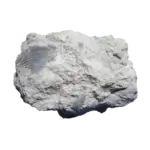
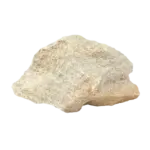
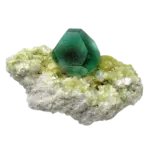

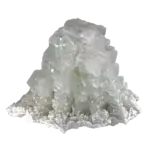
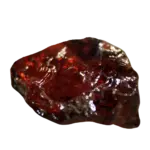
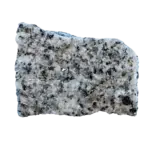
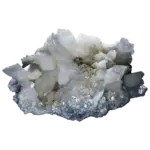


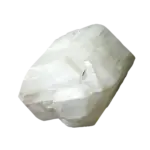
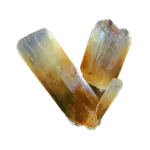
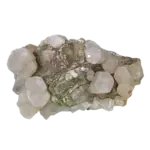

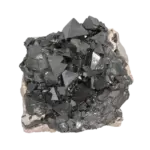
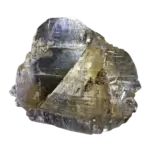
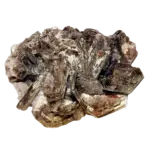
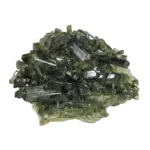
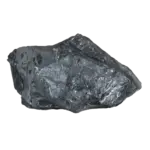
Fact Sheet:
- Chemical Composition: Primarily composed of quartz (SiO₂)
- Hardness: 7 on the Mohs scale
- Crystal System: Metamorphic rock, non-foliated
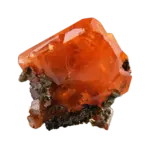
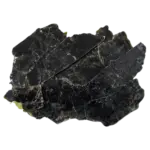
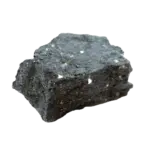
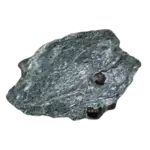
- Color Varieties: White, gray, pink, red, yellow, blue, green, and purple
- Major Localities: United States, Brazil, Norway, South Africa, India, and Canada
- Common Uses: Construction material, decorative stone, countertops, road ballast, and architectural applications
Introduction: Quartzite is a hard, durable metamorphic rock primarily composed of quartz that forms from the recrystallization of sandstone under intense heat and pressure. This process transforms the original quartz grains in the sandstone into a dense, interlocking mosaic of quartz crystals. Quartzite’s toughness, combined with its resistance to weathering and stunning natural beauty, makes it a highly sought-after material in construction, architecture, and interior design. Whether in ancient temples or modern luxury homes, quartzite’s blend of strength and elegance has made it a timeless favorite.
Formation: Quartzite forms through the metamorphism of quartz-rich sandstone, usually in regions where tectonic activity creates the pressure and heat necessary for this transformation. During metamorphism, the quartz grains in the sandstone recrystallize and fuse together, making the rock much harder and denser. This process eliminates the original pore spaces between the grains, giving quartzite its characteristic durability and resistance to erosion. Quartzite is typically found in mountain ranges and regions with a history of tectonic compression and volcanic activity.
Types and Colors: Quartzite is available in a variety of colors, primarily due to impurities in the original sandstone or the presence of minerals like iron oxide or chlorite:
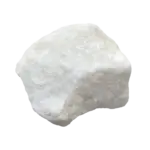
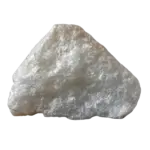
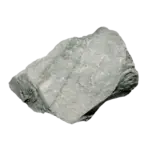
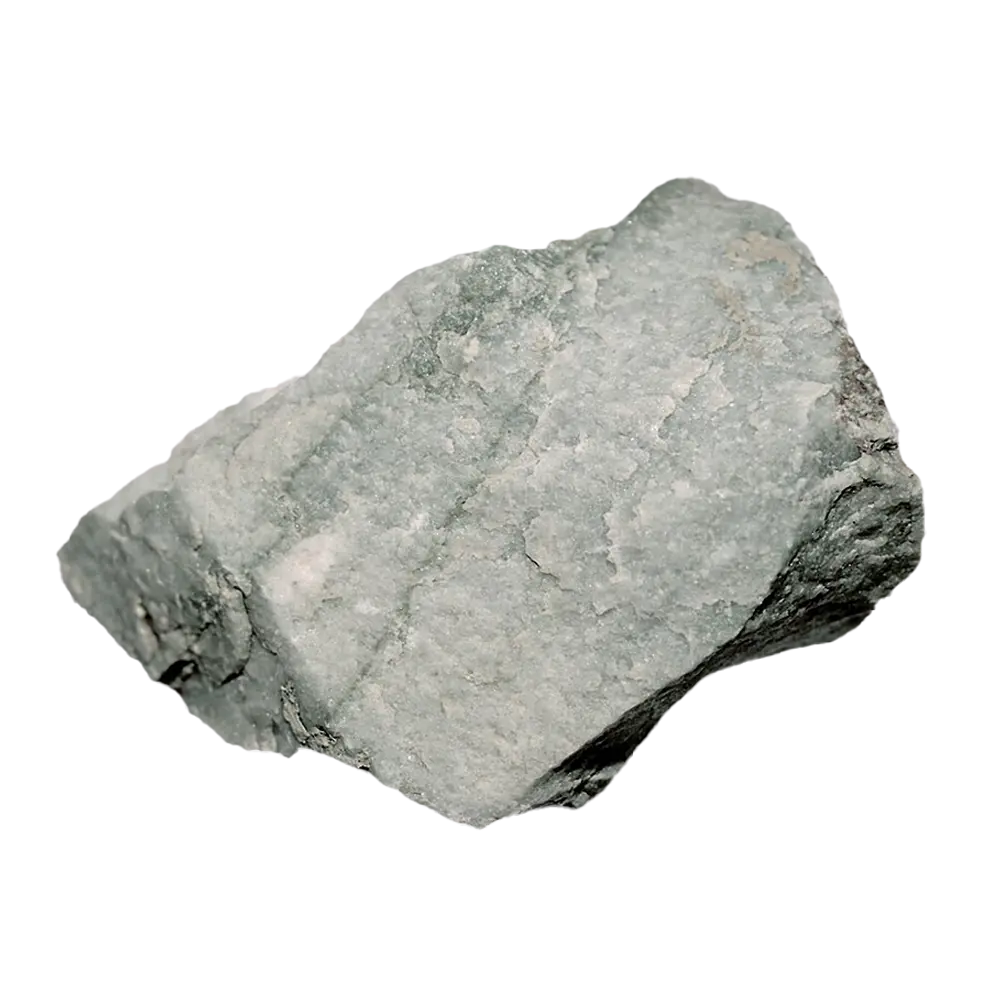
- Pure Quartzite: White or light gray, formed from quartz-rich sandstone with minimal impurities.
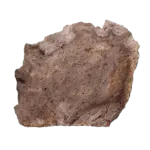
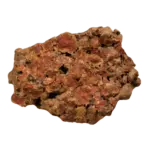
- Pink and Red Quartzite: Colored by iron oxide (hematite) present in the sandstone during metamorphism.
- Green Quartzite: Often colored by the presence of chlorite or other green minerals.
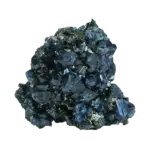
- Blue and Purple Quartzite: These rare hues occur due to specific mineral inclusions.
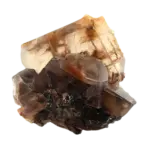
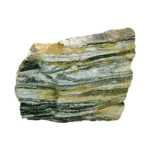
- Multicolored Quartzite: Some quartzite displays bands or streaks of various colors, adding to its aesthetic appeal and making it a popular choice for decorative uses.
Localities and Occurrence: Quartzite is found all over the world, particularly in regions with a history of tectonic activity and metamorphism:
- United States: Quartzite is abundant in the Appalachian Mountains and the Rocky Mountains, particularly in states like South Dakota (home to the famous Sioux Quartzite), Wisconsin, and Idaho.
- Brazil: Known for its high-quality quartzite deposits, Brazil is a major exporter of quartzite slabs for countertops and decorative stone.
- Norway: Quartzite is mined in the mountainous regions of Norway, where it is used both as a construction material and a decorative stone.
- South Africa: Quartzite is found in the Barberton Greenstone Belt, a region known for its ancient rock formations.
- India: India is a significant producer of quartzite, which is used in the construction and stone industries.
- Canada: Quartzite is found in the Canadian Shield, one of the oldest geological formations on Earth, and is used in both construction and decorative applications.
Applications: Quartzite’s strength and natural beauty make it a versatile material with a wide range of applications:
- Construction Material: Quartzite is frequently used as an aggregate for road building, concrete, and railway ballast due to its durability and resistance to abrasion.
- Countertops and Flooring: Quartzite’s hardness and elegant appearance make it a popular choice for countertops, tiles, and flooring in residential and commercial spaces. Its resistance to scratches, heat, and stains makes it an excellent alternative to granite and marble.
- Decorative Stone: Quartzite’s natural veining and color variations make it highly sought after as a decorative stone for both indoor and outdoor applications, including wall cladding, staircases, and fireplaces.
- Monuments and Sculptures: Quartzite’s durability and weather resistance make it an ideal material for monuments and outdoor sculptures, where it can withstand the elements for centuries.
- Architectural Stone: In historical and modern architecture, quartzite has been used for everything from the foundations of ancient temples to modern skyscrapers. Its strength and ability to be polished to a high sheen make it a preferred material for both structural and decorative purposes.