



Amphibole

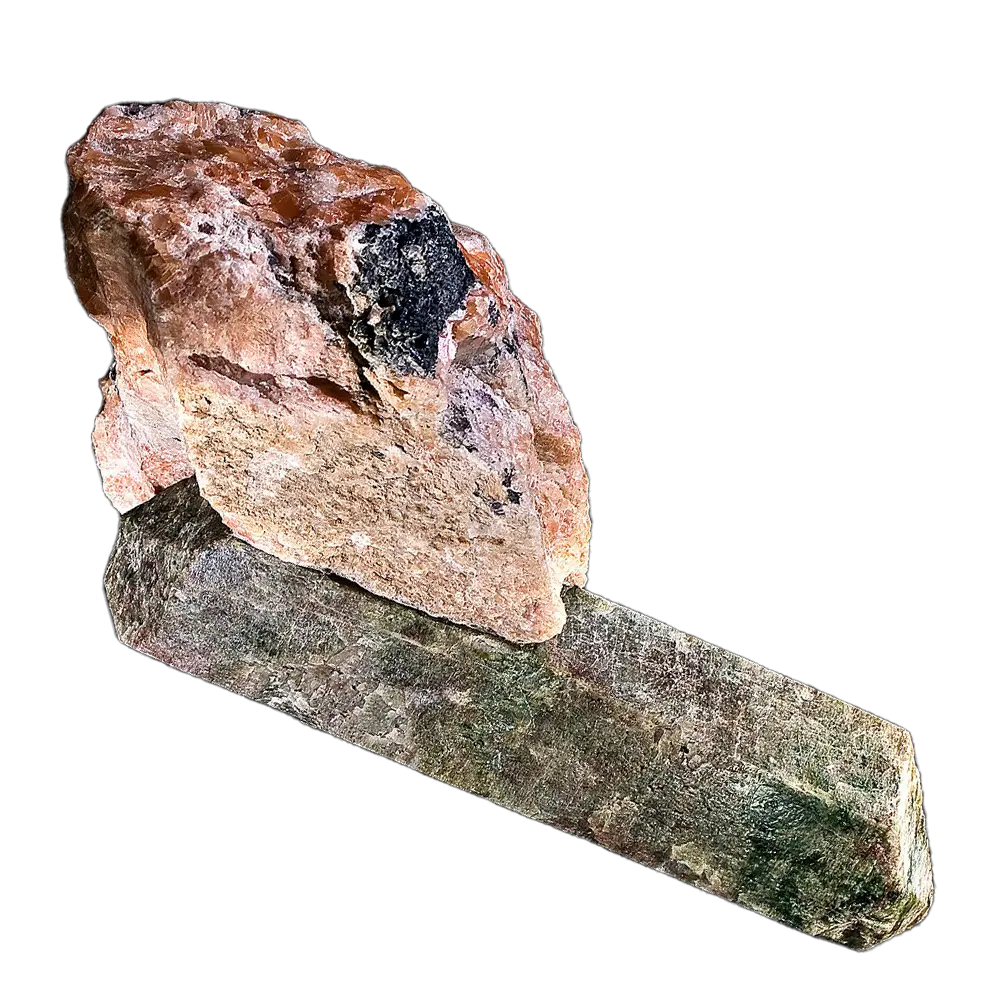
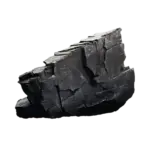
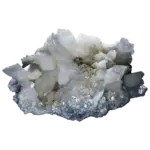
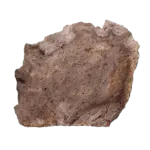
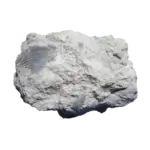
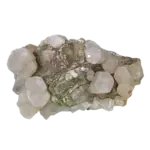
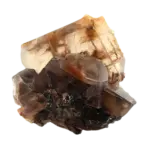
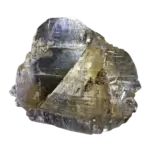
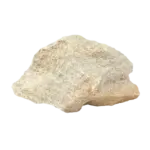
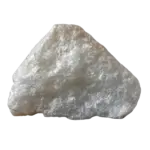
Amphibole sample on white background
Pascal founder of Geoscopy

admin 

Fact Sheet

  • Mineral type: Amphibole supergroup; double-chain inosilicate minerals, commonly containing OH, F, Cl, or O at one structural site

  • General formula: Amphiboles are commonly represented by AB₂C₅T₈O₂₂W₂. In many common amphiboles, T is mostly Si and W is mostly OH, giving simplified formulas such as AB₂C₅Si₈O₂₂(OH)₂. The A, B, C, T, and W sites allow extensive substitutions by elements such as Na, Ca, K, Mg, Fe, Al, F, Cl, and O.

  • Crystal system: Mostly monoclinic; some amphiboles are orthorhombic

  • Mohs hardness: Usually 5–6

  • Cleavage: Two good cleavages meeting at about 56° and 124°

  • Typical colors: Green, black, brown, white, colorless, blue, or lavender, depending on composition

  • Common members: Hornblende, tremolite, actinolite, glaucophane, riebeckite, anthophyllite, cummingtonite-grunerite

  • Main importance: Rock-forming minerals, indicators of igneous and metamorphic conditions, nephrite jade, and some historically important asbestos varieties
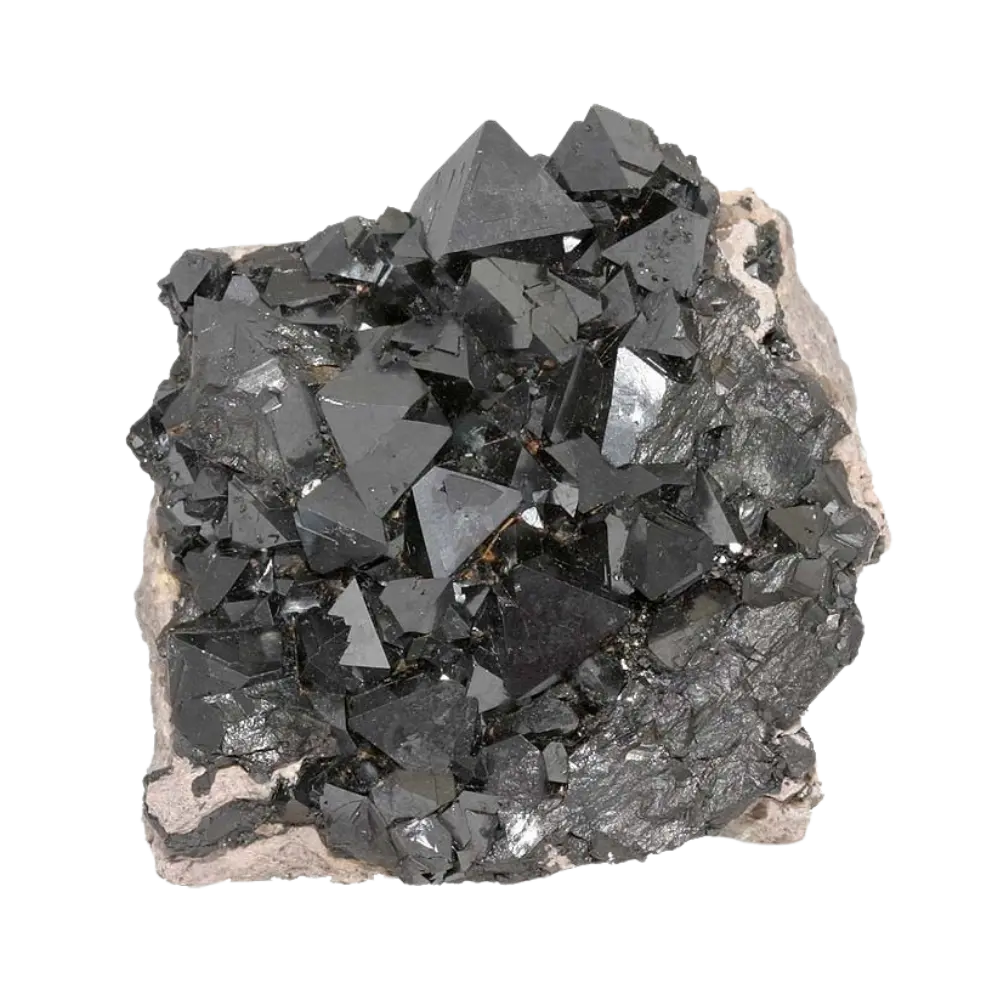
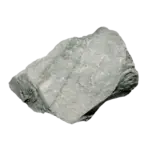
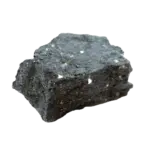
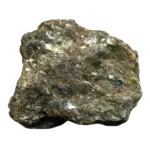
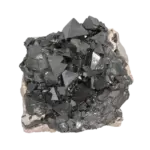
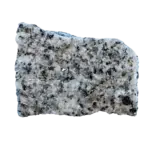
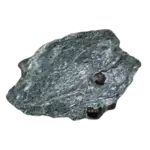
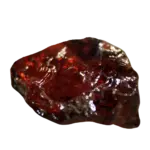
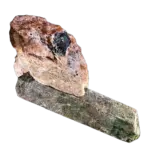
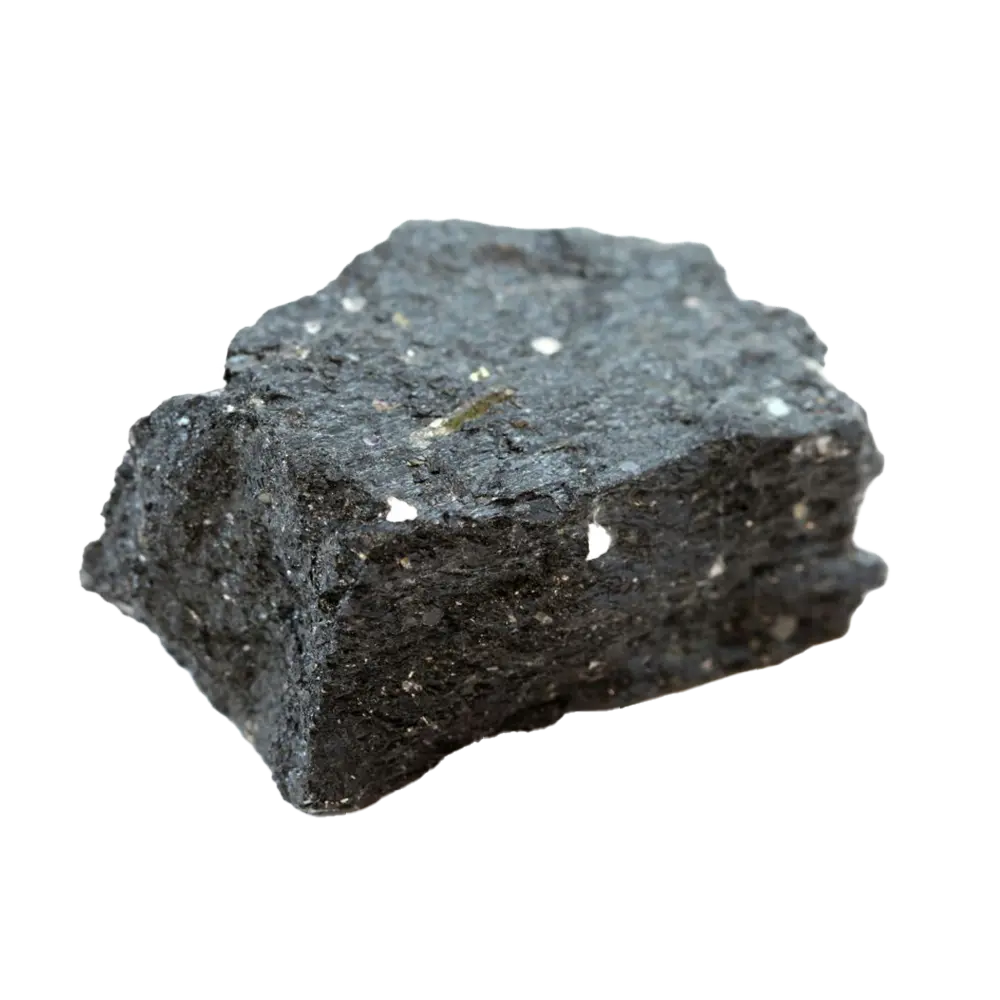
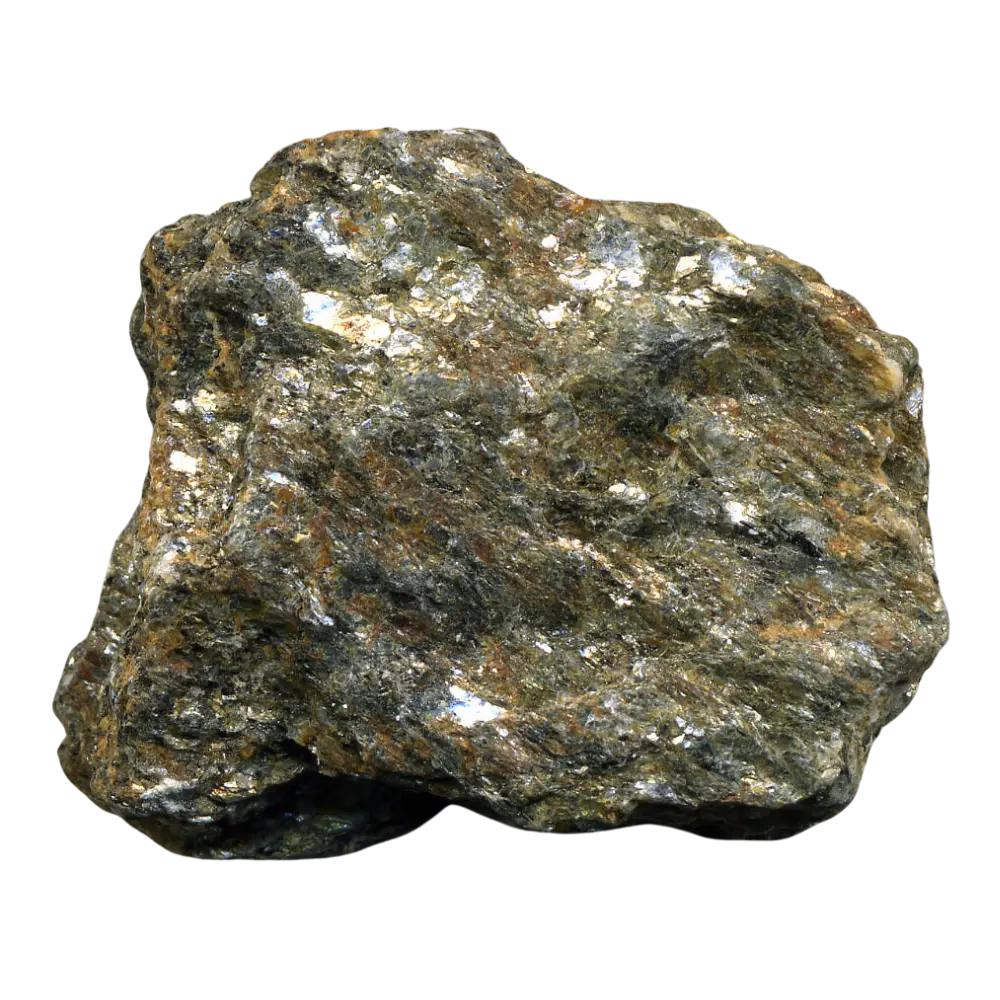
Dark hornblende amphibole in rock. Hornblende is the common dark amphibole many people encounter in igneous and metamorphic rocks. Source: Dave Dyet, Wikimedia Commons, “Amphibole – Hornblende in rock Iron aluminum silicate Lucas County Iowa 2072,” public domain.

What Is Amphibole?

Amphibole is not one mineral name in the way quartz or calcite is. It is a supergroup of related double-chain silicate minerals, many of which are major rock-forming minerals in igneous and metamorphic rocks. Many common amphiboles contain hydroxyl, written as OH, although the same structural site can also contain F, Cl, or O. Together with their double-chain silicate structure, this helps separate amphiboles from pyroxenes, which are single-chain inosilicates and commonly show cleavage angles closer to 90°.

In the field, amphibole is often recognized by its crystal shape and cleavage. Amphiboles often form long prismatic or needle-like crystals, and in hand specimen they commonly show two cleavage directions that meet at about 56° and 124°. This is one of the classic field clues geologists use when identifying amphibole-bearing rocks.

How Amphibole Forms

Amphiboles form in many geological settings, but they are especially important where water plays a role. In igneous rocks, they can crystallize from water-bearing magmas and are common in rocks such as diorite, granodiorite, some gabbros, and some volcanic rocks.

Different amphiboles can point to different pressure-temperature conditions and rock histories. Hornblende is common in many igneous and metamorphic rocks. Actinolite is typical of low- to medium-grade metamorphic rocks. Tremolite often forms in metamorphosed carbonate rocks such as dolomitic marbles. Glaucophane, with its distinctive blue color, is a key mineral of blueschist rocks, which form under high-pressure, low-temperature conditions in subduction zones.
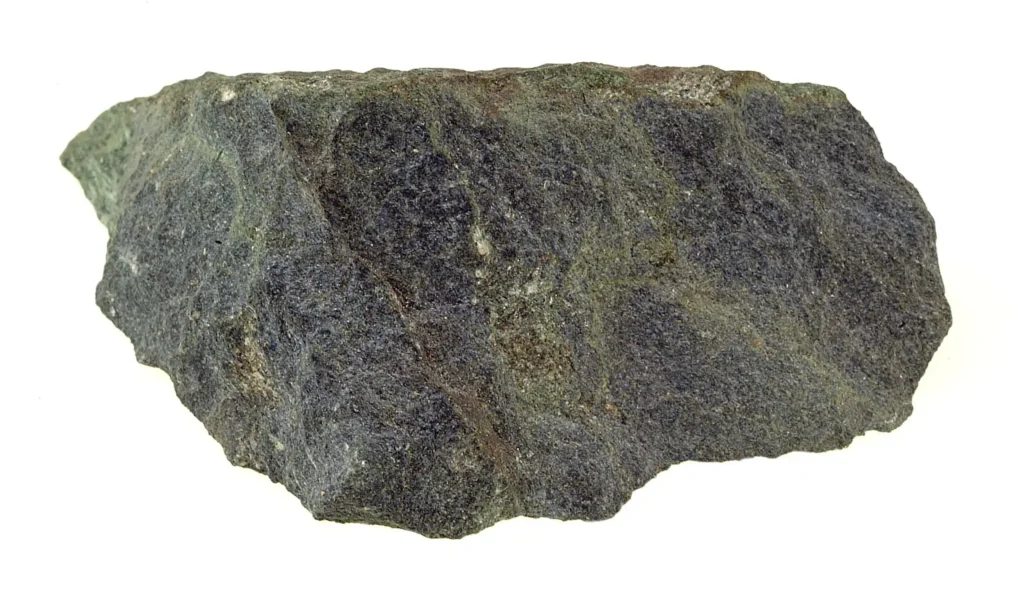
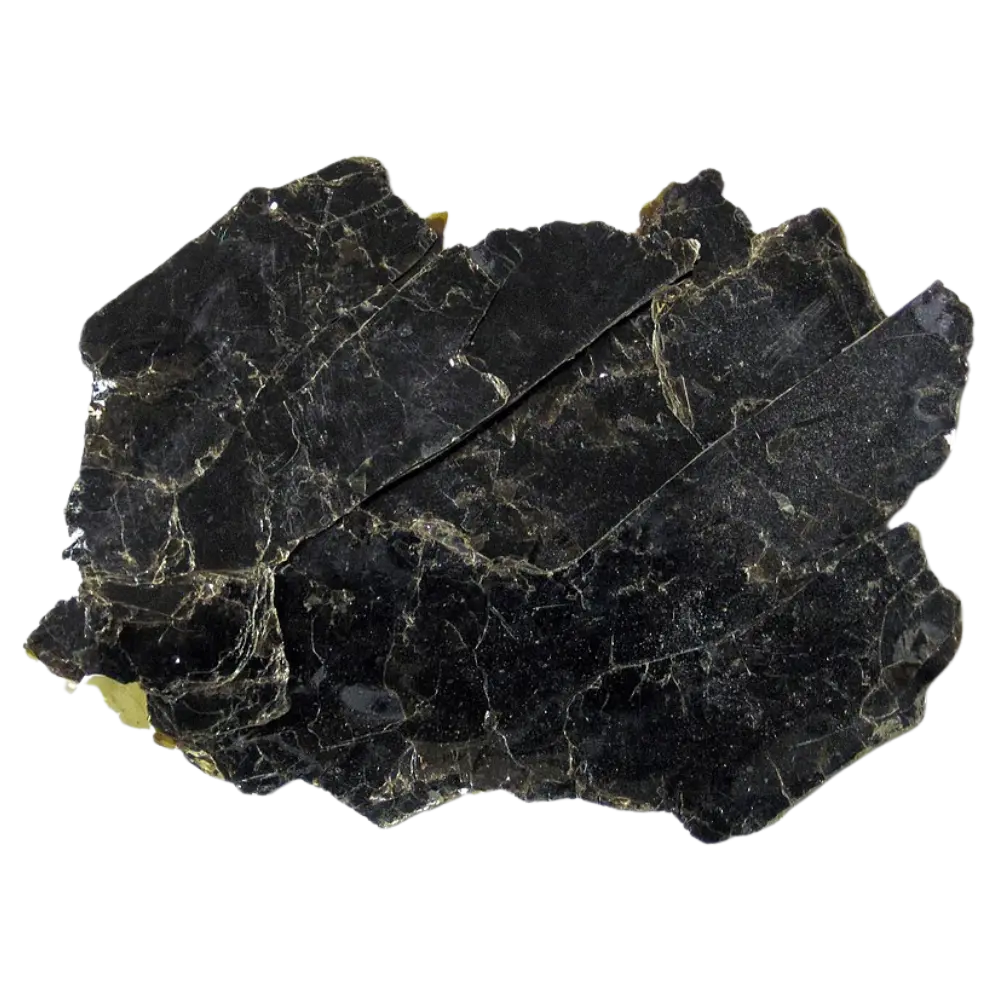
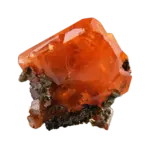
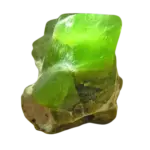
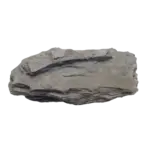
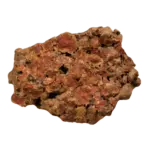
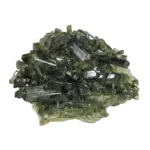
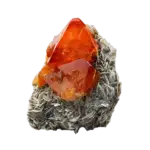
Blueschist containing bluish glaucophane and light green pumpellyite. Glaucophane is a sodium amphibole and one of the classic minerals of blueschist-facies metamorphism. Source: Shannon Heinle / Geoscience Digital Image Library via Wikimedia Commons, “Blueschist – Pumpellyite and glaucophane in a blueschist,” CC0 public domain dedication.

Types of Amphibole

Hornblende is a familiar field name for dark green to black, complex calcium-rich amphiboles. In hand specimen and thin section, geologists often use “hornblende” for common dark amphiboles in rocks such as diorite, granodiorite, amphibolite, and gneiss, even though modern amphibole nomenclature is more precise.

Tremolite is usually white, pale gray, or light green. It commonly forms in metamorphosed dolomitic rocks and belongs to the tremolite-actinolite series.

Actinolite is the greener, iron-bearing member of the tremolite-actinolite series. It is common in many metamorphic rocks and can occur as bladed, radiating, or fibrous crystals.

Glaucophane is blue to bluish gray and is strongly associated with blueschist-facies metamorphism. Its presence can tell geologists that a rock experienced high pressure at relatively low temperature.

Riebeckite is a dark blue to black sodium amphibole. Its fibrous variety, crocidolite, is better known as blue asbestos.

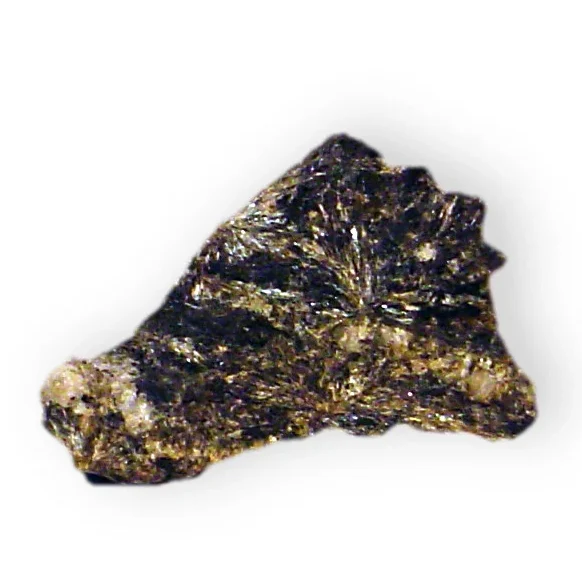
Anthophyllite and cummingtonite-grunerite are magnesium-iron amphiboles. Their asbestiform varieties include anthophyllite asbestos and grunerite asbestos, better known commercially as amosite.
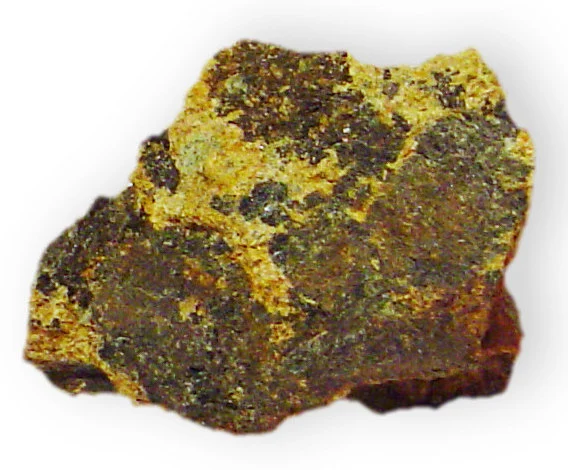
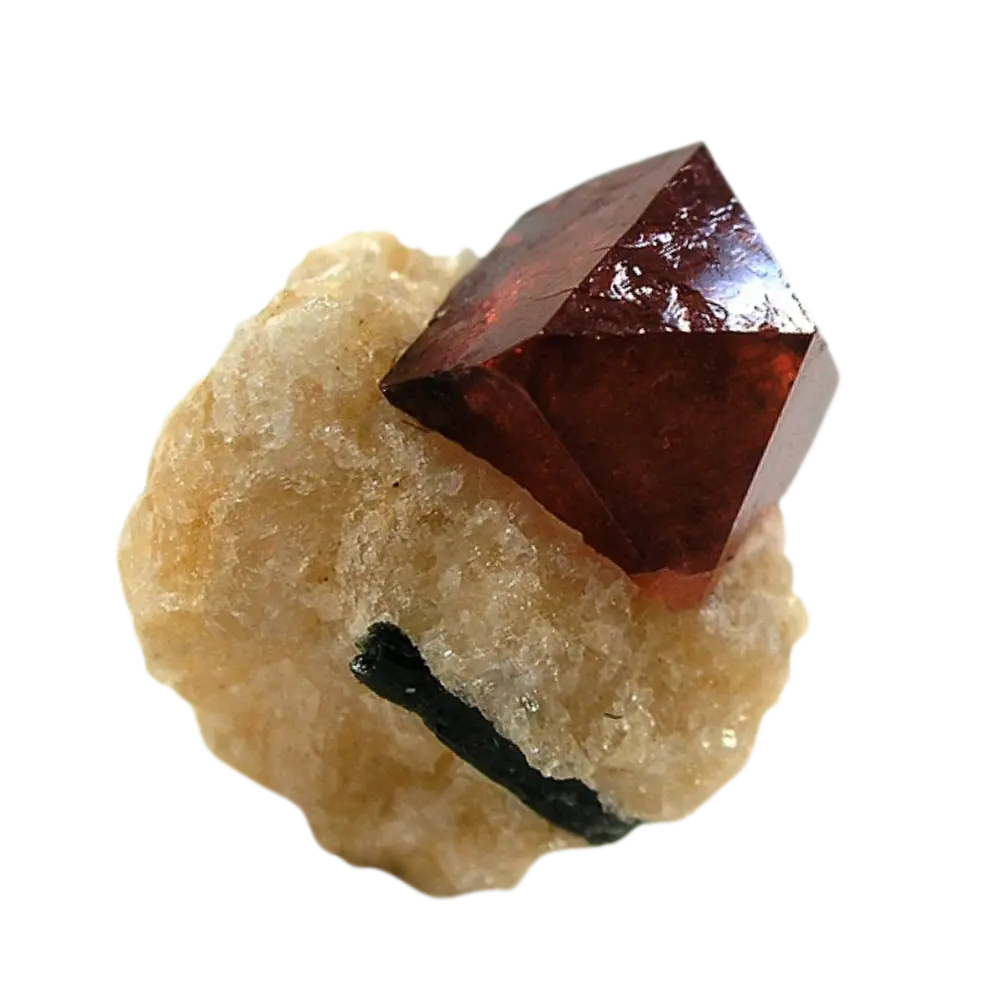
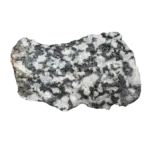
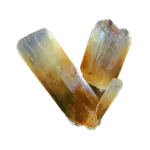
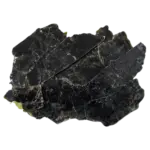
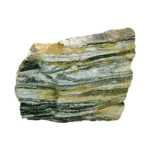
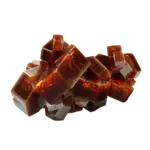
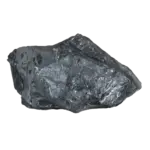
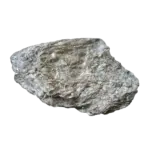
Cummingtonite with chlorite in schist from the Homestake Mine area, South Dakota. Cummingtonite belongs to the magnesium-iron amphiboles. Source: Dave Dyet, Wikimedia Commons, “Amphibole – Cummingtonite w- chlorite in schist Magnesium iron silicate 3800 foot level Homestake Mine Lawrence County South Dakota 2071,” public domain.

Uses and Importance

Amphiboles are most important as geological clues. Because they form under particular pressure, temperature, and fluid conditions, they help geologists interpret the history of igneous and metamorphic rocks. Amphibole chemistry can also preserve information about magma evolution, metamorphic grade, and fluid-rock interaction.

Some amphibole-rich materials have ornamental value. Nephrite jade, for example, is made mainly of very fine intergrown tremolite-actinolite amphibole. It has been used for carvings, tools, jewelry, and decorative objects.

Some amphiboles are also important because of their asbestos varieties. Several asbestiform amphiboles were once used industrially because their fibers are heat-resistant and durable. Asbestiform amphiboles, including crocidolite, amosite, tremolite asbestos, actinolite asbestos, and anthophyllite asbestos, were historically used because their fibers are heat-resistant and durable. These uses are now heavily restricted or banned in many countries because inhaled asbestos fibers can cause serious disease, including asbestosis, lung cancer, and mesothelioma.

Health and Safety Note

Not every amphibole specimen is asbestos. The hazard depends strongly on whether the mineral occurs in an asbestiform, respirable fibrous habit. Still, suspected fibrous amphibole material should be treated cautiously. Do not saw, grind, drill, crush, or polish unknown fibrous amphibole specimens without expert identification and appropriate safety controls.

Where Is Amphibole Found?

Amphiboles are found worldwide. Because amphibole is a mineral group rather than a single mineral, it is better to describe its occurrence by rock type instead of listing a few countries. Amphiboles occur in many igneous and metamorphic rocks, including amphibolite, schist, gneiss, diorite, granodiorite, and some altered mafic rocks. Specific amphibole species have their own classic localities, but the group as a whole is globally widespread.
Share Rock

more rocks.minerals

View All
Polished sample of a gneiss rock

Gneiss

Brown crystals of feldspar mineral specimen

Feldspar

Large basalt on white background

Basalt

Green fluorite crystal on yellowish mineral matrix

Fluorite

Amphibole sample on white background

Amphibole

Rough beige sandstone rock on white background

Sandstone

Bright yellow-green adamite specimen close-up

Adamite

Calcite crystals on metallic mineral surface

Calcite

Dark black biotite mica mineral specimen

Biotite

Metamorphic rock with dark red garnet crystals

Chlorite

Sample of apatite mineral crystal

Apatite

Muscovite mineral

Muscovite

Marble close-up

Marble

Marble, a calcium carbonate metamorphic rock, is used in sculpture, architecture, and countertops.

Read more
Zircon crystal on beige mineral rock

Zircon

Zircon is a durable mineral used in jewelry, geological dating, and ceramics.

Read more
Shiny metallic pyrite mineral cluster

Pyrite

Pyrite, or “Fool’s Gold,” is used for sulfur and iron production.

Read more
Vanadinite crystal cluster on white background

Vanadinite

Vanadinite is a bright red mineral, primarily sourced from lead deposits.

Read more
Orange scheelite crystal on gray matrix rock

Scheelite

Scheelite, a calcium tungstate, is the main source of tungsten for tools and alloys.

Read more
Raw red garnet gemstone close-up

Garnet

Garnet is a group of silicate minerals used as gemstones and abrasives.

Read more
Large translucent gypsum mineral specimen

Gypsum

Gypsum, a soft calcium sulfate mineral, is primarily used as plaster or in cement production.

Read more
Close-up of a granite rock sample

Granite

Granite is a durable igneous rock used in construction, monuments, and countertops.

Read more
Monazite mineral crystal cluster

Monazite

Monazite, a group of rare earth minerals, is a key source of rare earth elements.

Read more
Shiny black magnetite crystal mineral specimen

Magnetite

Magnetite, an iron oxide with magnetic properties, is used in steel production and catalysts.

Read more
Limestone rock with visible fossil imprint

Limestone

Limestone, mainly calcium carbonate, is used in construction, cement, and water treatment.

Read more
White kernite crystal

Kernite

Kernite is a boron-rich mineral used in glassmaking, detergents, and ceramics.

Read more
Beryl crystals with brown mineral base

Beryl

Beryl is a gemstone mineral, including emerald and aquamarine, and a source of beryllium.

Read more
Wulfenite crystal specimen

Wulfenite

Wulfenite is a bright orange or yellow mineral, prized by collectors.

Read more
Metamorphic rock with dark red garnet crystals

Chlorite

Chlorite, a green phyllosilicate mineral, is used as a geological indicator and industrial filler.

Read more
Brown crystals of feldspar mineral specimen

Feldspar

Feldspar is an aluminum silicate used in ceramics, glass, and construction.

Read more
Bright green olivine crystal mineral specimen

Olivine

Olivine, a magnesium iron silicate, is used in gemstones (peridot) and refractory materials.

Read more
Shiny metallic hematite crystal cluster

Hematite

Hematite is an iron oxide mineral used for iron ore, pigments, and radiation shielding.

Read more
Amphibole sample on white background

Amphibole

Amphibole is a diverse mineral group used for geological indicators and as insulation.

Read more
White dolomite crystal mineral cluster

Dolomite

Dolomite is a calcium magnesium carbonate used in construction and agriculture.

Read more
Shiny black coal

Coal

Coal, mainly carbon, is used for energy and steel production.

Read more
Calcite crystals on metallic mineral surface

Calcite

Calcite is a trigonal calcium carbonate mineral used mainly in construction for making cement.

Read more
Shiny metallic pyrite mineral cluster

Galena

Galena is the main ore of lead and silver, used in batteries and shielding.

Read more
Borax mineral specimen

Borax

Borax is a sodium borate used in cleaning and glassmaking.

Read more
Muscovite mineral

Muscovite

Muscovite, a mica mineral, is used in insulation, fireproofing, and cosmetics.

Read more
Dark gray shale rock sample

Shale

Shale, a fine-grained sedimentary rock, is used for natural gas, cement, and research.

Read more
Green pyroxene crystal mineral specimen

Pyroxene

Pyroxene, a silicate mineral group found in igneous and metamorphic rocks.

Read more
White halite rock salt crystal cluster

Halite

Halite, or rock salt, is a sodium chloride mineral used for seasoning, de-icing, and industry.

Read more
Dark black biotite mica mineral specimen

Biotite

Biotite is a dark mica mineral used in insulation and geological studies.

Read more
Brown volcanic rock texture close-up

Rhyolite

Rhyolite, a silica-rich volcanic rock, is used in construction and research.

Read more
Polished sample of a gneiss rock

Gneiss

Gneiss is a durable, banded metamorphic rock used in construction and decoration.

Read more
Dark blue scorodite crystal cluster mineral specimen

Scorodite

Scorodite, a hydrated iron arsenate, is valued for arsenic containment and as a collector’s mineral.

Read more
Green fluorite crystal on yellowish mineral matrix

Fluorite

Fluorite, a colorful calcium fluoride, is used as flux in steelmaking, glass, and as gemstones.

Read more
Talc mineral

Talc

Talc, the softest mineral, is used in baby powder, cosmetics, ceramics, and plastics.

Read more
Clear quartz crystal cluster on black background

Quartz

Quartz, a silicon dioxide mineral, is used in jewelry and electronics.

Read more
Gray quartzite rock on white background

Quartzite

Quartzite, a durable metamorphic rock made of quartz, is used in construction and countertops.

Read more
Shist rock example

Schist

Schist, a layered metamorphic rock rich in mica and quartz, is often used in construction.

Read more
Large basalt on white background

Basalt

Basalt is a dark, fine-grained igneous rock used in construction, monuments, and geological studies.

Read more
Descloizite mineral crystal cluster

Descloizite

Descloizite is a lead-zinc vanadate mineral, mainly found in Namibia and Mexico.

Read more
Diorite rock close up

Diorite

Diorite is a tough igneous rock used in construction, art, and in research.

Read more
Cluster of shiny brown mica crystals

Mica

Mica is a group of silicate minerals with varying compositions mainly in insulation and electronics.

Read more
Piece of red and brown bauxite ore

Bauxite

Bauxite is the main aluminum ore, primarily found in Australia.

Read more
Clear barite crystal mineral specimen

Barite

Barite is a barium sulfate mineral used in drilling, shielding, and paints.

Read more
Colorful watermelon tourmaline crystal slice

Tourmaline

Tourmaline is a colorful boron silicate mineral used as a gemstone and in electronics.

Read more
Bright yellow-green adamite specimen close-up

Adamite

Adamite is a rare, colorful orthorhombic mineral prized by collectors for its vibrant crystals.

Read more
Rough beige sandstone rock on white background

Sandstone

Sandstone, composed of quartz and feldspar, is used in construction, paving, landscaping, and glassmaking.

Read more
Sample of apatite mineral crystal

Apatite

Apatite is a calcium phosphate mineral found in various colors, primarily used in fertilizers.

Read more

join.me

Geology made clear, in your inbox.

Get clear, visual explainers on rocks, minerals, deep time, and the most fascinating parts of Earth science from Geoscopy.
Amphibole sample on white background

Amphibole

Amphibole is a diverse mineral group used for geological indicators and as insulation.

Read more