




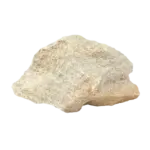
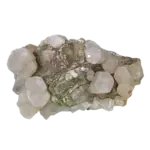

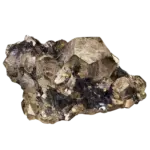
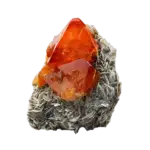
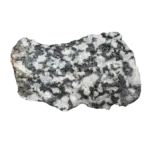


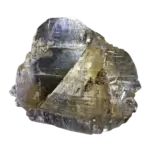


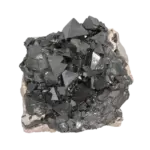
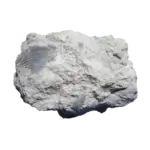
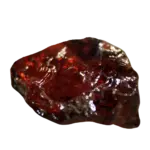
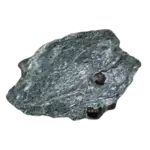
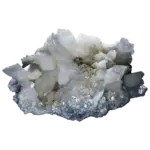


Fact Sheet:
– Chemical Composition: SiO₂ (Silicon Dioxide)
– Hardness: 7 on the Mohs scale
– Crystal System: Hexagonal
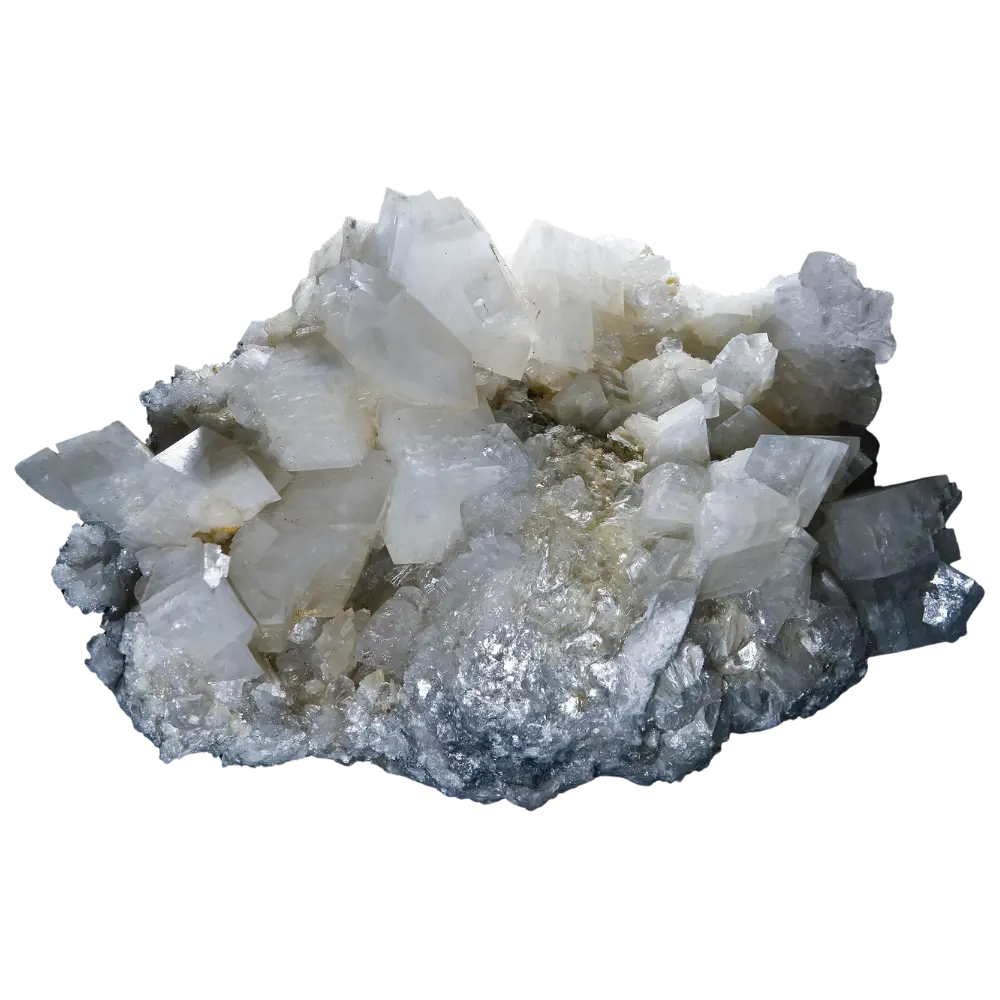
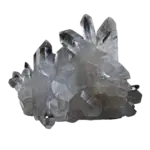
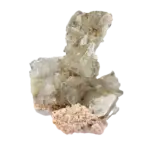
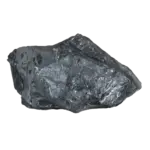
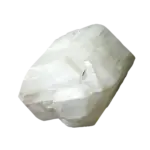
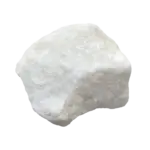
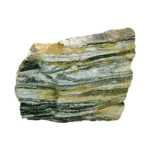
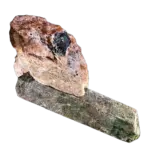
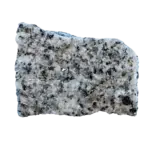
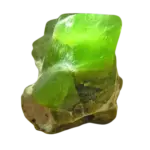
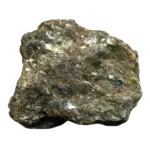
– Color Varieties: Clear, white, pink (rose quartz), black (smoky quartz), purple (amethyst), yellow (citrine), and others
– Major Localities: Brazil, Madagascar, the United States, and the Alps in Europe
Common Uses: Jewelry, electronic components, and as a decorative stone in construction
Introduction: Quartz, one of the most abundant minerals on the Earth’s surface, forms a key component of continental crust. Known for its durability and wide range of colors, quartz serves both aesthetic and functional purposes, making it a cornerstone in the realms of gemology and industrial applications.
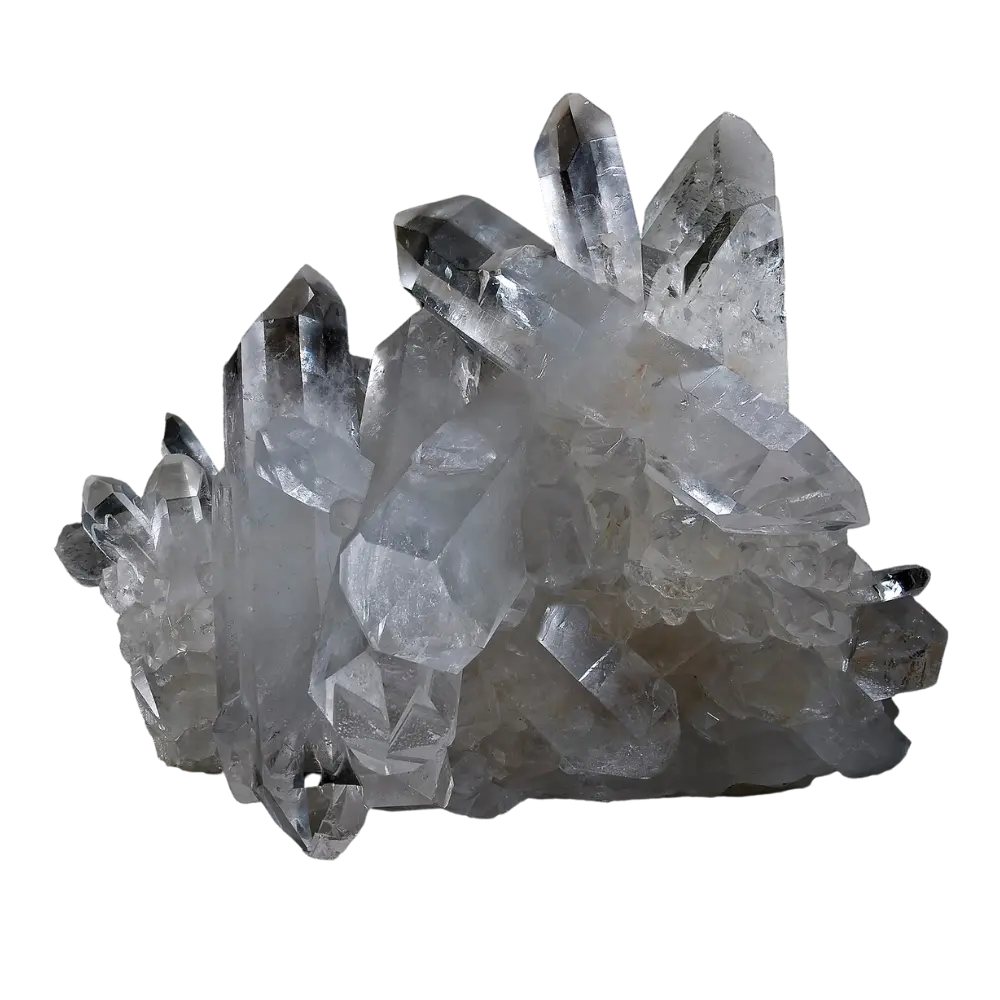
Formation: Quartz crystallizes from silica-rich solutions primarily in igneous and metamorphic rocks. The process begins deep within the Earth, where high temperatures and pressures transform silicon and oxygen into a molten silica gel. As this gel cools and migrates upwards, it encounters varying temperatures and pressures that encourage quartz crystals to form. These conditions often occur in the cavities within rocks, where the open space allows crystals to grow unhindered, leading to the well-formed quartz crystals often admired in collections.
Types and Colors: The coloration in quartz arises from impurities within the crystal structure. For instance:
– Amethyst gains its purple hue from iron impurities and irradiation.
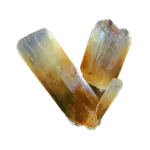
– Citrine’s yellow tones result from heat treating amethyst.
– Rose quartz displays its delicate pink due to trace amounts of titanium, iron, or manganese.
– Localities and Mining: Brazil is renowned for its prolific quartz mines, producing large quantities of high-quality crystals. The Spruce Pine district in the USA, Madagascar, and the French Alps are also significant sources, each contributing uniquely colored and structured quartz varieties to the global market.
Applications: Beyond its use in jewelry, quartz’s piezoelectric properties — the ability to generate an electric charge in response to applied mechanical stress — make it invaluable in electronics, such as in watches, clocks, and radios.