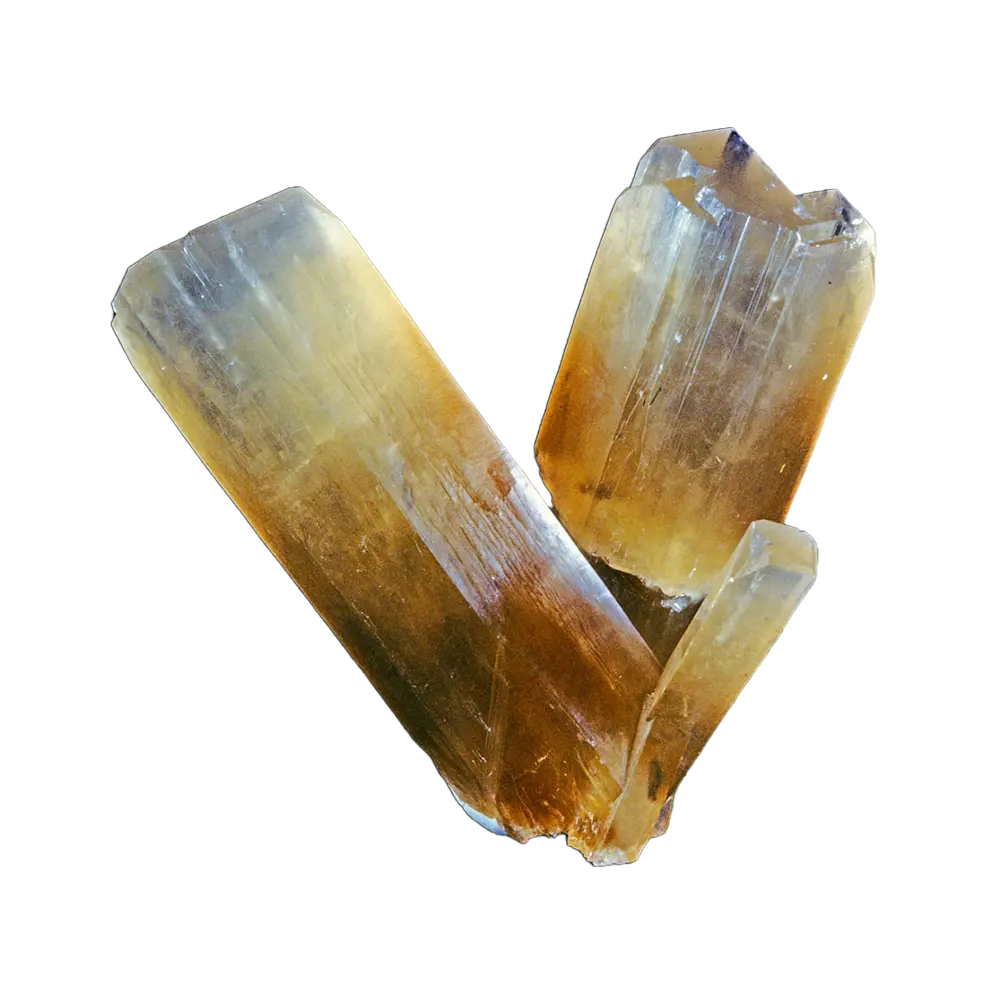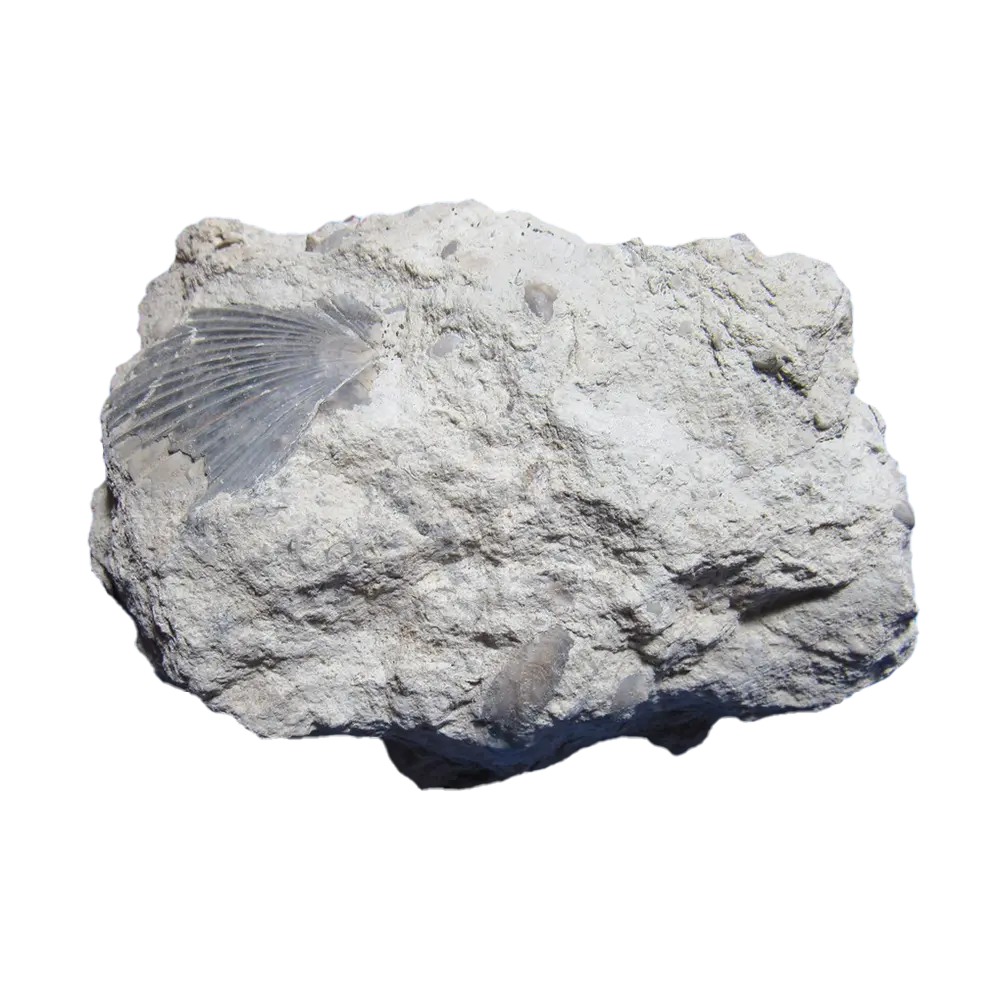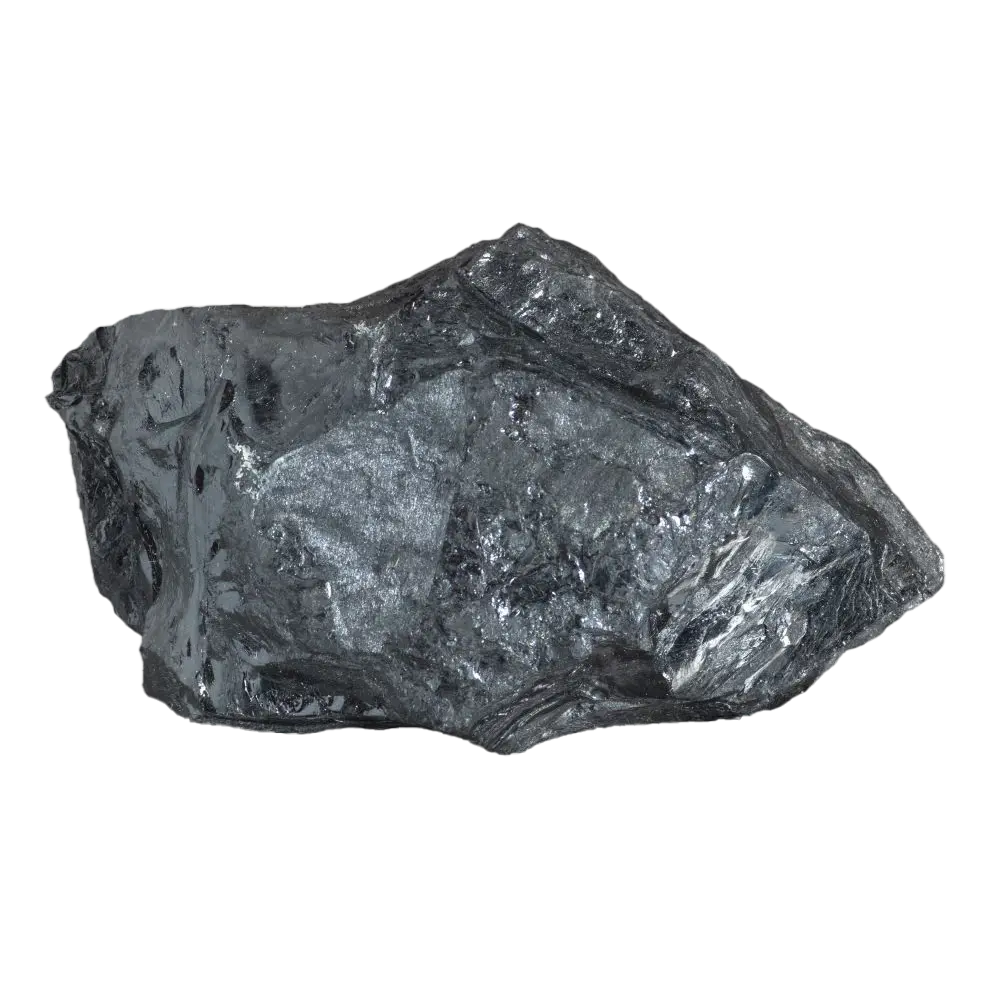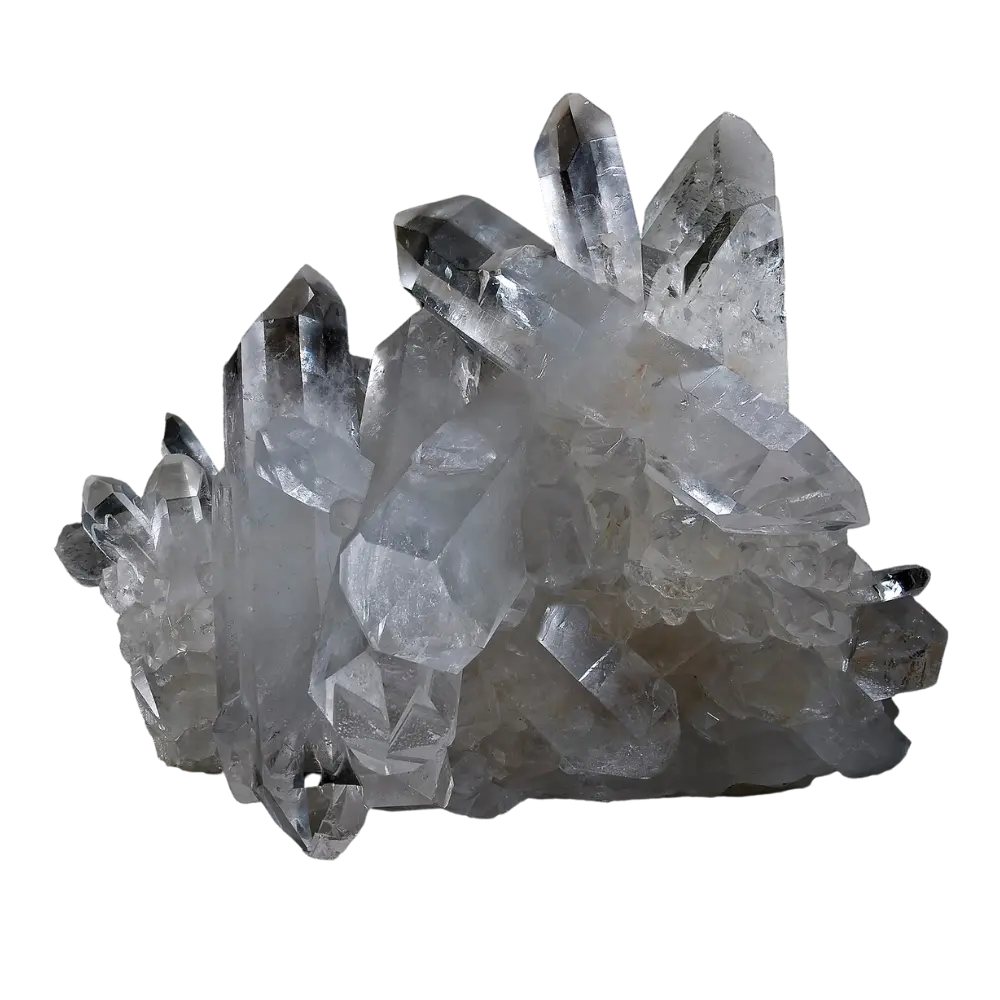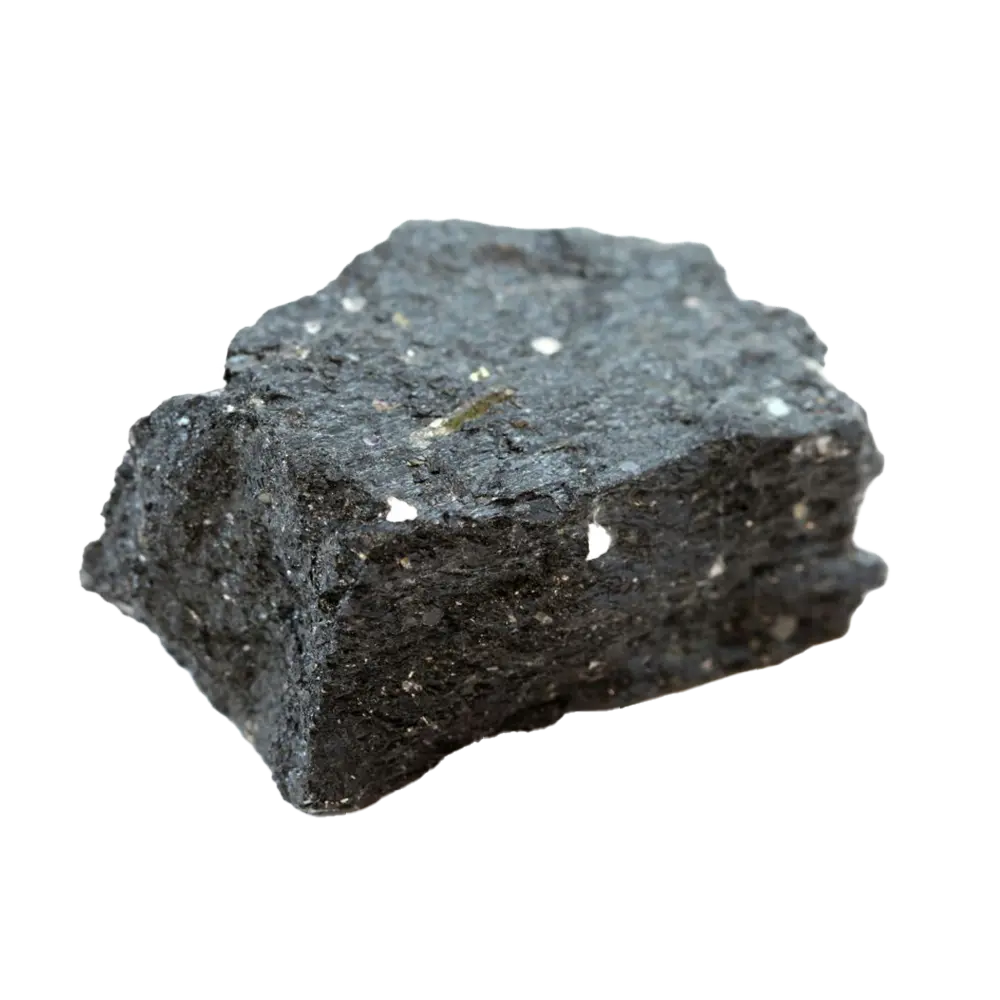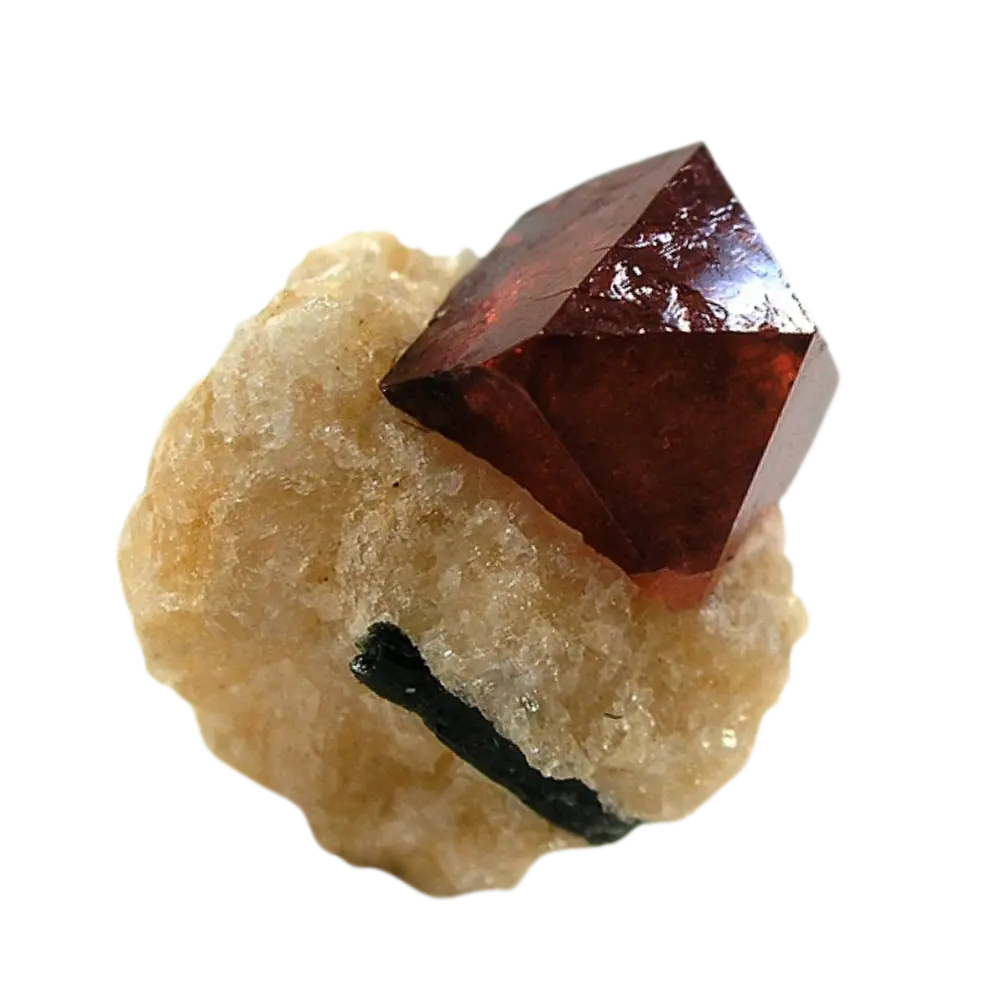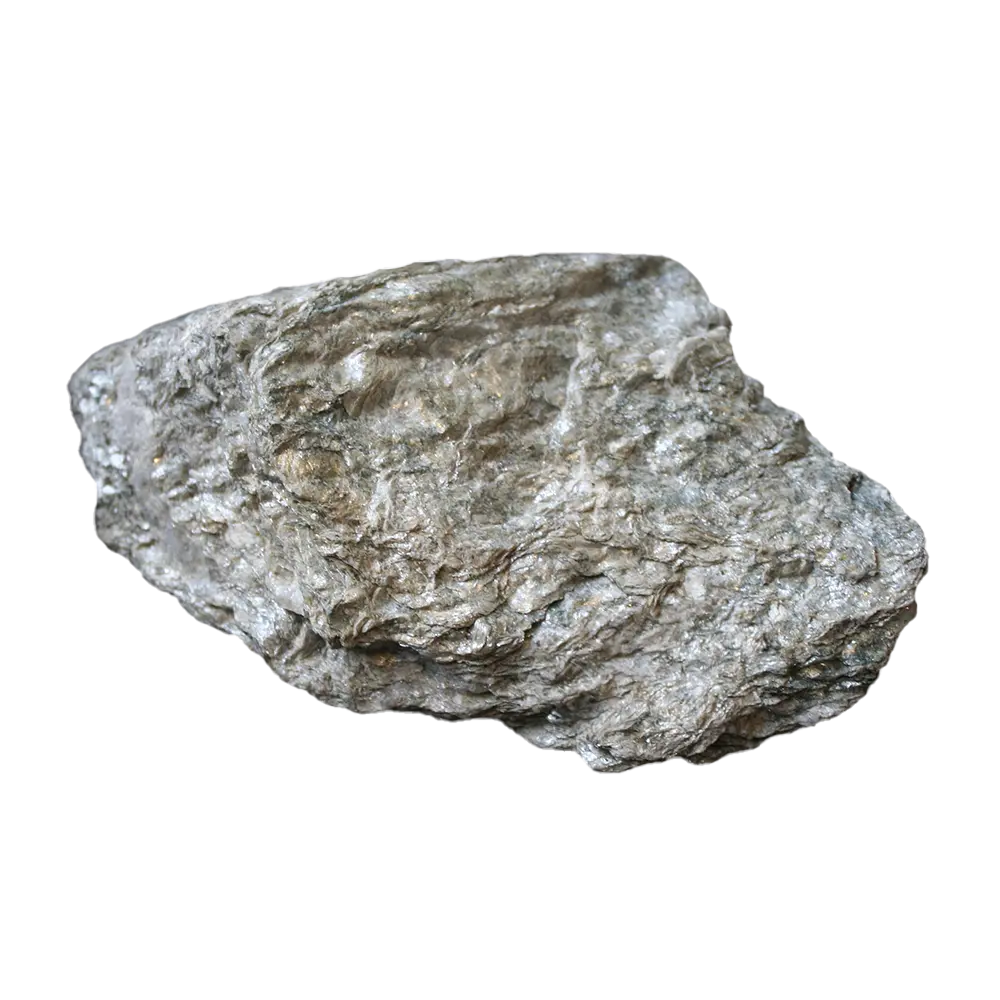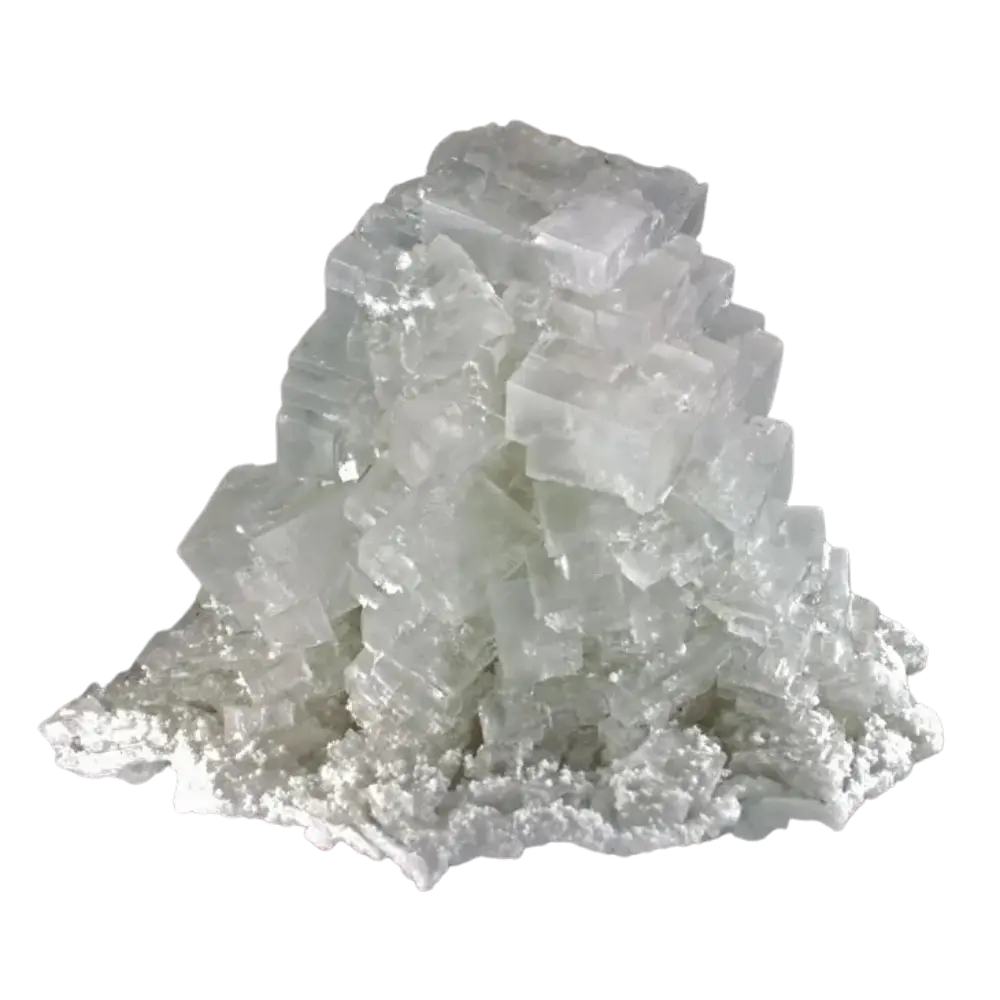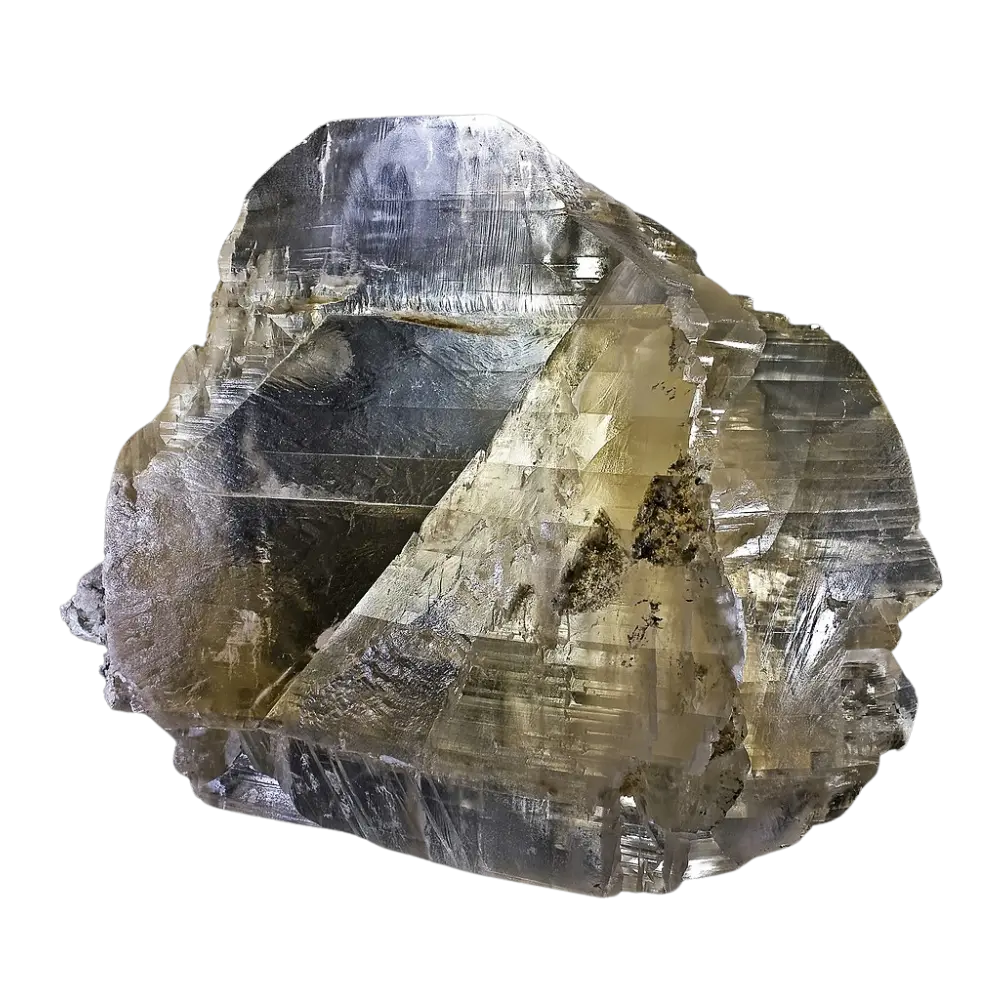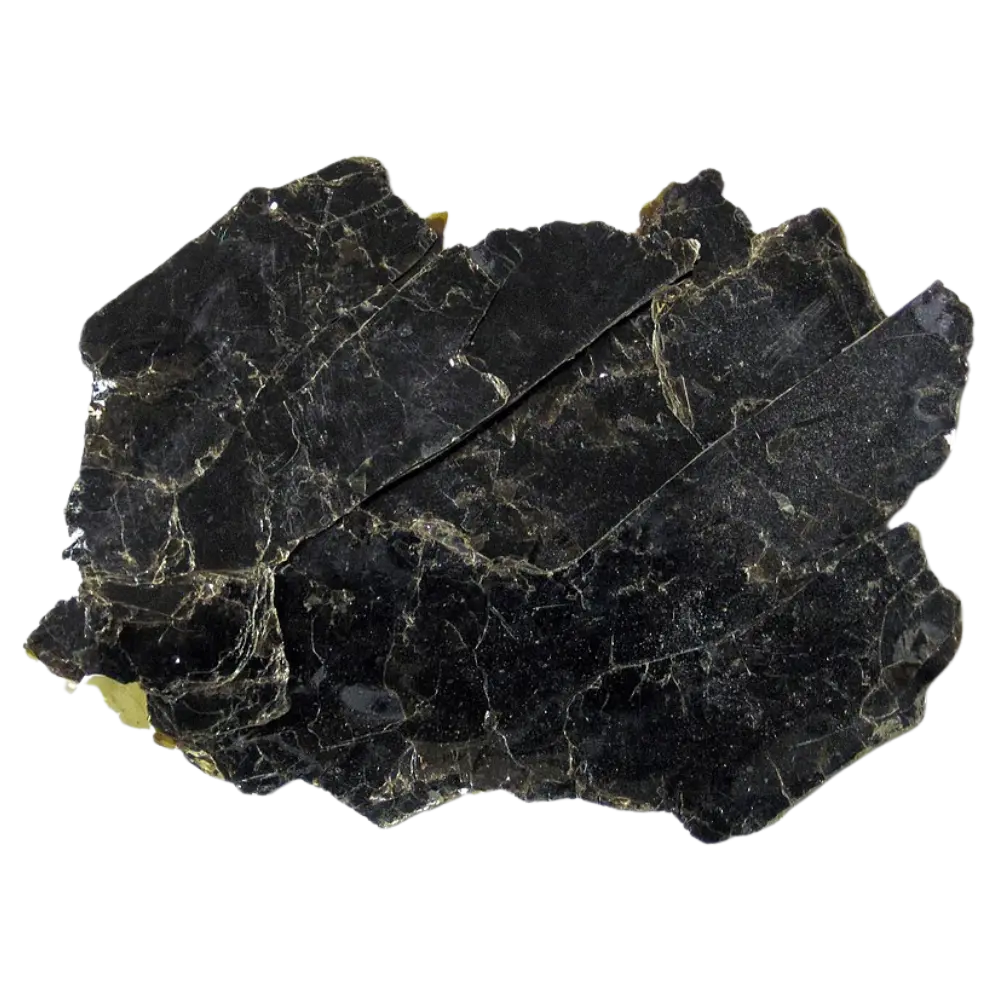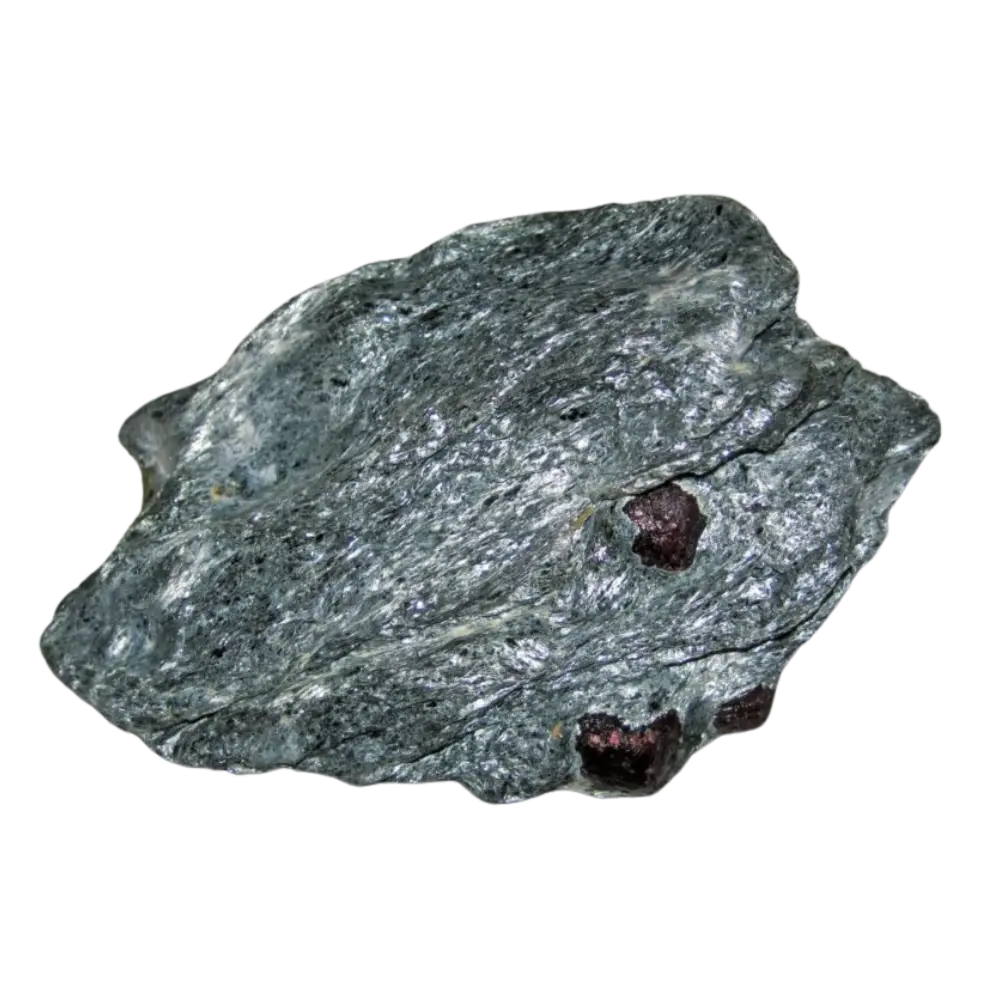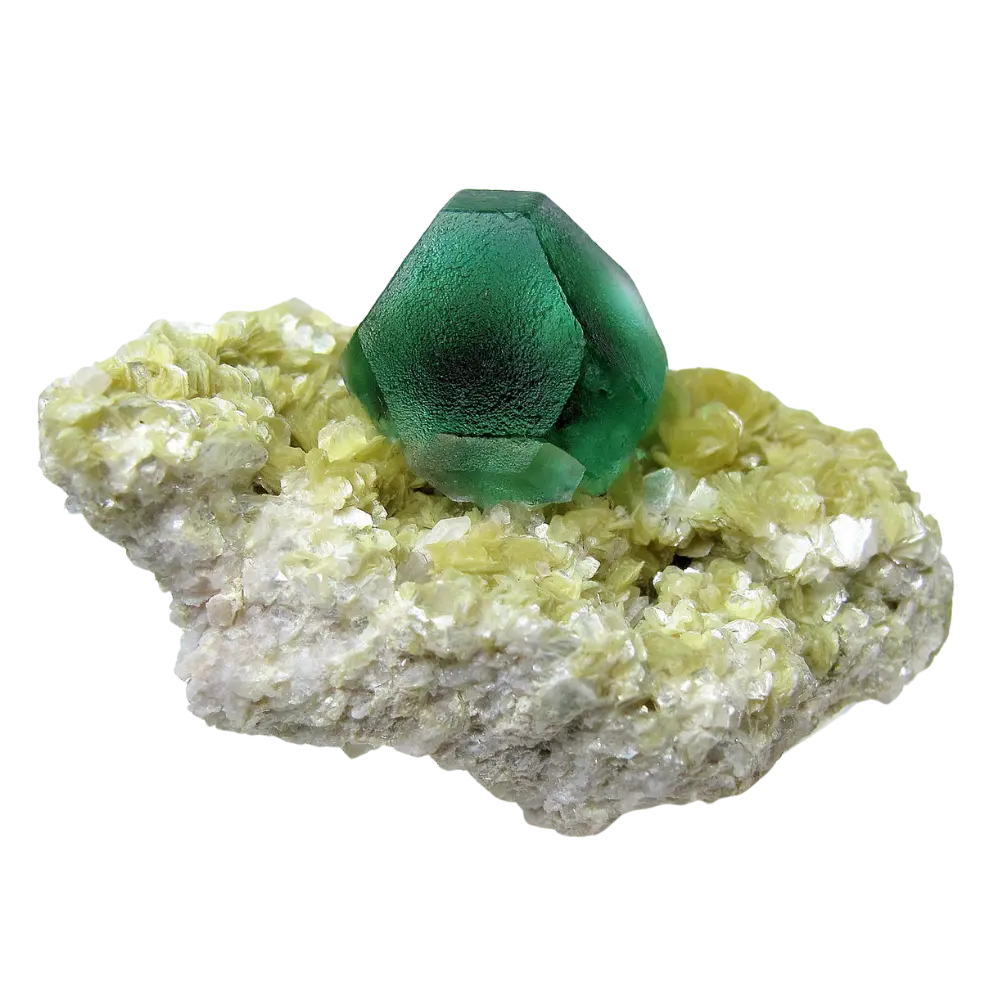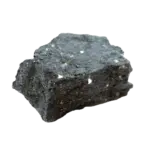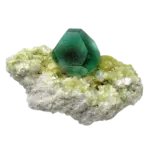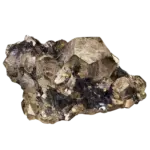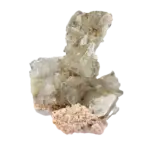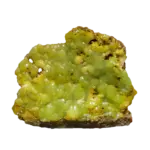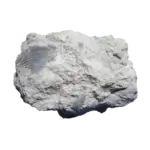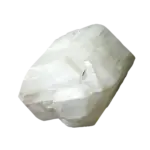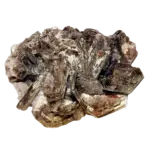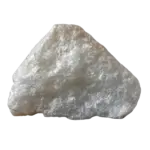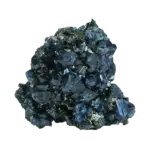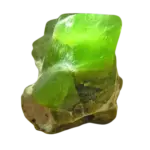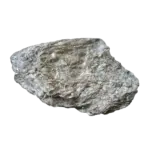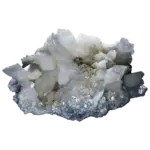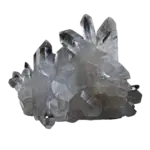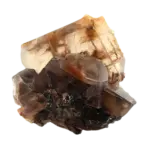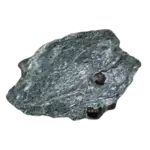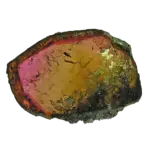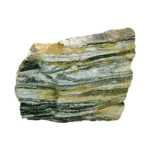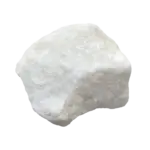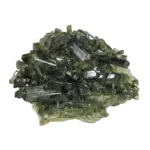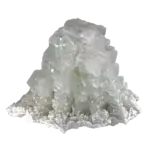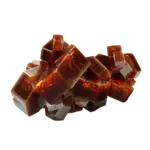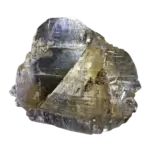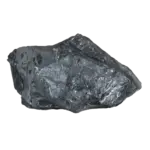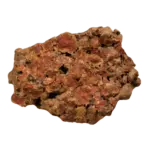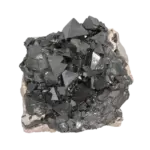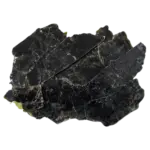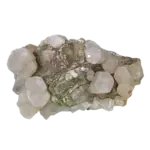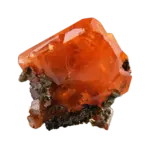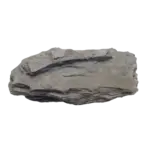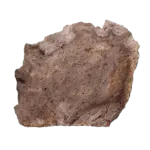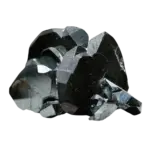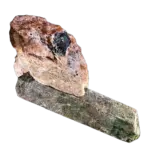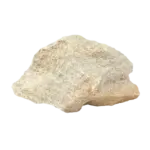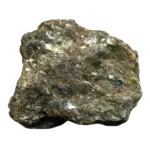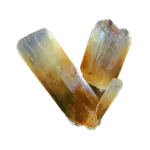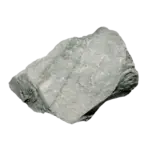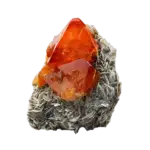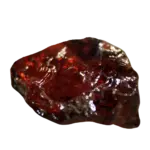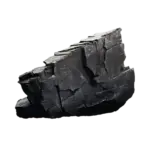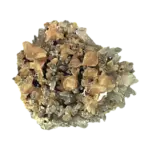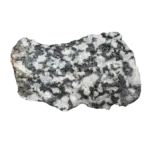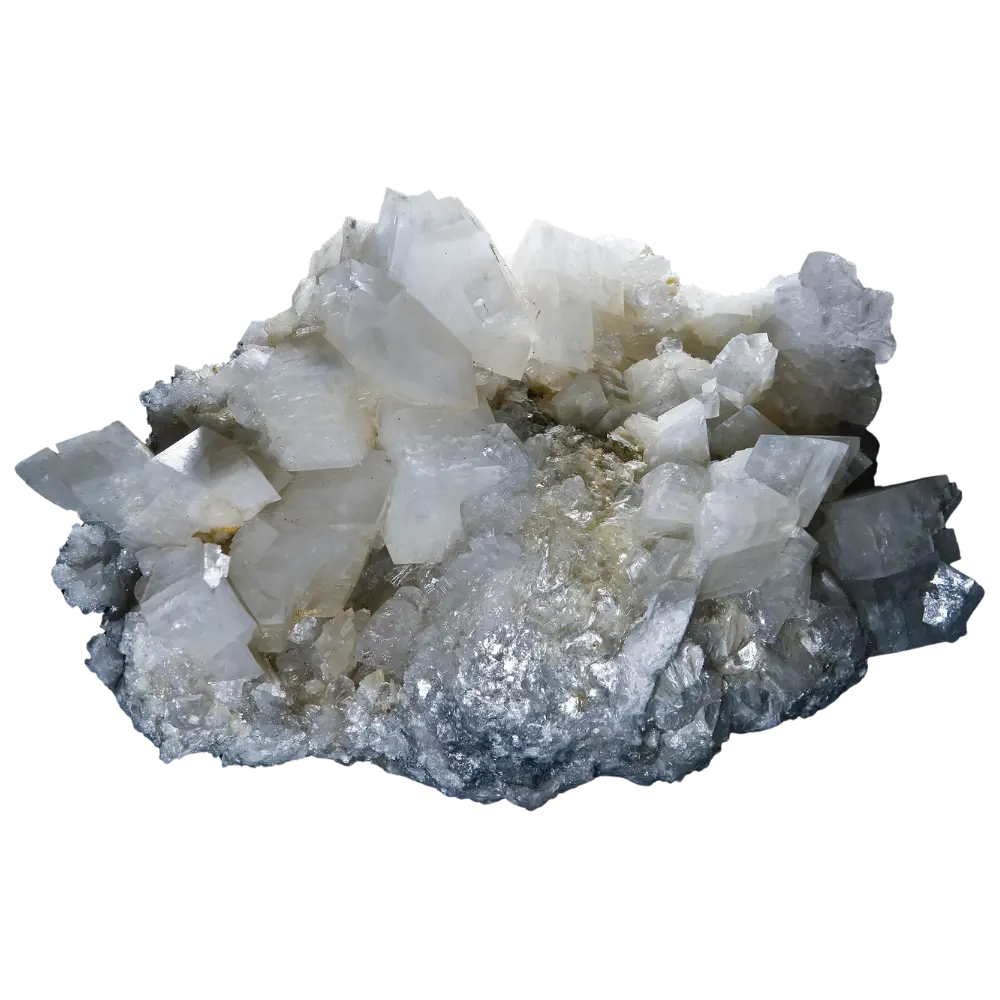
Dolomite is a calcium magnesium carbonate mineral, CaMg(CO3)2, and the principal constituent of the sedimentary rock dolostone. The mineral and the rock both take their name from the French geologist Déodat de Dolomieu, who first described them from samples collected in the South Tyrolean Alps in 1791.
Fact Sheet
- Chemical formula: CaMg(CO3)2
- Mineral class: Carbonate (Dolomite group)
- Crystal system: Trigonal
- Space group: R3̄
- Hardness (Mohs): 3½ – 4
- Specific gravity: 2.84 – 2.86
- Cleavage: Perfect rhombohedral {101̄1}, three directions
- Fracture: Subconchoidal to uneven
- Crystal habit: Rhombohedral, often with curved or saddle-shaped faces; also massive or granular
- Color: Colourless, white, grey, pink (Mn-bearing), yellow to brown (Fe-bearing)
- Streak: White
- Luster: Vitreous to pearly
- Diaphaneity: Transparent to translucent
- Refractive indices: ω = 1.679 – 1.703; ε = 1.500 – 1.520
- Birefringence: δ = 0.179 – 0.185
- Other features: No effervescence in cold dilute HCl unless powdered; reacts when acid is warmed; may show triboluminescence
- Named after: Déodat Gratet de Dolomieu (1750–1801)
- First described: 1791 (Dolomieu); formally named 1792 (Saussure)
Dolomite is abundant in ancient sedimentary rocks but rare in sediments forming today. Geologists have been trying to explain that discrepancy since the 19th century. Dolomite makes up an estimated 20–30% of all sedimentary carbonate by mass and forms entire mountain ranges, including the one named after it. But until 2023, no one had grown a stoichiometric, ordered dolomite crystal at room temperature in the laboratory, despite attempts going back to the 19th century. The mismatch between geological abundance and laboratory failure is known as the dolomite problem.
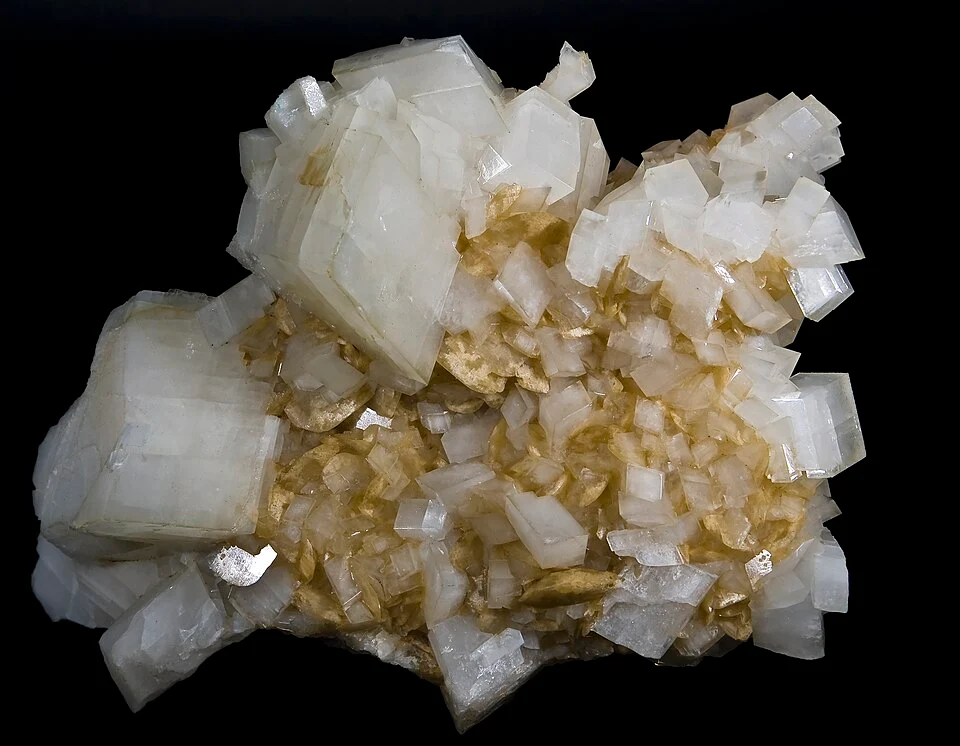
Properties of dolomite
Dolomite is a calcium magnesium carbonate, CaMg(CO3)2. Its structure resembles that of calcite, but with one critical difference: cation ordering. Layers of Ca2+ and Mg2+ alternate along the c-axis of the crystal, separated by carbonate layers. This ordering lowers the symmetry of dolomite (space group R3̄) compared with calcite (R3̄c), and it produces the diagnostic superlattice reflections that distinguish the two in X-ray diffraction patterns.
The mineral crystallises in the trigonal system, most often as rhombohedral crystals with curved or saddle-shaped faces. The habit is distinctive enough that “saddle dolomite” is used as a textural term for dolomite that grew at elevated temperatures in burial and hydrothermal settings. The mineral has a Mohs hardness of 3.5 to 4, a specific gravity near 2.85, and perfect rhombohedral cleavage in three directions. It ranges from colourless and white through pink, when manganese substitutes for magnesium, to yellow-brown, when iron substitutes and the composition grades toward the related mineral ankerite. Some specimens are triboluminescent, emitting faint light when struck or scratched.
In the field, dolomite is most often distinguished from calcite by its reaction to dilute hydrochloric acid. Calcite fizzes vigorously when a drop of acid is applied. Dolomite barely reacts unless the sample is powdered first or the acid is warmed. Under the microscope, the two look superficially similar, colourless with very high birefringence, but lamellar twinning in dolomite runs parallel to the short diagonal of the cleavage rhomb, while in calcite it runs along the long diagonal. Staining with Alizarin Red S offers a faster shortcut in thin section: it colours calcite pink and leaves dolomite untouched.
The dolomite problem
The puzzle is straightforward to state. About 30% of all sedimentary carbonate by mass is dolomite, or the rock dolostone that is largely built from it. Vast platform carbonates of Precambrian to Mesozoic age are dolomitised over hundreds of metres of thickness and thousands of square kilometres of area. Yet modern marine sediments scarcely contain any dolomite at all, with occurrences confined to a handful of unusual settings: sabkhas, hypersaline lagoons, microbial mats. And in the laboratory, attempts to precipitate ordered dolomite from Mg- and Ca-bearing solutions at room temperature failed reproducibly for over two centuries.
The most famous test is Lynton Land’s. In 1998 he reported the outcome of a single experiment that he had run, undisturbed, for thirty-two years: a solution one thousand times oversaturated with respect to dolomite, held at 25 °C. After three decades, no dolomite had precipitated.
The barrier turns out to be kinetic, not thermodynamic. Magnesium in solution carries a tightly bound shell of six water molecules. Stripping that hydration shell to incorporate Mg2+ into a carbonate lattice, and then doing so in alternating layers with Ca2+ to achieve the distinctive ordering, costs enough energy that the process stalls at low temperatures. Calcite forms readily. Protodolomite, a Ca-rich and partly disordered precursor, sometimes nucleates. The ordered, stoichiometric mineral that dominates the ancient rock record does not.
Several explanations were proposed before 2023, each accounting for some dolomite occurrences but none for all. The sabkha or seepage-reflux model, formalised by Adams and Rhodes in 1960, invokes gypsum precipitation in supratidal flats to raise the Mg/Ca ratio of brines that percolate downward through underlying carbonate sediment. Burial dolomitisation at elevated temperatures accounts for the saddle dolomite cements common in many oil and gas reservoirs. From the 1990s onward, microbially mediated precipitation, first demonstrated in the anoxic mud of Lagoa Vermelha in Brazil, gave biology a role: sulphate-reducing and other bacteria appear to lower the kinetic barrier by altering surface chemistry at the cell-mineral interface.
How dolomite forms: the 2023 breakthrough
In late 2023, Joonsoo Kim, Wenhao Sun, and colleagues at the University of Michigan and Hokkaido University showed that ordered dolomite can grow at room temperature if the surrounding solution cycles between supersaturation and mild undersaturation. They combined atomistic simulations with direct experimental observation.
When dolomite begins precipitating from solution, the initial surface is cation-disordered, with Mg and Ca occupying their lattice sites essentially at random. These disordered patches carry high surface strain that inhibits further growth. If the solution then briefly becomes undersaturated, the high-energy disordered patches dissolve preferentially, exposing better-ordered material underneath. When supersaturation returns, growth resumes from this more ordered surface. Repeated cycling, through tides, evaporation, salinity shifts, pH fluctuations, can speed dolomite growth by up to seven orders of magnitude relative to steady-state conditions. The team confirmed the mechanism with in-situ liquid-cell transmission electron microscopy, watching dolomite grow in real time after pulses of dissolution.
The result fits where natural dolomite actually does form today: tidal flats, hypersaline ponds, microbial mats: places where chemical conditions fluctuate routinely. It does not retire the microbial and burial models. Bacterial cell surfaces and elevated temperatures both plausibly produce equivalent fluctuating conditions at the crystal surface, and the dissolution-regrowth mechanism gives them a common explanation. The dolomite problem may not be settled in any final sense, some sedimentologists remain unconvinced that the laboratory result scales to the volumes of dolostone in the rock record, but for the first time there is a mechanism that ties together laboratory observation, modern occurrence, and ancient abundance.
Dolomieu and the Dolomite Mountains

Dolomite’s recognition as a distinct mineral is the work of two late-18th-century chemists. Déodat Guy Silvain Tancrède Gratet de Dolomieu, French aristocrat, Knight of Malta, traveller, eventual prisoner of war, was passing through the South Tyrolean Alps in 1788 and 1789 when he noticed a calcareous rock that did not effervesce strongly in acid. He published the observation in the Journal de Physique in 1791. The following year, the Swiss chemist Nicolas-Théodore de Saussure analysed the rock, identified its calcium–magnesium composition, and named it dolomie in Dolomieu’s honour. The English form “dolomite” entered the language in 1794.
The mountain range, the Dolomites of northeastern Italy, took the same name shortly after. Most of its dramatic vertical walls and ramparts are built from the Dolomia Principale, known in German as the Hauptdolomit: a Norian-aged carbonate platform up to a kilometre thick, deposited in shallow tropical seas roughly 210 million years ago. The Tre Cime di Lavaredo is built primarily of Dolomia Principale; Marmolada, the Sella massif, and many surrounding summits are dominated by the older Sciliar Dolomite (Ladinian) and related Middle to Upper Triassic carbonates. UNESCO inscribed the Dolomites as a World Heritage Site in 2009, citing both their geomorphological significance and the preservation in their stratigraphy of Mesozoic carbonate platforms, “fossilised atolls”, that record the recovery of marine ecosystems after the end-Permian mass extinction.
Uses of dolomite
Dolomite carries economic weight beyond its scientific interest. Dolostone is a major construction aggregate and dimension stone. Calcined to roughly 1,800 °C, it produces sintered “doloma,” a basic refractory used to line steelmaking furnaces. The Pidgeon process reduces calcined dolomite with ferrosilicon under vacuum to produce magnesium metal, and dolomite remains a primary feedstock for magnesia (MgO) used in refractories, agriculture, and environmental treatment. Ground dolostone applied as “dolomitic lime” neutralises acidic soils and supplies the magnesium that sits at the centre of every chlorophyll molecule.
Dolostones also host a disproportionate share of the world’s carbonate-reservoir hydrocarbons, the Khuff Formation under the Arabian Plate, the Permian Basin reservoirs of Texas and New Mexico, the Arab-D zone of Ghawar, because dolomitisation tends to enhance porosity and permeability relative to the precursor limestone. The same lithology hosts most of the world’s Mississippi Valley-Type lead-zinc deposits, from Missouri’s Viburnum Trend to Pine Point in Canada’s Northwest Territories. The cap dolostones overlying Neoproterozoic glacial successions remain key archives for reconstructing Snowball Earth and the Neoproterozoic Oxygenation Event, however hard their diagenetic histories make them to read.
Dolostone built much of the Alps, supplies the steel industry’s refractory lining, and preserves the carbonate record of Neoproterozoic glaciations. The mechanism by which the mineral forms is only now being worked out.
Frequently asked questions
What is the dolomite problem? The dolomite problem is the long-standing mismatch between dolomite’s abundance in ancient sedimentary rocks, roughly 30% of all carbonate by mass, and its near-absence from modern marine sediments and from laboratory precipitation experiments at room temperature.
Why doesn’t dolomite form in modern oceans? Magnesium ions in seawater carry a tightly bound shell of six water molecules. Stripping that hydration shell to incorporate Mg²⁺ into a carbonate lattice in ordered, alternating layers with Ca²⁺ requires more energy than the system can supply at typical seawater temperatures, so calcite forms instead.
Where does dolomite form today? Modern dolomite is restricted to settings with fluctuating water chemistry: sabkhas, hypersaline lagoons, microbial mats, and a few anoxic mud environments such as Lagoa Vermelha in Brazil.
How is dolomite different from limestone? Limestone is composed mainly of calcite (CaCO₃). Dolostone is composed mainly of the mineral dolomite, a calcium-magnesium carbonate (CaMg(CO₃)₂) with cation ordering that lowers its symmetry relative to calcite.