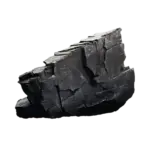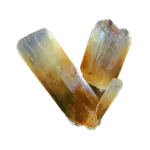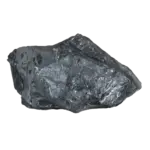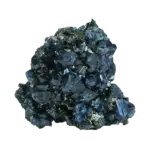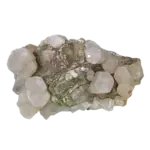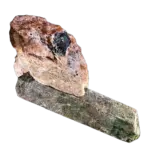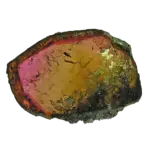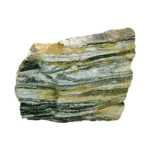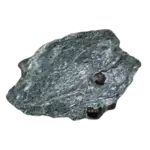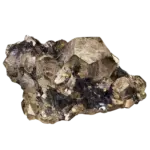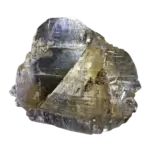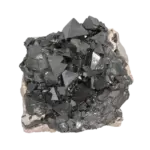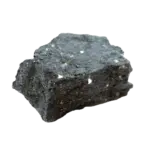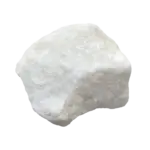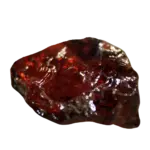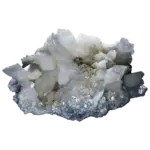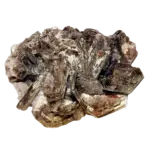
Fact Sheet:
– Chemical Composition: (Mg, Fe)₂SiO₄ (Magnesium Iron Silicate)
– Hardness: 6.5 to 7 on the Mohs scale
– Crystal System: Orthorhombic
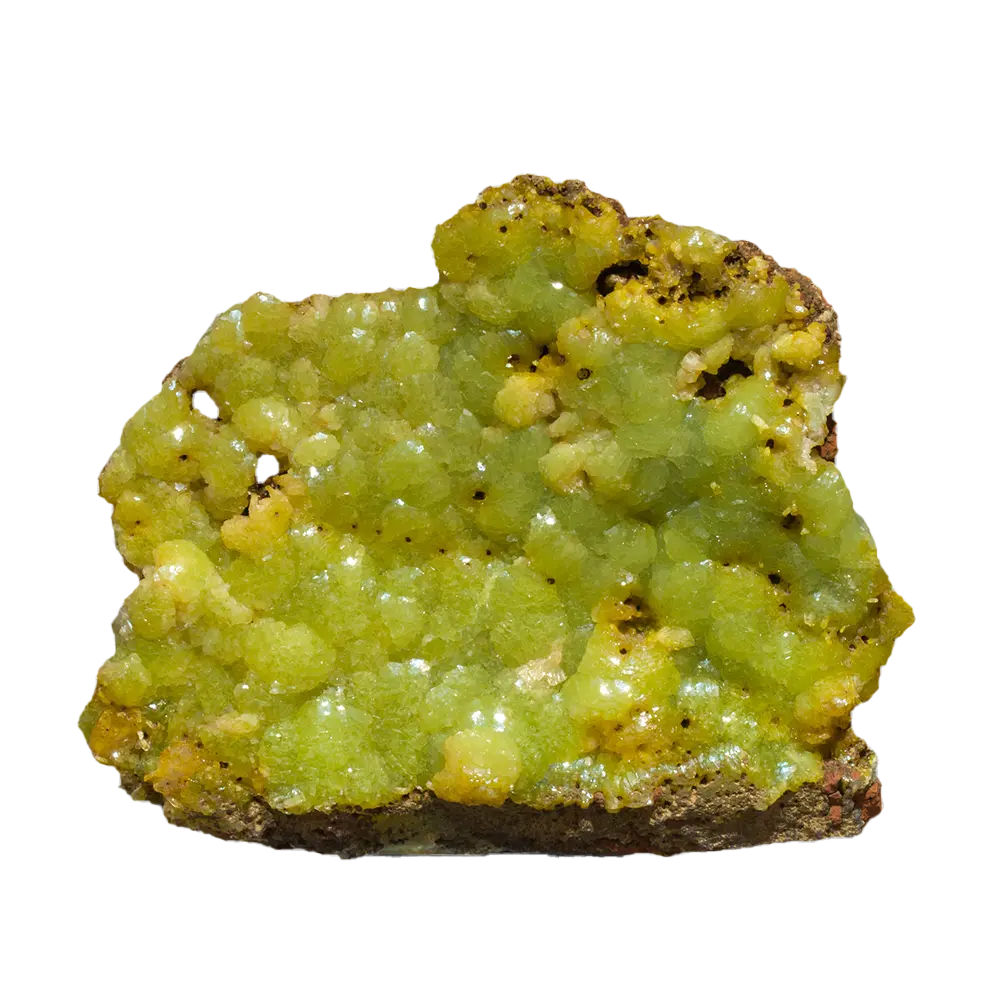
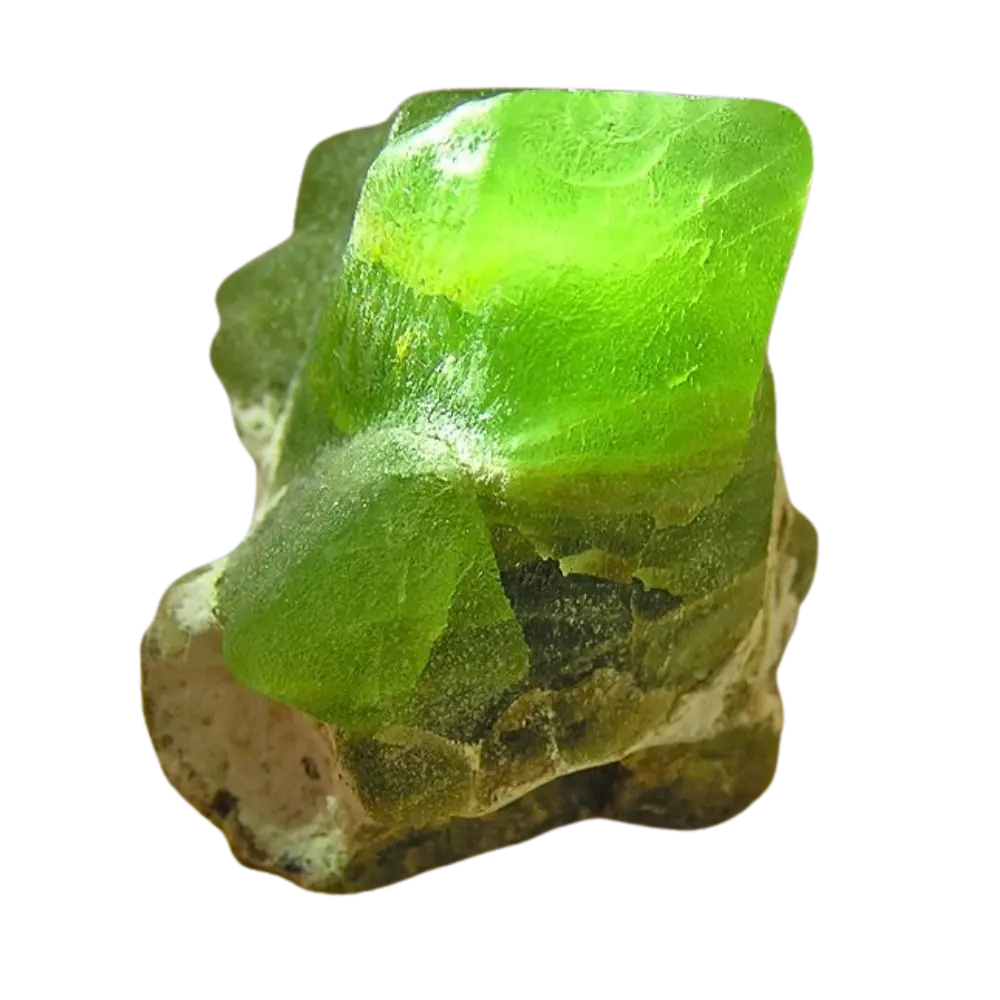
– Color Varieties: Green, yellow-green, brown
– Major Localities: United States, Norway, Myanmar, and Pakistan
– Common Uses: Gemstone (peridot), refractory material, industrial sand, and in high-temperature furnaces
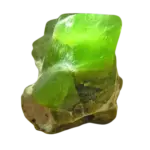
Introduction: Olivine, known for its beautiful green hue, is a common silicate mineral that forms deep within the Earth’s mantle. It is best known as the gemstone peridot and has significant geological importance due to its presence in mantle rocks and its role in tectonic processes.
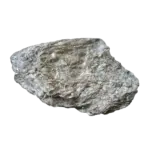
Formation: Olivine primarily forms in mafic and ultramafic igneous rocks, such as basalt, gabbro, and peridotite, under high-temperature conditions. It crystallizes from magma that is rich in magnesium and iron. Olivine can also be found in meteorites, providing insights into the composition of other celestial bodies.
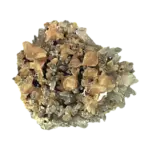
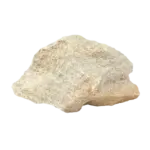
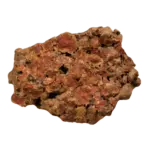
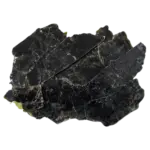
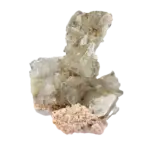
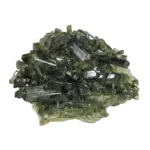
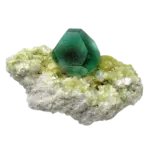
Types and Colors: Olivine typically appears green to yellow-green due to its high magnesium content, while iron-rich olivine can appear more brownish. The gem-quality form of olivine is known as peridot, prized for its vibrant green color and clarity.
Localities and Mining: Significant deposits of olivine are found in the United States (Arizona), Norway, Myanmar, and Pakistan. These locations are known for producing high-quality olivine and peridot crystals. Olivine is also extracted from ultramafic rocks and mined for industrial uses.
Applications: Olivine has several important applications:
– Gemstone: Peridot, the gem-quality variety of olivine, is used in jewelry for its striking green color.
– Refractory Material: Due to its high melting point, olivine is used in refractory applications, including furnace linings.
– Industrial Sand: Olivine sand is used in metal casting, sandblasting, and as a component in high-temperature furnaces.
– Geological Indicator: Olivine’s presence in rocks can indicate specific geological conditions and processes, making it valuable for geological studies.