Rhyolite

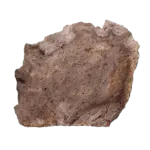
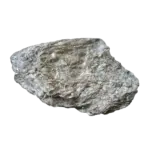
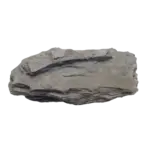
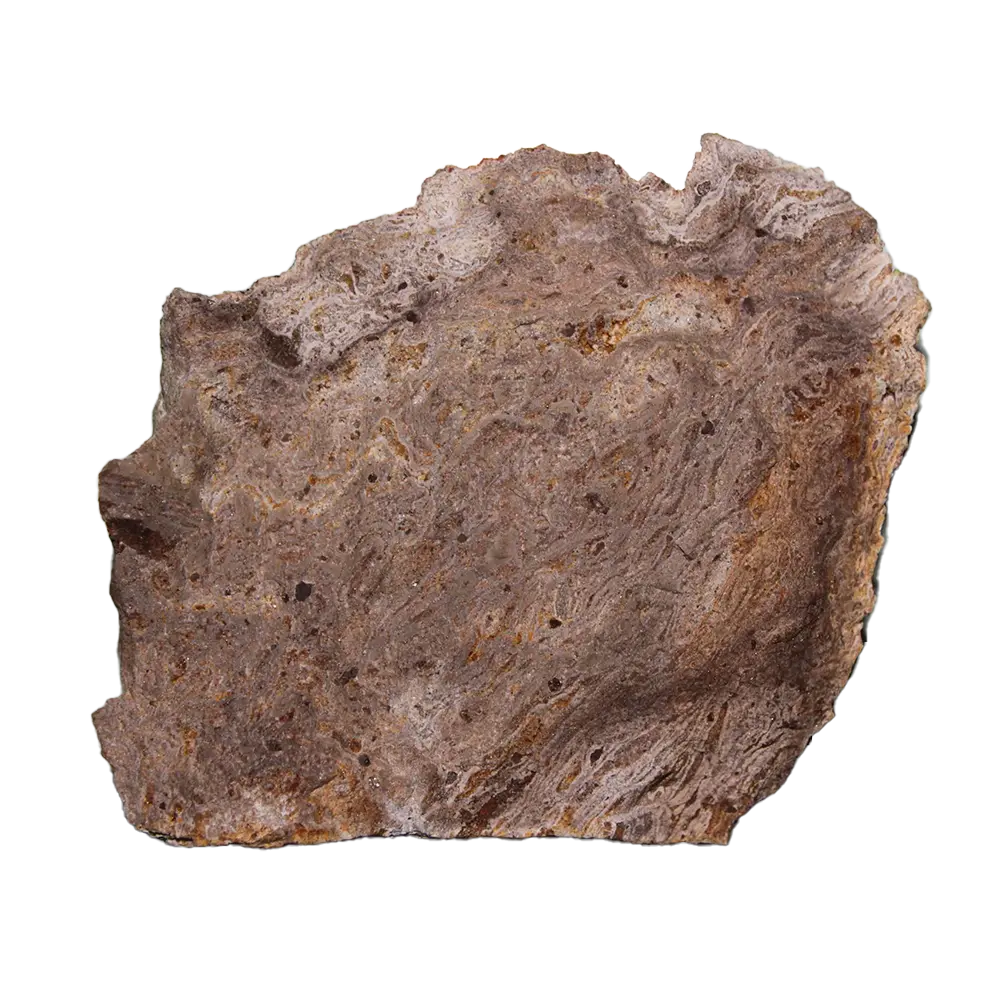
Rough brown swirled stone slab sample

admin 

Fact Sheet:

  • Chemical Composition: High in silica (SiO₂) with feldspar, quartz, and biotite or amphibole
  • Hardness: 6 on the Mohs scale
  • Crystal System: Extrusive igneous rock (volcanic), fine-grained (aphanitic)
  • Color Varieties: Gray, pink, light brown, and reddish shades
  • Major Localities: United States, Iceland, New Zealand, Germany, and Turkey
  • Common Uses: Decorative stone, construction material, aggregate, and in geological research

Introduction: Rhyolite is a fine-grained, felsic (silica-rich) volcanic rock that is the extrusive equivalent of granite. It forms from the rapid cooling of high-silica magma at or near the Earth’s surface, often during explosive volcanic eruptions. Rhyolite’s light color, usually pink, gray, or light brown, is due to its high quartz and feldspar content. This volcanic rock is relatively common in continental volcanic regions and is known for its association with explosive eruptions and the formation of pumice and obsidian. Rhyolite is important in geology because its composition reflects processes occurring in the Earth’s crust, and it is also used in construction and decorative applications.

Formation: Rhyolite forms from the rapid cooling of magma rich in silica and alkali metals such as potassium and sodium. This magma is typically generated through the partial melting of continental crust in volcanic regions, particularly near tectonic plate boundaries. The high viscosity of rhyolitic magma often results in explosive volcanic eruptions, leading to the formation of pumice, obsidian, and ash deposits. The rapid cooling of rhyolitic magma at the surface prevents the formation of large crystals, giving rhyolite its fine-grained or aphanitic texture. However, some rhyolites contain larger, well-formed crystals called phenocrysts, which give them a porphyritic texture.

Types and Colors: Rhyolite comes in a variety of forms, depending on its cooling history and mineral content:

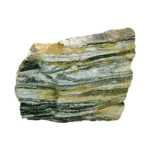
  • Flow-banded Rhyolite: Displays alternating bands of different colors or textures, caused by the flow of lava during cooling. This type of rhyolite often has a layered or streaked appearance.
  • Porphyritic Rhyolite: Contains larger crystals (phenocrysts) of feldspar or quartz embedded in a fine-grained matrix. These crystals form slowly within the magma chamber before the magma erupts and cools rapidly.
  • Obsidian and Pumice: Both are rhyolitic in composition but differ in texture. Obsidian forms when rhyolitic lava cools so quickly that it becomes glassy, while pumice is a frothy, lightweight volcanic rock created by gas-rich rhyolitic magma.
  • Pink, Gray, and Reddish Rhyolite: The color of rhyolite is largely determined by its mineral content and the oxidation state of iron within the rock. Pink or reddish rhyolites are typically high in potassium feldspar, while gray varieties are richer in quartz and plagioclase.

Localities and Occurrence: Rhyolite is found in many volcanic regions around the world, particularly in areas of continental volcanic activity:

  • United States: Rhyolite is abundant in places like Yellowstone National Park, where explosive volcanic activity has produced large rhyolite lava flows and domes. It is also found in Nevada, New Mexico, and Arizona.
  • Iceland: Iceland’s volcanic landscape includes rhyolitic lava flows and ash deposits, particularly in the central highlands.
  • New Zealand: The Taupo Volcanic Zone in New Zealand is famous for its rhyolitic eruptions, including some of the most explosive volcanic events in the world.
  • Germany: The Eifel region in Germany has significant rhyolitic deposits associated with ancient volcanic activity.
  • Turkey: Rhyolite deposits are found in the Cappadocia region, where rhyolitic tuffs have been used to carve out dwellings and churches.

Applications: Rhyolite has several practical and aesthetic applications, particularly in construction and decorative uses:

  • Construction Material: Rhyolite is sometimes used as crushed stone for construction projects, including as aggregate for roads and railway ballast, due to its durability and abundance.
  • Decorative Stone: Its attractive colors and patterns make rhyolite a popular choice for decorative stone, used in landscaping, flooring, and wall cladding.
  • Geological Research: Rhyolite is important for geologists studying volcanic processes and the evolution of continental crust. Its composition provides insights into the cooling and crystallization processes that occur during volcanic activity.
  • Pumice and Obsidian Production: Rhyolitic magma is responsible for the formation of pumice and obsidian, both of which have industrial uses. Pumice is used as an abrasive and in lightweight construction materials, while obsidian is used for ornamental purposes and in cutting tools.
Share Rock

more rocks.minerals

View All
Cluster of dark metallic hematite crystals

Hematite

Cluster of translucent cubic crystals on a white mineral base (halite)

Halite

Rough gray-green rock specimen on white background (quarzite)

Quartzite

Polished watermelon tourmaline slice with pink, yellow, and green bands

Tourmaline

Rough translucent white talc mineral specimen

Talc

Green fluorite crystal on yellow mineral matrix

Fluorite

Pink mineral crystal resting on a green stone prism (apatite)

Apatite

Dark red zircon crystal on pale mineral matrix

Zircon

Transparent barite crystal cluster on pink mineral matrix

Barite

Gray-green foliated metamorphic rock specimen (shist rock sample)

Schist

Dark blue crystal mineral cluster (scorodite specimen)

Scorodite

Layered gray shale rock specimen on white background

Shale

Cluster of shiny brown layered mica crystals on black background

Mica

Mica is a group of silicate minerals with varying compositions mainly in insulation and electronics.

Read more
Dark red zircon crystal on pale mineral matrix

Zircon

Zircon is a durable mineral used in jewelry, geological dating, and ceramics.

Read more
Cluster of translucent cubic crystals on a white mineral base (halite)

Halite

Halite, or rock salt, is a sodium chloride mineral used for seasoning, de-icing, and industry.

Read more
Rough translucent white talc mineral specimen

Talc

Talc, the softest mineral, is used in baby powder, cosmetics, ceramics, and plastics.

Read more
Black basalt chunk with layered, cracked texture

Basalt

Basalt is a dark, fine-grained igneous rock used in construction, monuments, and geological studies.

Read more
White kernite crystal mineral cluster

Kernite

Kernite is a boron-rich mineral used in glassmaking, detergents, and ceramics.

Read more
Black octahedral magnetite crystals on pale rock matrix (magenetite)

Magnetite

Magnetite, an iron oxide with magnetic properties, is used in steel production and catalysts.

Read more
Dark blue crystal mineral cluster (scorodite specimen)

Scorodite

Scorodite, a hydrated iron arsenate, is valued for arsenic containment and as a collector’s mineral.

Read more
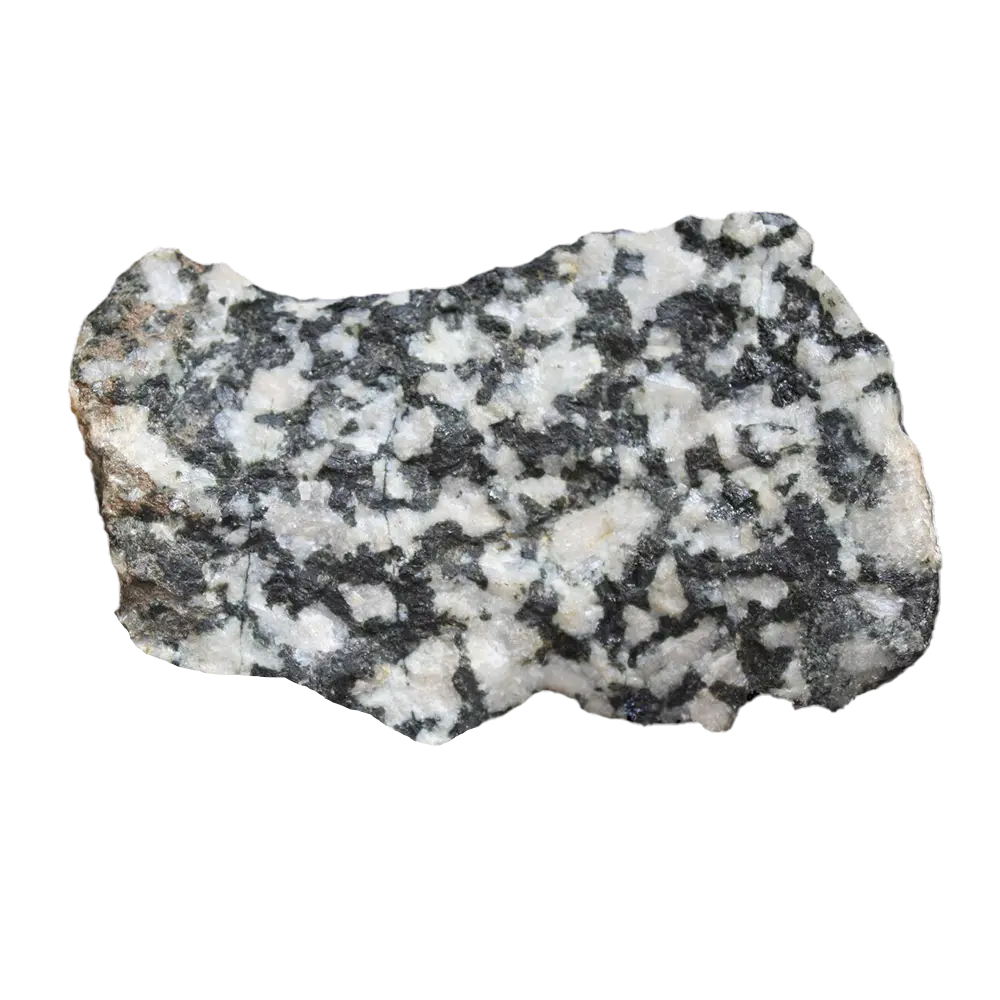
Black and white speckled diorite rock specimen

Diorite

Diorite is a tough igneous rock used in construction, art, and in research.

Read more
Golden-yellow crystal cluster with elongated translucent mineral prisms (borax mineral specimen)

Borax

Borax is a sodium borate used in cleaning and glassmaking.

Read more
Rough translucent red garnet gemstone on black background

Garnet

Garnet is a group of silicate minerals used as gemstones and abrasives.

Read more
Transparent, faceted mineral crystal with gray and yellow tones (gypsum)

Gypsum

Gypsum, a soft calcium sulfate mineral, is primarily used as plaster or in cement production.

Read more
Shiny dark gray coal specimen

Coal

Coal, mainly carbon, is used for energy and steel production.

Read more
Close-up of speckled gray granite rock sample

Granite

Granite is a durable igneous rock used in construction, monuments, and countertops.

Read more
Gray-green foliated metamorphic rock specimen (shist rock sample)

Schist

Schist, a layered metamorphic rock rich in mica and quartz, is often used in construction.

Read more
Orange and gray crystal mineral cluster specimen (monazite mineral)

Monazite

Monazite, a group of rare earth minerals, is a key source of rare earth elements.

Read more
Bright orange wulfenite crystal cluster on dark mineral matrix

Wulfenite

Wulfenite is a bright orange or yellow mineral, prized by collectors.

Read more
Light beige sandstone rock on a white background

Sandstone

Sandstone, composed of quartz and feldspar, is used in construction, paving, landscaping, and glassmaking.

Read more
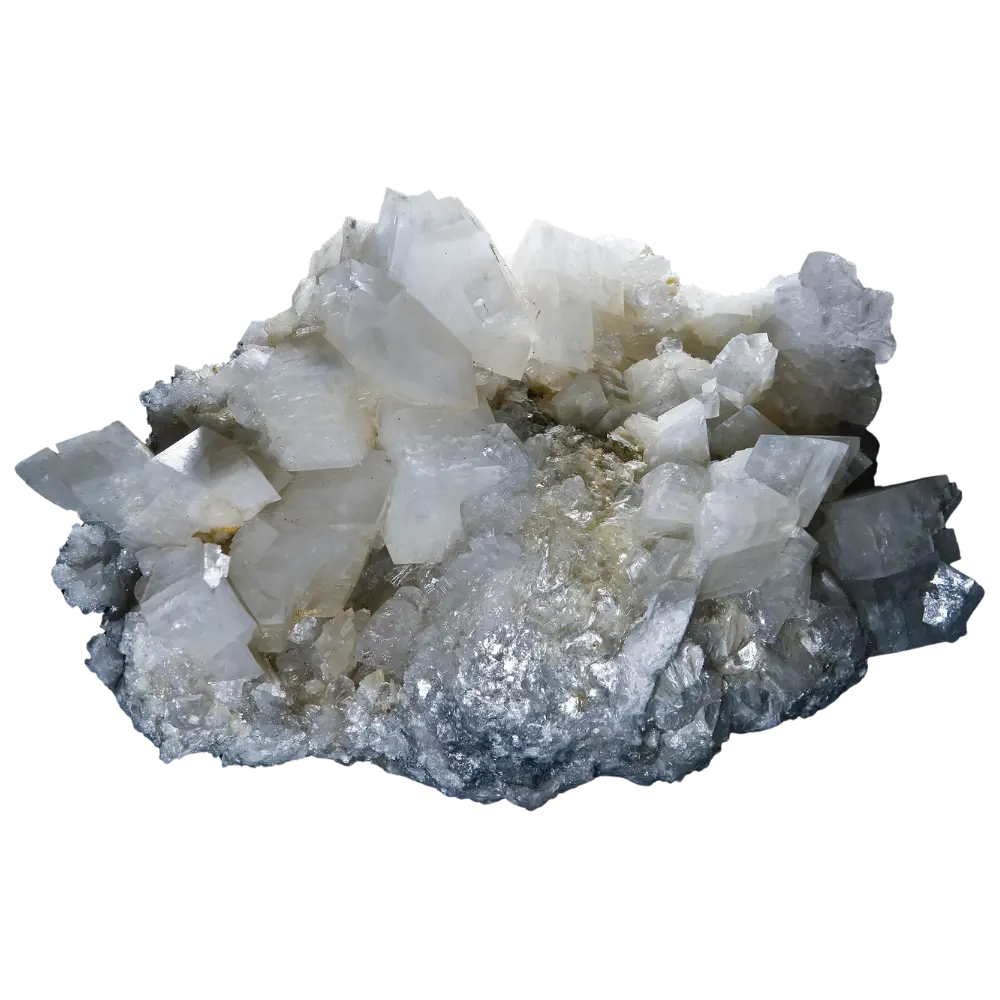
White dolomite crystal cluster on gray mineral matrix

Dolomite

Dolomite is a calcium magnesium carbonate used in construction and agriculture.

Read more
Dark greenish-gray shiny metamorphic rock specimen (muscovite mineral)

Muscovite

Muscovite, a mica mineral, is used in insulation, fireproofing, and cosmetics.

Read more
Green and yellow banded metamorphic rock specimen (gneiss sample)

Gneiss

Gneiss is a durable, banded metamorphic rock used in construction and decoration.

Read more
Cluster of translucent brown and amber mineral crystals (calcite)

Feldspar

Feldspar is an aluminum silicate used in ceramics, glass, and construction.

Read more
Fossilized fish fin embedded in a gray rock slab (limestone)

Limestone

Limestone, mainly calcium carbonate, is used in construction, cement, and water treatment.

Read more
Transparent barite crystal cluster on pink mineral matrix

Barite

Barite is a barium sulfate mineral used in drilling, shielding, and paints.

Read more
Pyrite mineral specimen with white quartz crystals

Calcite

Calcite is a trigonal calcium carbonate mineral used mainly in construction for making cement.

Read more
Vivid green translucent mineral olivine crystal on rock matrix

Olivine

Olivine, a magnesium iron silicate, is used in gemstones (peridot) and refractory materials.

Read more
White crystalline mineral rock specimen (marble specimen)

Marble

Marble, a calcium carbonate metamorphic rock, is used in sculpture, architecture, and countertops.

Read more
Green fluorite crystal on yellow mineral matrix

Fluorite

Fluorite, a colorful calcium fluoride, is used as flux in steelmaking, glass, and as gemstones.

Read more
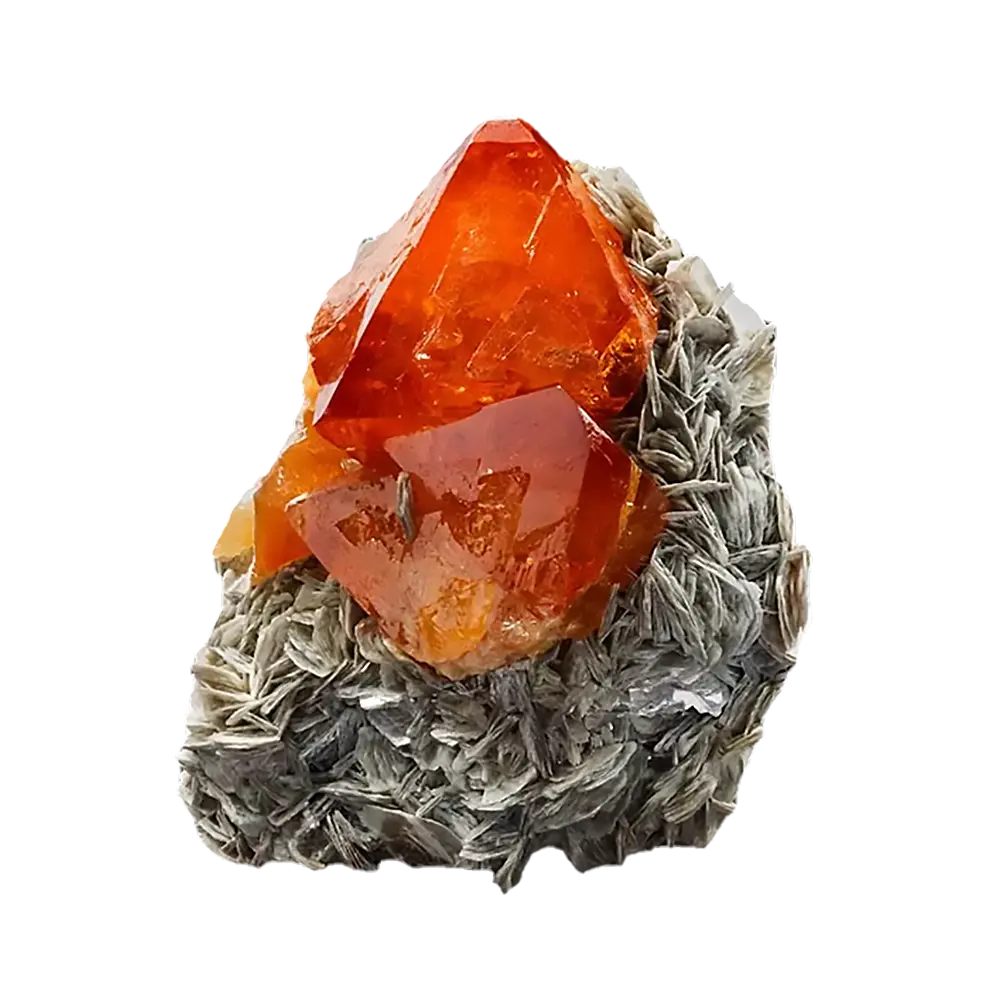
Orange schneelite crystal cluster on gray bladed mineral matrix

Scheelite

Scheelite, a calcium tungstate, is the main source of tungsten for tools and alloys.

Read more
Transparent quartz crystal cluster with pointed formations

Quartz

Quartz, a silicon dioxide mineral, is used in jewelry and electronics.

Read more
Cluster of dark black mica mineral flakes (biotite)

Biotite

Biotite is a dark mica mineral used in insulation and geological studies.

Read more
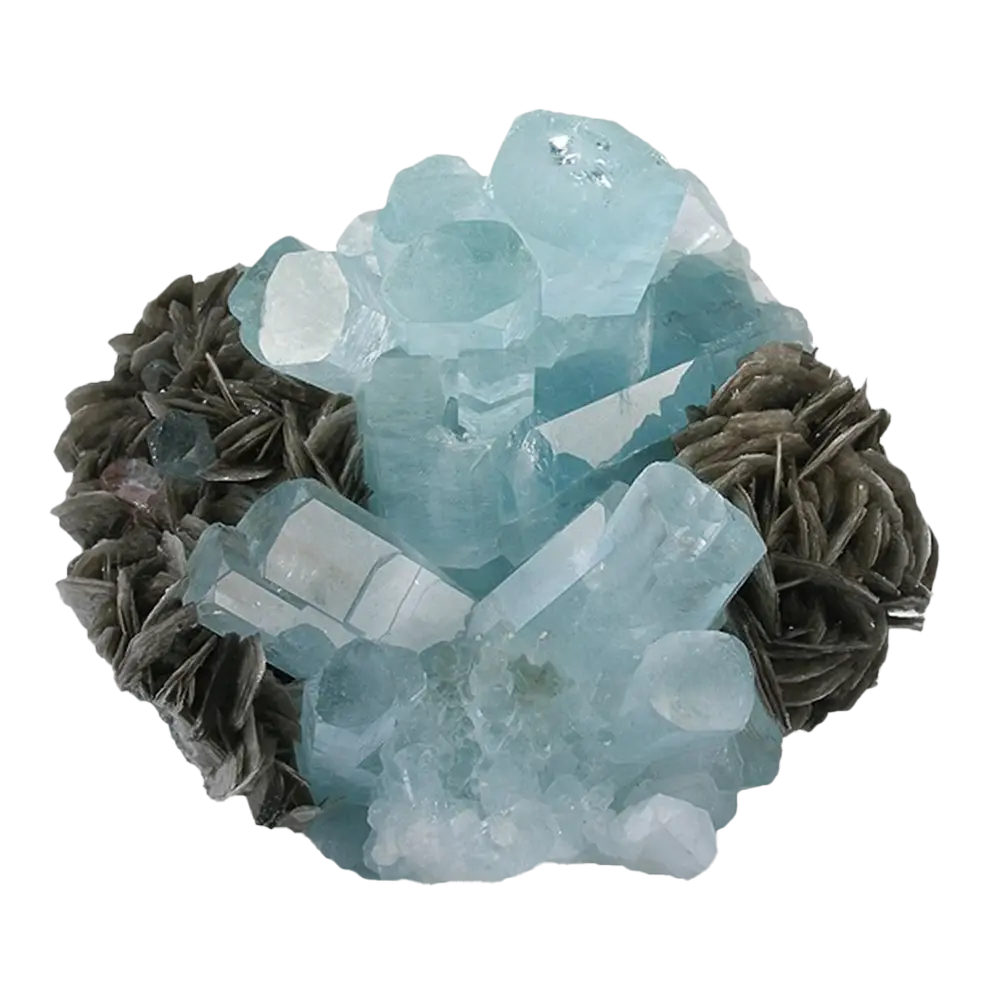
Blue beryl crystals with dark gray barite rosettes

Beryl

Beryl is a gemstone mineral, including emerald and aquamarine, and a source of beryllium.

Read more
Rough gray-green rock specimen on white background (quarzite)

Quartzite

Quartzite, a durable metamorphic rock made of quartz, is used in construction and countertops.

Read more
Dark green pyroxene crystal cluster on matrix

Pyroxene

Pyroxene, a silicate mineral group found in igneous and metamorphic rocks.

Read more
Cluster of dark metallic hematite crystals

Hematite

Hematite is an iron oxide mineral used for iron ore, pigments, and radiation shielding.

Read more
Pink mineral crystal resting on a green stone prism (apatite)

Apatite

Apatite is a calcium phosphate mineral found in various colors, primarily used in fertilizers.

Read more
Cluster of translucent brown rectangular crystals (Vanadinite crystals)

Vanadinite

Vanadinite is a bright red mineral, primarily sourced from lead deposits.

Read more
Bright green crystalline mineral specimen on dark matrix (adamite specimen)

Adamite

Adamite is a rare, colorful orthorhombic mineral prized by collectors for its vibrant crystals.

Read more
Rough black amphibole on white background

Amphibole

Amphibole is a diverse mineral group used for geological indicators and as insulation.

Read more
Rough brown swirled stone slab sample

Rhyolite

Rhyolite, a silica-rich volcanic rock, is used in construction and research.

Read more
Layered gray shale rock specimen on white background

Shale

Shale, a fine-grained sedimentary rock, is used for natural gas, cement, and research.

Read more
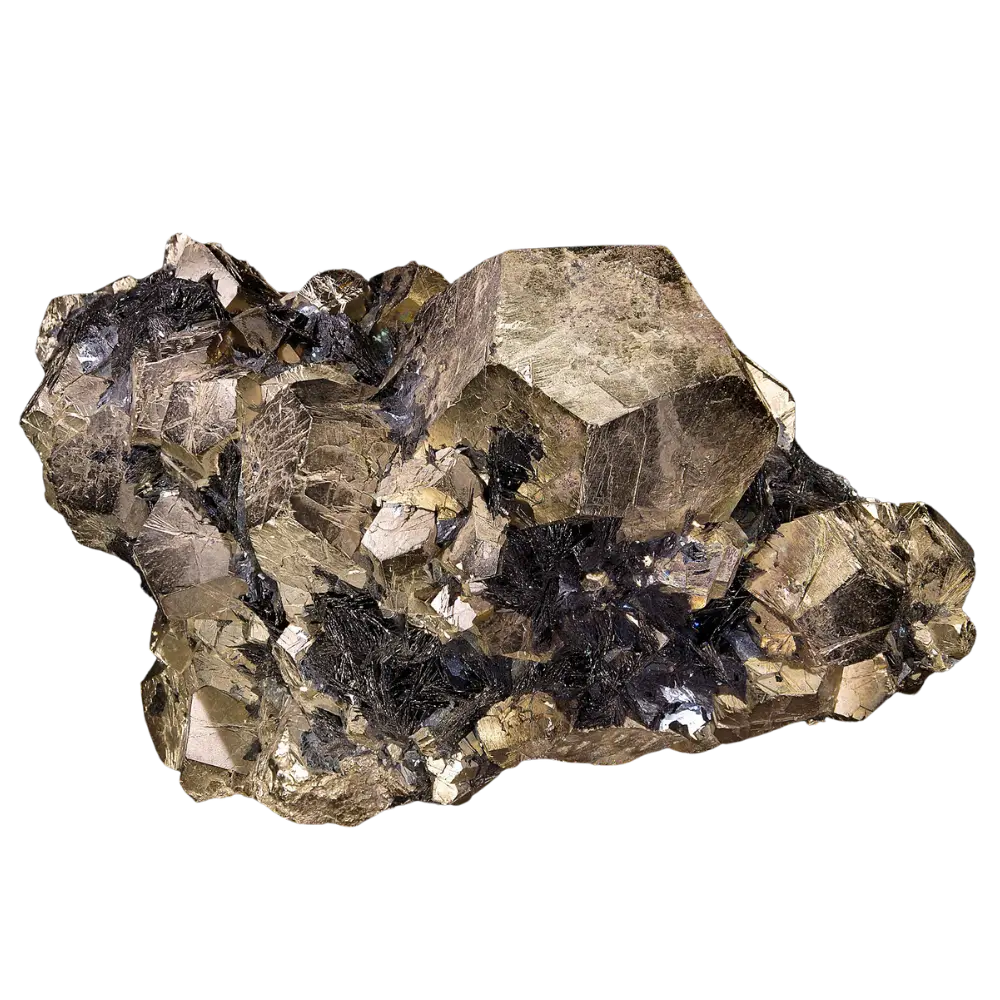
Brassy metallic crystal cluster with dark needle-like mineral inclusions (pyrite)

Galena

Galena is the main ore of lead and silver, used in batteries and shielding.

Read more
Greenish metamorphic rock with embedded reddish garnet crystals

Chlorite

Chlorite, a green phyllosilicate mineral, is used as a geological indicator and industrial filler.

Read more
Reddish-brown porous conglomerate rock specimen (bauxite ore)

Bauxite

Bauxite is the main aluminum ore, primarily found in Australia.

Read more
Dark bladed mineral crystal cluster on rocky matrix (Descloizite mineral)

Descloizite

Descloizite is a lead-zinc vanadate mineral, mainly found in Namibia and Mexico.

Read more
Brassy metallic crystal cluster with dark needle-like mineral inclusions (pyrite)

Pyrite

Pyrite, or “Fool’s Gold,” is used for sulfur and iron production.

Read more
Polished watermelon tourmaline slice with pink, yellow, and green bands

Tourmaline

Tourmaline is a colorful boron silicate mineral used as a gemstone and in electronics.

Read more

join.me

Geology made clear, in your inbox.

Get clear, visual explainers on rocks, minerals, deep time, and the most fascinating parts of Earth science from Geoscopy.
Rough brown swirled stone slab sample

Rhyolite

Rhyolite, a silica-rich volcanic rock, is used in construction and research.

Read more