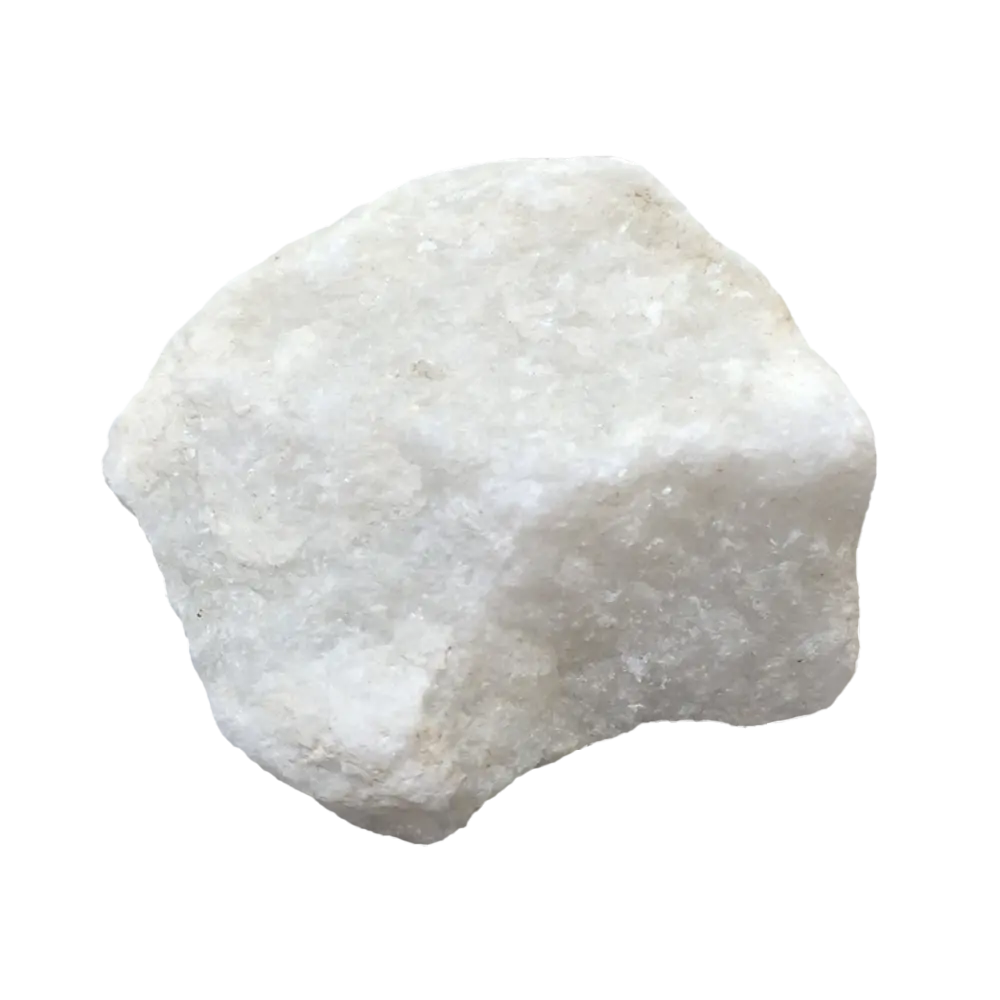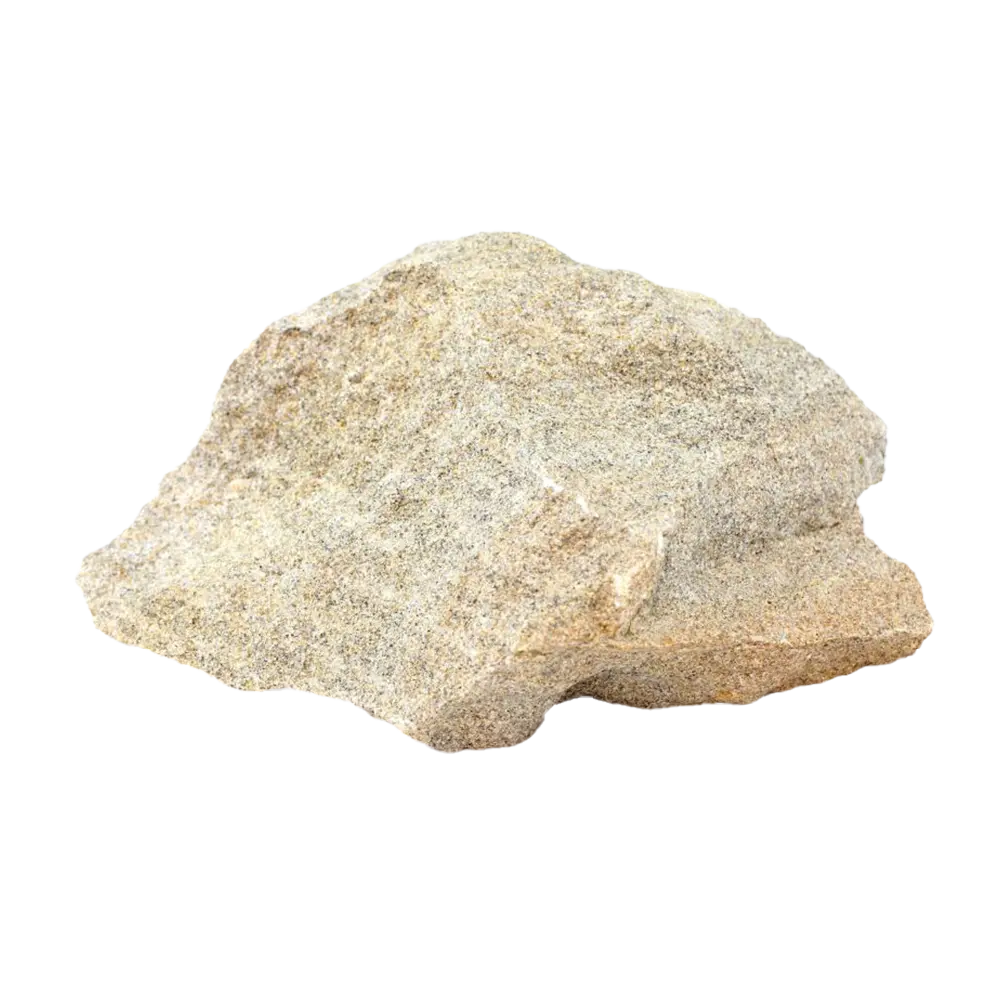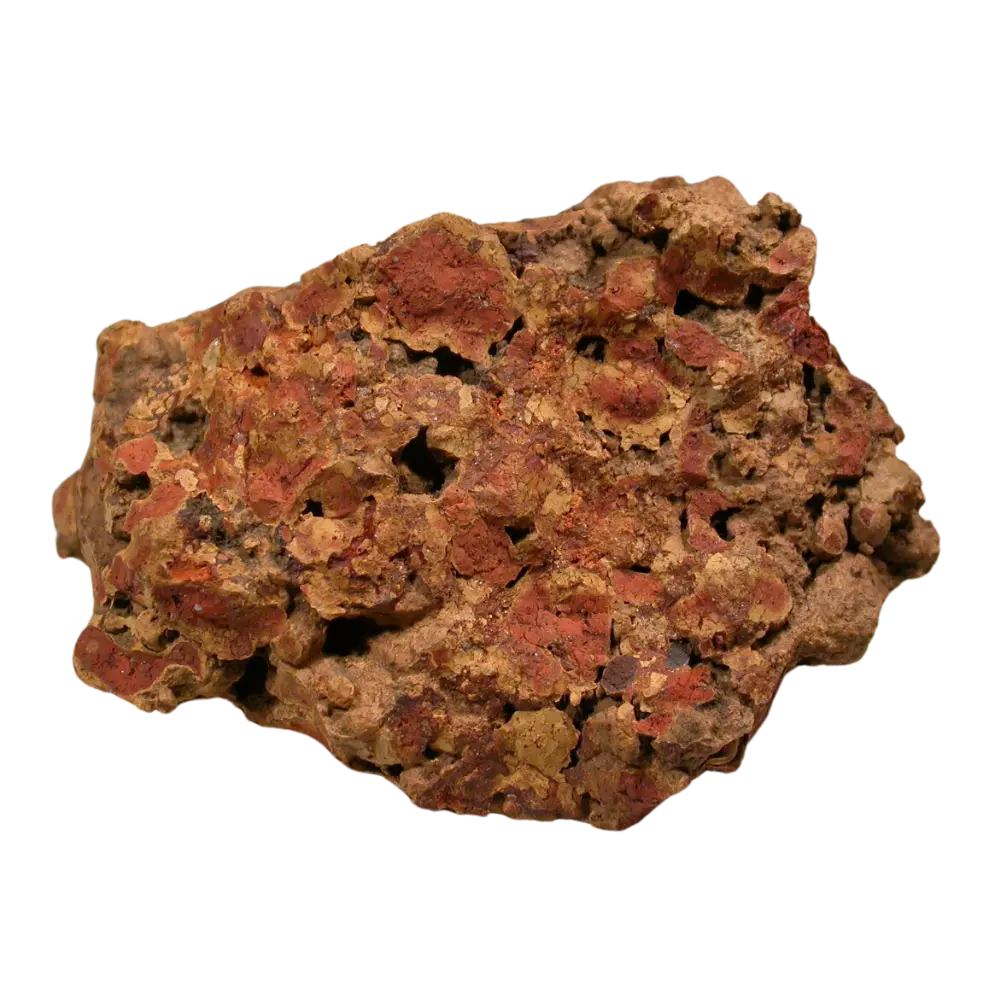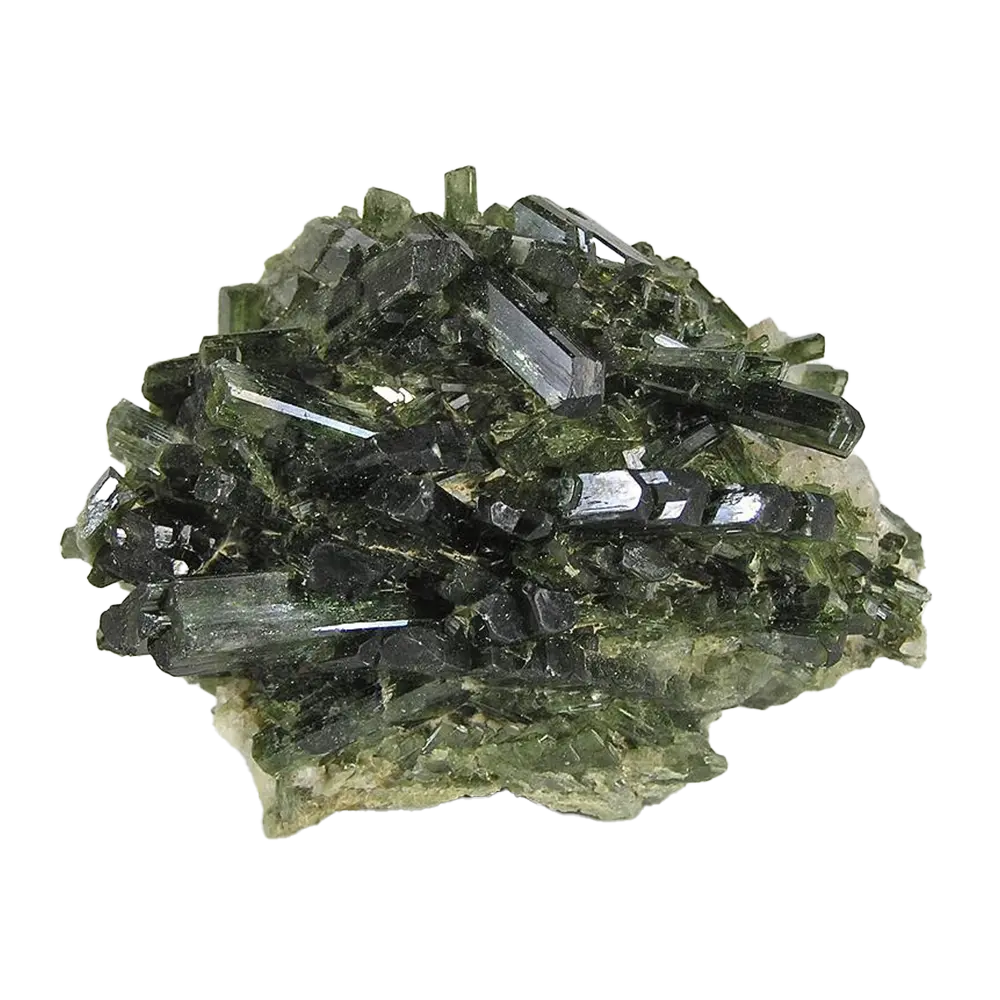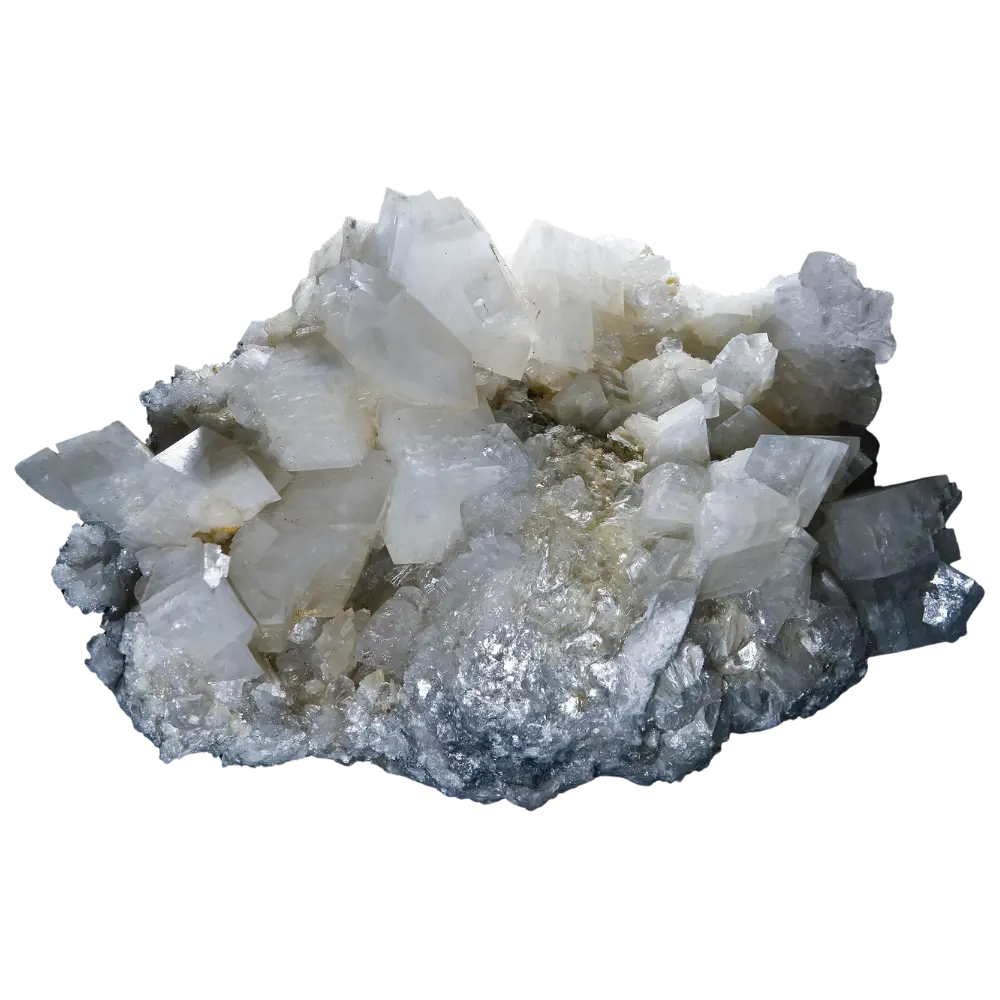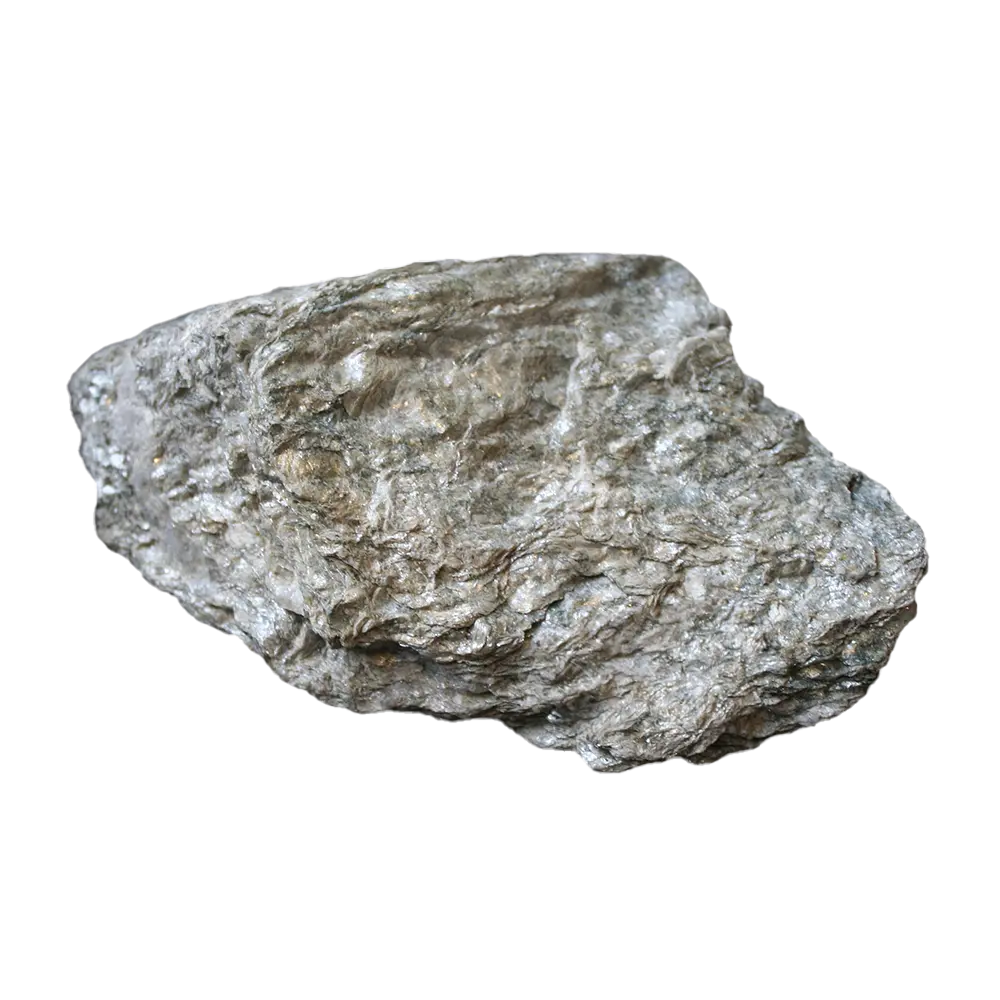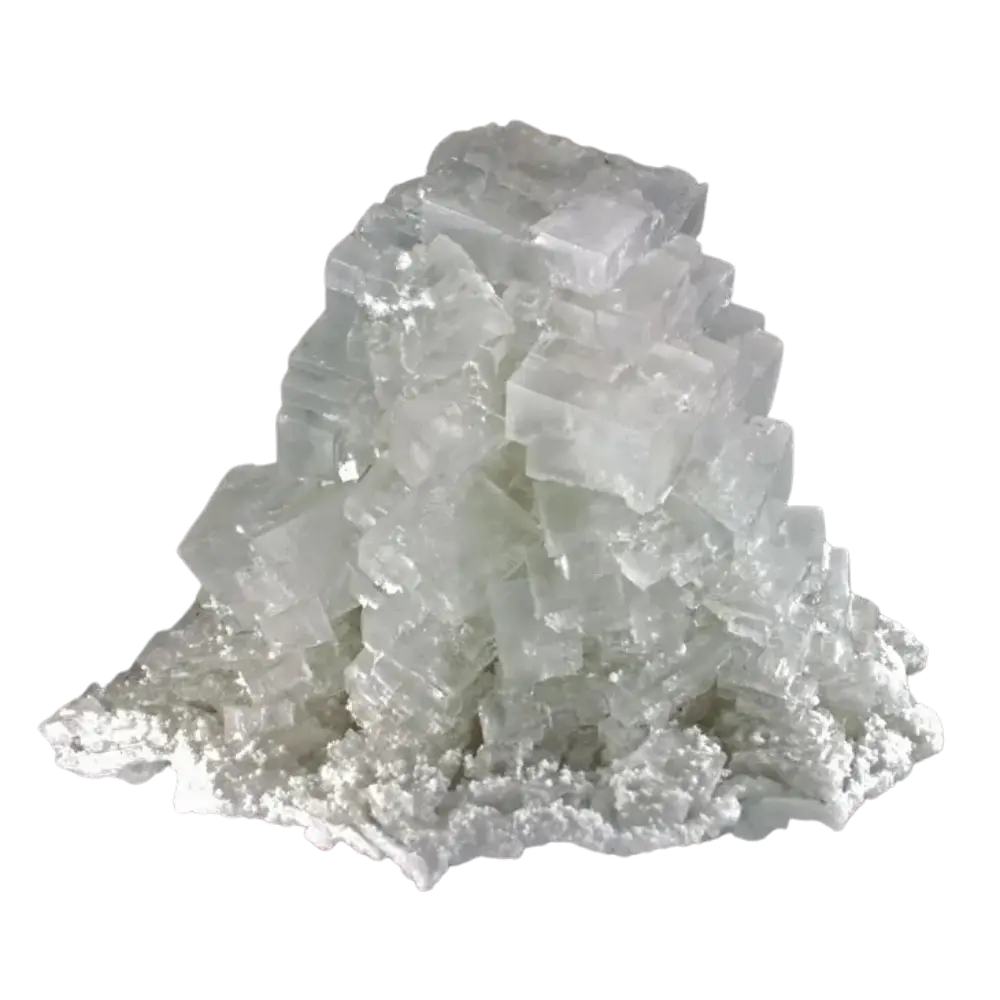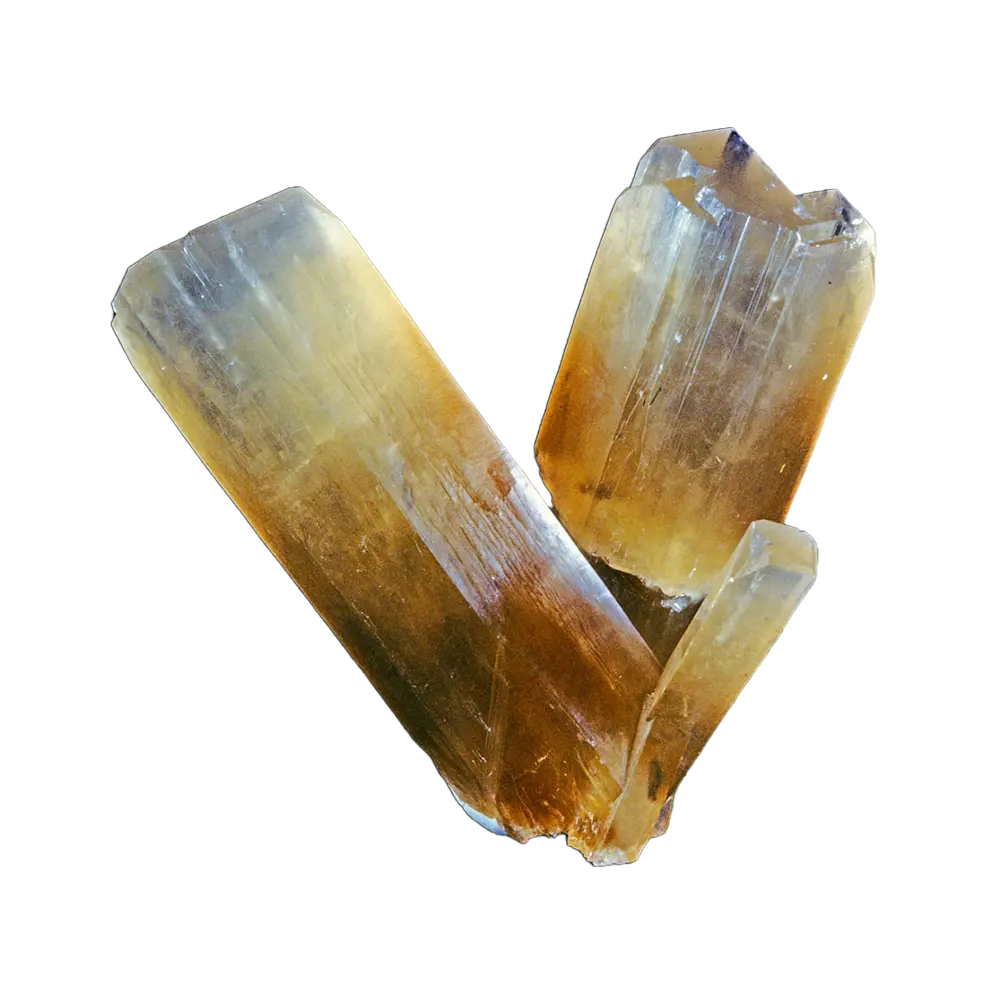
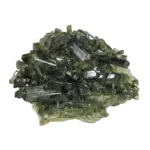
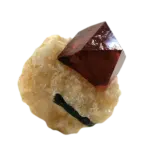
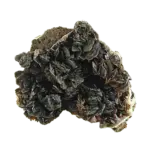
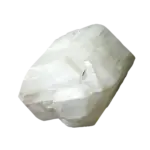
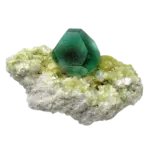
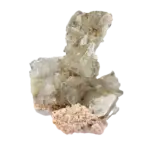
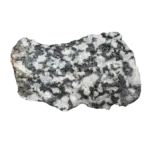
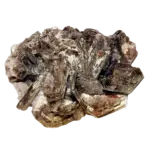
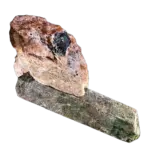
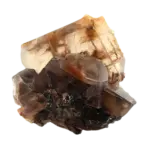
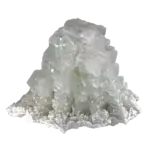
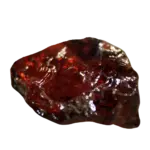
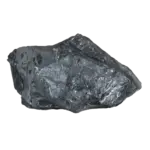
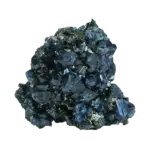
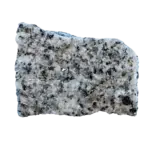
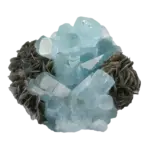
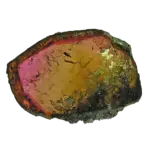
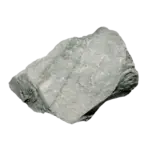
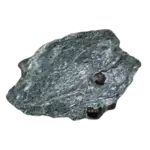
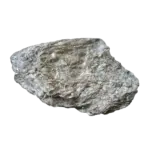
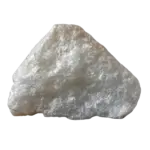
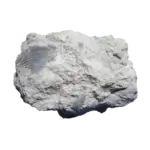
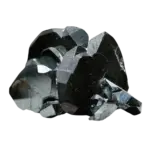
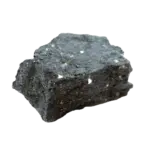
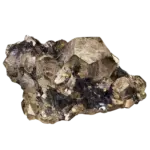
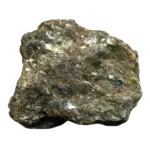
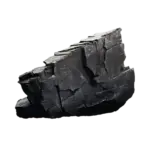
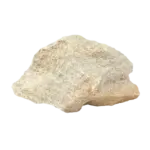
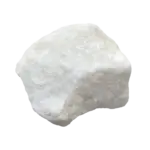
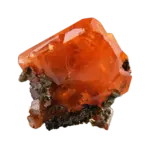
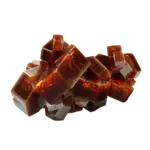
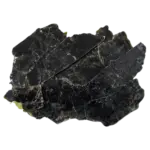
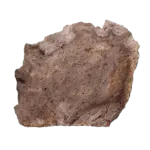
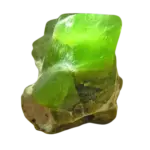
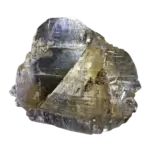
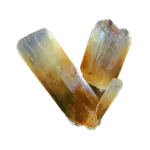
Beryl is the mineral family behind some of the world’s best-known gemstones. Emerald, aquamarine, morganite, heliodor, goshenite and red beryl are not separate minerals in the strict mineralogical sense; they are colour varieties of beryl, a beryllium aluminium cyclosilicate with the formula Be₃Al₂Si₆O₁₈.
Pure beryl is colourless. Its famous colours come from small amounts of trace elements entering the crystal structure: chromium and vanadium can produce emerald green, iron produces the blue to yellow range seen in aquamarine and heliodor, and manganese is involved in the pink of morganite and the red of red beryl. The channels in beryl’s hexagonal structure are important, but they mainly host alkalis, water and other small molecules, they are not where every colour-causing element simply “sits.”
The name beryl also has a long linguistic afterlife. It passed into English through Latin beryllus and Greek bēryllos, probably from older South Asian gem names. Medieval clear beryl was sometimes used for lenses before good optical glass became common, which is why the German word Brille for eyeglasses is linked to beryl. The connection between beryl and words such as brilliant is plausible, but best treated as probable rather than certain.
Fact sheet
- Chemical formula: Be₃Al₂Si₆O₁₈ (a beryllium aluminium cyclosilicate)
- Crystal system: Hexagonal (space group P6/mcc)
- Mohs hardness: 7.5–8
- Specific gravity: 2.63–2.92, varying with substituting ions
- Cleavage: Imperfect on {0001}
- Lustre: Vitreous
- Streak: White
- Varieties and chromophores: Emerald (green; Cr³⁺ and/or V³⁺), aquamarine (blue to greenish blue; iron-related colour), heliodor/golden beryl (yellow to golden; iron-related colour), morganite (pink to peach-pink; manganese-related colour), goshenite (colourless), red beryl (red; manganese-related colour), maxixe-type beryl (deep blue; radiation-related colour centre, often unstable in light)
- Major sources: Brazil, Colombia, Madagascar, Pakistan, Afghanistan, Russia, USA, Mozambique, Zambia
- Industrial role: Historic beryllium ore mineral; today less important than bertrandite in modern beryllium production
Crystal structure
Beryl is a ring silicate, or cyclosilicate, not a chain silicate. The older-looking formula Be₃Al₂(SiO₃)₆ is sometimes still seen, but Be₃Al₂Si₆O₁₈ better shows the mineral’s structure: six SiO₄ tetrahedra join to form Si₆O₁₈ rings.
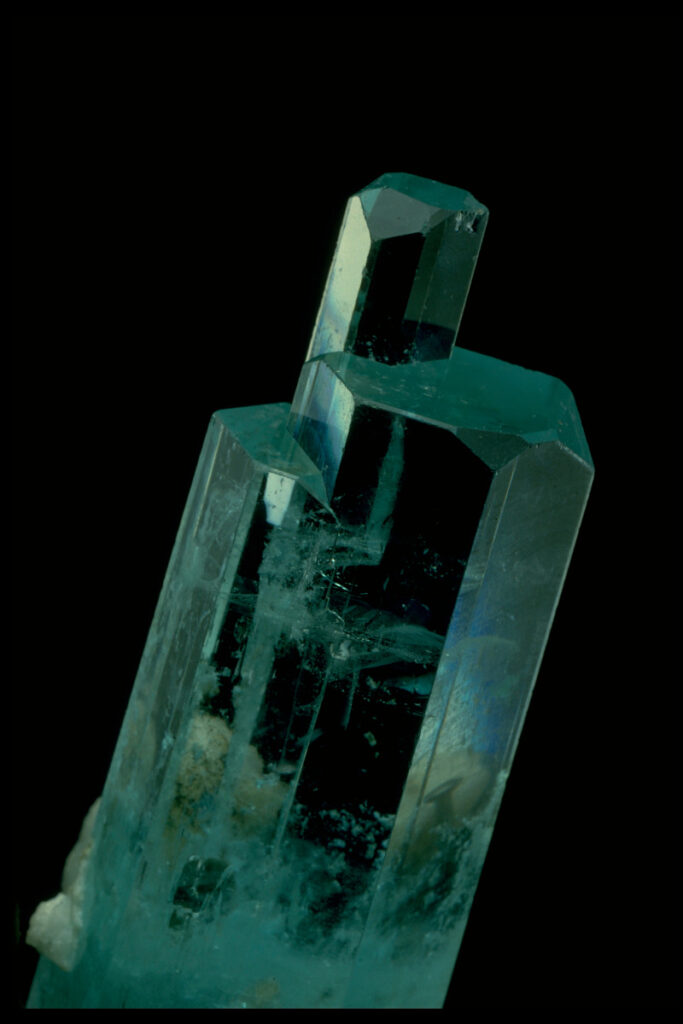
These rings stack parallel to the c-axis and create open channels through the crystal. Natural beryl commonly contains small amounts of alkali elements such as Na, K, Rb and Cs, as well as water molecules, in those channels. This channel chemistry helps explain why beryl varies in density, refractive index and some spectroscopic features.
The colour story is different. Chromium, vanadium and manganese mainly substitute into the beryl framework, especially at the octahedral aluminium site, rather than simply occupying the channels. That distinction matters because it keeps the explanation accurate: the channels help make beryl chemically flexible, but the famous gemstone colours mostly come from trace elements interacting with the framework itself.
Pezzottaite is a useful boundary case. It is related to beryl, but it is not just “pink beryl.” It contains essential caesium and lithium and is treated as a separate mineral species.
How beryl forms
Beryllium is scarce in the crust and tends to become concentrated in late-stage granitic melts and fluids. Beryl therefore forms where those Be-bearing fluids or residual melts meet the right chemical conditions. For gem beryl, three settings are especially important:
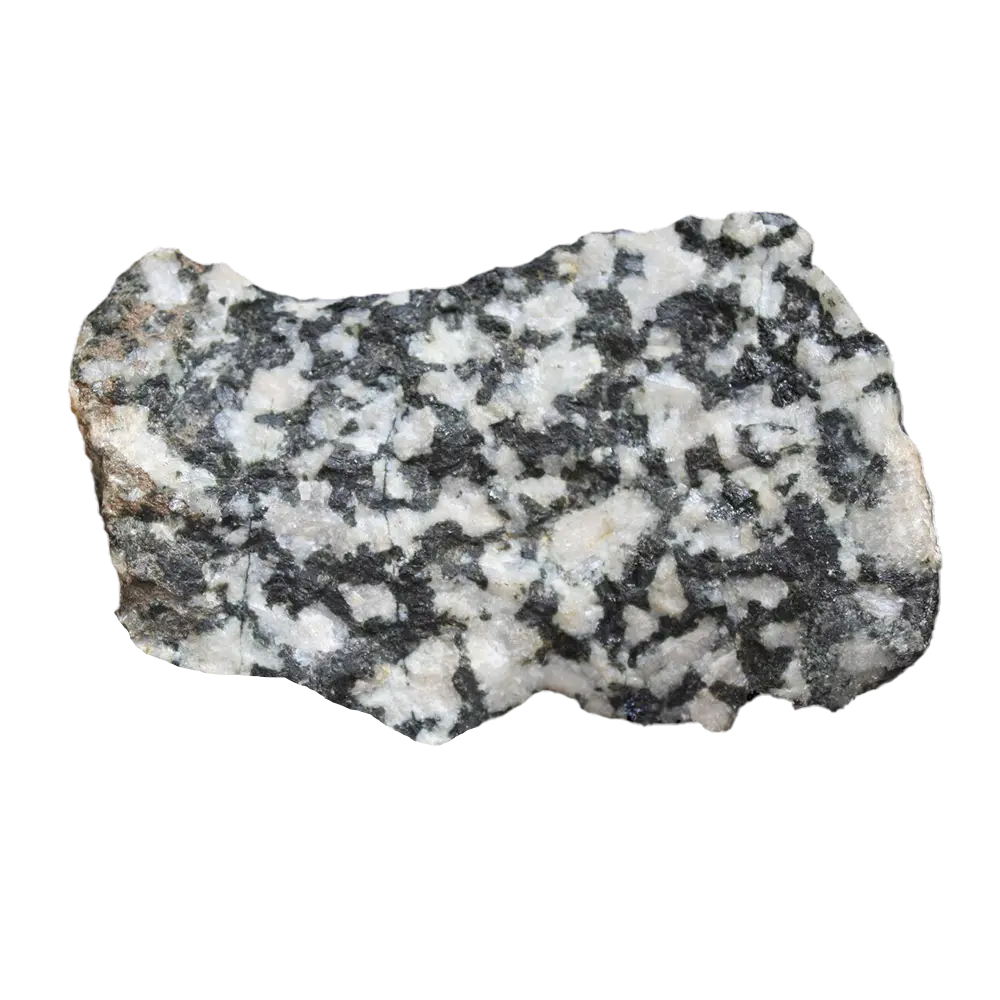
- Granitic pegmatites. This is the classic setting for many non-emerald beryls. Aquamarine, heliodor, morganite and goshenite commonly grow in coarse-grained, volatile-rich pegmatites, sometimes as large prismatic crystals in pockets or miarolitic cavities. Important pegmatite regions include Brazil, Pakistan and Afghanistan, Madagascar, Russia and several historic districts in the United States.
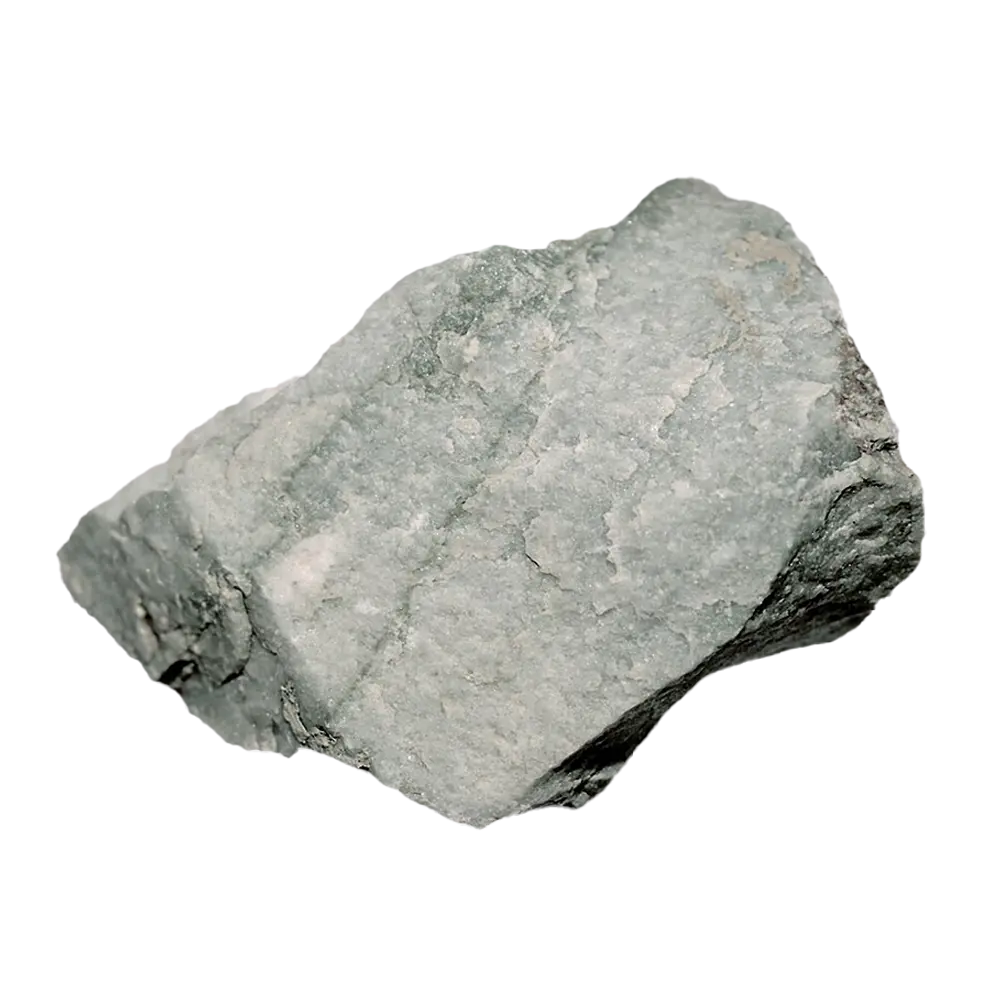
- Schist-hosted emerald deposits. Emerald needs ingredients that do not usually occur together: beryllium on one side, and chromium and/or vanadium on the other. In many emerald deposits, Be-bearing pegmatitic or hydrothermal fluids react with Cr- or V-bearing mafic, ultramafic or metamorphic host rocks. That reaction can produce emerald in mica schists and related altered rocks. Examples include deposits in Austria, Zambia, Brazil, Pakistan and the Ural Mountains.
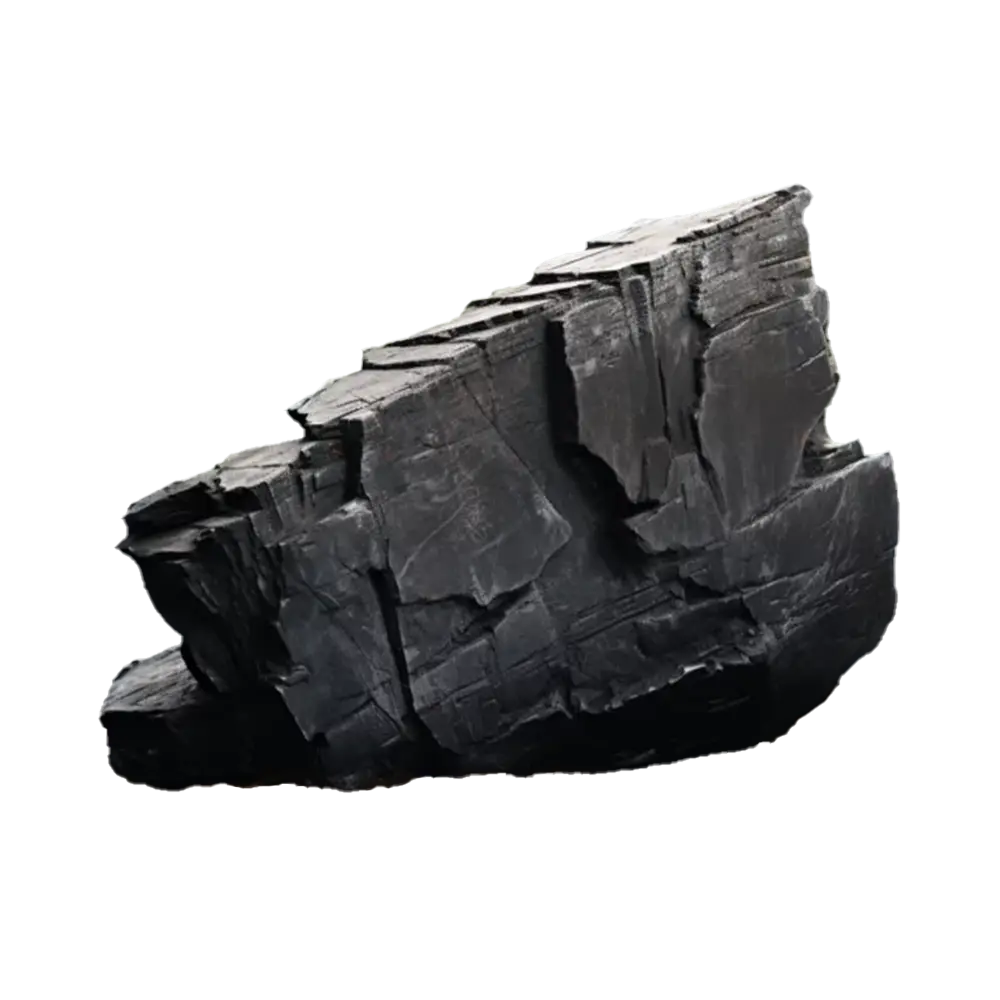
- Black-shale-hosted emerald: the Colombian anomaly. The Muzo, Coscuez and Chivor districts of Colombia’s Eastern Cordillera are among the most famous emerald sources on Earth, but their geology is unusual. Colombian emeralds formed in sedimentary black shales and carbonate rocks rather than in the more familiar pegmatite–schist setting.
- In these deposits, hot saline hydrothermal fluids moved through organic-rich Cretaceous sedimentary rocks along faults and fractures. Fluid–rock reactions produced carbonate-pyrite veins and breccias in which emerald crystallised. The key point is not simply that Colombian emeralds are “better,” but that they formed by a rare sediment-hosted hydrothermal route with no obvious associated igneous intrusion.
The varieties
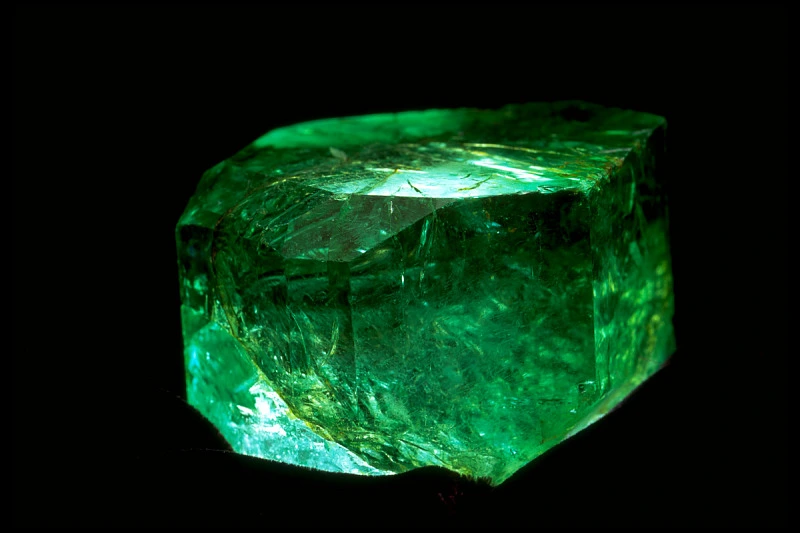
Emerald is the green variety of beryl coloured mainly by chromium and/or vanadium substituting for aluminium in the crystal structure. Very pale material is often called green beryl rather than emerald; the boundary depends partly on colour saturation and partly on gem-trade convention.
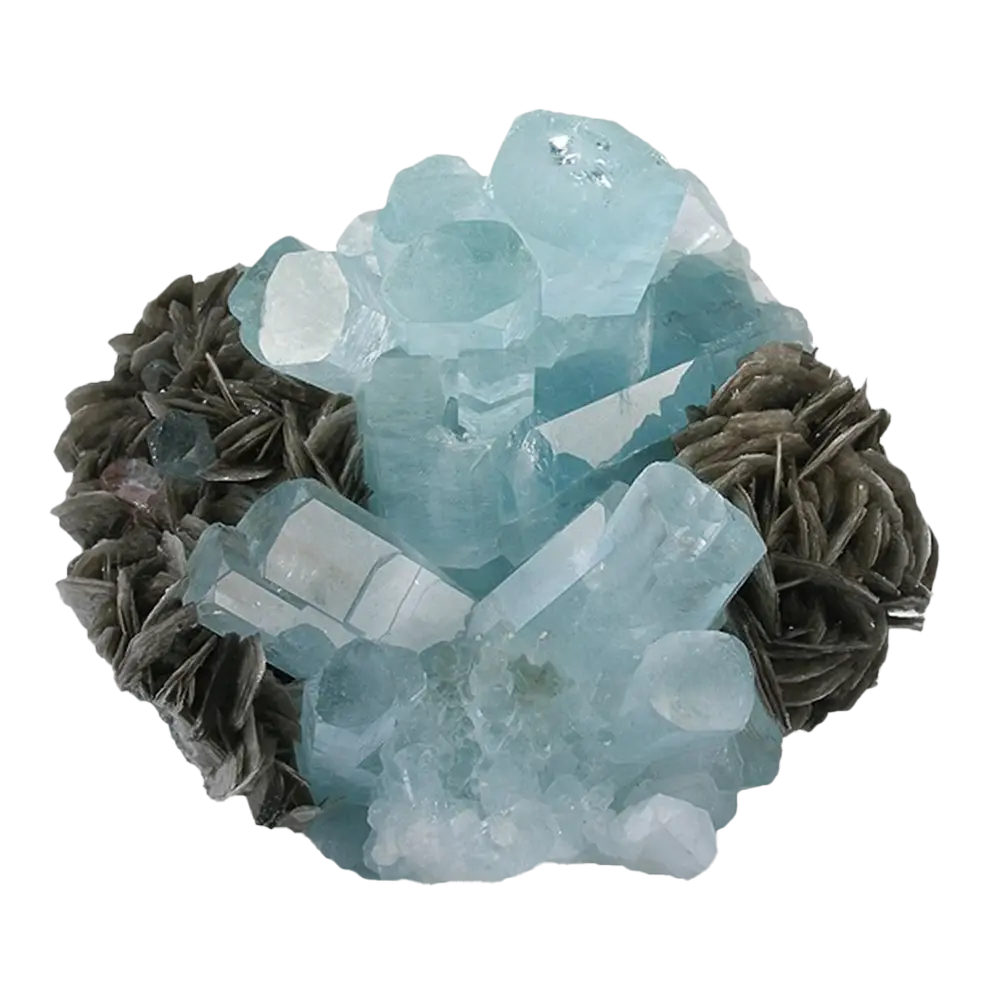
Aquamarine is the blue to greenish-blue variety of beryl. Its colour is iron-related, and heat treatment is commonly used to reduce greenish or yellowish tones and produce a cleaner blue. Aquamarine is also the traditional March birthstone.
Heliodor and golden beryl are coloured by Fe³⁺. The names overlap and usage varies between authors and trade.
Morganite is the pink to peach-pink variety of beryl. Its colour is manganese-related, and the gem was named in honour of the financier and gem collector J. P. Morgan in the early twentieth century.
Goshenite is colourless beryl, named after Goshen, Massachusetts. Historically, clear beryl was sometimes used for lenses, and clean goshenite has also been cut as a colourless gemstone or diamond simulant.
Red beryl, is the rarest well-known beryl variety, with its red colour linked to manganese. The old name “bixbite” is best avoided because it is easily confused with bixbyite, a separate manganese oxide mineral.
Gem-quality red beryl is essentially a Utah specialty. The only known commercial source of facetable red beryl is the Ruby-Violet mine in the Wah Wah Mountains of Beaver County, Utah. There, red beryl occurs mainly along fractures in topaz rhyolite and is interpreted as a vapour-phase mineral formed during late-stage reactions involving rhyolite-derived gases, heated groundwater and minerals or volcanic glass in the host rock.
Industrial use and the beryllium-ore question
Beryl was historically one of the important ores of beryllium, and beryllium was first identified from beryl by Louis-Nicolas Vauquelin in 1798. Today, however, beryl is no longer the dominant modern beryllium ore. Much current production is tied to bertrandite, especially the Spor Mountain area in Utah, which the USGS describes as a large mined bertrandite resource.
Beryllium is valuable because it is light, stiff, dimensionally stable and transparent to X-rays. It is used in aerospace and defence applications, satellite and optical systems, X-ray windows, beryllium-copper alloys, electrical contacts and specialised scientific equipment. The mirrors of the James Webb Space Telescope, for example, are made from beryllium because the metal combines low weight with high stiffness and stability at very low temperatures.
Beryllium also comes with a serious health warning. Solid gem beryl is not normally a handling hazard, but mining, crushing, grinding or refining beryllium-bearing materials can generate dust or fumes. Occupational exposure can cause beryllium sensitisation and chronic beryllium disease, so industrial processing requires strict controls.