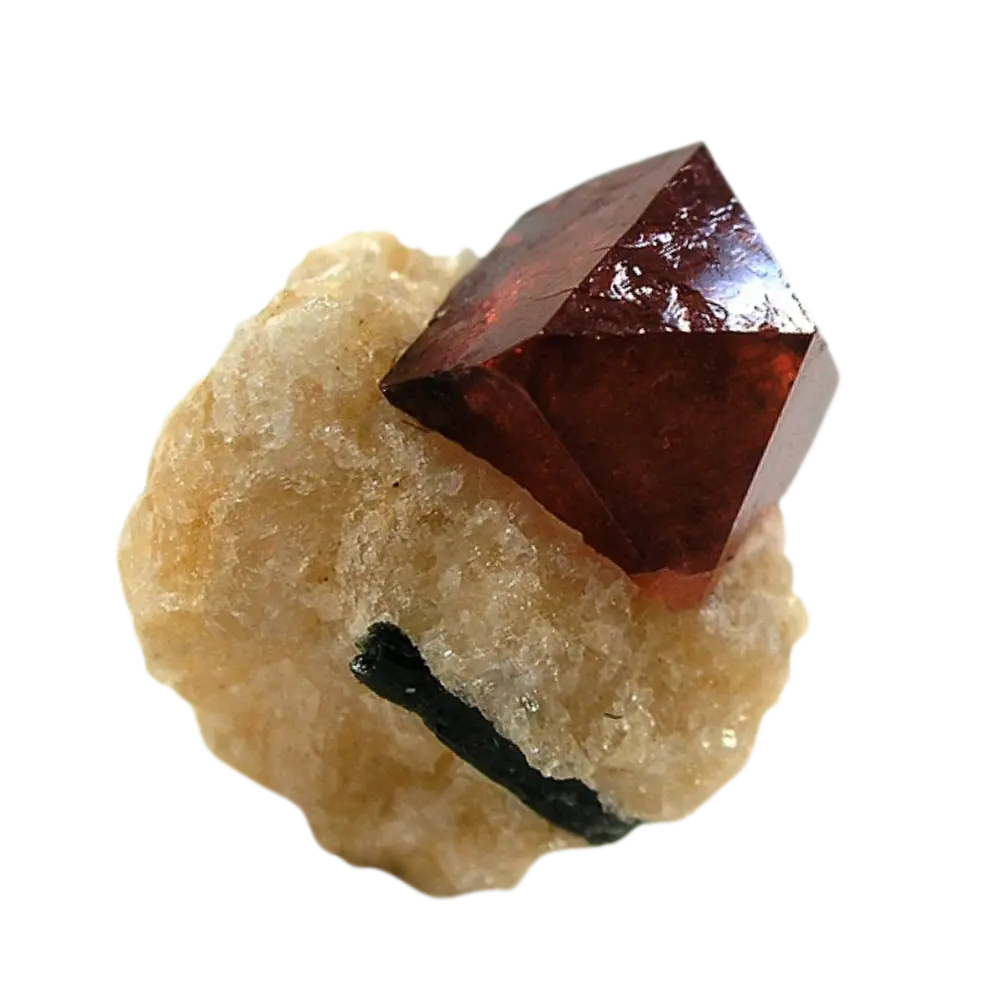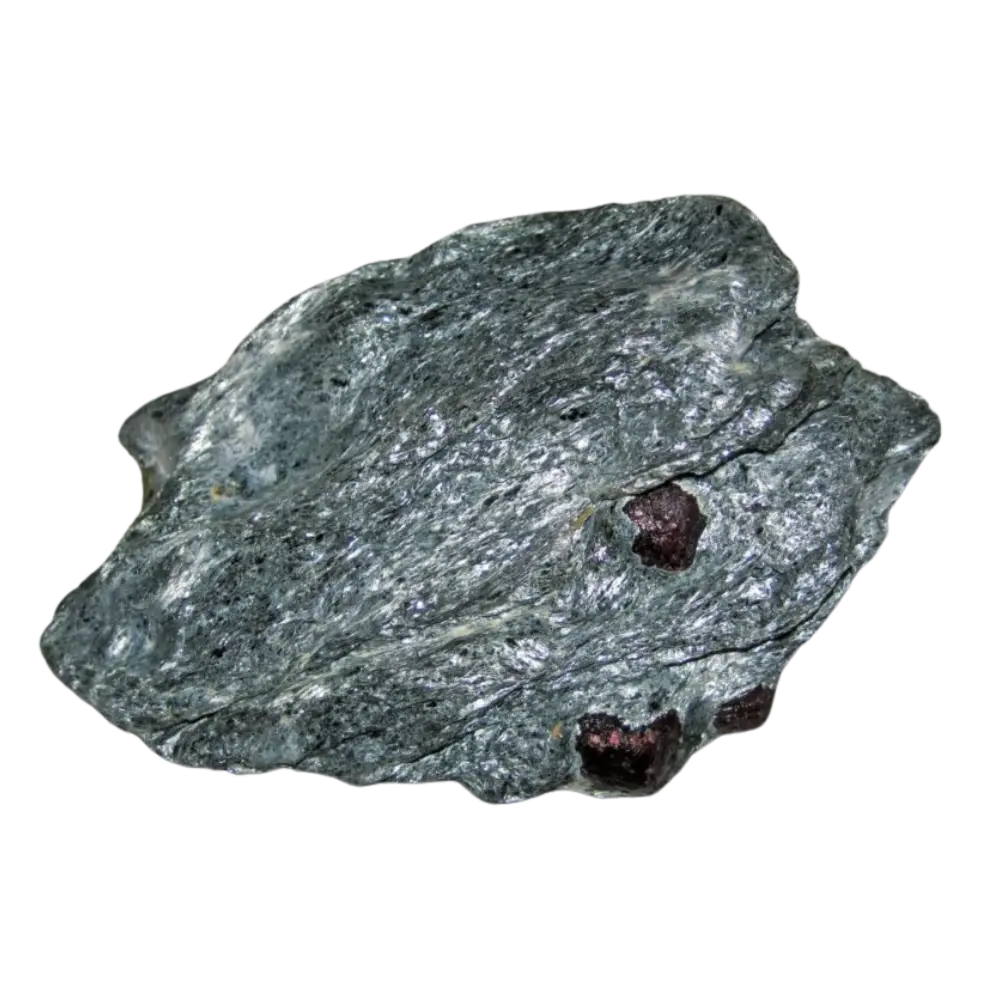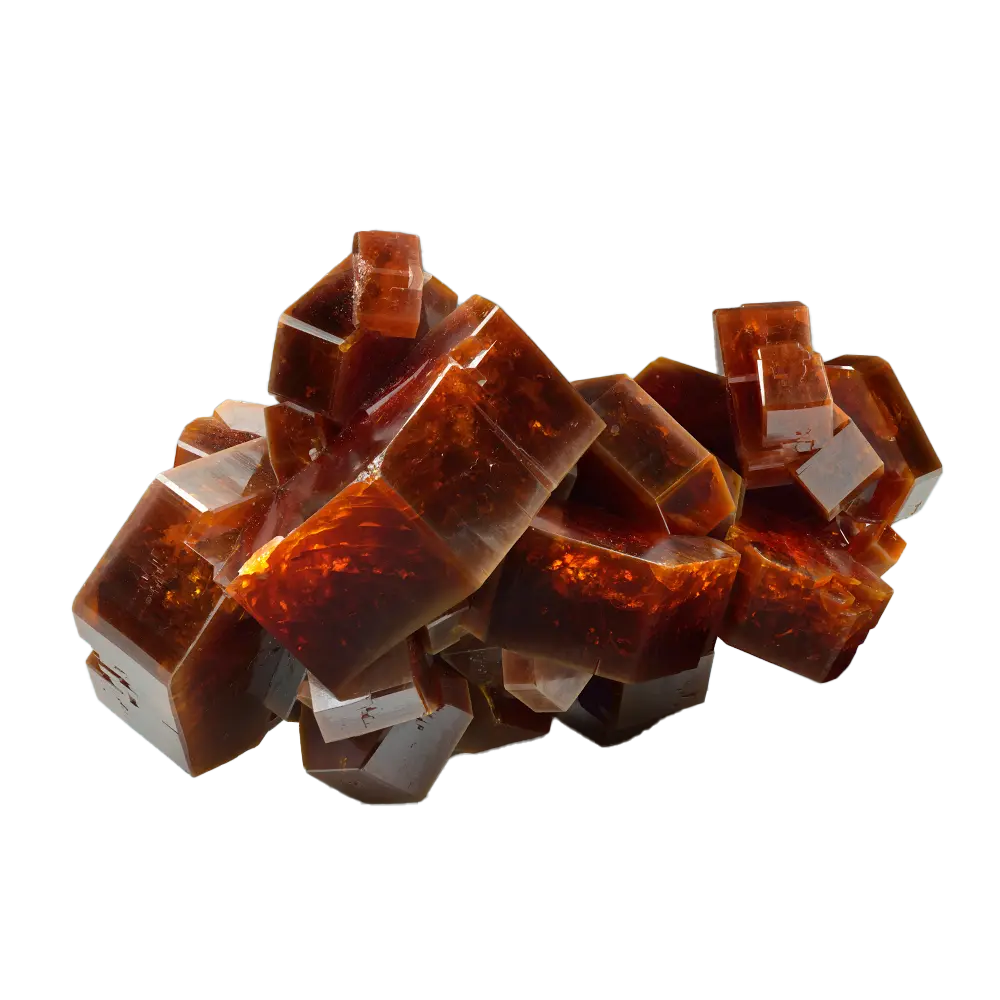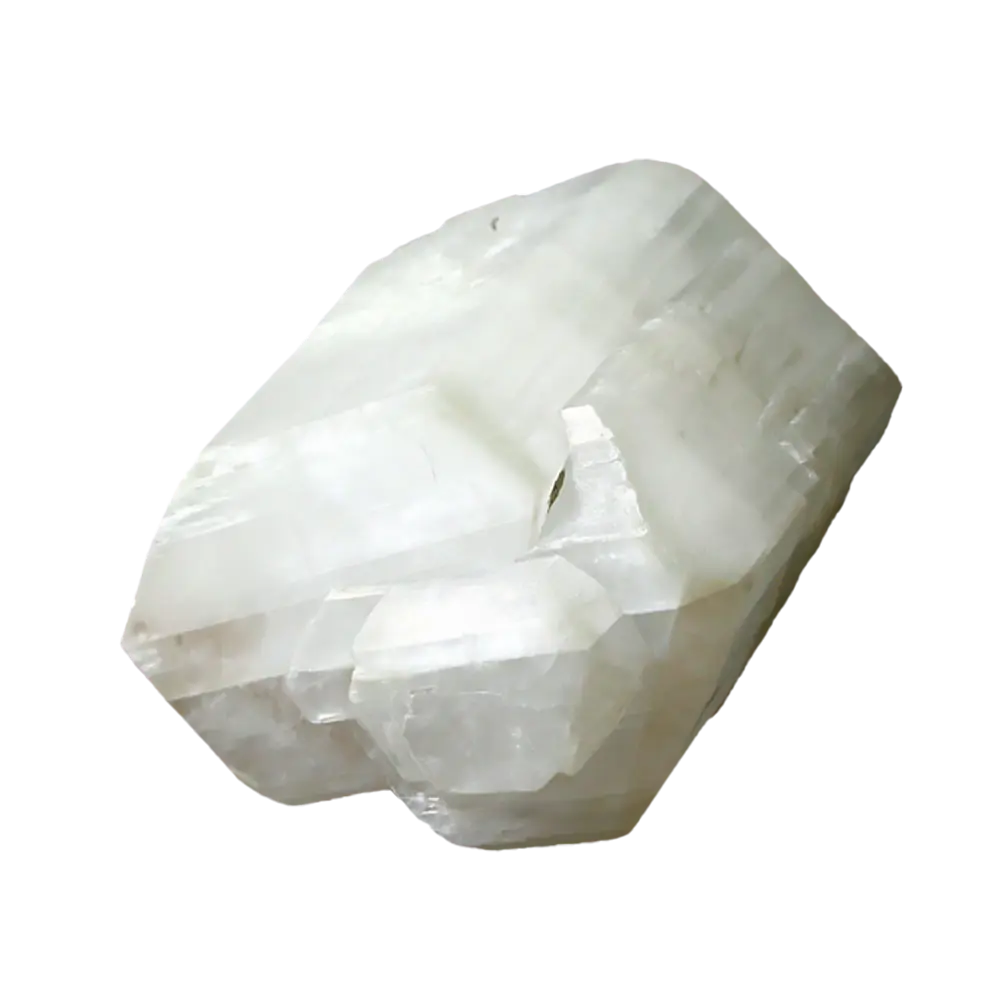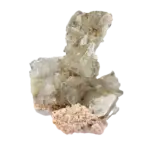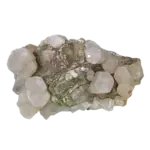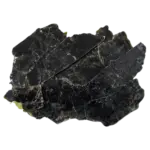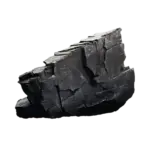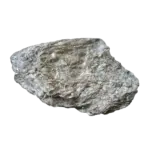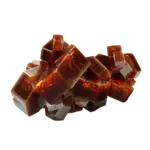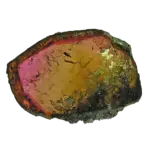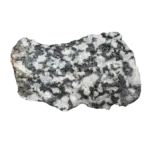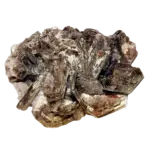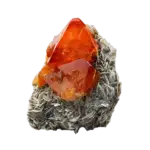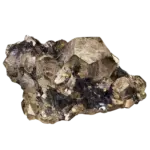
Fact Sheet:
- Chemical Composition: General formula XY(Si, Al)₂O₆, where X can be calcium (Ca), sodium (Na), iron (Fe²⁺), or magnesium (Mg), and Y is typically magnesium (Mg), iron (Fe), or aluminum (Al)
- Hardness: 5 to 7 on the Mohs scale
- Crystal System: Monoclinic or orthorhombic
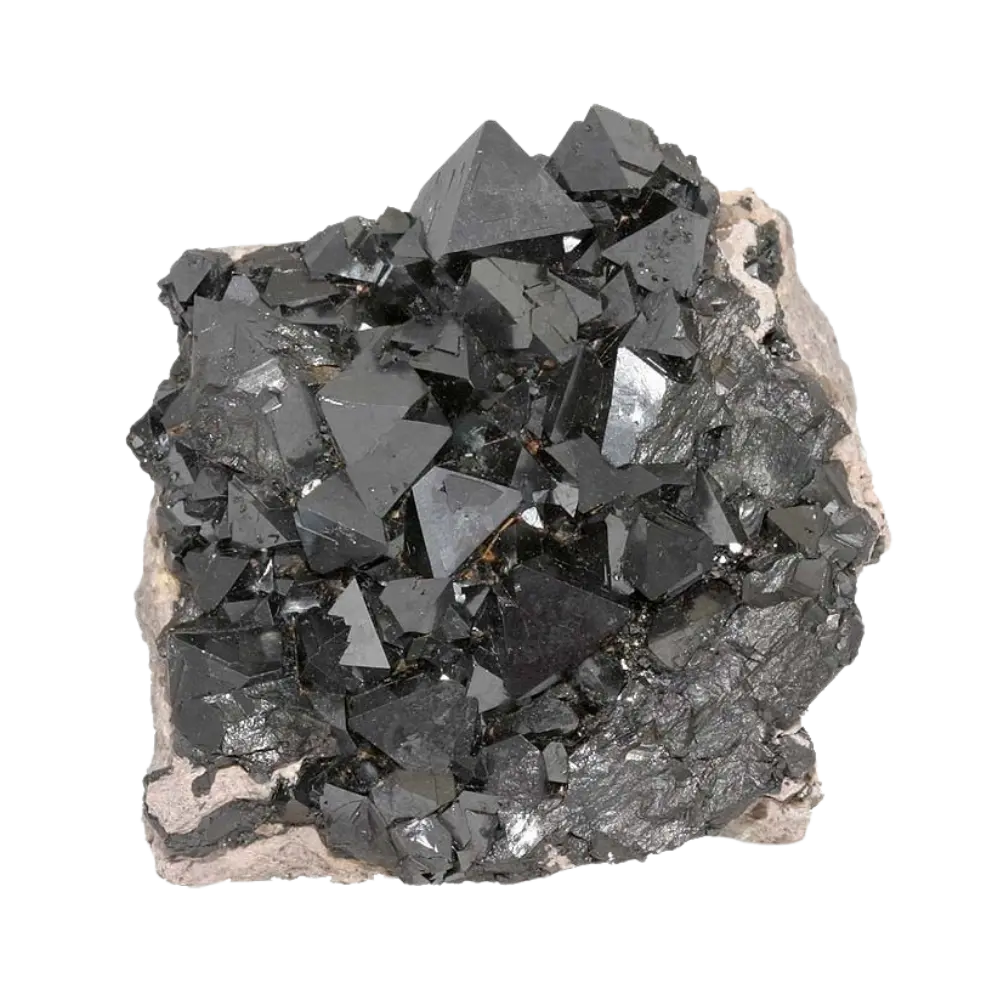
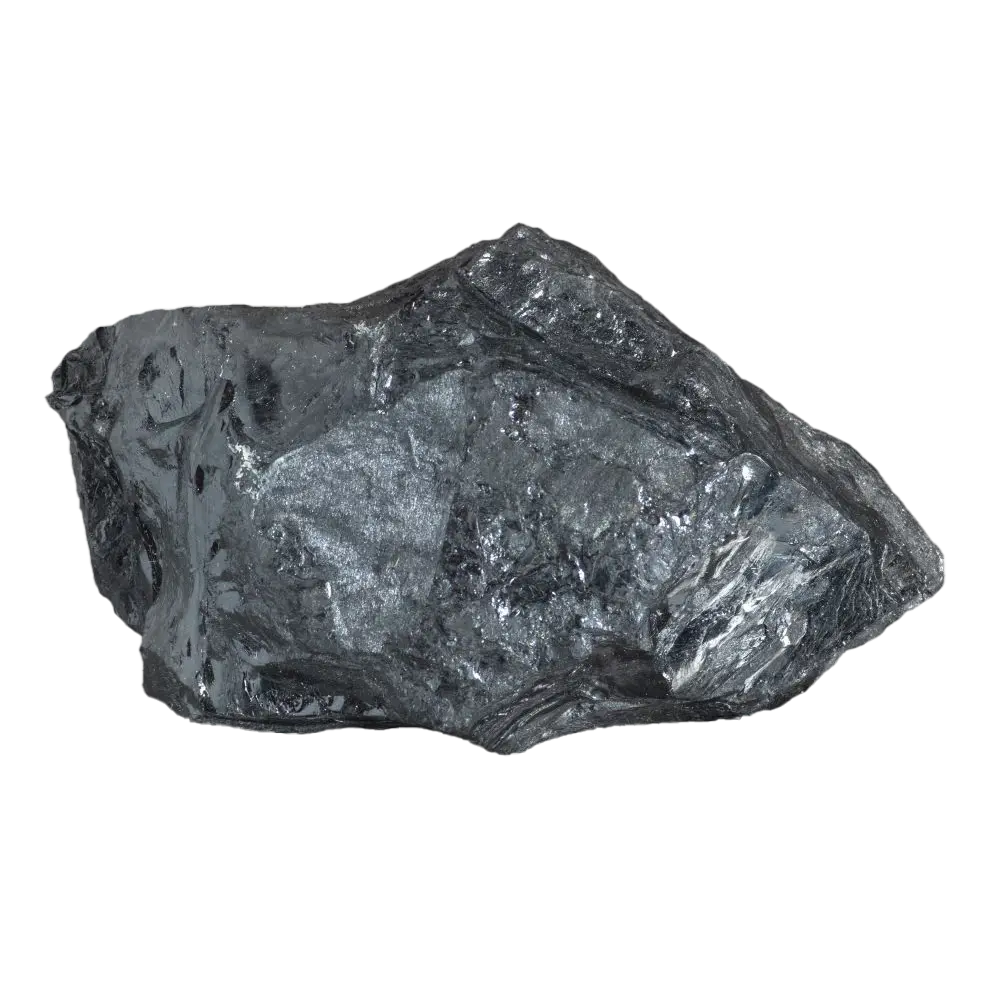
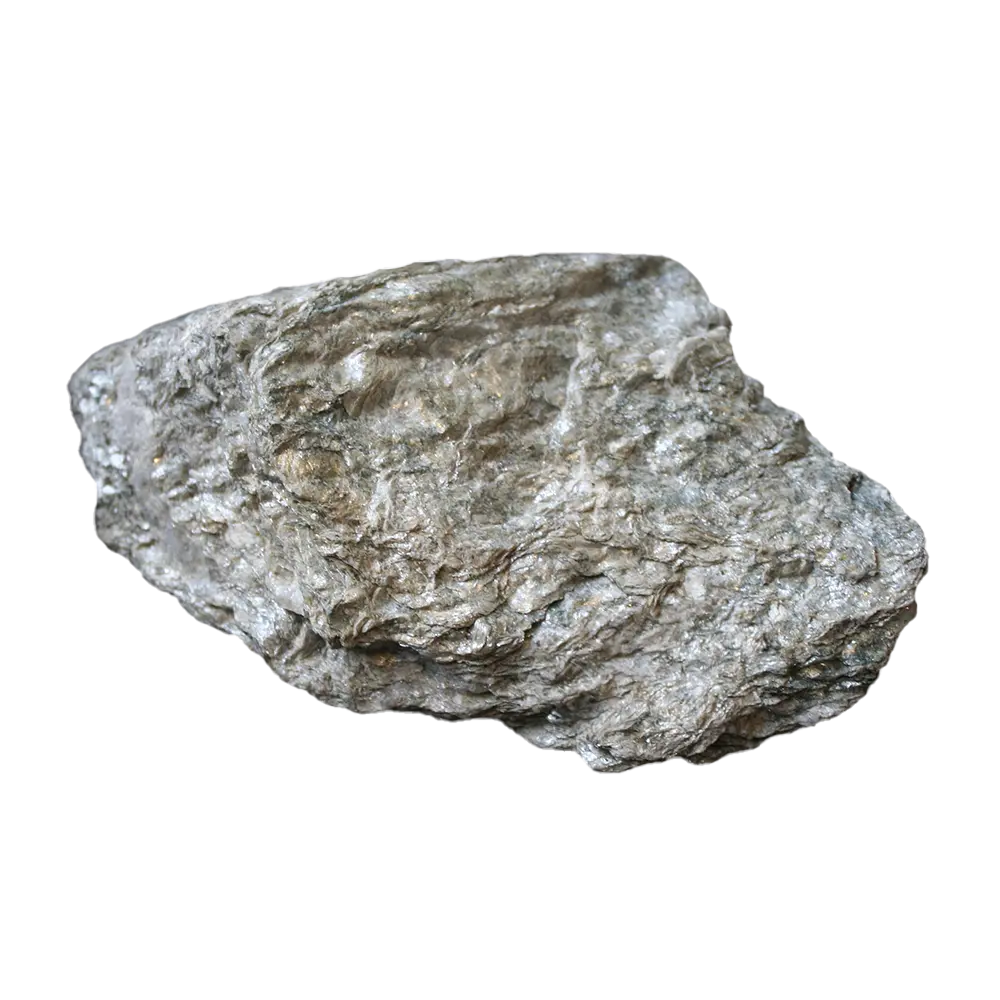
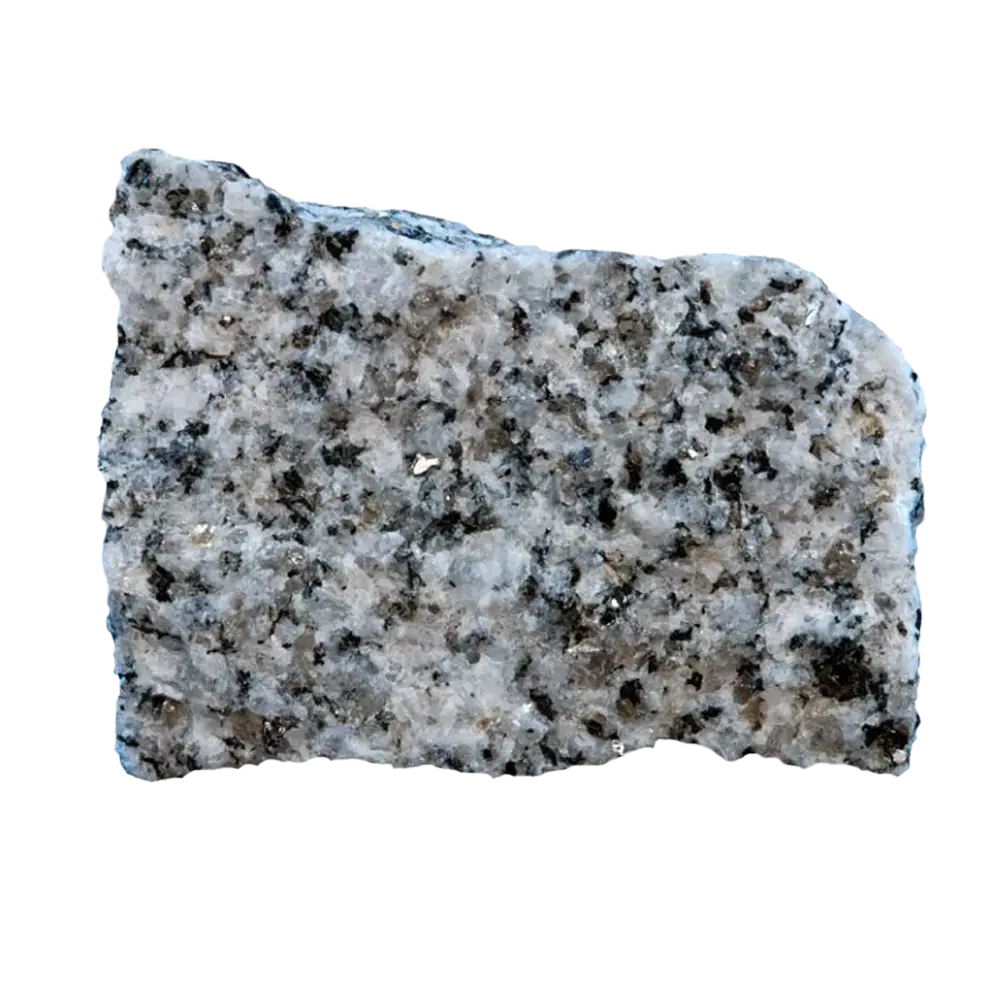
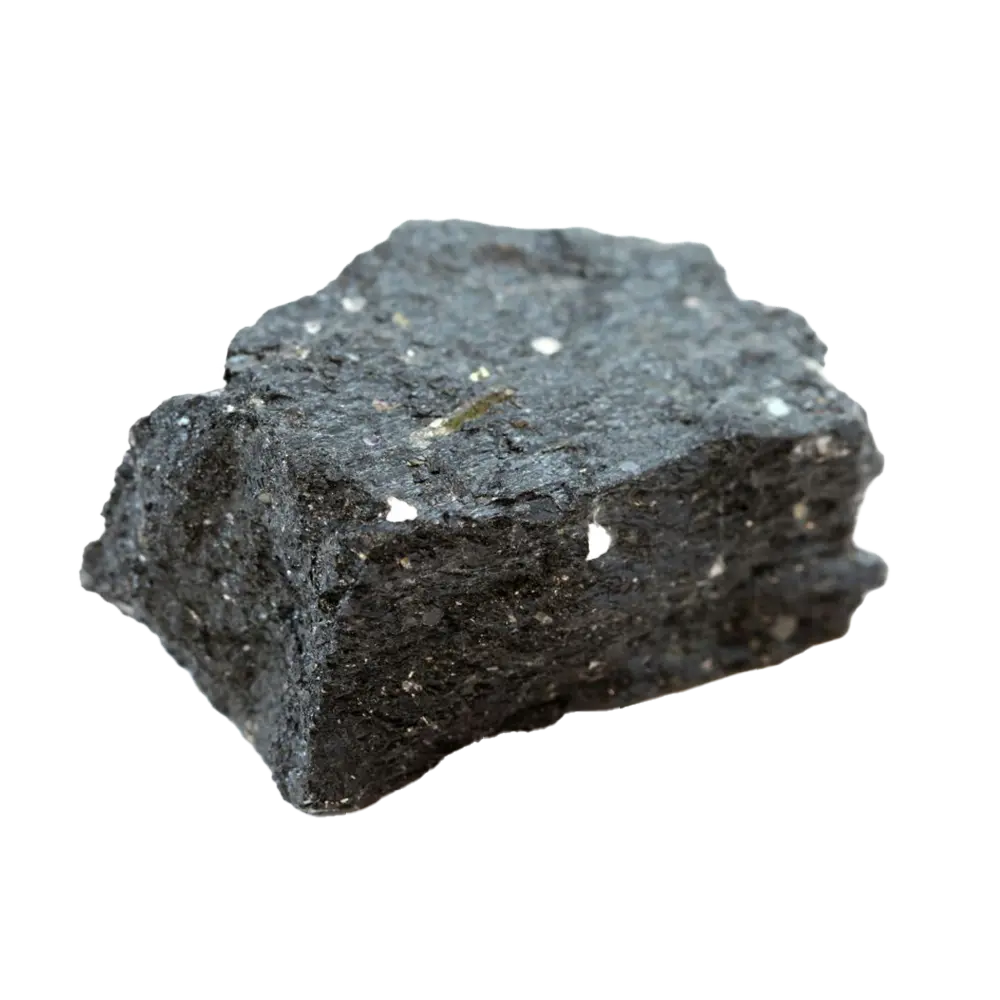
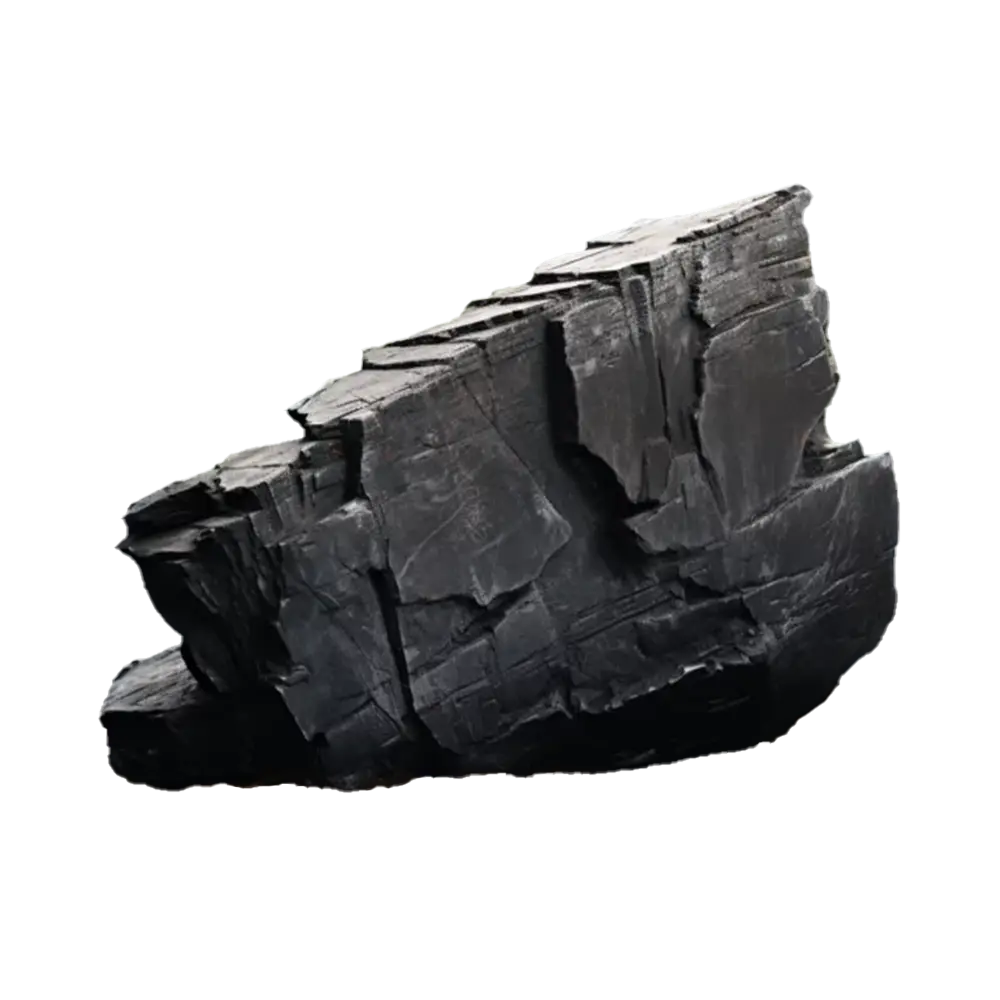
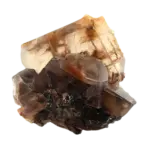
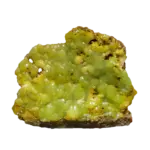
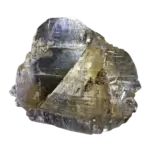
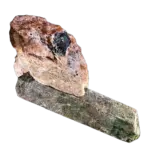
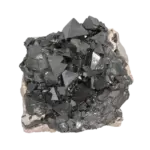
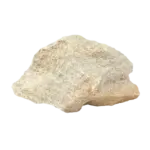
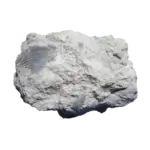
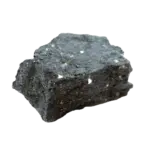
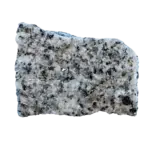
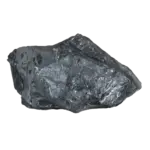
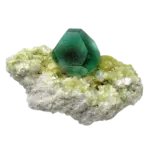
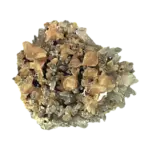
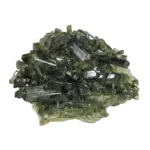
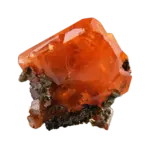
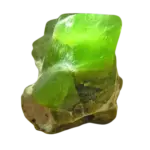
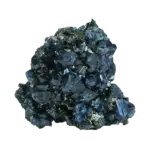
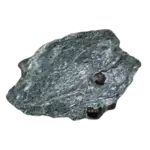
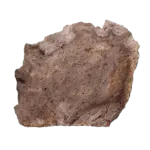
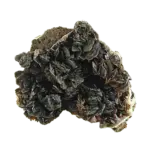
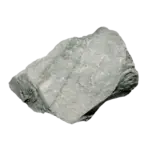
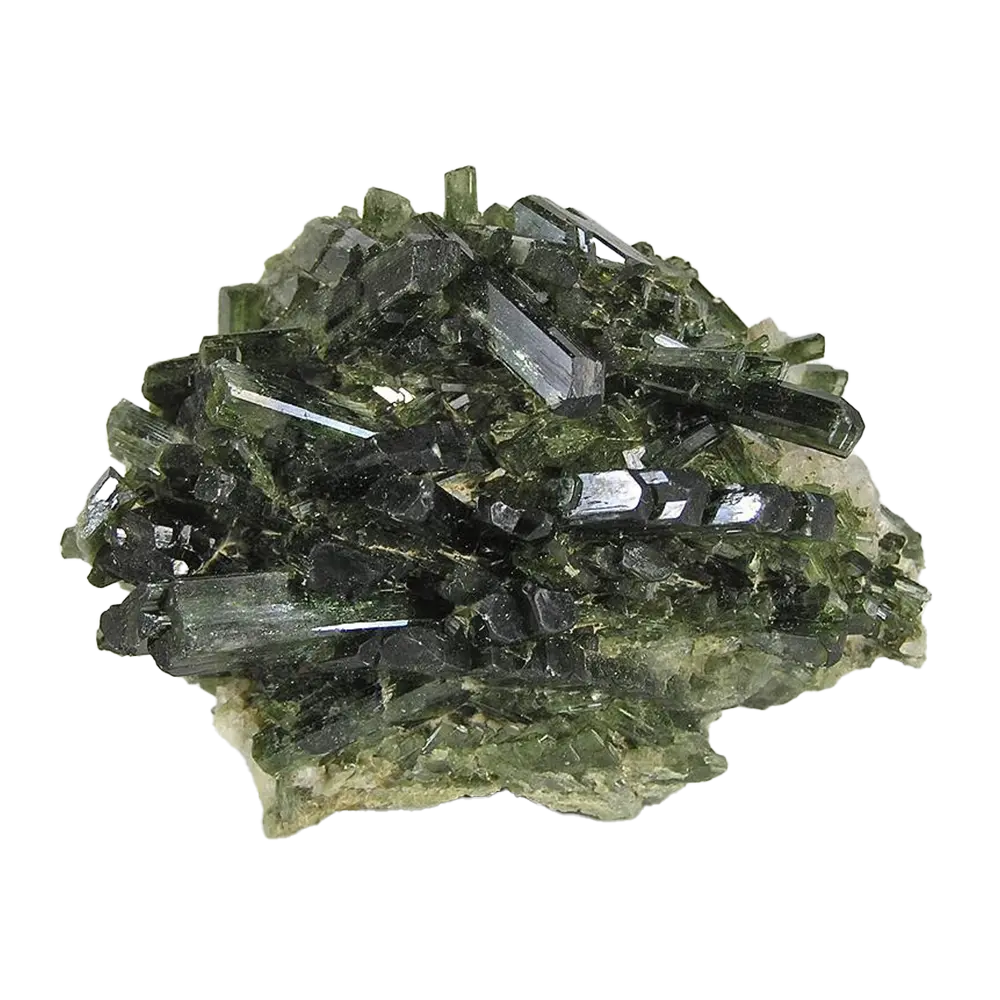
- Color Varieties: Green, black, brown, white, yellow, and dark gray
- Major Localities: United States, Italy, Norway, Australia, Canada, and Japan
- Common Uses: Rock-forming mineral in igneous and metamorphic rocks, ceramics, and geological research
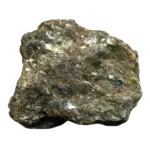
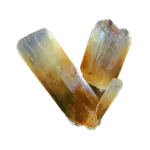
Introduction: Pyroxene is a group of important rock-forming minerals found in many igneous and metamorphic rocks. Characterized by their high content of magnesium, iron, and calcium, pyroxenes play a significant role in the mineral composition of the Earth’s crust and mantle. These minerals are known for their distinctive crystal shapes and colors, which range from green and black to brown and white. Pyroxenes are essential for understanding geological processes, such as the formation of volcanic rocks and the transformation of rocks under high temperatures and pressures. While they have limited direct industrial applications, pyroxenes are invaluable to geologists in deciphering the history of the Earth’s geological evolution.
Formation: Pyroxene minerals form under a wide range of conditions, primarily in igneous and metamorphic rocks. In igneous rocks, pyroxenes crystallize from magma as it cools. They are common in mafic and ultramafic rocks, such as basalt, gabbro, and peridotite, which are rich in magnesium and iron. Pyroxenes also form in high-temperature, high-pressure environments, such as the Earth’s mantle and in subduction zones, where they contribute to the composition of metamorphic rocks like eclogite and amphibolite.
Pyroxenes are generally divided into two categories:
- Orthopyroxenes: Form in orthorhombic crystal systems, typically found in mafic and ultramafic rocks, and are rich in magnesium and iron.
- Clinopyroxenes: Form in monoclinic crystal systems, often containing calcium, and are found in a wide range of igneous and metamorphic rocks.
Types and Colors: Pyroxene minerals come in a variety of colors, depending on their specific chemical composition:
- Augite: A common clinopyroxene found in basalt and gabbro, typically black or dark green.
- Diopside: A calcium-magnesium pyroxene, commonly found in metamorphic rocks like marble and skarn, often pale green or white.
- Enstatite: An orthopyroxene, typically found in ultramafic rocks, often brown, green, or gray.
- Hypersthene: An orthopyroxene that is usually brown or greenish-black, found in igneous and metamorphic rocks.
- Jadeite: A rare pyroxene that is a key component of jade, found in high-pressure metamorphic rocks. Its colors range from green to white, yellow, and even blue.
The wide range of colors and forms makes pyroxenes distinctive, especially in thin sections under a microscope, where they are used in petrography to identify rock types.
Localities and Occurrence: Pyroxenes are widespread globally, found in a variety of geological settings:
- United States: Pyroxenes are found in basaltic and ultramafic rocks in states like Hawaii, California, and Wyoming.
- Italy: The volcanic rocks of Mount Vesuvius and Mount Etna are rich in pyroxenes, particularly augite and diopside.
- Norway: Pyroxenes, including enstatite and augite, are found in ultramafic and metamorphic rocks throughout the country.
- Australia: Significant deposits of pyroxene are found in the Pilbara Craton, associated with ancient igneous rocks.
- Canada: Pyroxene minerals are found in the Canadian Shield, a region rich in igneous and metamorphic rocks.
- Japan: Pyroxenes are abundant in Japan’s volcanic rocks, particularly in areas around active volcanoes.
Applications: While pyroxenes are not widely used in industry, they play important roles in geology and scientific research:
- Geological Research: Pyroxenes are crucial for understanding the formation of igneous and metamorphic rocks. Their presence, chemical composition, and texture help geologists determine the temperature, pressure, and environmental conditions in which rocks formed.
- Rock Identification: Pyroxenes are key minerals in the classification of rocks, especially igneous and metamorphic varieties. Their identification helps in the study of volcanic processes, tectonic settings, and the evolution of the Earth’s crust and mantle.
- Ceramics and Glass: In some cases, pyroxenes are used in the manufacture of ceramics and glass, although their use is limited compared to feldspar and other silicate minerals.
- Gemstones: Certain pyroxenes, such as jadeite and diopside, are used as gemstones, with jade being highly valued in East Asian cultures for its beauty and symbolic significance.