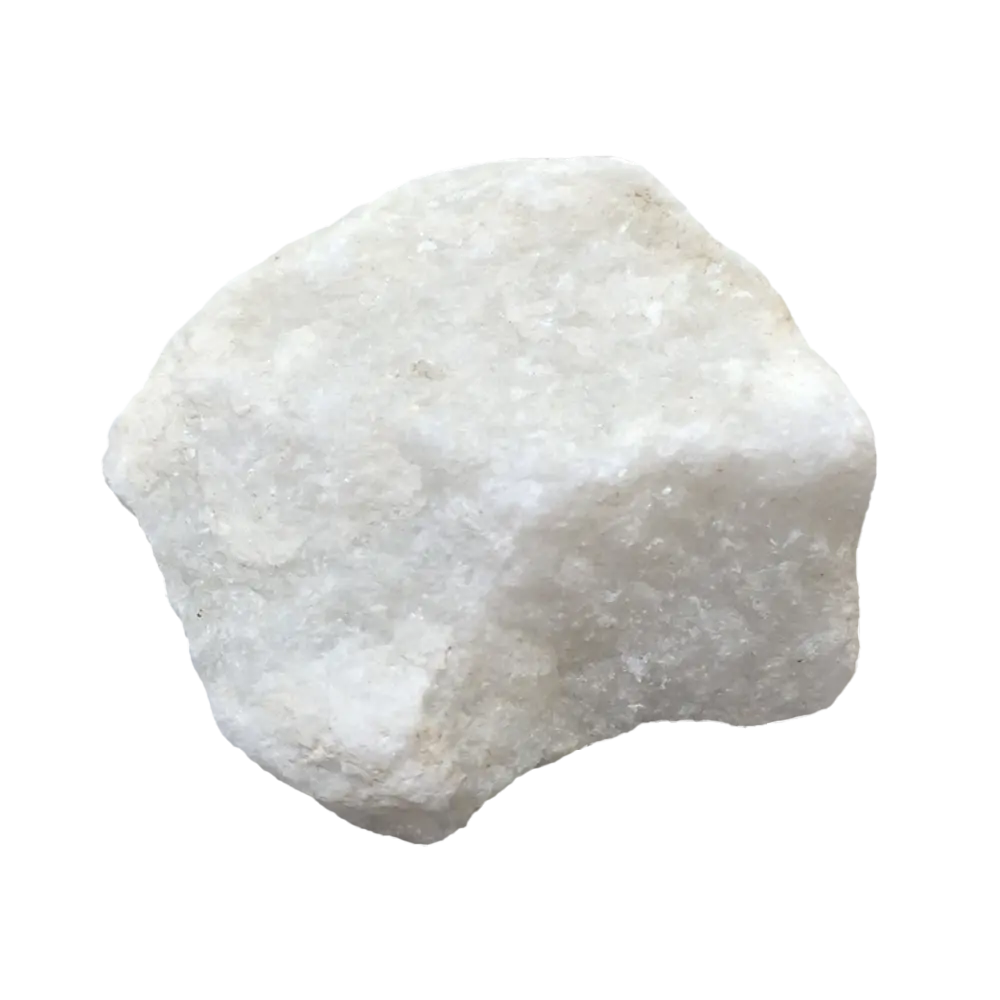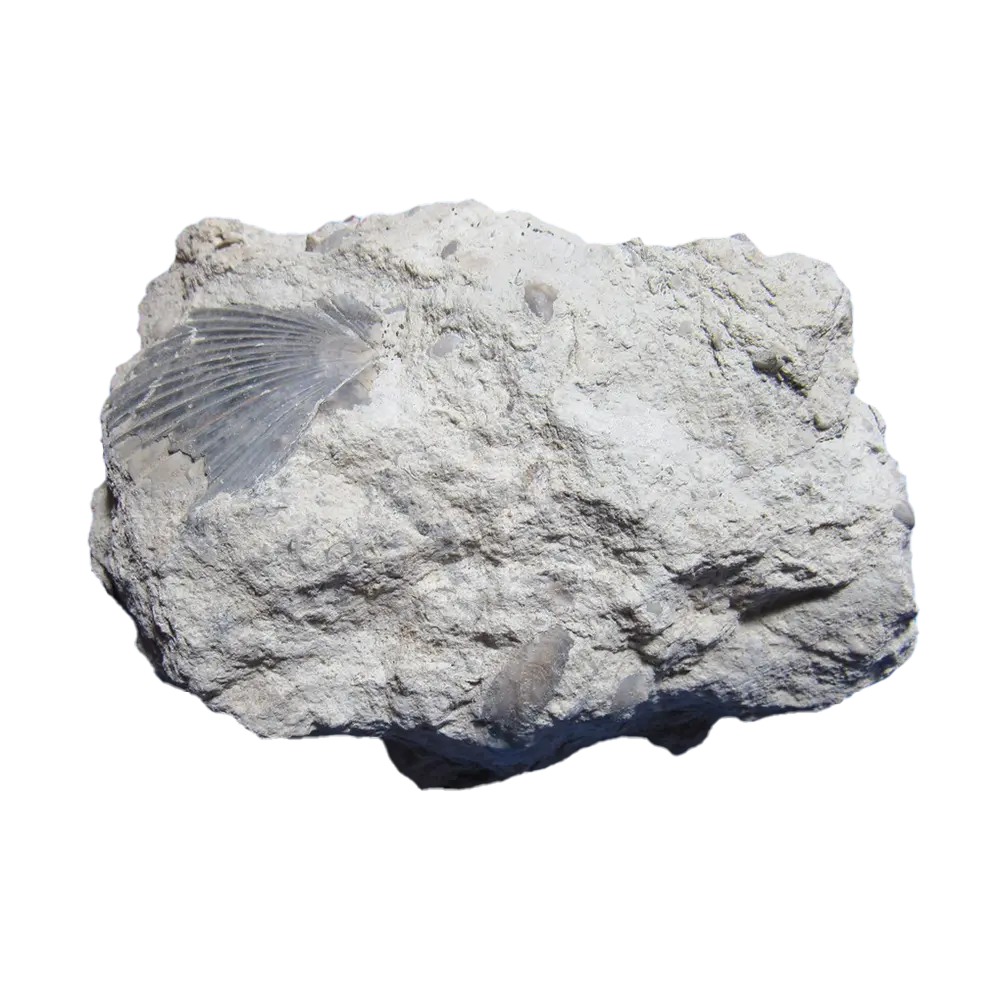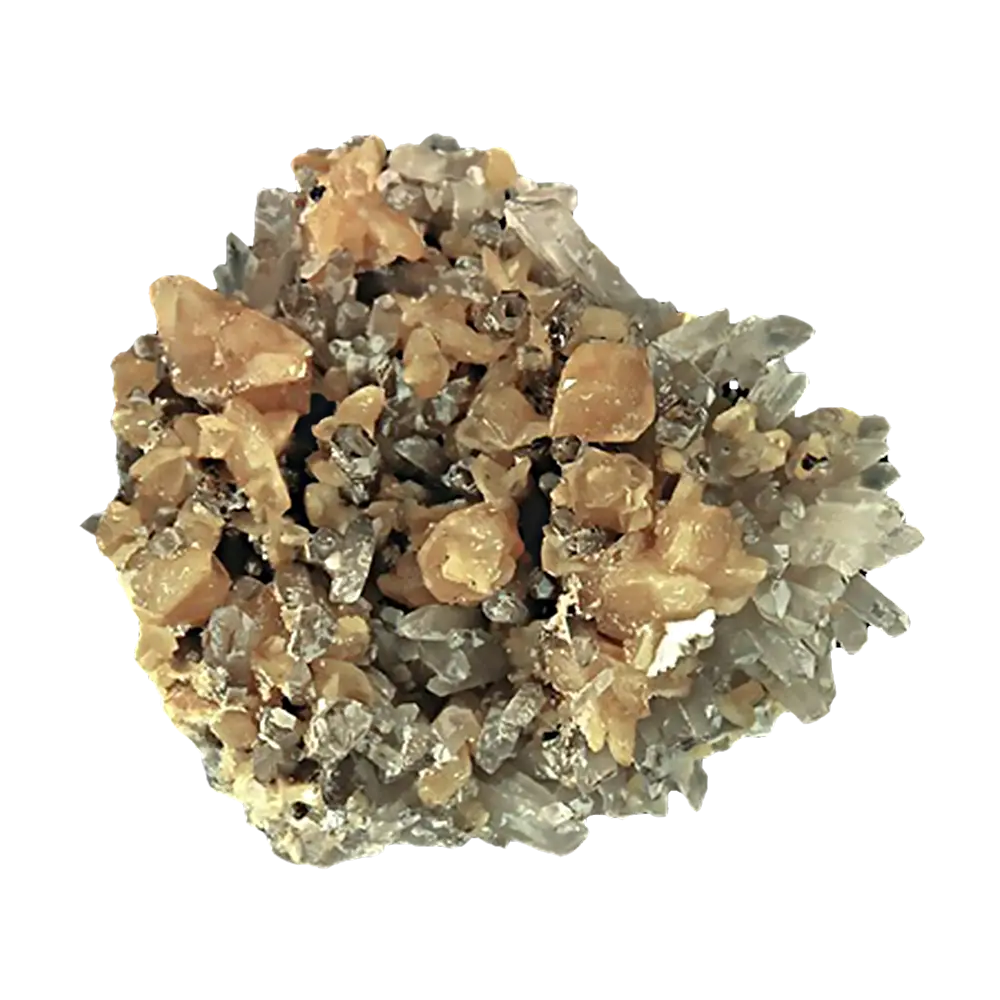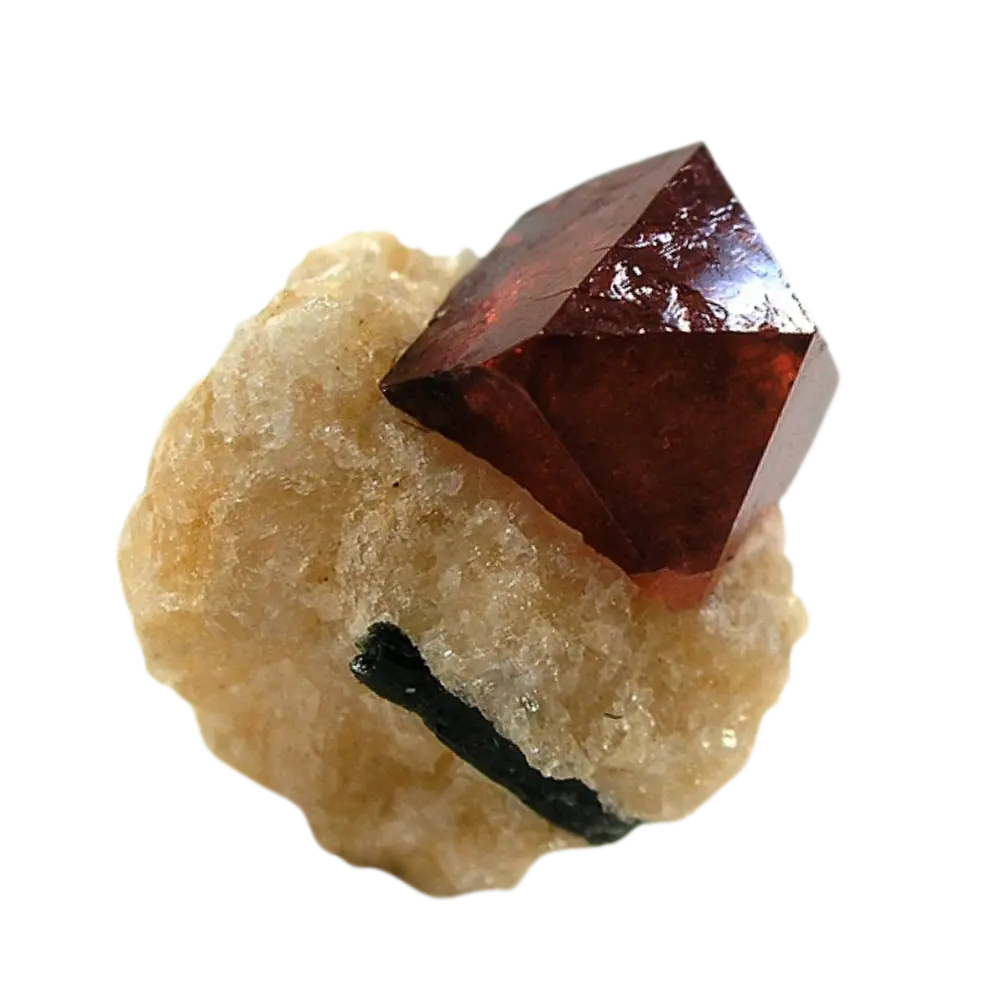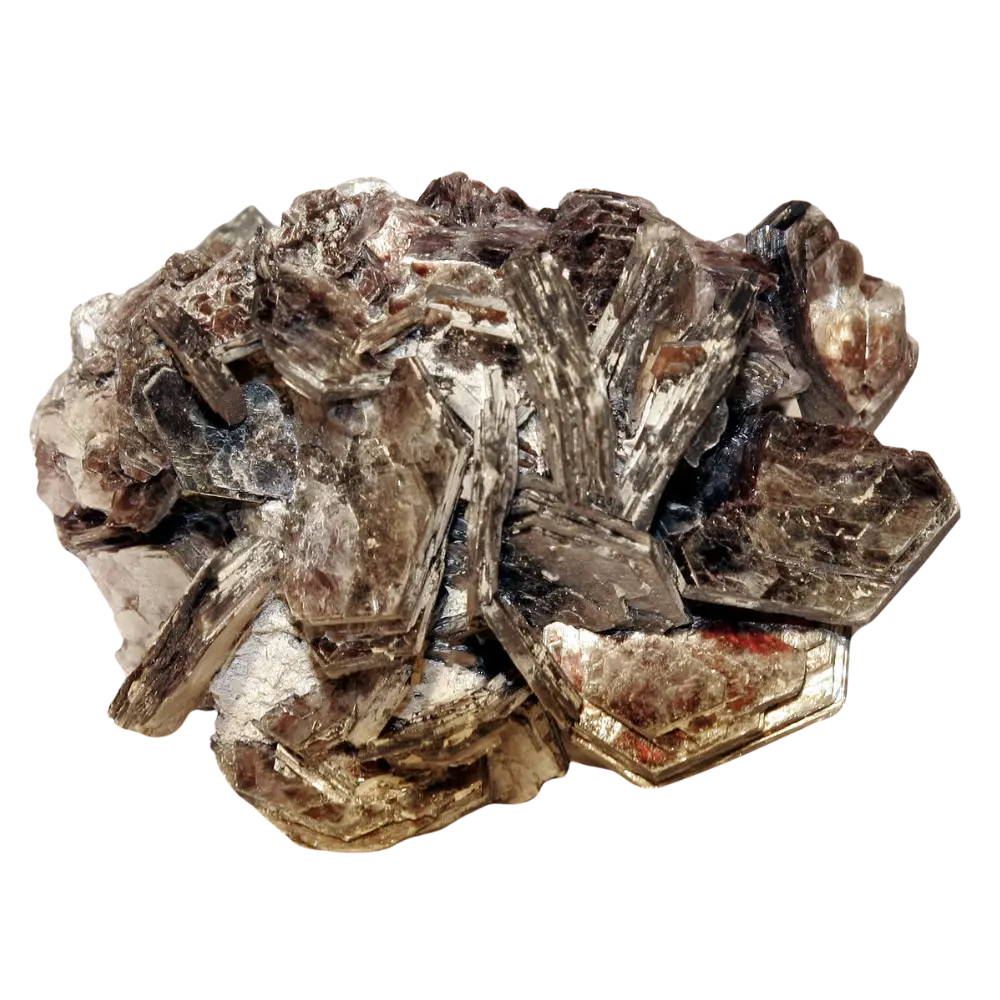
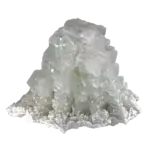
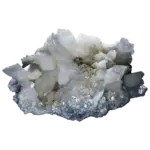
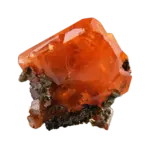
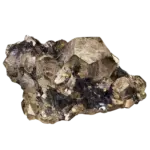
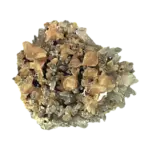
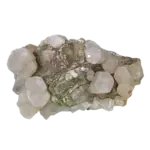
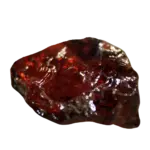
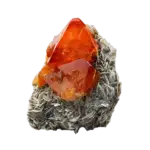
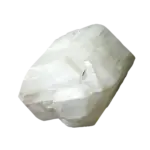
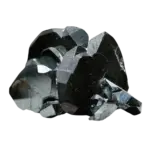
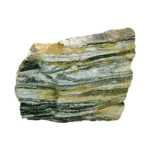

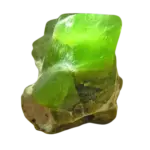
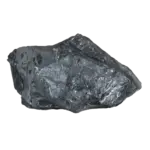

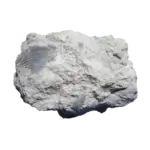
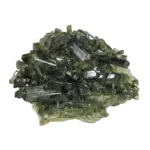
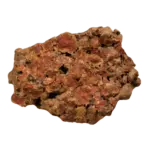
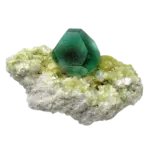
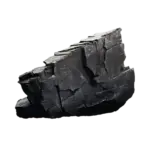
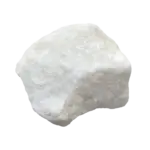
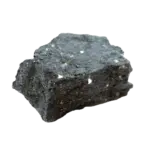
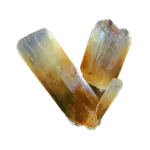
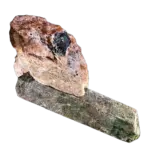
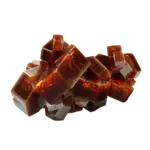
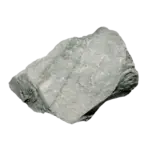
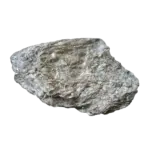
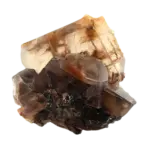
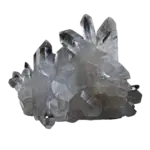
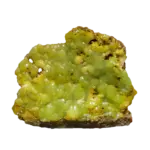
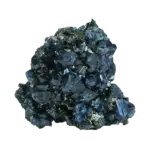

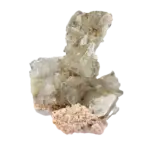
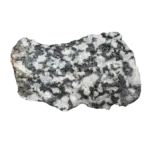
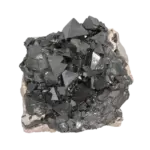
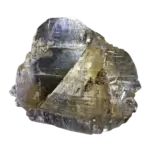
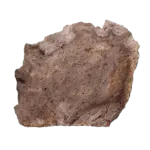
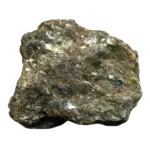
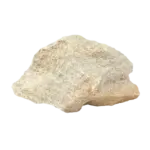
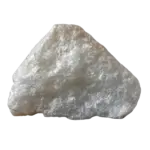
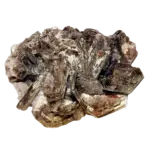
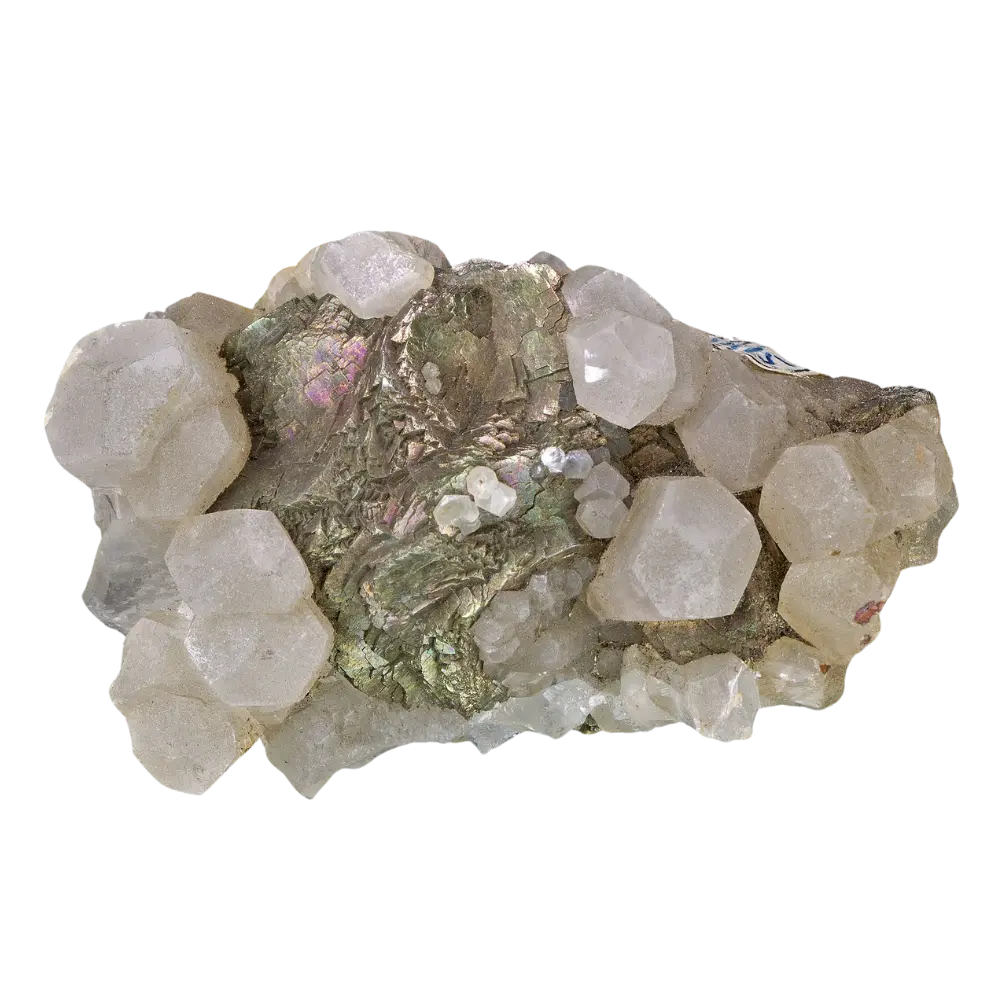
Calcite is the most abundant carbonate mineral on Earth and the chief constituent of limestone, chalk, marble, and travertine. It crystallizes in more than 300 distinct habits, more than any other mineral, and stores roughly 80% of the carbon held in the Earth’s crust. From the cliffs of Dover to the bombsights of the Second World War, calcite has been quietly shaping geology, optics, and industry for centuries.
Fact Sheet
- Chemical formula: CaCO₃ (calcium carbonate)
- Mineral class: Carbonate; calcite group
- Crystal system: Trigonal (space group R3̄c)
- Mohs hardness: 3 (defines this point on the scale)
- Specific gravity: 2.71
- Cleavage: Perfect in three directions, forming rhombohedra (75° / 105°)
- Refractive indices: nω = 1.658, nε = 1.486
- Birefringence: δ = 0.172 (one of the highest of any common mineral)
- Luster: Vitreous; pearly on cleavage surfaces
- Streak: White
- Color: Colorless or white when pure; gray, yellow, pink, red, orange, blue, green, brown, or black with impurities
- Diagnostic test: Effervesces vigorously in cold dilute (1 M) HCl
- Polymorphs of CaCO₃: Aragonite, vaterite, ikaite, monohydrocalcite, calcium carbonate hemihydrate
How Calcite Forms
Calcite is one of very few minerals that crystallizes across nearly the entire spectrum of geological environments, sedimentary, diagenetic, hydrothermal, metamorphic, and even (rarely) igneous.
Biogenic precipitation in seawater
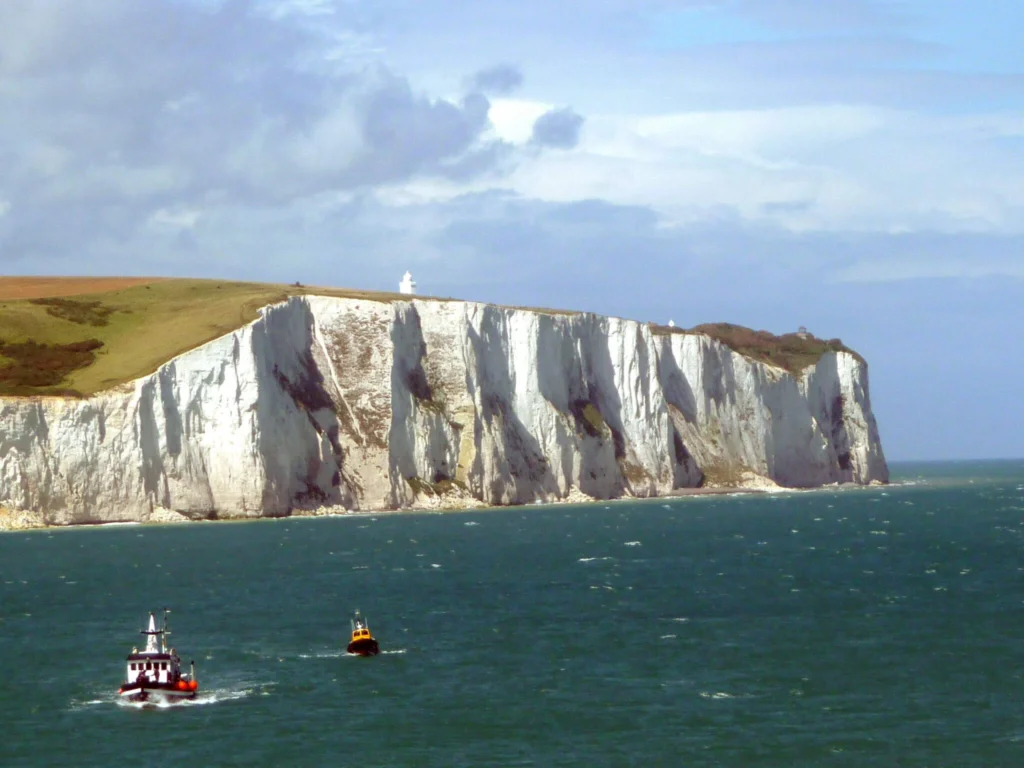
The bulk of all calcite on Earth is biogenic. Coccolithophores and planktonic foraminifera build their tiny skeletons directly out of calcite; when they die, those skeletons rain down onto the seafloor and accumulate as carbonate ooze that lithifies into limestone or chalk. The White Cliffs of Dover are roughly 70–100 million years of coccolith ooze deposited during the Late Cretaceous.
An important nuance: not all marine carbonate skeletons are calcite to begin with. Most modern corals and many mollusks build their shells out of aragonite, the orthorhombic polymorph of CaCO₃. Aragonite is metastable at Earth’s surface, and during burial it dissolves and re-precipitates as calcite, a diagenetic transformation called neomorphism. Most “fossil coral” limestones you hold in your hand are calcite that was once aragonite.
Chemical and hydrothermal precipitation
Calcite also precipitates abiotically from groundwater and hydrothermal fluids. Travertine forms at hot springs (Pamukkale in Turkey, Mammoth Hot Springs in Yellowstone), tufa forms at cool freshwater springs, and stalactites and stalagmites grow in caves wherever CO₂ degasses from calcium-bicarbonate-rich water. In hydrothermal veins, calcite is one of the most common gangue minerals, the host for ore deposits of lead, zinc, silver, and fluorite.
Metamorphic recrystallization
When limestone is metamorphosed, its calcite recrystallizes into the coarse interlocking mosaic we call marble. Carrara, Paros, Pentelicus, the marbles that built classical sculpture are calcite, recrystallized at temperatures above ~250 °C.
Igneous calcite
Rare but real: carbonatites are igneous rocks composed mostly of carbonate minerals, usually calcite or dolomite. The active Ol Doinyo Lengai volcano in Tanzania erupts a sodium-carbonate lava, the only carbonatitic lava known on Earth.
How to Identify Calcite in the Field
Calcite is one of the easiest minerals to identify with three simple tests:
- Hardness. A copper coin (Mohs ≈ 3) will just scratch it; a steel knife (Mohs ≈ 5.5) cuts it easily. Your fingernail (Mohs ≈ 2.5) won’t quite scratch it.
- Cleavage. Calcite has three perfect cleavages that meet at angles of 75° and 105°, producing the classic rhombohedron when broken. No other common mineral cleaves like this.
- Acid test. A drop of cold dilute hydrochloric acid (around 1 M, ~10%) on calcite produces vigorous, audible effervescence as CO₂ is released. This is the single most diagnostic test in carbonate field geology. Dolomite, by contrast, only fizzes weakly when scratched first or in warm acid, a useful distinguisher.
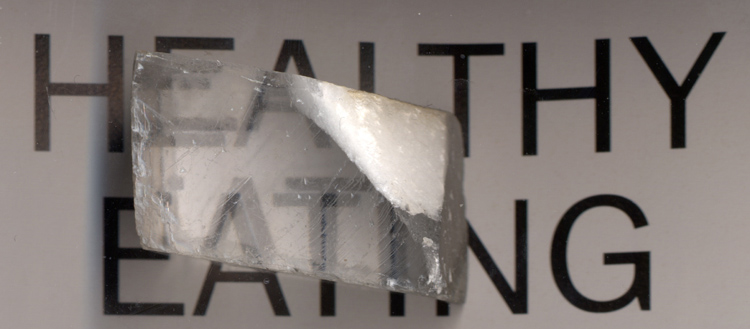
If your unknown is colorless and transparent, look through it at a printed line: pronounced double refraction is unique to calcite among common minerals.
Crystal Habits and Notable Varieties
Calcite holds the record for the most distinct crystal habits of any mineral, over 300 documented forms. The two most common end-members are:
- Rhombohedral (nailhead spar): blocky, blunt-ended crystals.
- Scalenohedral (dogtooth spar): sharp, twelve-faced crystals shaped like canine teeth, common in cave linings and hydrothermal cavities.
Color and trace-element varieties of note:
- Iceland spar: the water-clear, optically pure variety, named after the Helgustaðir locality in eastern Iceland. Discussed in detail below.
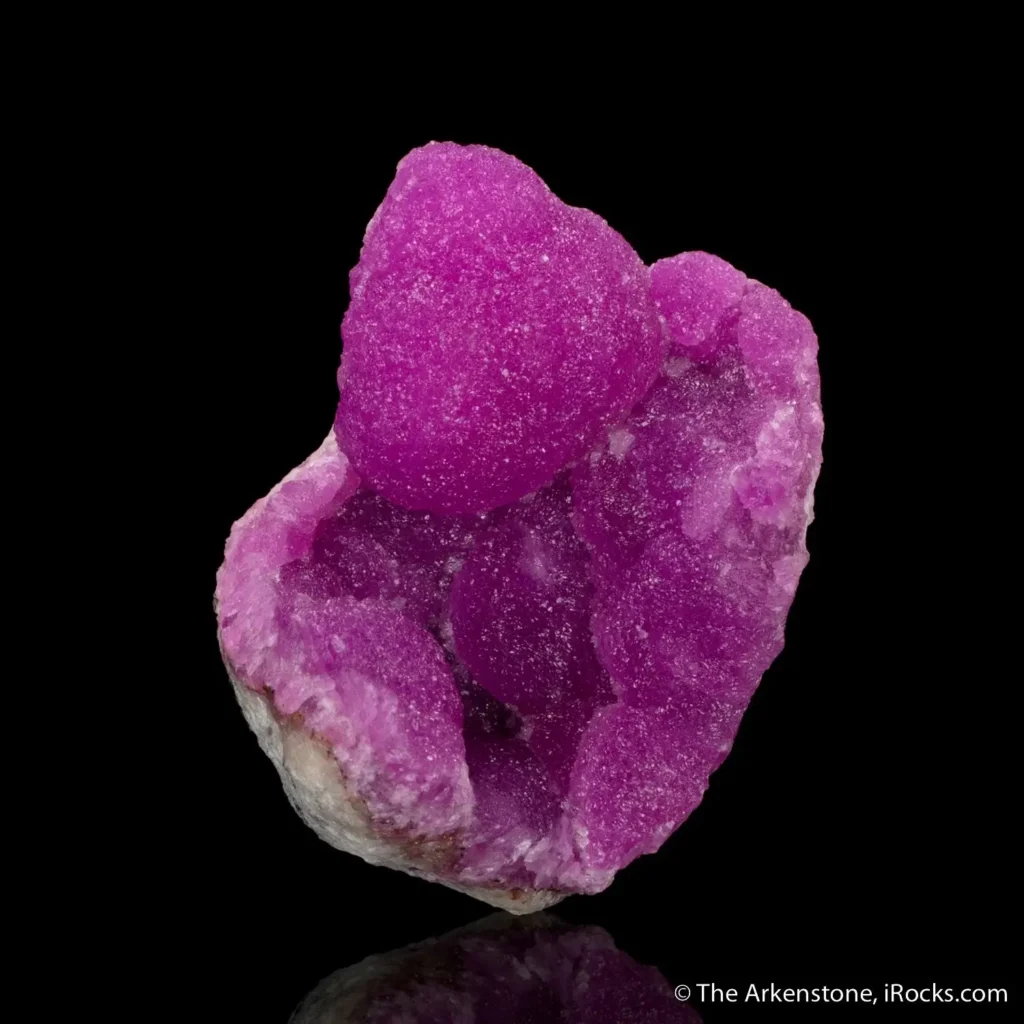
- Cobaltoan calcite: magenta to rose-pink, with cobalt substituting for calcium. The famous specimens come from Bou Azzer, Morocco, and Mashamba West, DR Congo.
- Manganoan calcite: pale pink, with manganese substituting for calcium. Often fluoresces a strong red under shortwave UV light, making it popular in the fluorescent-mineral collecting community (classic locality: Franklin, New Jersey).
- Honey calcite: golden-yellow color from iron impurities, common in many hydrothermal vein systems.
- Stalactitic and travertine calcite: banded, layered cave and spring deposits.
Iceland Spar and the History of Optics
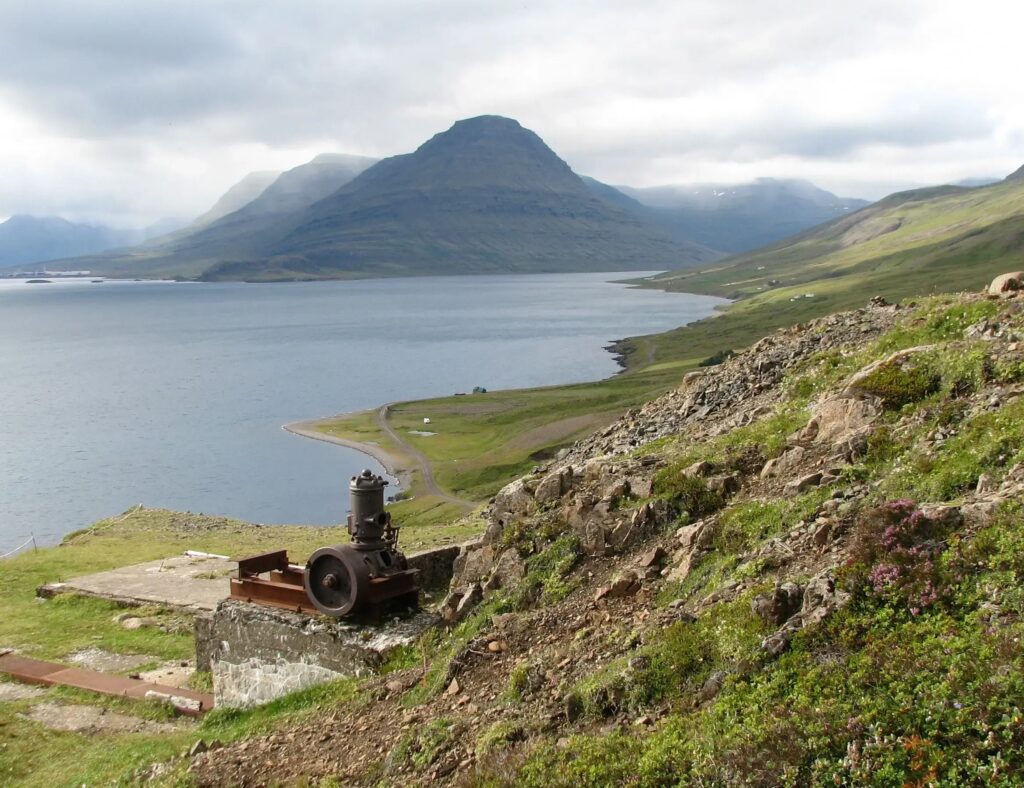
Calcite is responsible for one of the most consequential discoveries in the history of physics. In 1668, a small geological expedition returned to Copenhagen with a quantity of unusually transparent calcite from a farmstead called Helgustaðir on the Reyðarfjörður fjord in eastern Iceland. The Danish physician and natural philosopher Rasmus Bartholin studied the crystals and noticed that any object viewed through them appeared doubled. In 1669 he published his observations in Experimenta Crystalli Islandici Disdiaclastici, the first description of what we now call birefringence or double refraction.
Bartholin’s specimens passed through Christiaan Huygens, who used them in 1690 to support his wave theory of light, and through Isaac Newton, who used the same crystals to argue the opposite, that light was made of corpuscles. The Iceland spar from Helgustaðir thus underpins both early theories of light. In 1828, William Nicol cut and cemented two pieces of Iceland spar into the Nicol prism, the first practical polarizer, which made the modern petrographic microscope possible.
The Helgustaðir mine was worked commercially from 1855 to 1925, exporting hundreds of tonnes of optical-grade material before the deposit was effectively exhausted. The site was declared a protected natural monument in 1975. Demand for Iceland spar persisted into the 20th century: the Norden bombsight, the principal American precision bombing instrument of the Second World War, used calcite prisms in its optical train, prompting urgent wartime searches for alternative sources in Mexico and the American Southwest.
Where Calcite Is Found
Calcite occurs in nearly every country on Earth in some form. The localities below are the ones that produced the museum-grade specimens and historically important deposits:
- Iceland: Helgustaðir mine, Reyðarfjörður. Type locality for Iceland spar; now a nature reserve.
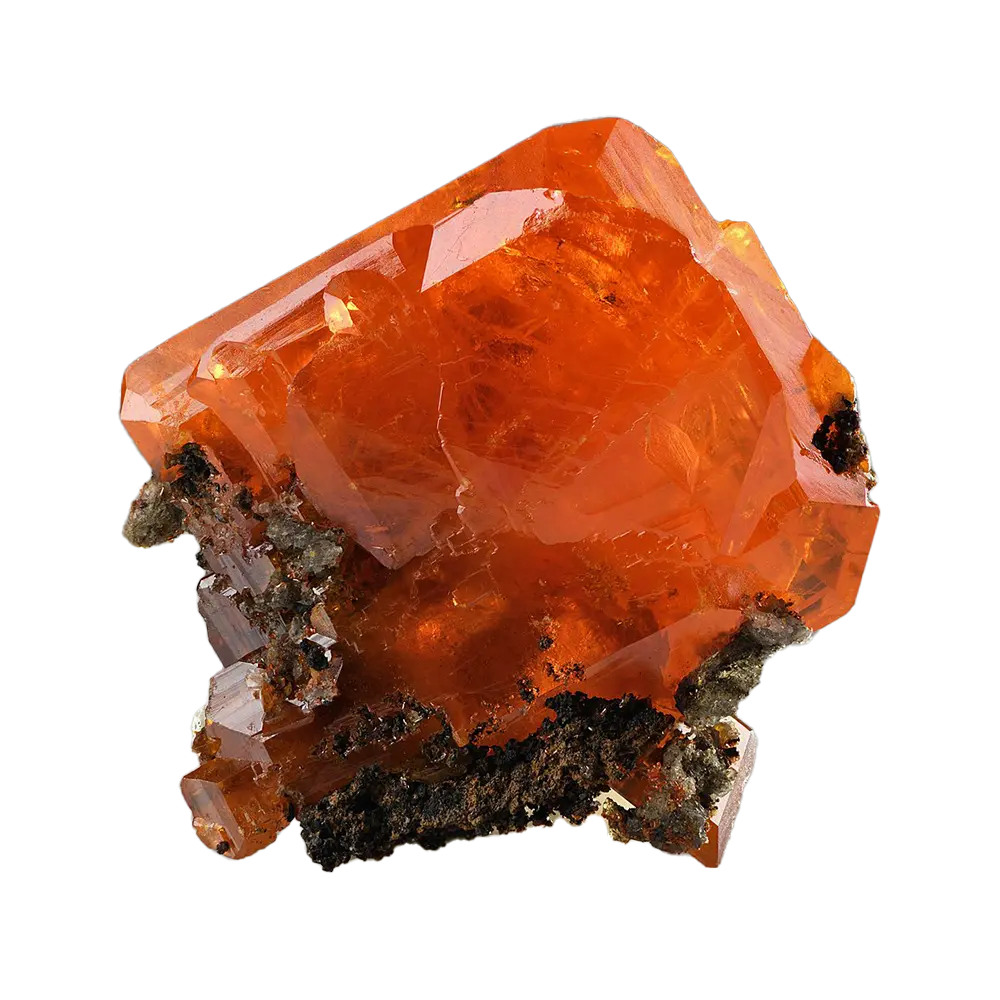
- Mexico: Charcas (San Luis Potosí), Naica (Chihuahua), Mapimí (Durango), Santa Eulalia. Source of vivid orange, golden, and twinned scalenohedra prized by collectors.
- United States: Tri-State District (Missouri / Kansas / Oklahoma) and the Elmwood Mine, Tennessee. The Elmwood specimens, with golden-amber calcite on dark sphalerite, are among the most aesthetic in the world.
- England: Cumbria (Egremont, Frizington). Classic 19th-century specimens of scalenohedral and “nailhead” calcite from the Lake District iron and lead mines.
- China: Daye, Hubei; Shangbao, Hunan; Wenshan, Yunnan. Major modern source of large, colorful calcites on matrix.
- India: Maharashtra Deccan Trap zeolite localities. Pink and colorless calcites associated with apophyllite, stilbite, and heulandite.
- D.R. Congo and Morocco: cobaltoan varieties.
For commercial limestone production, the rock, not the crystal, the picture is very different. The United States, China, India, Russia, and Brazil are the world’s largest producers, with the U.S. alone producing roughly 700 million tonnes of crushed limestone per year, mostly from sedimentary basins in Texas, Florida, Missouri, Pennsylvania, and Ohio.
Why Calcite Matters: Industry and the Carbon Cycle
Calcite, in the form of limestone, is one of the most economically important non-metallic minerals on Earth. Its uses divide cleanly into two categories:
Limestone (calcite-rich rock) is used as:
- Aggregate for concrete, asphalt, and road base, the largest single use by volume.
- Feedstock for Portland cement, the binder in nearly all modern concrete.
- Feedstock for lime (CaO and Ca(OH)₂), used in steel-making, water treatment, flue-gas desulfurization, and chemical manufacturing.
- Agricultural lime to raise soil pH and supply calcium.
- Filler in paper, paint, plastics, and pharmaceuticals (precipitated calcium carbonate, PCC).
- Dimension stone and architectural marble.
Optical-grade calcite (the mineral itself) is used for:
- Polarizing prisms and waveplates in microscopes and laser systems
- Specialized birefringent components in scientific instruments
The deeper significance of calcite is geochemical. Calcite, together with dolomite, locks up the great majority of Earth’s surface carbon in carbonate rocks. The slow weathering of silicate rocks consumes atmospheric CO₂ and delivers calcium and bicarbonate to the oceans, where marine organisms precipitate that carbon back out as calcite shells. When those shells lithify into limestone and are eventually subducted, the carbon either re-enters the atmosphere through volcanic outgassing or is returned to the deep mantle. This carbonate–silicate cycle is the principal long-term thermostat of Earth’s climate, operating on timescales of hundreds of thousands to millions of years.
Modern ocean acidification, caused by anthropogenic CO₂ dissolving into seawater, is, at heart, a calcite and aragonite problem. Lower pH reduces the saturation state of seawater with respect to CaCO₃, making it harder for corals, mollusks, and coccolithophores to build their skeletons. Calcite-secreting organisms are slightly less vulnerable than aragonite-secreting ones (calcite is more stable), but both are under pressure.
Frequently Asked Questions
Is calcite the same thing as limestone?
No. Calcite is a single mineral, calcium carbonate, CaCO₃. Limestone is a sedimentary rock composed mostly of calcite (typically >50%) along with other components such as clay, quartz, fossil fragments, and minor dolomite. All limestones contain calcite, but not all calcite is in limestone: it also occurs as marble, travertine, vein fillings, and isolated crystals.
What’s the difference between calcite and aragonite?
They have the same chemical formula (CaCO₃) but different crystal structures, making them polymorphs. Calcite is trigonal and is the stable form at Earth’s surface. Aragonite is orthorhombic and metastable, over geological time it tends to convert to calcite. Most modern corals and many mollusks build their shells out of aragonite.
Is calcite fluorescent?
Many calcites fluoresce, but not all. Manganoan calcite from Franklin, New Jersey, is famous for a strong red fluorescence under shortwave UV. Calcites containing trace lead or rare-earth elements can fluoresce blue, green, or pink. Pure calcite does not fluoresce on its own.
How can I tell calcite from quartz?
Three quick tests. Quartz is much harder (Mohs 7) and won’t be scratched by a steel knife; calcite (Mohs 3) scratches easily. Quartz has no cleavage and breaks with a conchoidal fracture; calcite cleaves into clean rhombohedra. And quartz does not react with hydrochloric acid, while calcite fizzes vigorously.
Why does calcite produce a double image when you look through it?
Because of birefringence. Calcite has two different refractive indices depending on the polarization of incoming light (1.658 and 1.486). Unpolarized light entering the crystal splits into two rays, the “ordinary” and “extraordinary” rays, that travel at different speeds and exit at slightly different angles. The result is two images, offset from one another. Calcite has one of the strongest birefringences of any common mineral (δ = 0.172), which is why the effect is visible to the naked eye.