
Introduction
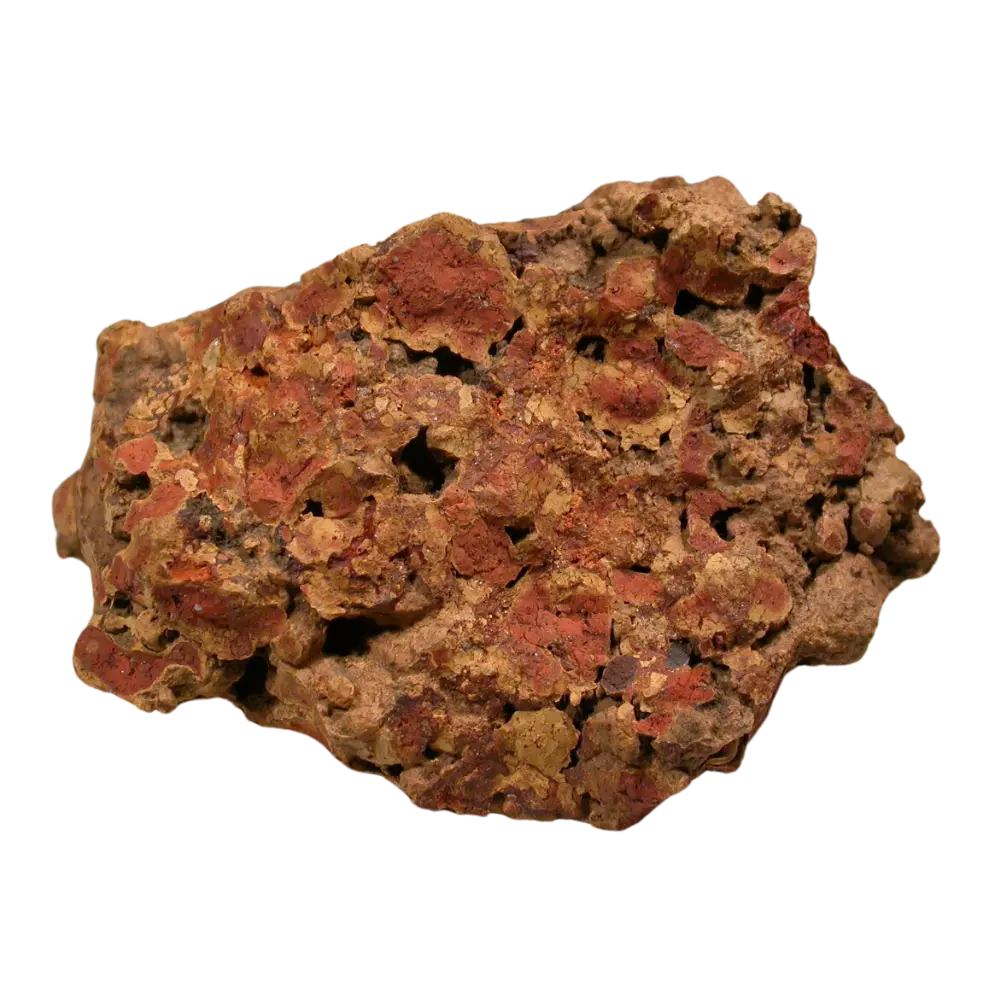
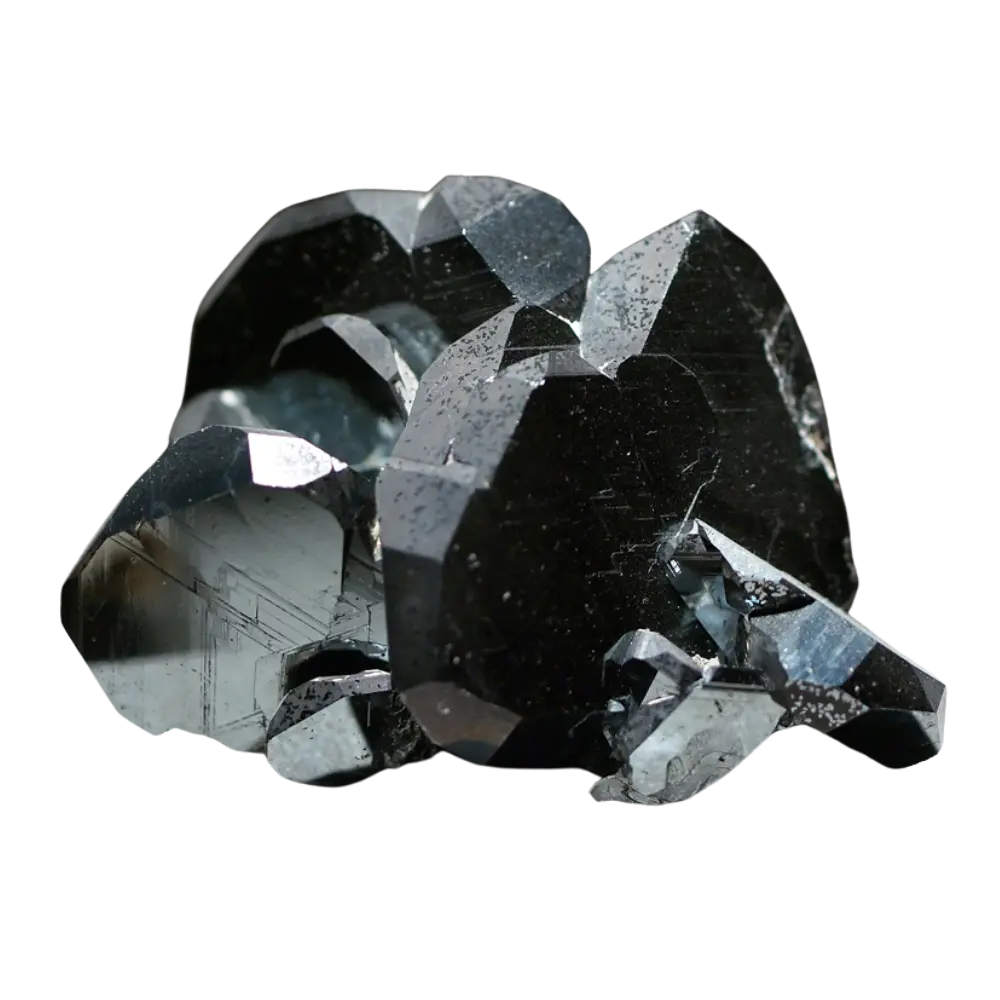
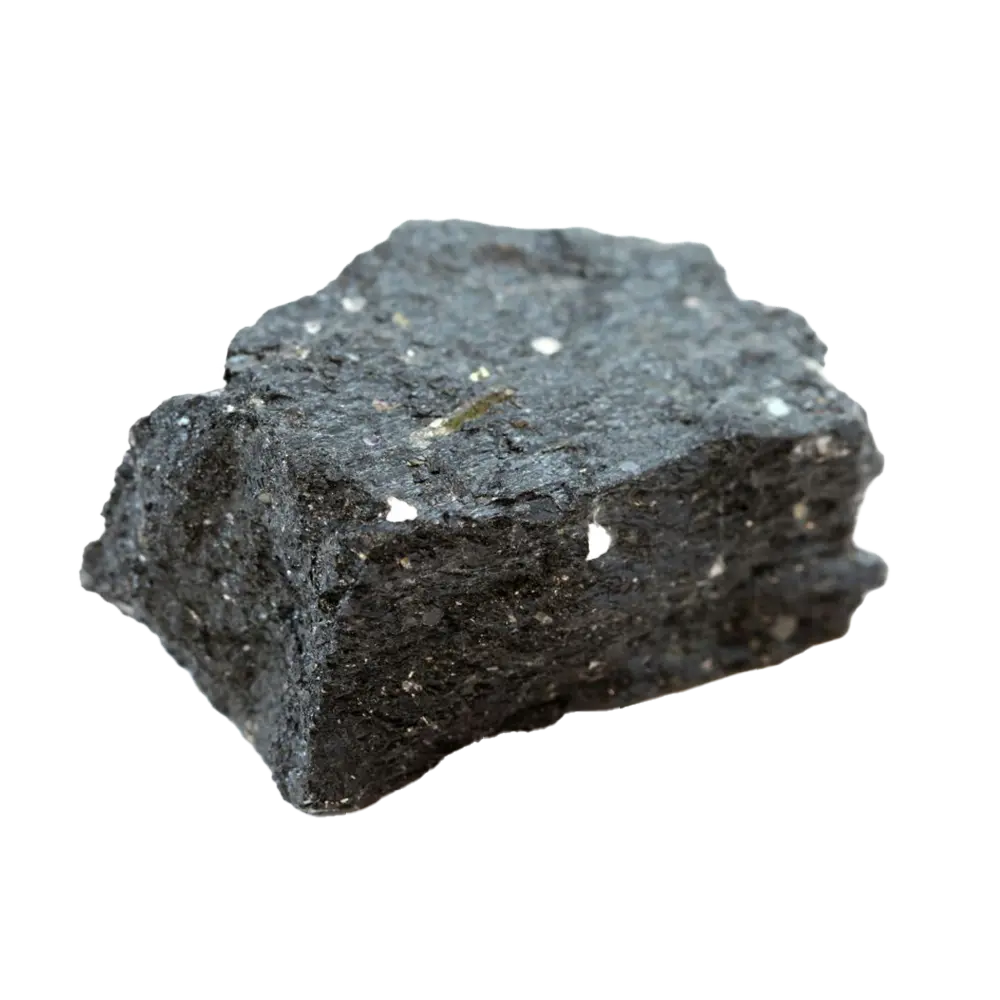
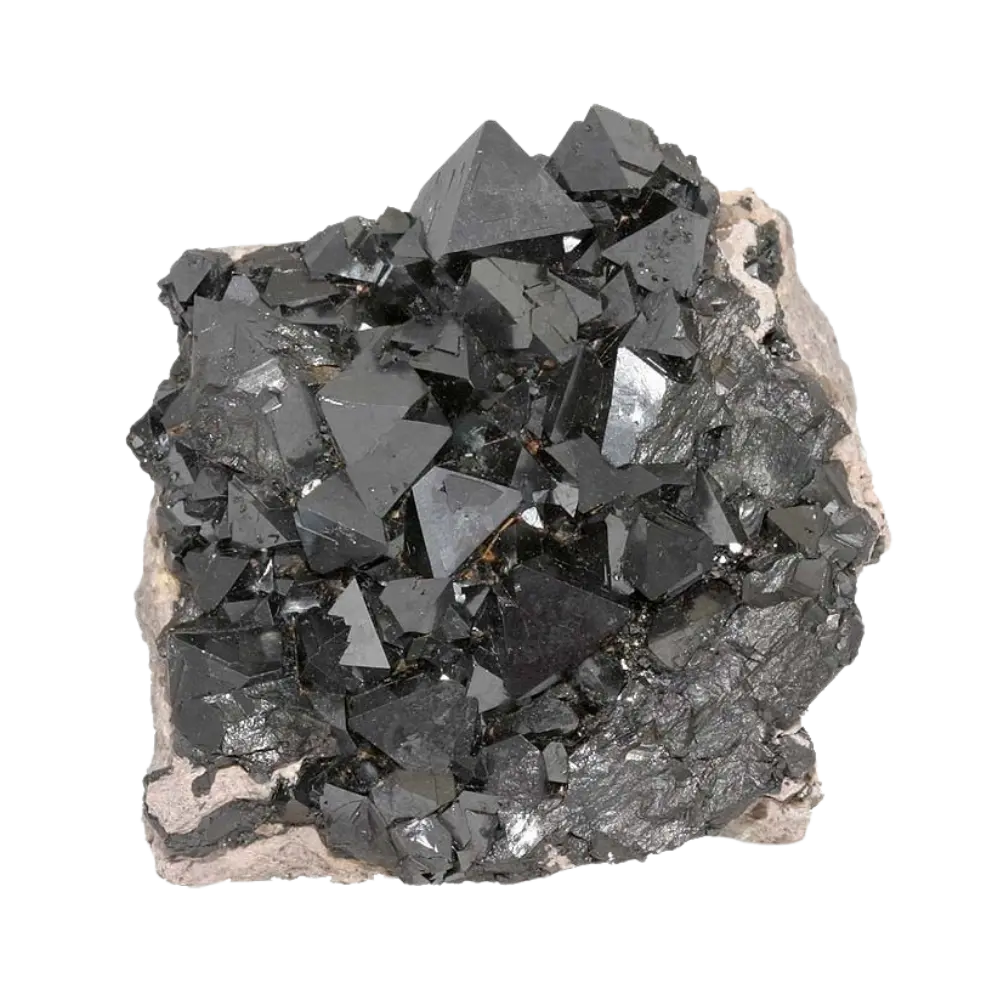
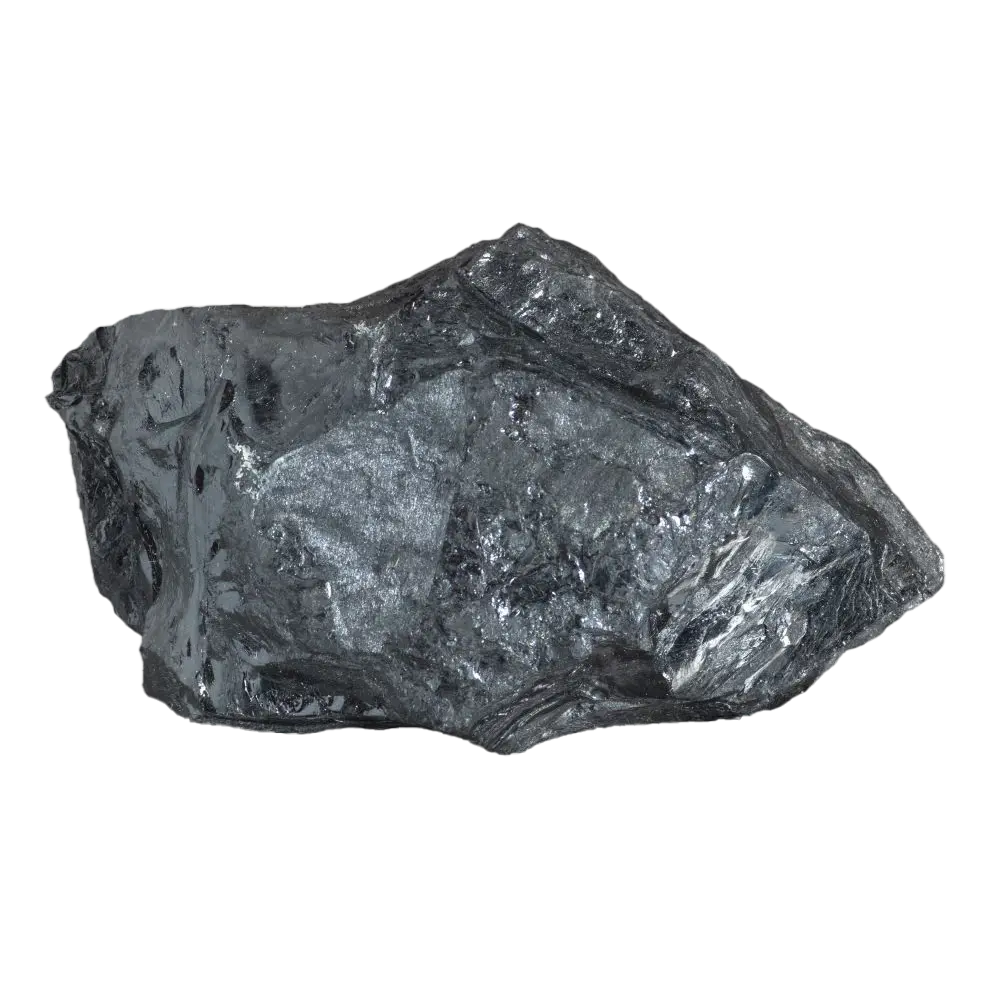
Put your palm flat against the wall of Dales Gorge in Western Australia and you are touching a calendar with no months. The rock is striped like bacon left in the sun for two billion years: rusty red layers of iron oxide alternating with darker, glassier bands of chert and magnetite, some of them thinner than a fingernail, stacked one atop the next for more than a hundred metres of cliff. The red comes from hematite. The shimmer in the dark bands is magnetite. The whole assembly is a banded iron formation, the planet’s oldest archive of iron and oxygen, and the iron locked inside it was dissolved in seawater before there was breathable air anywhere on the planet.
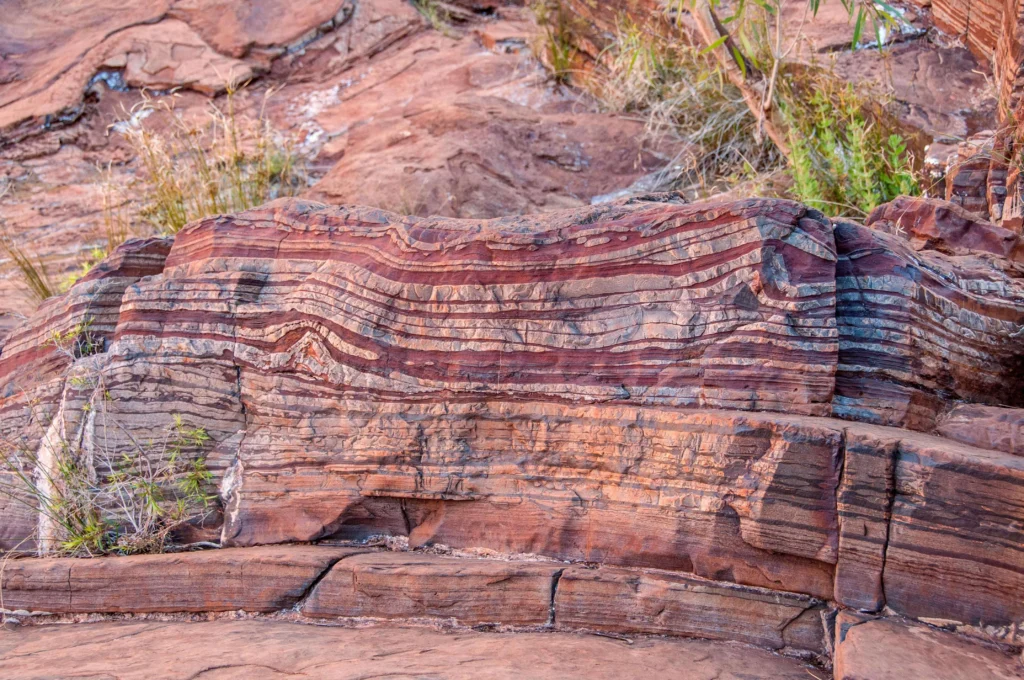
These rocks hold most of the iron ore that human civilization has ever smelted. The beam in a skyscraper, the hull of a container ship, the rebar in a dam, the body of a car, almost all of it began as rust that fell, grain by grain, onto the floor of a Precambrian ocean. The stripes are the fossilized chemistry of the first time life flooded the planet with a poison gas, and that gas was oxygen.
What a banded iron formation actually is
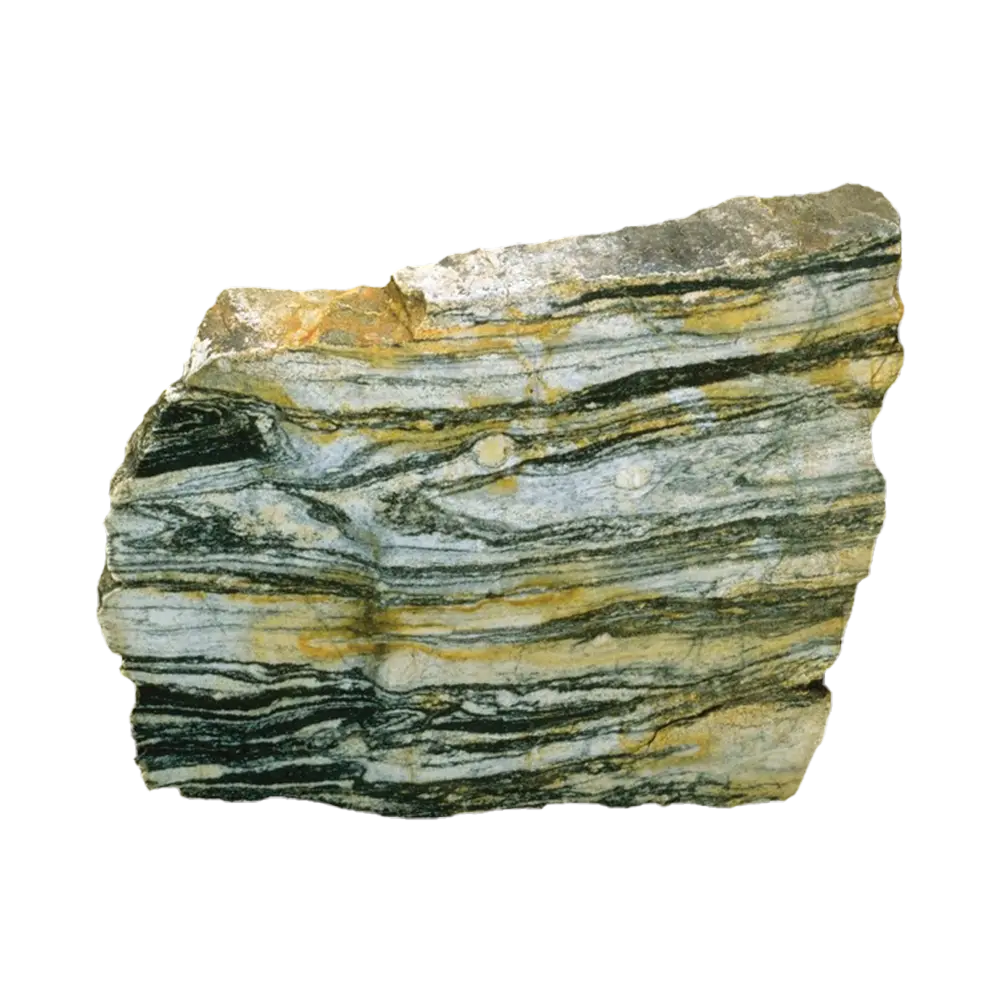
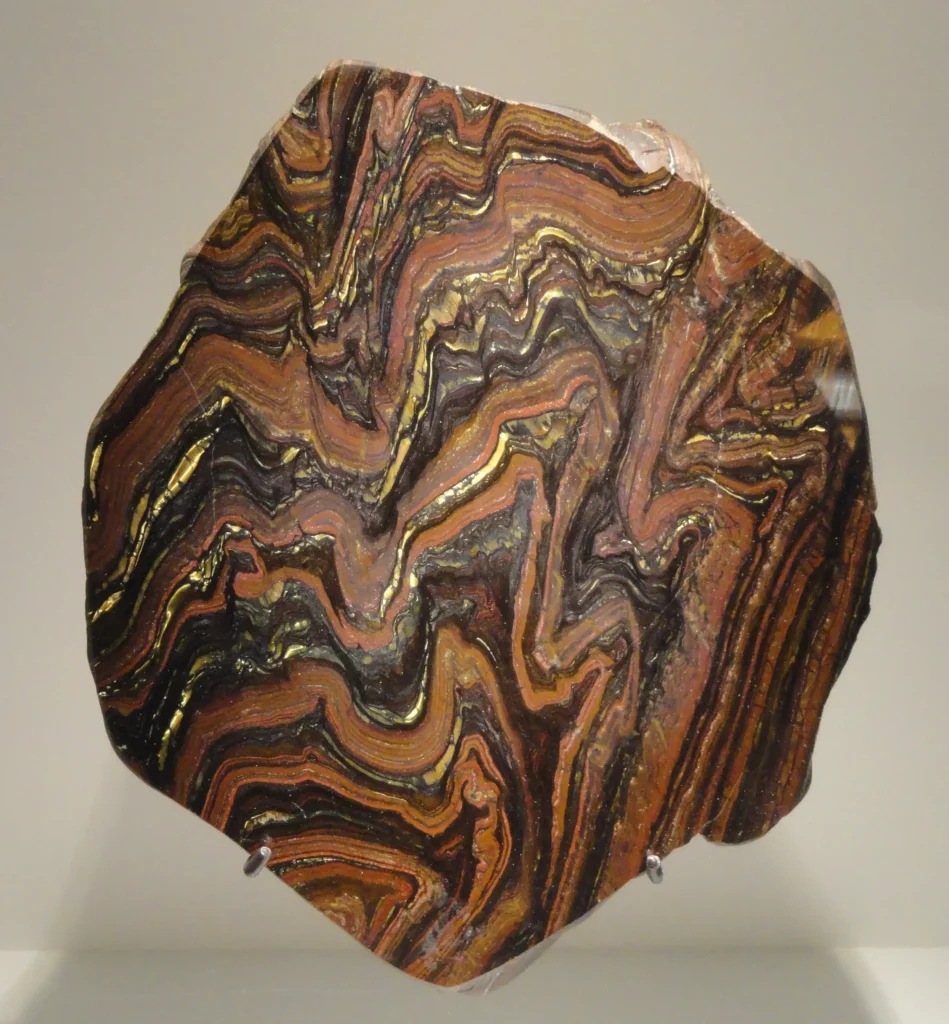
A banded iron formation, or BIF, is a chemical sedimentary rock with two defining traits: it is unusually rich in iron, typically more than 15 percent by weight, and it is layered, with iron-rich bands alternating against bands of fine silica (chert). Nothing like it forms in today’s oceans. The rock type is, in the words of the geologists who study it, effectively extinct, a sediment that the Earth made for roughly two billion years and then stopped making.
The bands repeat at several scales at once. In the Dales Gorge Member of the Brockman Iron Formation, the type example, geologists distinguish microbands a fraction of a millimetre thick, mesobands a few centimetres across, and macrobands measured in metres. The Dales Gorge Member alone is around 140 to 160 metres thick, divided into 17 iron-rich macrobands and 16 shale macrobands, and it can be traced across an area larger than 60,000 square kilometres with the layers matching up the whole way. A single thin lamina in that cliff can be correlated, band for band, with a drill core kilometres away.
Different mining districts gave the rock different names before anyone realized they were describing the same thing. In the Lake Superior region it was “jaspilite,” “taconite,” or “iron-bearing formation.” In Brazil it was “itabirite.” In South Africa, “ironstone.” In India, “banded hematite quartzite.” The term “banded iron formation” itself was coined in the Lake Superior iron districts,where iron ore was first found in northern Michigan in 1844 and where the mines of the Mesabi, Marquette, and Gogebic ranges later fed the American steel industry.
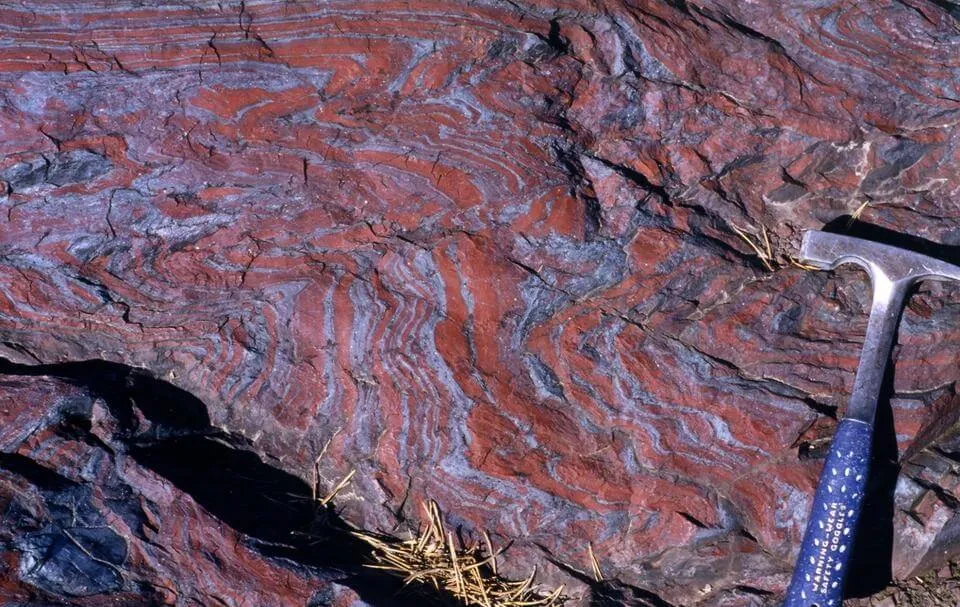
Where do you go to stand in front of one? Four regions hold the classics. The Hamersley Province of the Pilbara craton in Western Australia contains the thickest and most laterally continuous BIFs known, the Brockman and Marra Mamba iron formations among them. The Transvaal Supergroup of South Africa holds the Kuruman Iron Formation, almost a twin of the Brockman in age and character. The Lake Superior ranges of Minnesota, Michigan, and Ontario hold the Biwabik, Gunflint, and Soudan iron formations. And in southwest Greenland, the Isua Greenstone Belt holds the oldest broadly accepted iron formation on Earth, around 3.7 to 3.8 billion years old, so old and so cooked by later metamorphism that geologists argue over whether life had any hand in it at all.
An ocean full of dissolved iron
To understand the stripes, start with the water. For most of the Archean eon, the stretch of Earth history from about 4 to 2.5 billion years ago, the atmosphere held almost no free oxygen, and neither did the sea. Without oxygen, iron behaves very differently from the way you know it. The rust on a gate forms because iron in contact with air and water oxidizes to the ferric state, Fe(III), which is essentially insoluble and drops out as a reddish solid. Strip the oxygen away and iron stays in its ferrous state, Fe(II), which dissolves readily in water.
So the Archean ocean was charged with dissolved iron. Hydrothermal vents along the mid-ocean ridges pumped ferrous iron and silica into the deep sea, and with no oxygen to precipitate it, the iron simply accumulated, building a vast reservoir of Fe(II) in solution. An ocean like that would likely have been clear and faintly green rather than blue. It was a chemical battery waiting for an oxidant.
The mystery of banded iron formations has always been the same question asked two ways. What oxidized all that iron, turning soluble Fe(II) into insoluble Fe(III) that could sink and pile up? And why did it happen in rhythmic bands rather than as one uniform sludge?
The microbes that learned to breathe sunlight: cyanobacteria and oxygenic photosynthesis
The headline answer involves the most consequential metabolic invention in the planet’s history: oxygenic photosynthesis, the trick of using sunlight to split water and release O₂ as waste. The organisms that perfected it were cyanobacteria, and the oxygen they exhaled is the oxygen we breathe.
When cyanobacteria first appeared is genuinely contested. Structures interpreted as cyanobacterial fossils and stromatolites, layered mounds built by microbial mats, appear in rocks as old as about 3.5 billion years, though many of those identifications are disputed. Molecular clock work that calibrates genetic differences among living cyanobacteria against the fossil record places the origin in the Archean: crown-group Cyanobacteria are estimated to have arisen between roughly 2.2 and 2.7 billion years ago, with the stem lineage diverging near 2.8 billion years ago, leaving a window of several hundred million years for oxygenic photosynthesis to evolve before the Great Oxidation Event. Geochemical hints of local oxygen show up earlier still. At the 2.74-billion-year-old Hartbeesfontein Basin in South Africa, geologists have read patterns of cerium enrichment in lacustrine stromatolites as evidence of benthic oxygen production in shallow “oxygen oases” hundreds of millions of years before oxygen reached the atmosphere at large.

The classic model, first sketched by the geologist Preston Cloud, is elegant. Early cyanobacteria producing oxygen in a sea full of dissolved iron would have had their waste gas mopped up immediately. The O₂ they released reacted with Fe(II), oxidizing it to Fe(III), which precipitated as iron oxyhydroxide and rained down to the seafloor. The iron acted as a sink, protecting the cyanobacteria from their own poison and keeping oxygen from building up in the water or the air. Only after the ocean’s iron was largely spent could free oxygen finally accumulate. In this reading, a banded iron formation is the ash left behind as the planet slowly burned through its reservoir of dissolved iron.
The other photosynthesis: iron as fuel, no oxygen required
A complication matters most for the oldest BIFs. Oxygenic photosynthesis is not the only way a microbe can oxidize iron using light. A separate metabolism, anoxygenic photosynthesis, specifically photoferrotrophy, uses Fe(II) itself as the electron donor instead of water, fixing carbon and producing Fe(III) as a byproduct, all in the complete absence of oxygen. Photoferrotrophs can oxidize iron in water that has never seen a molecule of O₂. Many researchers consider this anoxygenic style the evolutionary predecessor of the water-splitting kind.
That opens a door. The Isua iron formations are roughly 3.7 to 3.8 billion years old, likely older than any confident evidence for oxygenic photosynthesis. If they record biological iron oxidation at all, photoferrotrophy is the more parsimonious culprit, because it needs no oxygen. The competing possibilities for that earliest iron oxidation are usually framed as three: oxidation by free oxygen from cyanobacteria, oxidation by anoxygenic photoferrotrophs, and a purely abiotic route in which ultraviolet light striking the surface ocean oxidizes dissolved iron directly.
The ultraviolet idea, proposed by A.G. Cairns-Smith in 1978, was attractive because the early Earth had no ozone shield and bathed in UV. But laboratory work led by Kurt Konhauser and colleagues in 2007 found that UV photo-oxidation is outcompeted by ordinary chemical reactions: in silica- and bicarbonate-rich Archean seawater, dissolved iron preferentially forms minerals such as greenalite or siderite before UV can oxidize it. That result pushed the field toward biology, and toward photoferrotrophy in particular, as the engine of the oldest iron formations.
A persistent objection has dogged the biological models. If microbes oxidized the iron, where are the microbes? Banded iron formations are strikingly poor in organic carbon, they are clean iron and silica, not carbon-rich muck. A 2019 paper in Science Advances by Katharine J. Thompson, Sean A. Crowe, and eleven colleagues offered a resolution (volume 5, issue 11, article eaav2869; DOI 10.1126/sciadv.aav2869). In laboratory experiments, the team found that in the presence of dissolved silica, the cell surfaces of photoferrotrophs actually repel the iron oxyhydroxide particles they generate. In silica-rich Precambrian seawater, that repulsion would have separated the iron minerals from the biomass, the rust sank to build BIFs lean in organic matter, while the cells and their carbon drifted away to be buried elsewhere in organic-rich shales. The leftover biomass, the authors argued, would have fed methane-producing microbes, sending a flux of methane into the sky that helped warm a planet lit by a fainter young Sun.
The debate over biotic versus abiotic iron oxidation has not closed. After oxygenic photosynthesis took hold, abiotic oxidation of iron by dissolved O₂ likely contributed to, and may have dominated, the deposition of younger BIFs. Iron isotope signatures that some read as biological fingerprints can be produced by chemical reactions too, which makes a clean verdict hard to reach. Several mechanisms probably operated, in proportions that shifted as the oceans and atmosphere changed over more than a billion years.
Why do banded iron formations have stripes?
The banding is its own puzzle, and it has never been fully solved. The intuitive guess, that the layers are annual, like tree rings or glacial varves, is one real hypothesis. If a microbial bloom oxidized iron seasonally, you might get an iron-rich lamina in the productive season and a silica-rich one when production slowed, repeating year after year. The finest microbands in the Hamersley BIFs have indeed been read as varve-like annual couplets.
The cleaner, larger-scale rhythms hint at something grander than seasons. In a 2022 paper in PNAS, Margriet Lantink and colleagues analyzed the centimetre-to-metre cyclothems of the Joffre and Dales Gorge members and concluded that long-period, Milankovitch-forced climate cycles, the slow wobbles in Earth’s orbit and tilt that pace ice ages today, exerted a primary control on the layering (DOI 10.1073/pnas.2117146119). They used the ancient cycles to constrain the Earth–Moon system about 2.46 billion years ago, because the orbital periods implied by the bands differ from the modern ones, which fits independent evidence that the planet’s spin and the Moon’s distance have changed over deep time. On that reading, a BIF is a recorder of astronomy: the Earth’s orbital geometry, written in iron.
Other models drop biology and orbits altogether. One classic proposal by R.C. Morris attributes the bands to the interplay of two ocean supply systems, silica-bearing surface currents periodically recharged by storms, and iron delivered by upwelling from the deep sea near volcanic centres. Episodic pulses of volcanic activity, recorded as tuff layers within the Dales Gorge BIF, show that the system was being jostled by the solid Earth as well. No single explanation has won. The banding is best presented as what it is, a phenomenon with several plausible causes operating across different scales, still under active study.
The Great Oxidation Event
The deposition of the great Paleoproterozoic BIFs, Hamersley, Transvaal, and their kin, climaxed right around 2.5 to 2.45 billion years ago. The Dales Gorge Member dates to roughly 2.50–2.45 Ga; the top of the Kuruman Iron Formation in South Africa is constrained to about 2.46 Ga, making the two formations near-contemporaries on opposite sides of the planet. Then, a little later, the atmosphere flipped.
The event is called the Great Oxidation Event, the GOE, and it marks the first permanent accumulation of free oxygen in Earth’s air. The sharpest chemical marker for it is the disappearance of mass-independent fractionation of sulfur isotopes, a signature that can only survive in an atmosphere essentially free of oxygen. That signature vanishes from the sedimentary record at around 2.43 billion years ago, fixing the start of the GOE.
The 2014 review that organized modern thinking on this is Timothy W. Lyons, Christopher T. Reinhard, and Noah J. Planavsky’s “The rise of oxygen in Earth’s early ocean and atmosphere,” published in Nature (volume 506, pages 307–315; DOI 10.1038/nature13068). Their picture is more dynamic than the name “event” suggests. Oxygen rose, the deep ocean stayed anoxic far longer than the atmosphere, and after an initial surge oxygen may have climbed high and then crashed, leaving the oceans largely oxygen-free for more than a billion years afterward. Lyons described the long interval that followed as a time of remarkable chemical stability held in place by feedbacks that throttled nutrients and, with them, oxygen production.
The consequences of the GOE were not gentle. Free oxygen reacted with atmospheric methane, a potent greenhouse gas, converting it to weaker carbon dioxide and water. The methane greenhouse that had kept the young Earth warm under a dimmer Sun collapsed, and the planet plunged into the Huronian glaciation, a series of ice ages spanning roughly 2.45 to 2.22 billion years ago and counted among the longest and most severe glacial intervals in Earth’s history, a Paleoproterozoic “snowball Earth.” A 2020 study in PNAS tightened the sequence, showing that the loss of the sulfur isotope signature preceded a snowball glaciation dated to about 2.428–2.423 billion years ago. The organisms that had engineered the oxygen helped freeze their own world.
How much oxygen did the GOE really make?
It is tempting to imagine the GOE as the moment the air became breathable. It was not. The amount of oxygen the event produced is one of the liveliest arguments in the field, and the defensible estimates span orders of magnitude. Some workers favor a high “overshoot,” in which oxygen briefly reached between 1 and 40 percent of present atmospheric levels during a later interval called the Lomagundi Event, around 2.22 to 2.06 billion years ago. Others read the same record as evidence for far more modest oxygenation, with levels oscillating well below one percent of today’s value through much of the period. A 2026 review in Communications Earth & Environment, “Revisiting the greatness of Earth’s great oxidation” (DOI 10.1038/s43247-026-03518-8), framed the disagreement bluntly, noting that the defensible range of atmospheric O₂ levels still spans orders of magnitude, and concluded that the true magnitude remains unsettled. Whatever the peak, oxygen later fell back to a low level and the deep ocean stayed anoxic for roughly a billion years, the long, quiet interval before oxygen rose again near the end of the Proterozoic and animals became possible.
The Neoproterozoic encore: Snowball Earth and the return of banded iron
Banded iron formations had mostly vanished from the record by about 1.8 billion years ago, once the oceans had been swept clear of dissolved iron. Then, more than a billion years later, they came back, briefly, and strangely. A scattering of Neoproterozoic BIFs appears between roughly 750 and 635 million years ago: the Rapitan formation of the Yukon, the Urucum deposits of Brazil, the Damara belt of southern Africa. These are small compared with their Archean ancestors, rarely more than a few tens of kilometres across or about ten metres thick, and they are tightly tied to glacial deposits, often containing dropstones rafted out by ice.
Their reappearance is bound up with the Neoproterozoic “Snowball Earth” glaciations, especially the Sturtian, around 717 million years ago. A planet sealed under ice would cut its ocean off from the atmosphere, the deep water would go anoxic again, hydrothermal iron would build back up in solution, and when the ice finally broke and oxygen returned, the accumulated iron would precipitate in a pulse, a last gasp of banded iron.
How much ice it took is the open question that a 2024 study set out to test. In Nature Geoscience (volume 17, pages 298–301; DOI 10.1038/s41561-024-01406-4), Kaushal Gianchandani, Itay Halevy, Hezi Gildor, Yosef Ashkenazy, and Eli Tziperman modeled ocean circulation under thick glacial ice. The standard “hard snowball” view treats Sturtian BIFs as proof of a completely ice-covered, iron-charged ocean. The team’s simulations found instead that a partially ice-covered ‘soft snowball’, with an ice-free strip of open ocean in the tropics, reproduces the observed geographic distribution of Sturtian iron formations. In their model, the iron precipitated where iron-rich and oxygenated water masses met, which favors a planet that kept a sliver of open sea rather than one frozen shut from pole to pole. The result does not settle the snowball debate, but it shifts the weight of the BIF evidence away from total glaciation.
Recent laboratory work has added another wrinkle to how these rocks formed. In a 2024 paper in Nature Geoscience, “Inhibition of phototrophic iron oxidation by nitric oxide in ferruginous environments” (Nikeleit, Mellage, Bianchini and colleagues, with Casey Bryce of the University of Bristol; volume 17, pages 1169–1174; DOI 10.1038/s41561-024-01560-9), researchers pitted photoferrotrophs against nitrate-reducing bacteria, two microbes that should compete for the same dissolved iron. The nitrate reducers not only outcompeted the photoferrotrophs for iron, they poisoned them, producing nitric oxide that killed their rivals. “We expected one to be faster, but not that one of them would poison the other,” Bryce said of the result. “We had worked with the ‘winning’ bacteria for many years and had no idea it produced this toxin.” The finding suggests that the microbial communities behind BIF deposition were ecosystems with winners and losers, fought partly with chemical weapons, and that the picture of a single iron-oxidizing microbe quietly building rock is too clean.
From dead ocean to living economy: where iron ore comes from
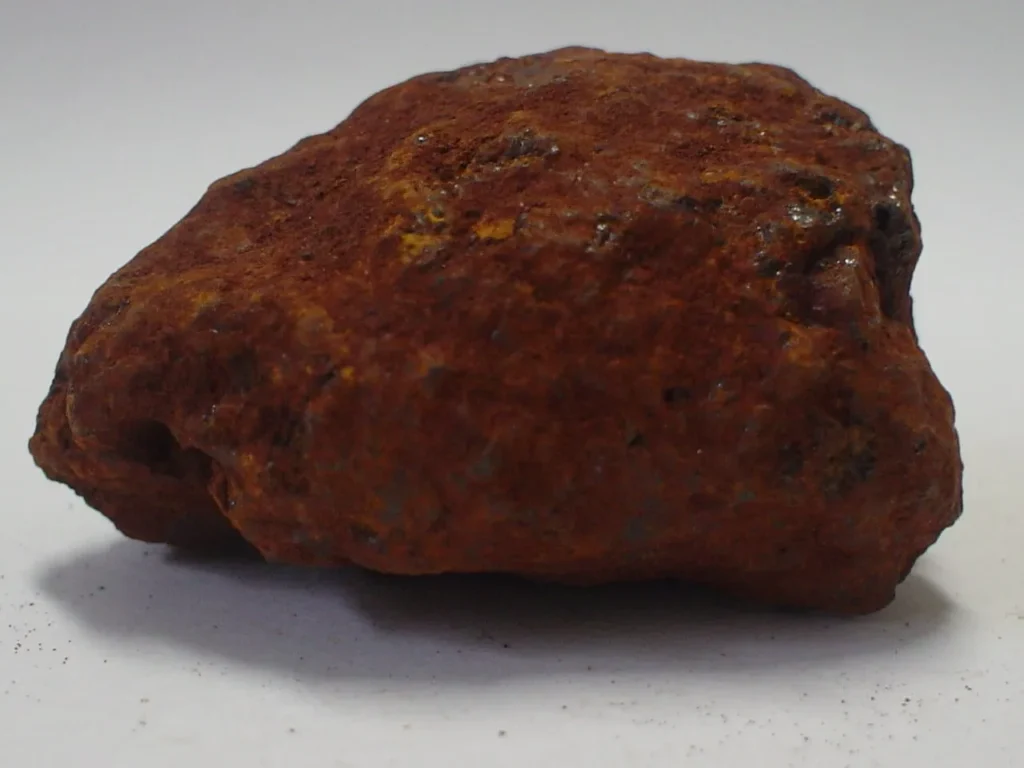
The reason any of this reaches beyond geology is that banded iron formations are where the world’s iron comes from. The original BIF rock is usually too lean to mine directly, often under 30 percent iron. The economically valuable ore forms where later fluids stripped out the silica and enriched the iron to 60 percent or more, concentrating the BIF into high-grade hematite and magnetite deposits. Those enriched ores, and the lower-grade taconite that surrounds them, are the feedstock of the entire steel industry.
The numbers are staggering. According to the U.S. Geological Survey’s Mineral Commodity Summaries 2026, world iron ore mine production in 2025 was an estimated 2.6 billion metric tons of usable ore, containing about 1.6 billion metric tons of iron. Australia alone produced an estimated 980 million metric tons of usable ore, with Brazil at about 420 million, India at about 310 million, and China at about 290 million. Iron ore is mined in about 50 countries, but the seven largest producers account for about three-quarters of world output, and Australia and Brazil together dominate the export trade, each holding roughly a third of total exports. World reserves are immense, on the order of 200 billion metric tons of crude ore, holding about 87 billion metric tons of iron, and Australia’s reserves alone, reported on a JORC-compliant basis, run to about 24 billion metric tons of crude ore containing 10 billion metric tons of iron.
The geography of mining maps almost exactly onto the geography of these ancient seas. Australia’s iron flows from the Hamersley BIFs of the Pilbara. Brazil’s flows from the itabirites of Minas Gerais and the Carajás district. The Lake Superior ranges, the Mesabi above all, which according to the USGS has produced more than 3 billion metric tons of ore since its discovery in 1890, much of it from high-grade hematite- and goethite-rich deposits, built the steel of the United States through two world wars and the postwar boom. When the soft, naturally enriched hematite ran low in the Lake Superior district in the mid-twentieth century, the industry pivoted to crushing, magnetically separating, and pelletizing the lower-grade taconite, a technology that kept the ranges alive. The U.S. itself produced an estimated 38 million metric tons of iron ore in 2025, mostly from open pits in Minnesota and Michigan, a 16 percent drop from the year before as the spot price of imported ore fines (62 percent iron, CIF Tianjin) averaged roughly $99 per ton over the first nine months of 2025, down from about $112 a year earlier.
Every one of those tons is a withdrawal from an account that closed nearly two billion years ago. The Earth does not make banded iron formations anymore. The conditions that produced them, an iron-charged, oxygen-starved ocean meeting the first surplus of biological oxygen, existed once, on the way from a lifeless chemistry to a breathing planet, and the rock is what that transition left behind. We are smelting the fossil record of our planet’s first oxygen crisis into the structures of the modern world.
What remains unsolved
Three questions still keep this field arguing. How much of the iron was oxidized by living microbes versus purely chemical reactions, with the isotopic tools meant to tell them apart often returning ambiguous answers. What paced the banding, whether seasons, orbital cycles, ocean currents, or volcanic pulses, with evidence pulling several ways at once. And how much oxygen the GOE actually made, whether it briefly overshot toward modern levels or rose only modestly and unsteadily. The most recent papers, from the 2024 snowball-ocean models to the 2026 reassessments of oxygen, are still moving the goalposts.
What is not in doubt is the link the rocks record. The stripes in that Australian gorge are the chemistry of a planet changing its own atmosphere, and the iron in them is the same iron that frames our cities. Press your hand to the wall and the calendar reads in billions.
Frequently asked questions
What is a banded iron formation?
A banded iron formation (BIF) is a chemical sedimentary rock made of alternating iron-rich layers (mostly hematite and magnetite) and silica-rich layers (chert). It typically contains more than 15 percent iron by weight. BIFs formed almost entirely in the Precambrian and are no longer being made today, which is why they are sometimes called an “extinct” rock type.
How old are banded iron formations?
Most BIFs are between about 3.8 and 1.8 billion years old, with the greatest pulse of deposition near 2.5 billion years ago. The oldest accepted examples are the Isua iron formations of southwest Greenland, roughly 3.7 to 3.8 billion years old. A smaller, younger group formed during the Neoproterozoic between about 750 and 635 million years ago, tied to global glaciations.
Did banded iron formations create Earth’s oxygen?
Not directly, but they record how it accumulated. Oxygen made by photosynthetic microbes reacted with dissolved iron in the ocean and precipitated it as iron oxide, building BIFs. As long as the sea held abundant dissolved iron, it consumed oxygen as fast as microbes produced it. Only after that iron reservoir was largely used up could free oxygen build in the atmosphere during the Great Oxidation Event, around 2.4 billion years ago.
Where are banded iron formations found?
The major regions are the Hamersley Province of the Pilbara in Western Australia, the Transvaal Supergroup of South Africa, the Lake Superior ranges of Minnesota, Michigan, and Ontario, and the Isua Greenstone Belt of Greenland. Large deposits also occur in Brazil (Minas Gerais and Carajás), India, Ukraine, and Russia. These regions supply most of the world’s iron ore.
Why do banded iron formations have stripes?
The cause of the banding is still debated. Proposed explanations include seasonal cycles producing annual varve-like layers, orbital (Milankovitch) cycles pacing deposition over longer periods, the interaction of iron-bearing deep water with silica-bearing surface water, and pulses of volcanic activity. More than one process likely contributed at different scales, and no single model has been confirmed.
What are banded iron formations used for?
They are the primary source of the world’s iron ore, and therefore of steel. The original rock is usually too low-grade to mine, but where natural fluids removed silica and enriched the iron to around 60 percent, BIFs became the high-grade hematite and magnetite deposits, and the surrounding taconite, that feed the global steel industry. World iron ore production was about 2.6 billion metric tons in 2025.