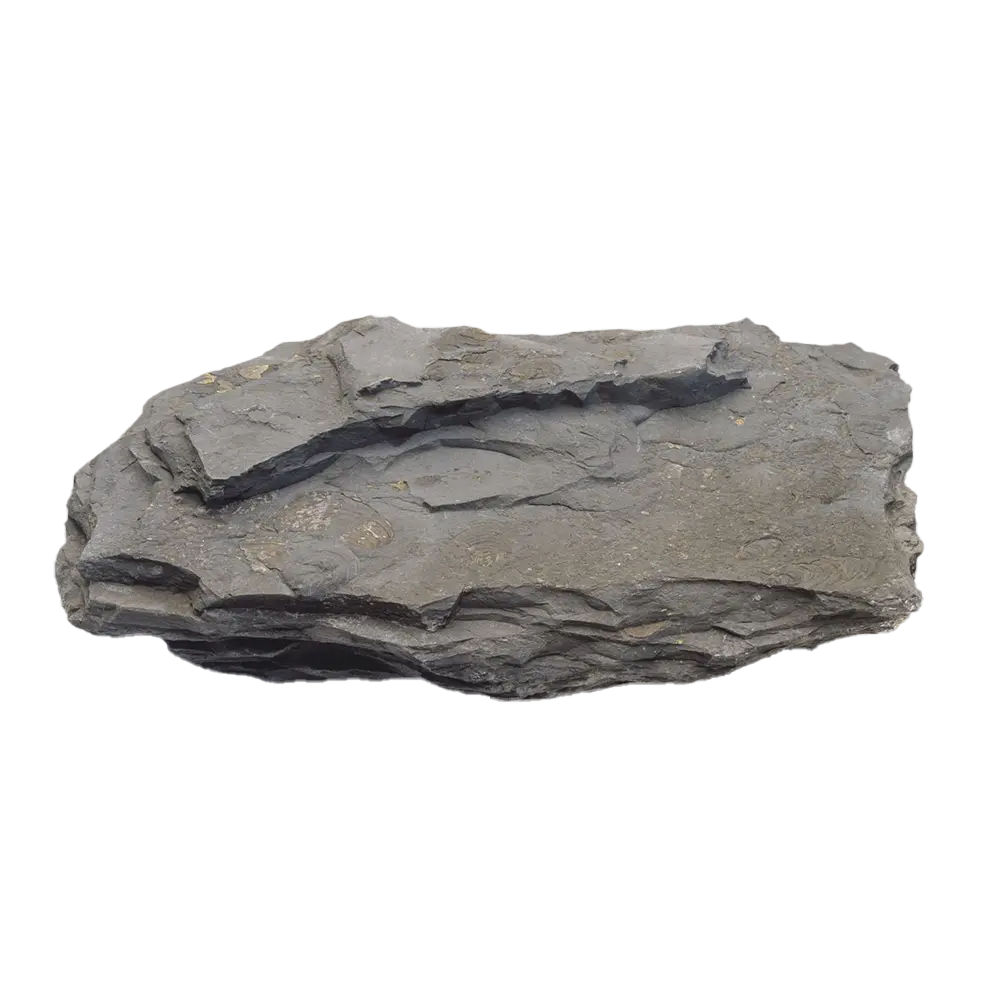
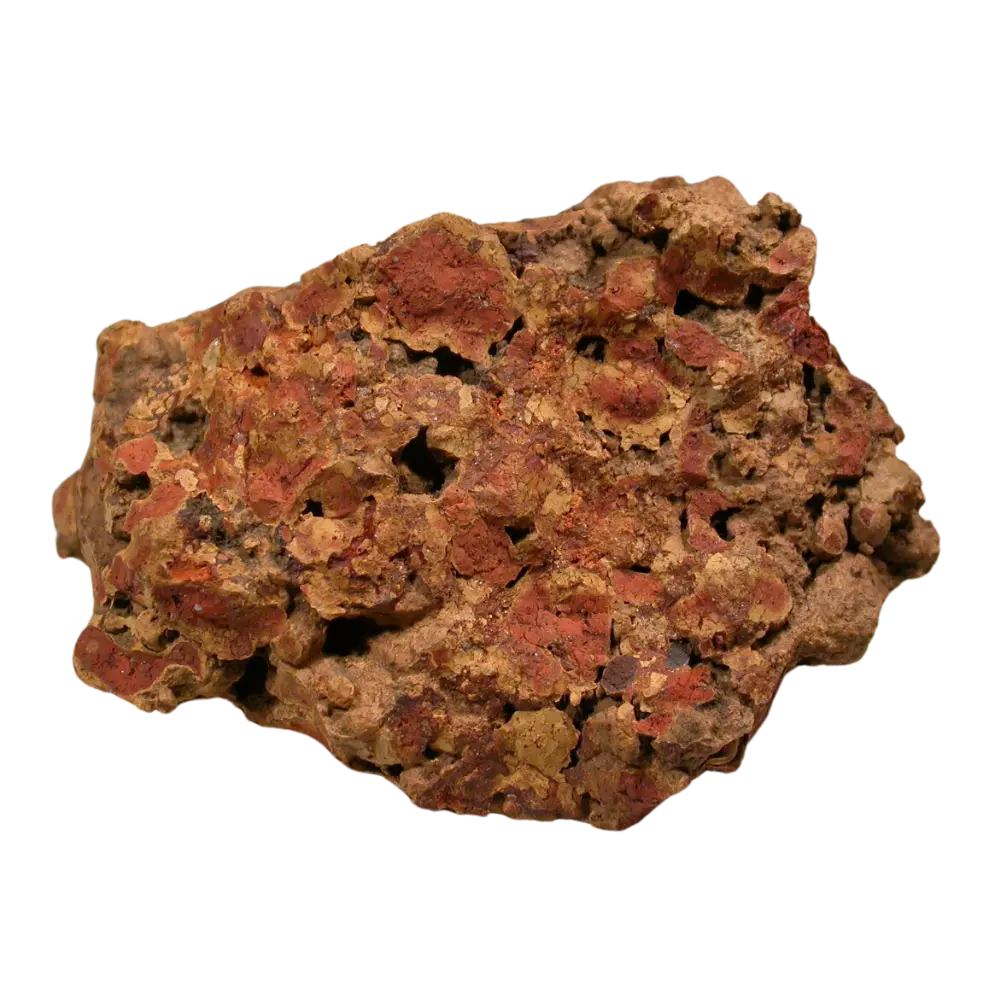
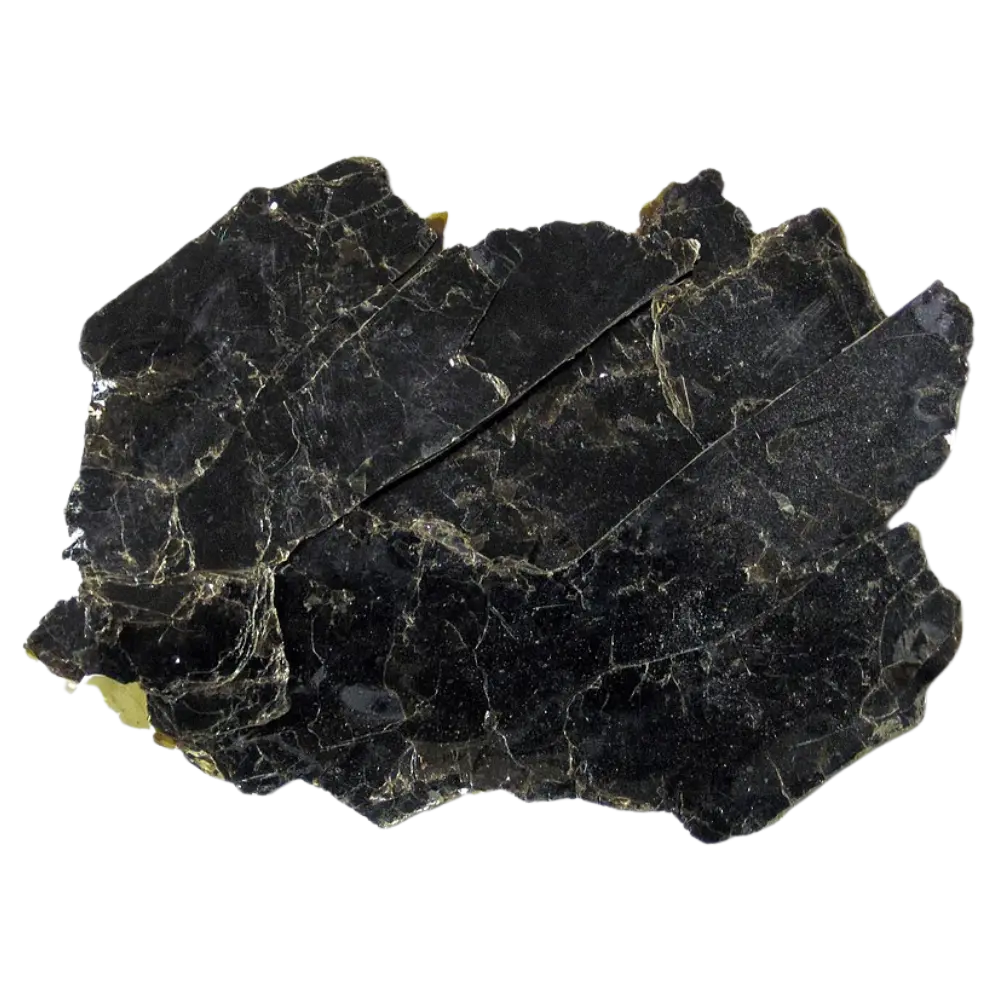
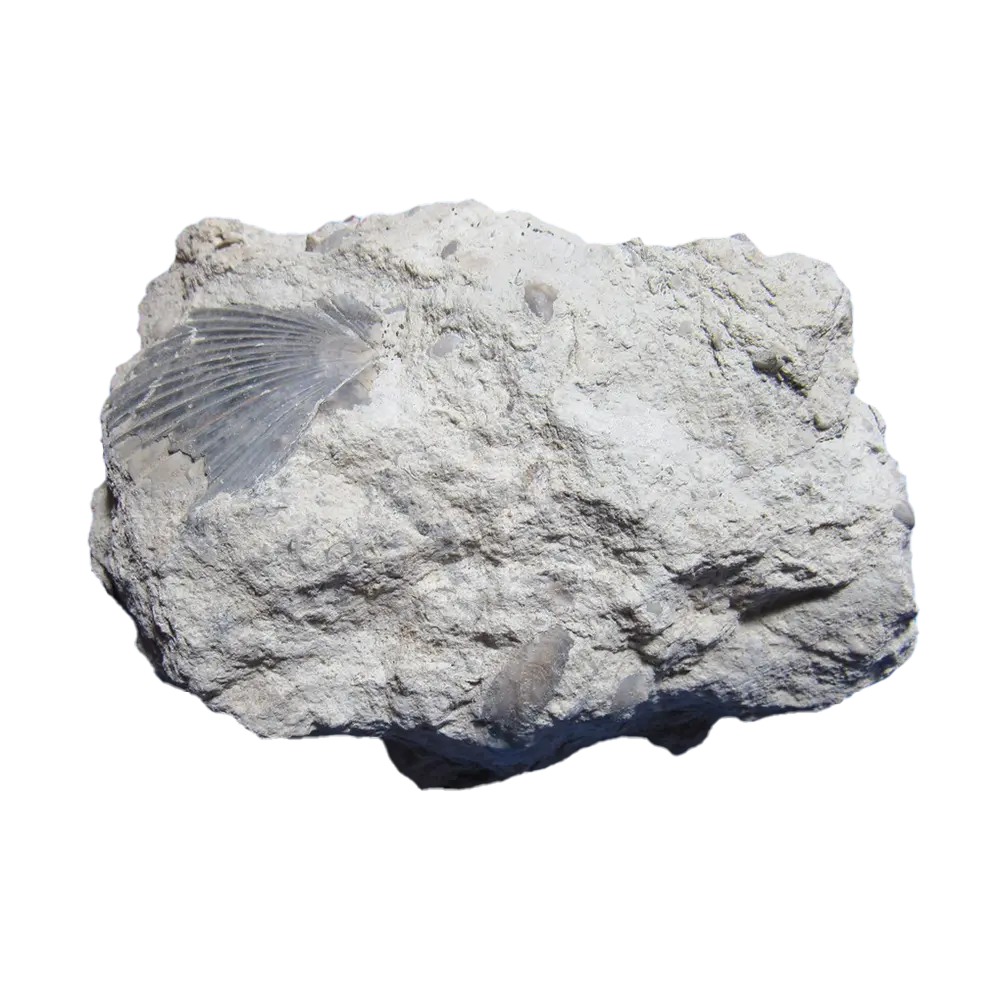
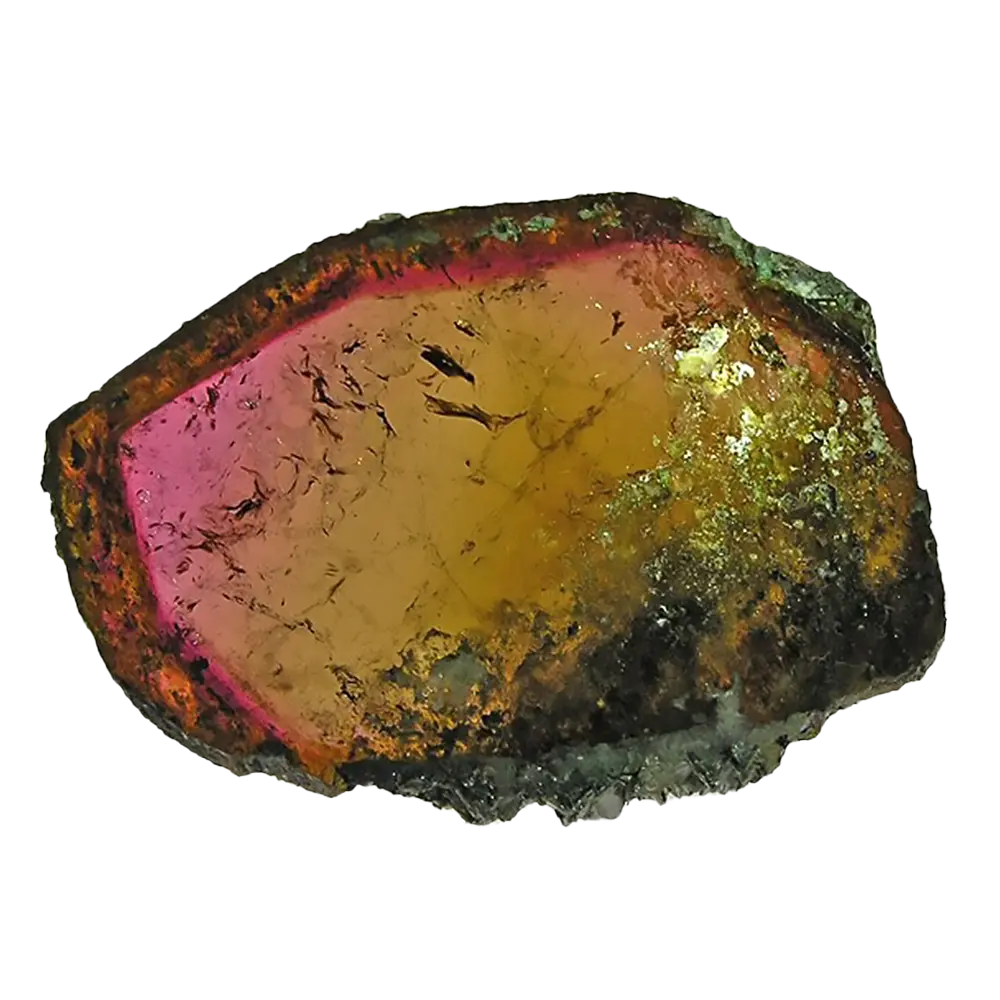
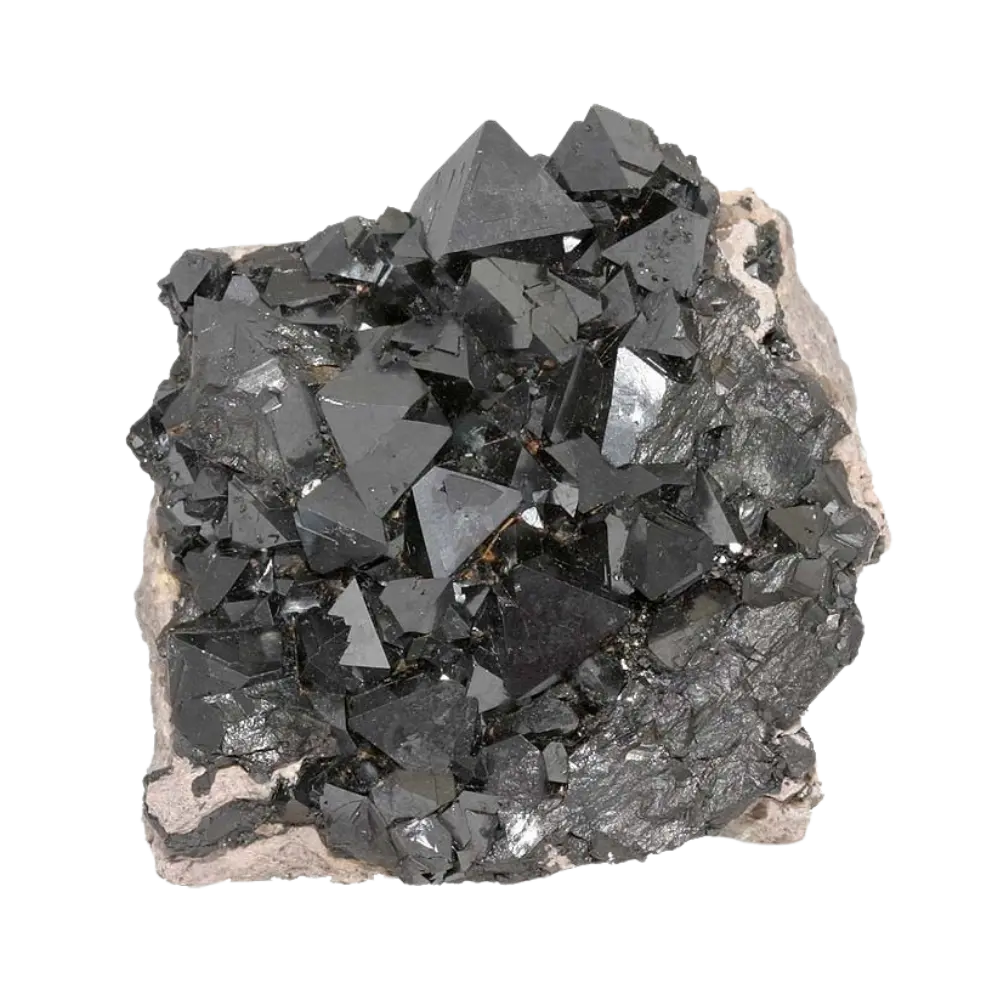
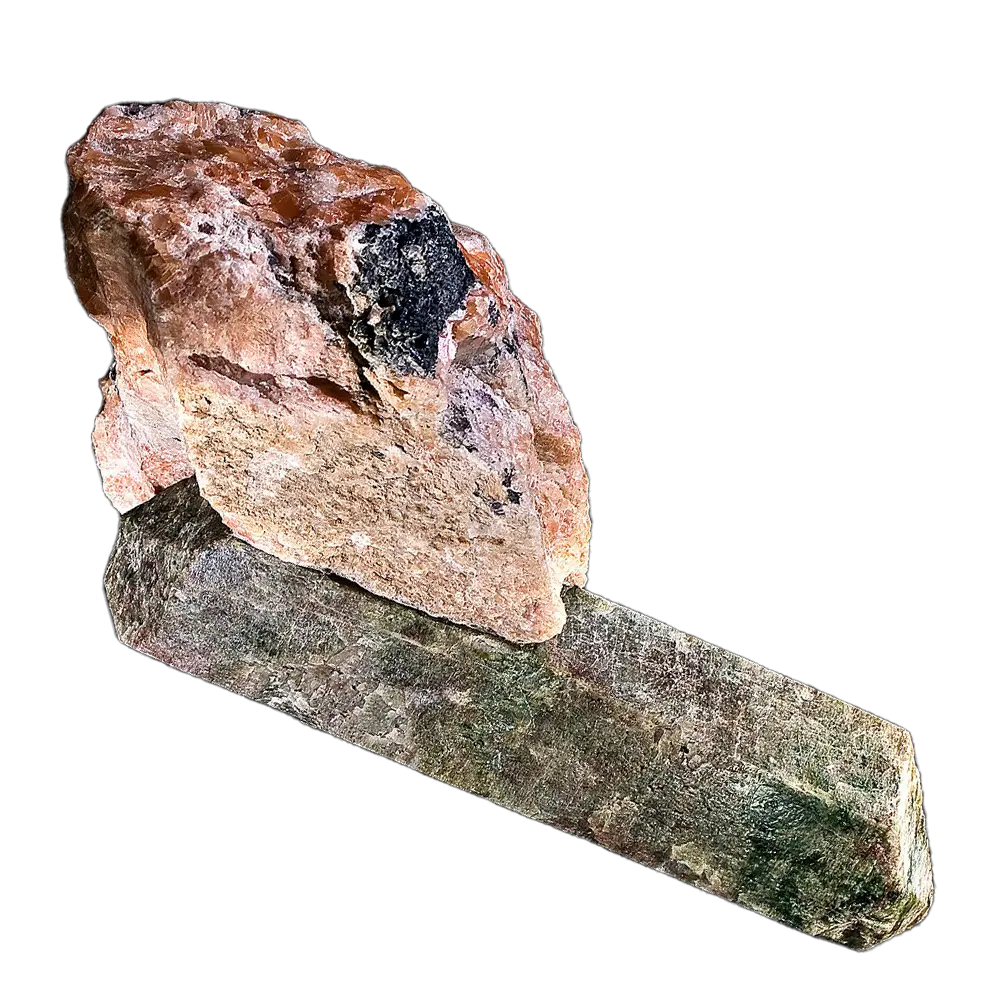
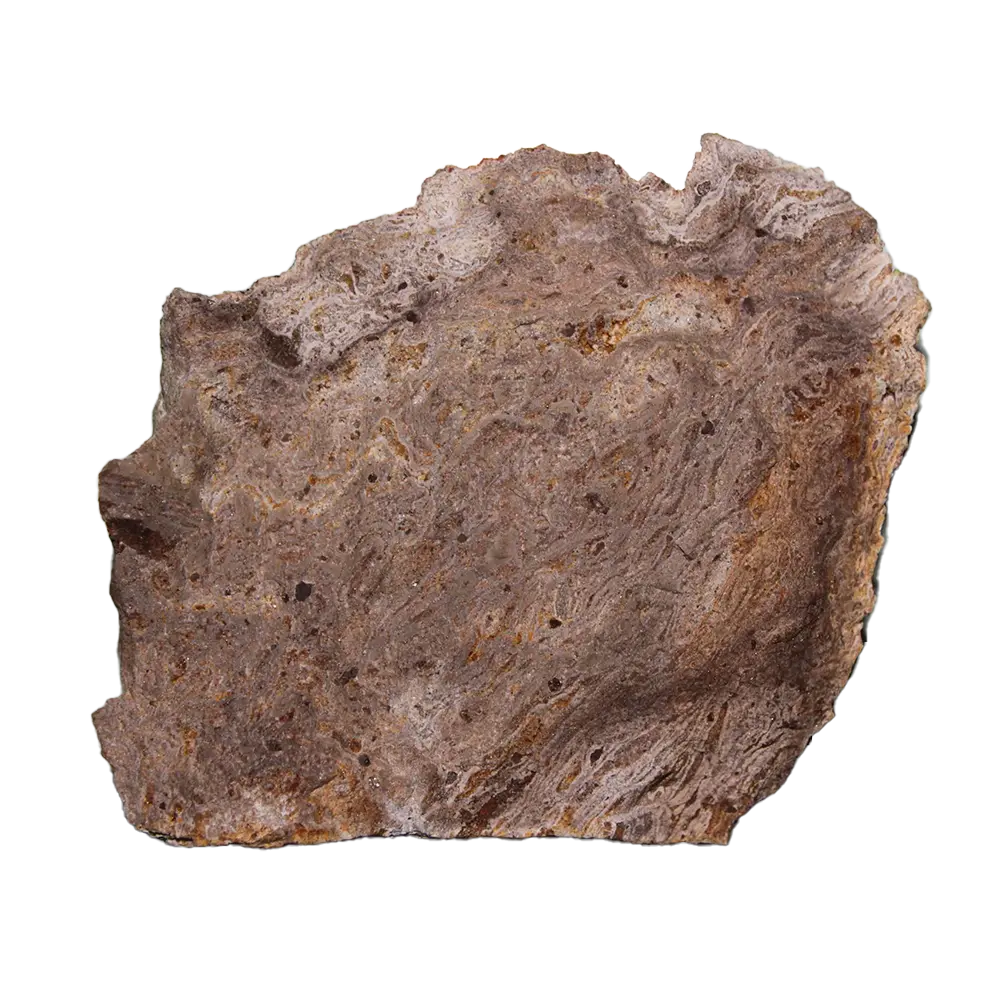
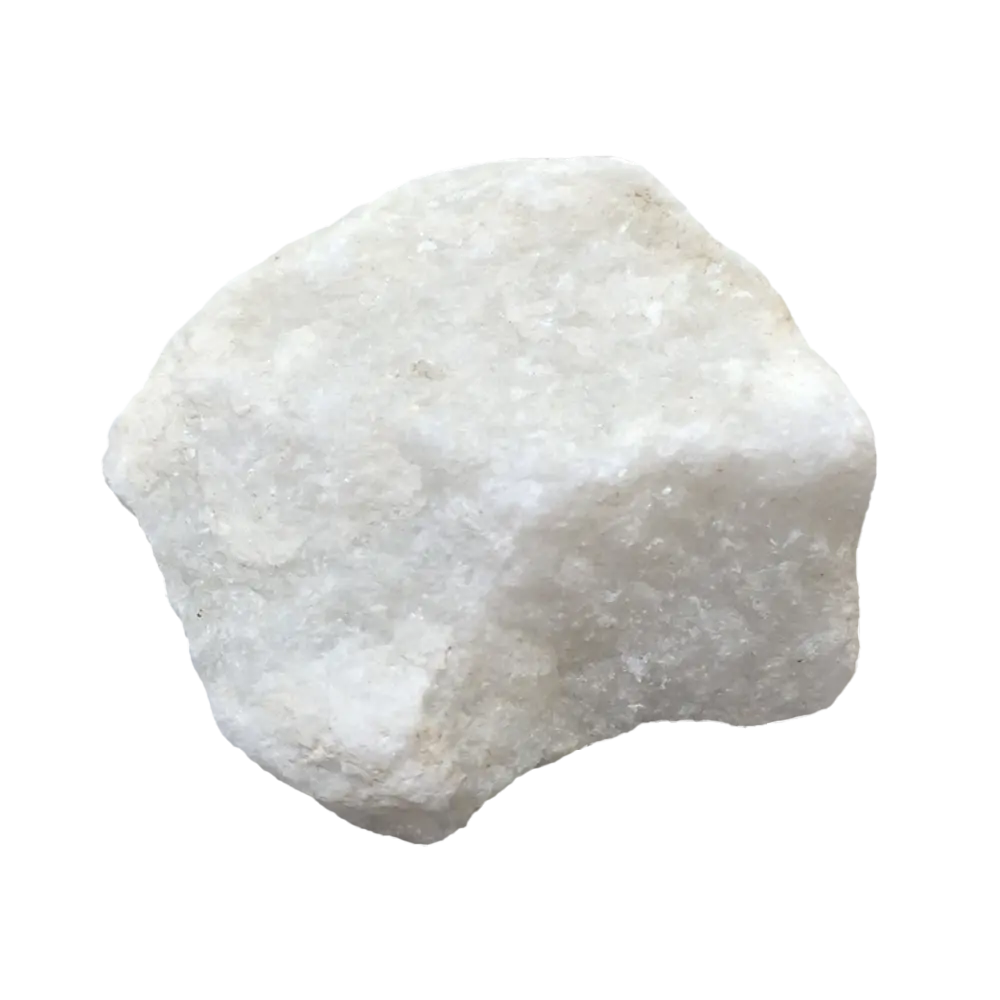
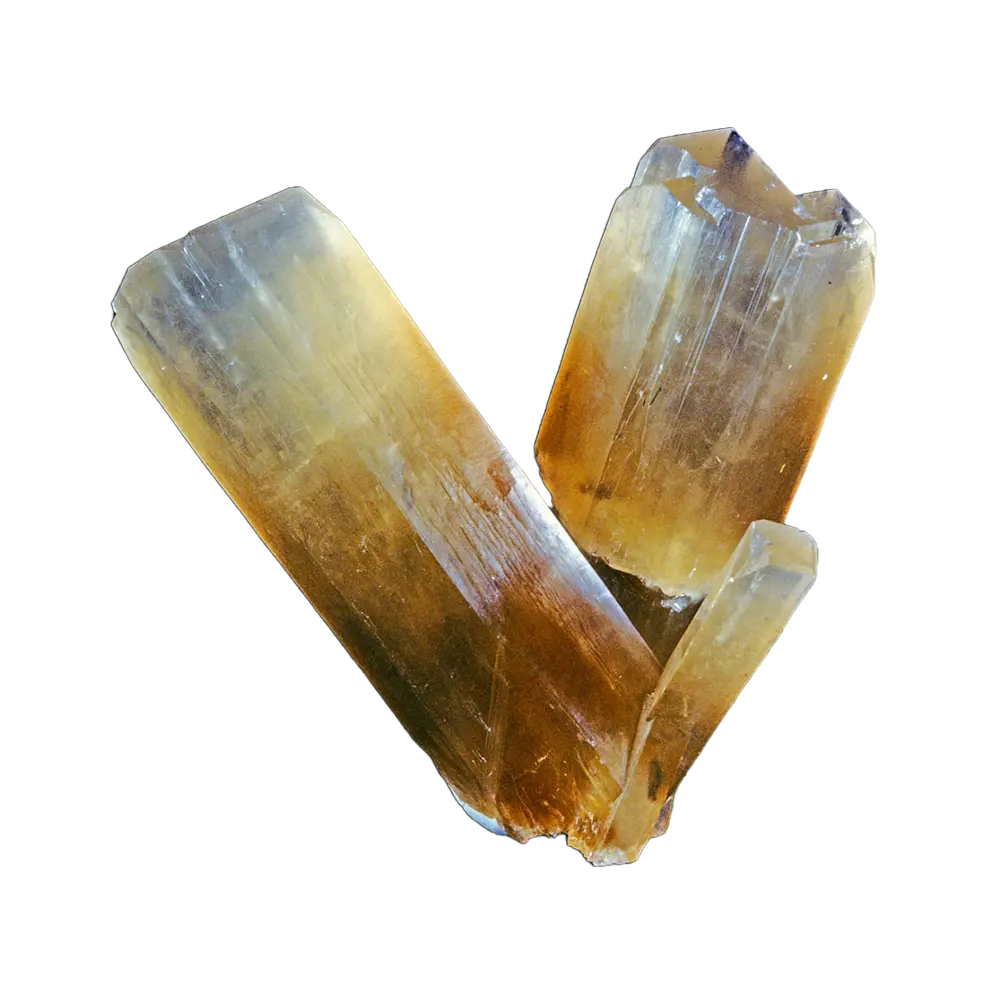
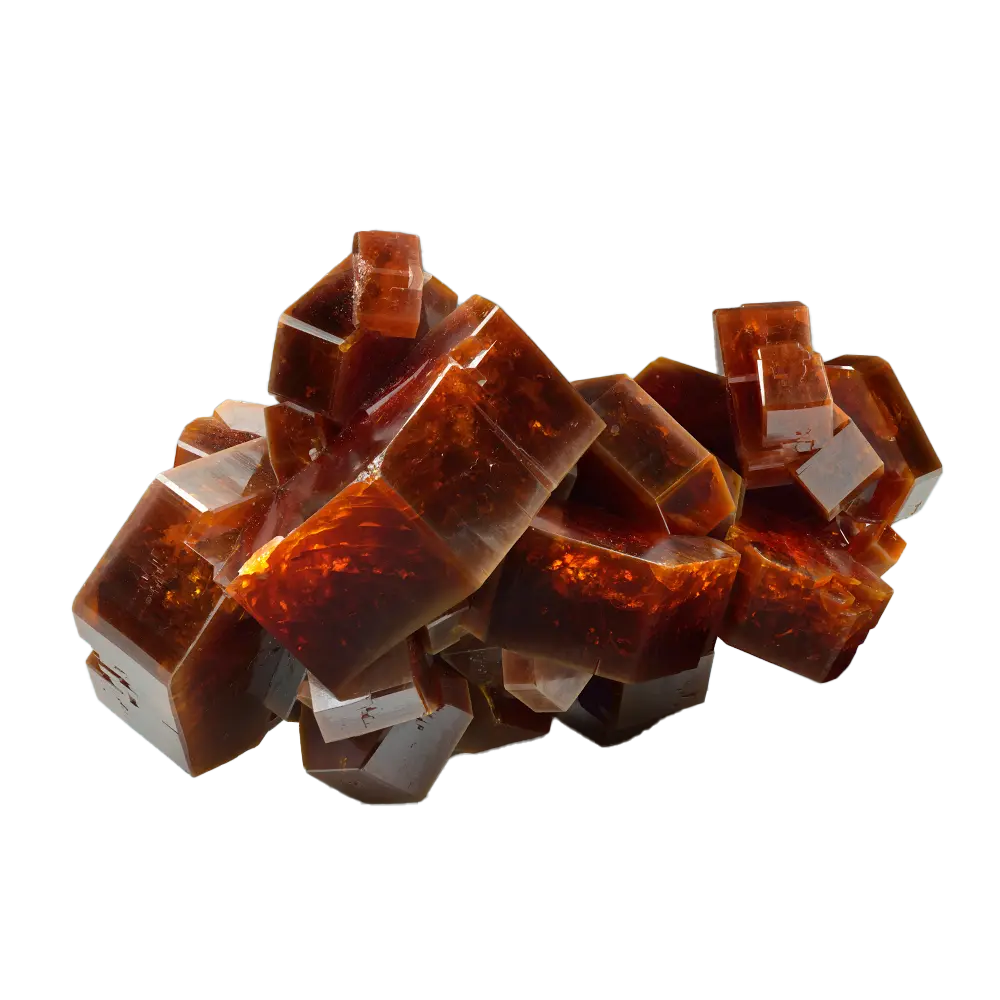
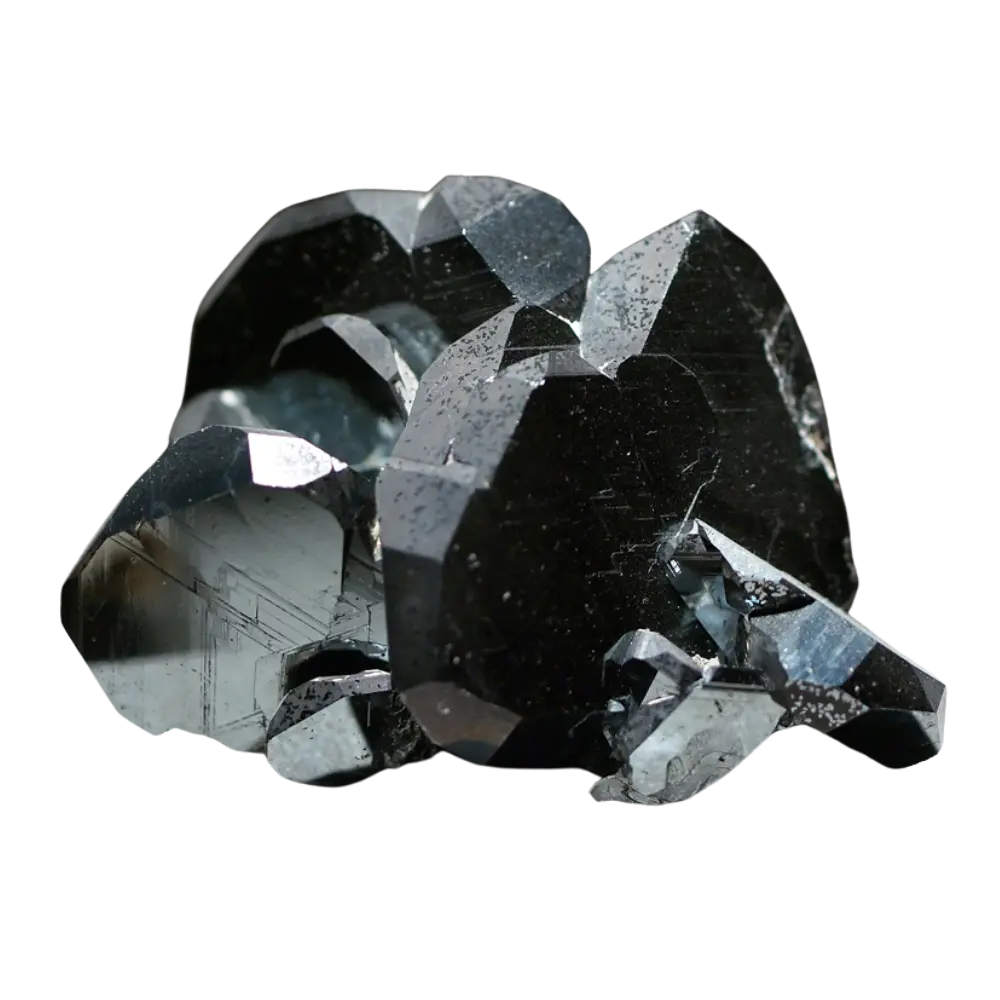
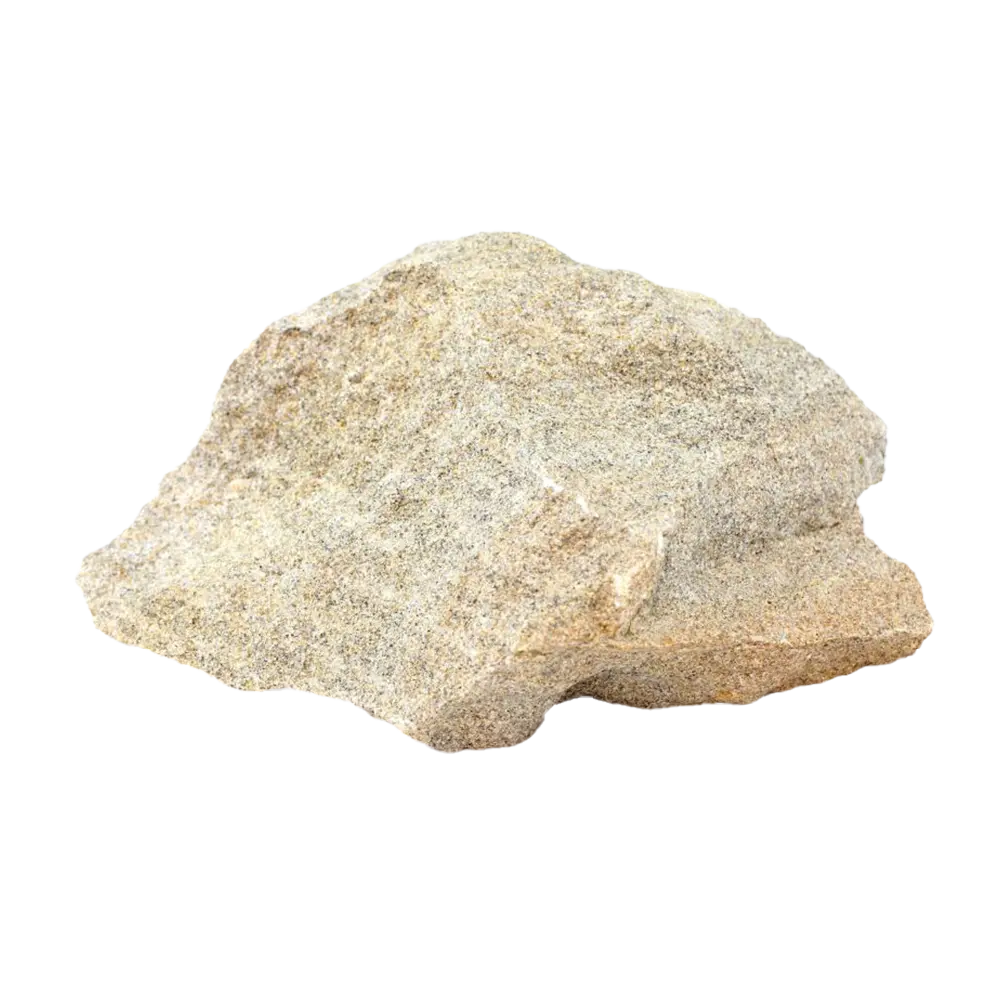
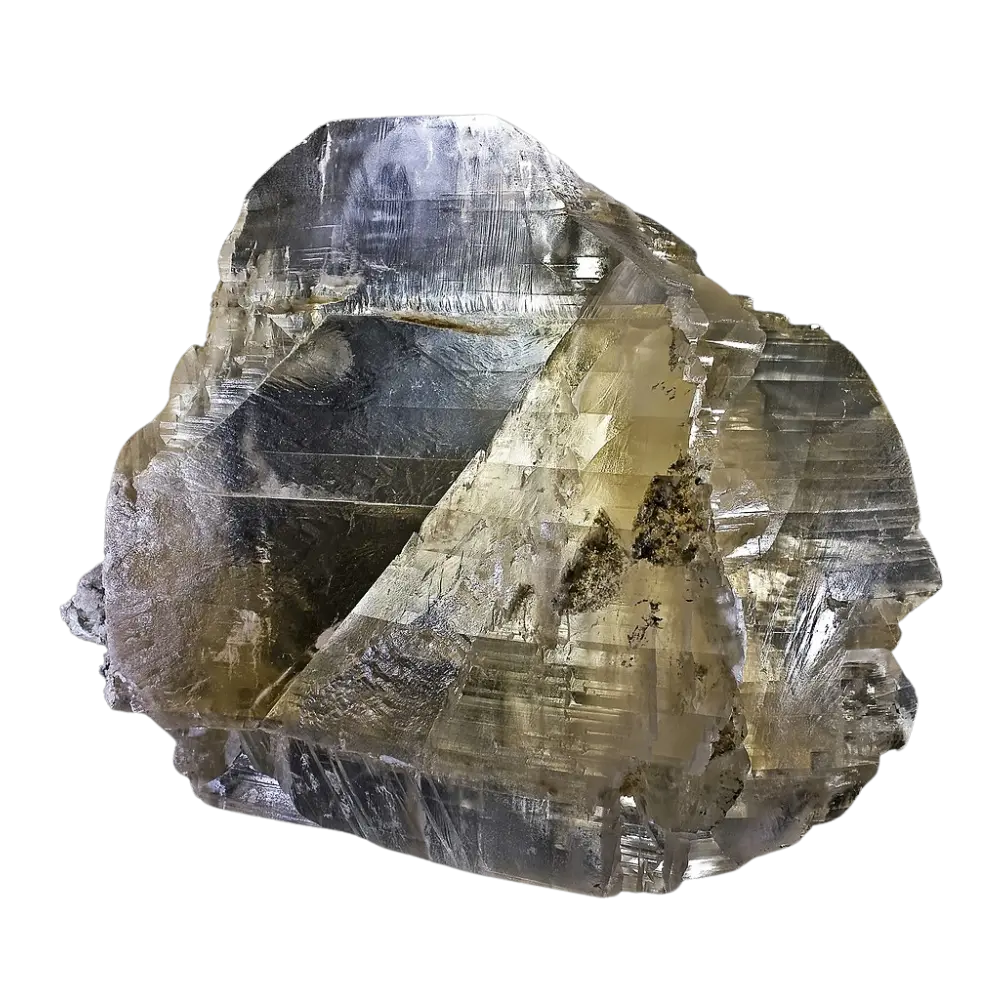
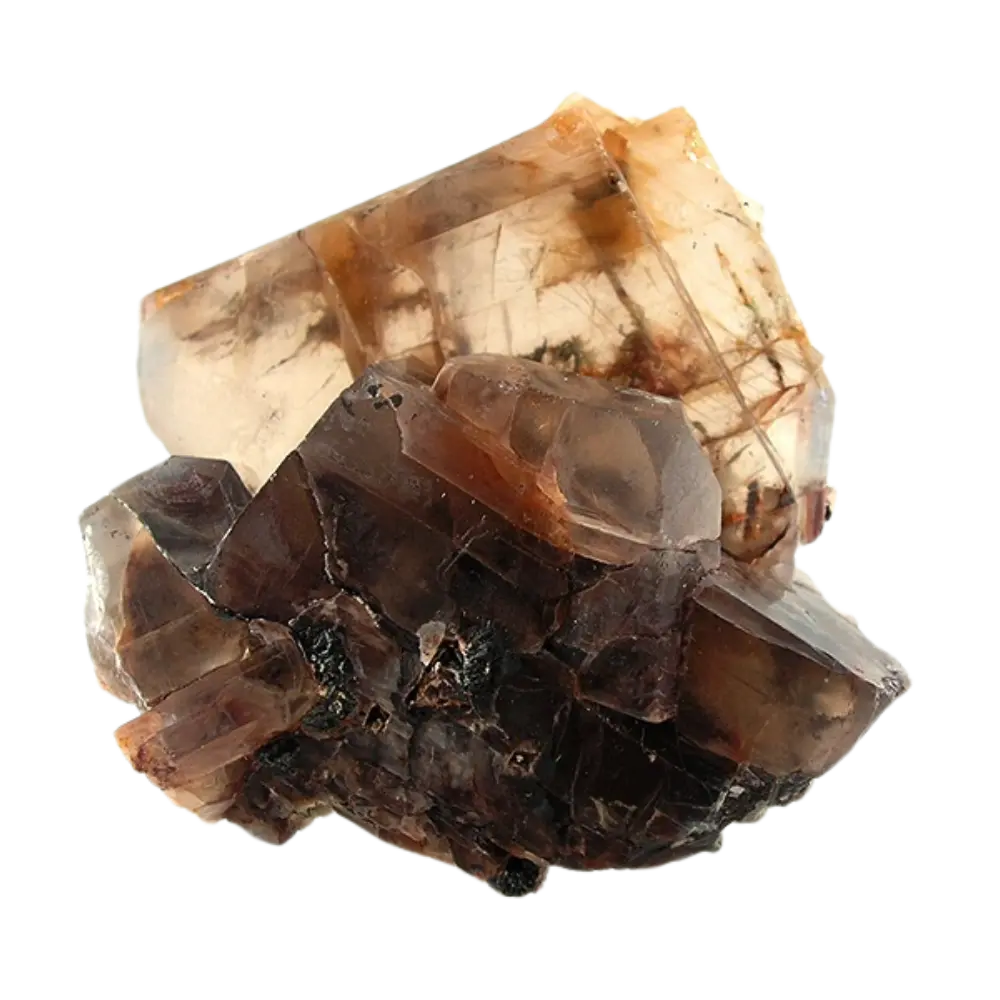
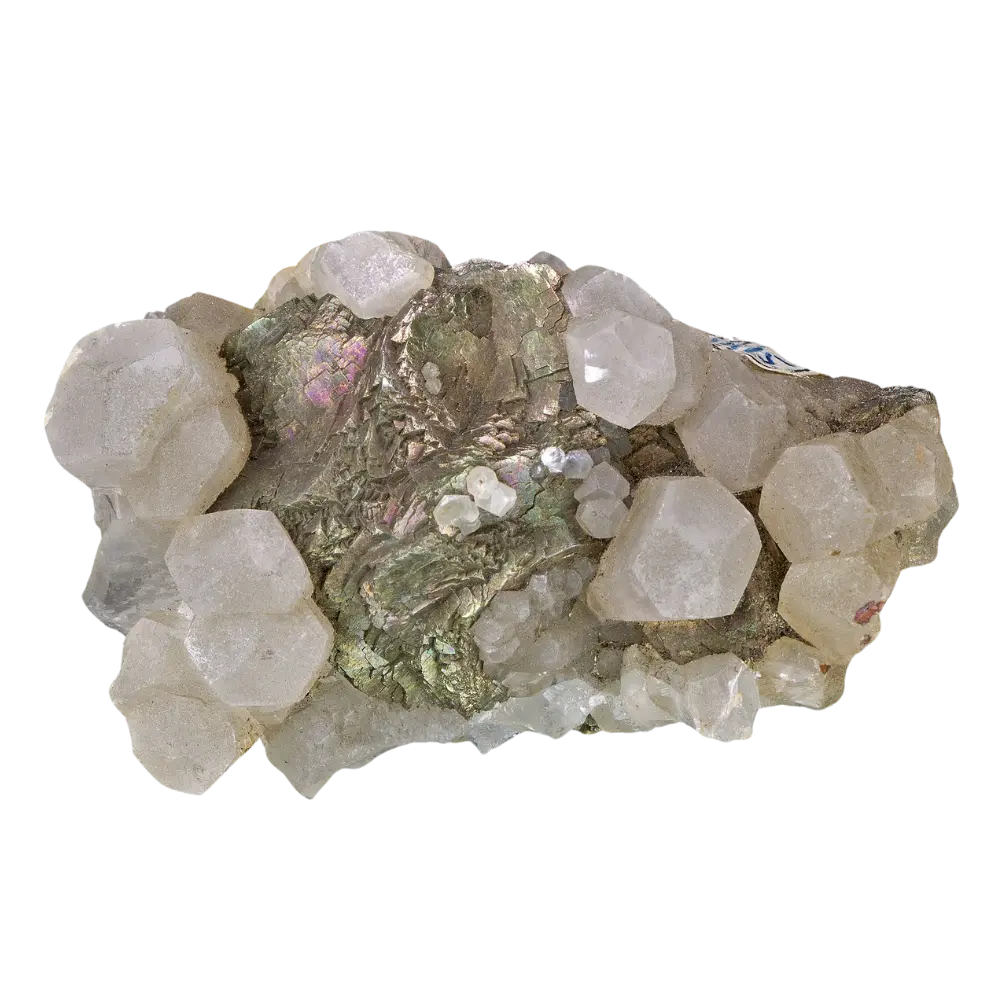
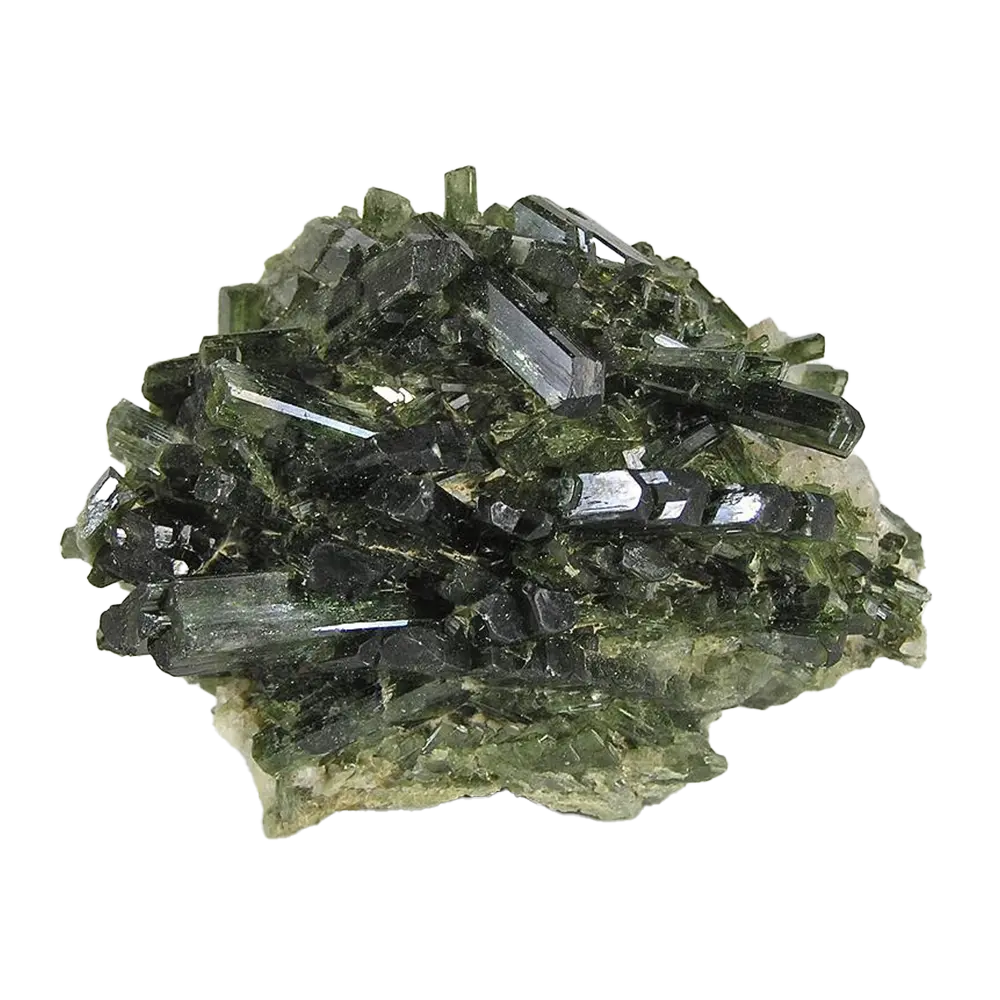
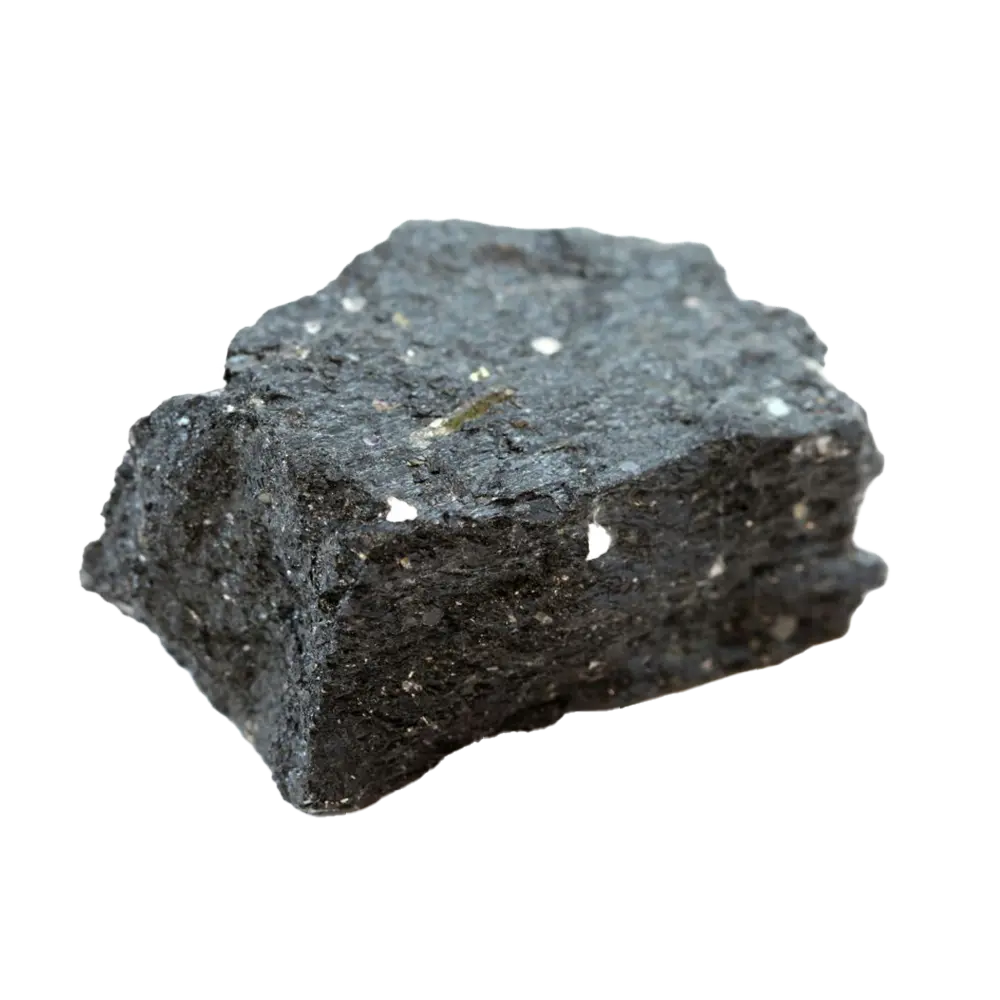
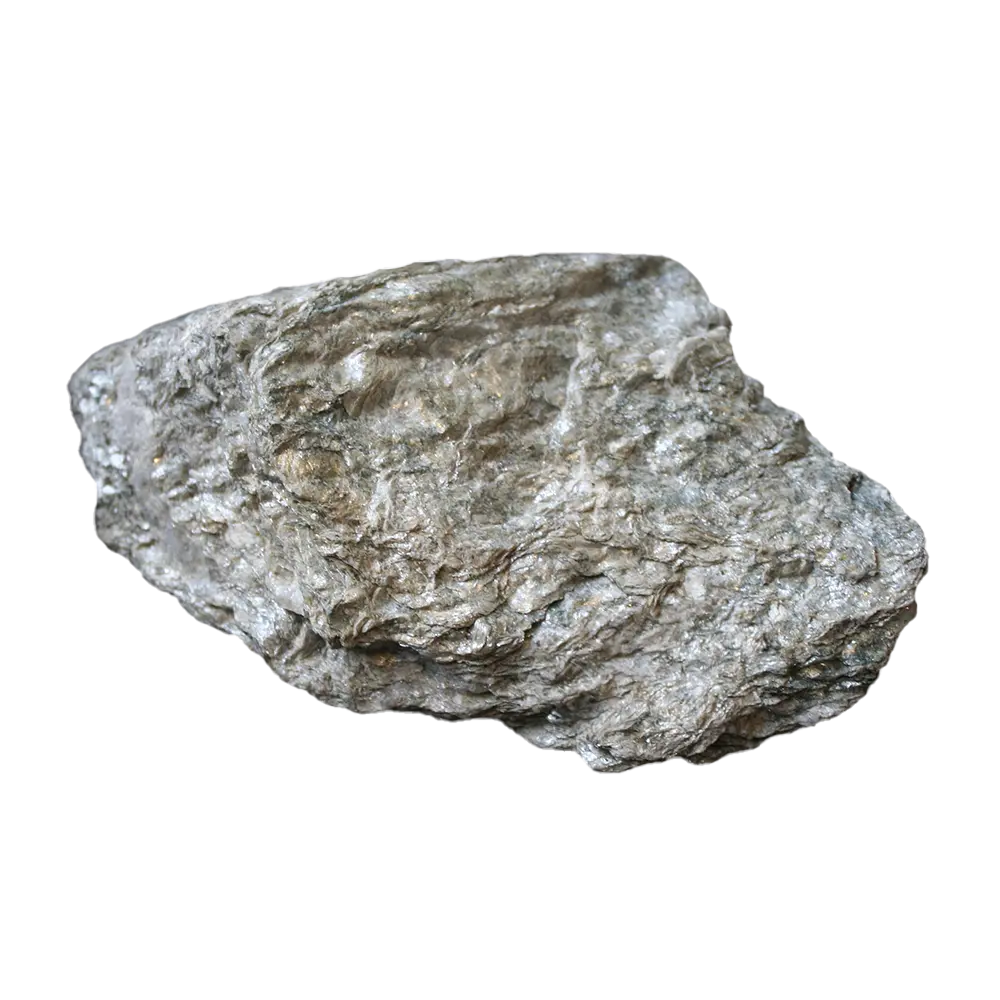
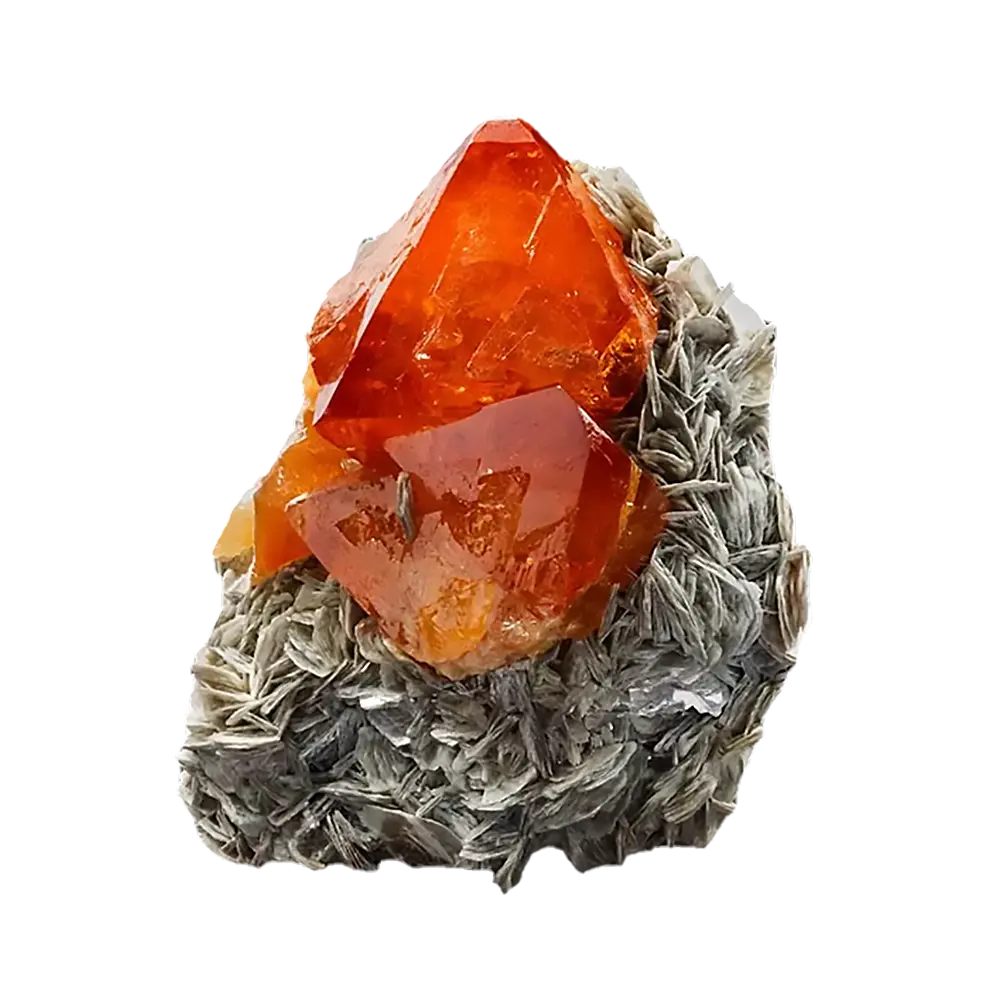
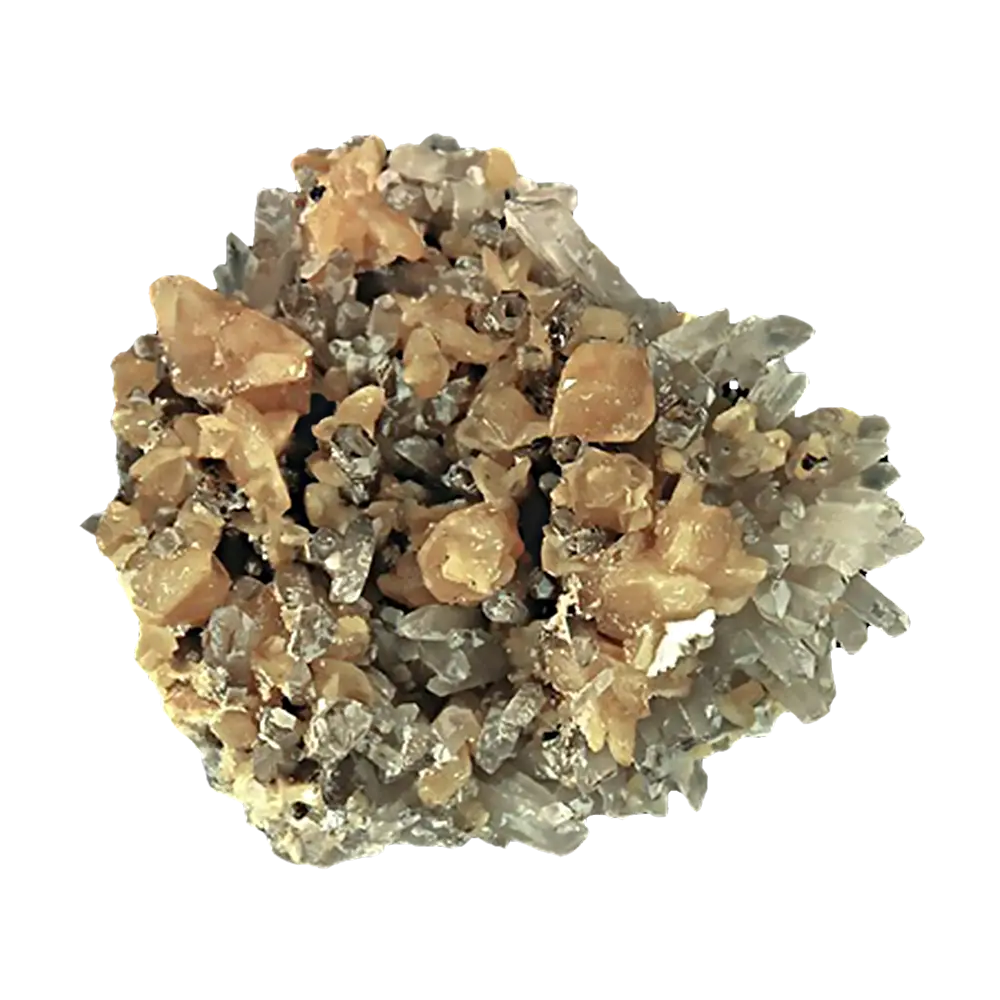
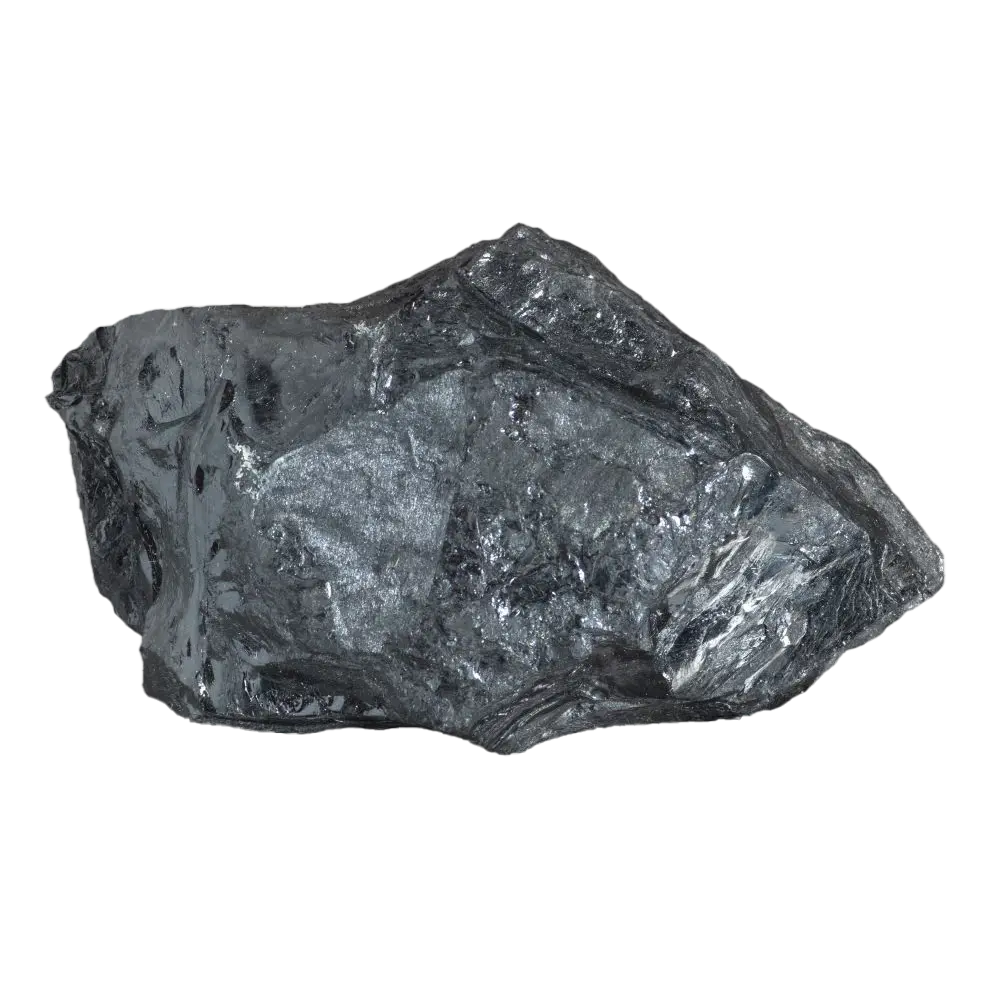
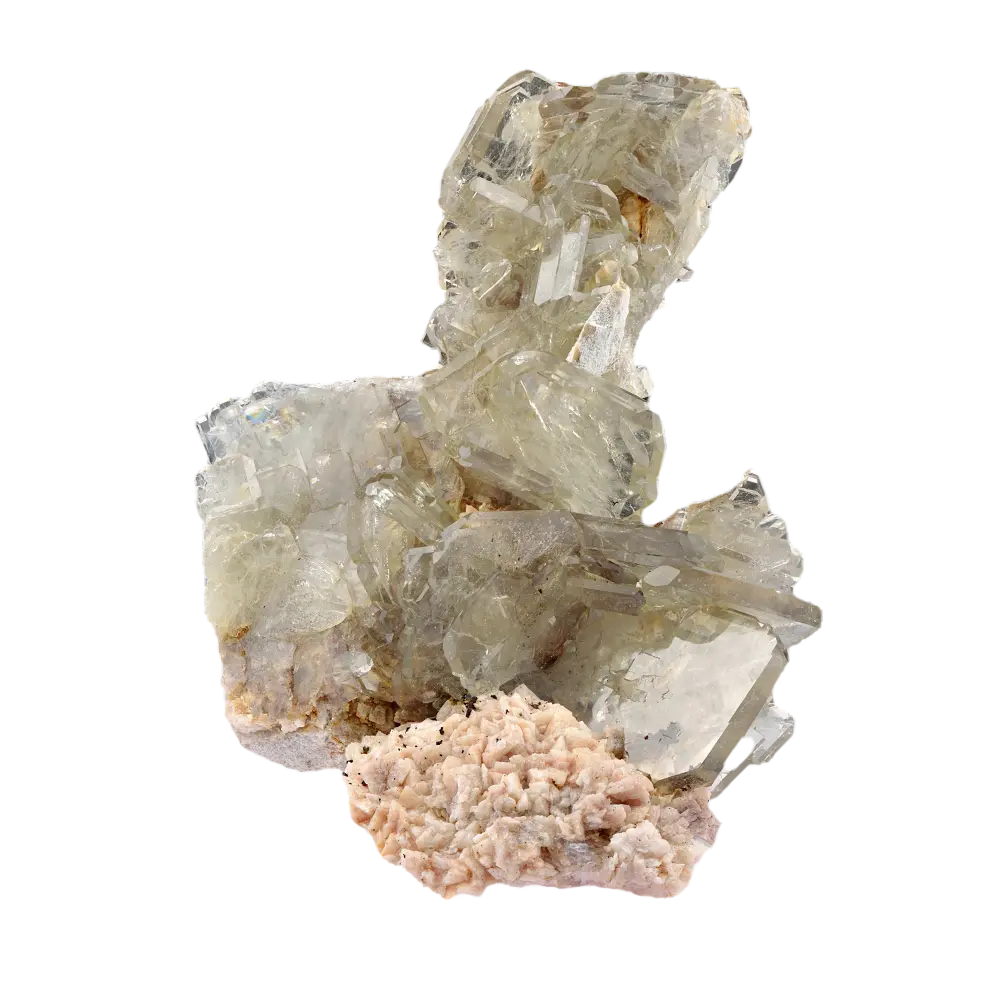
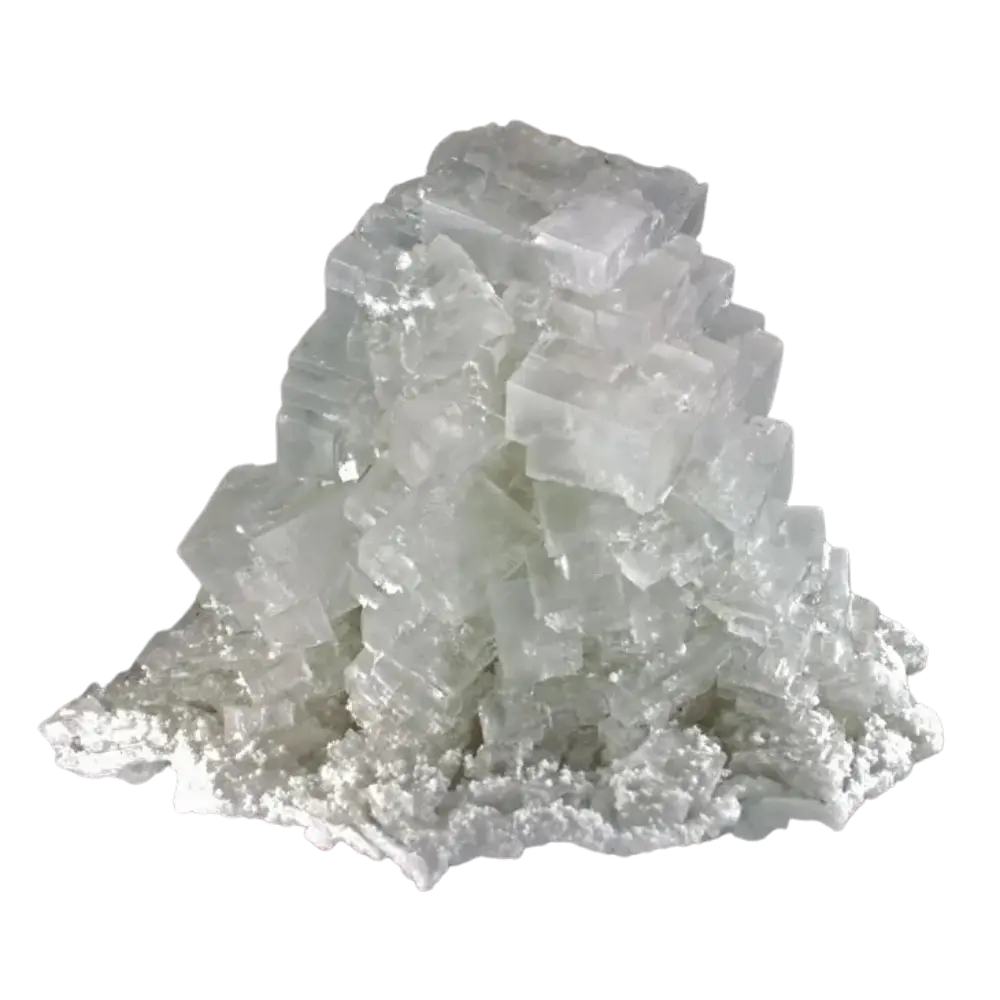
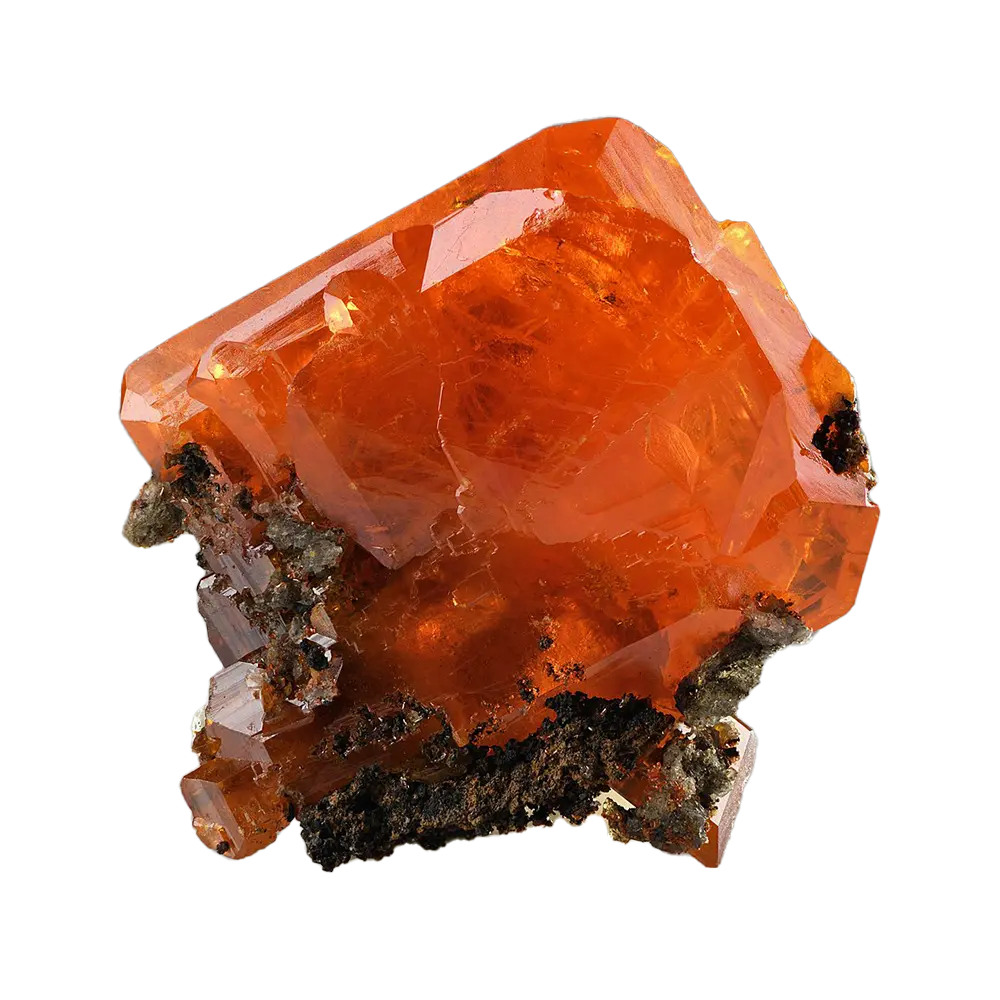
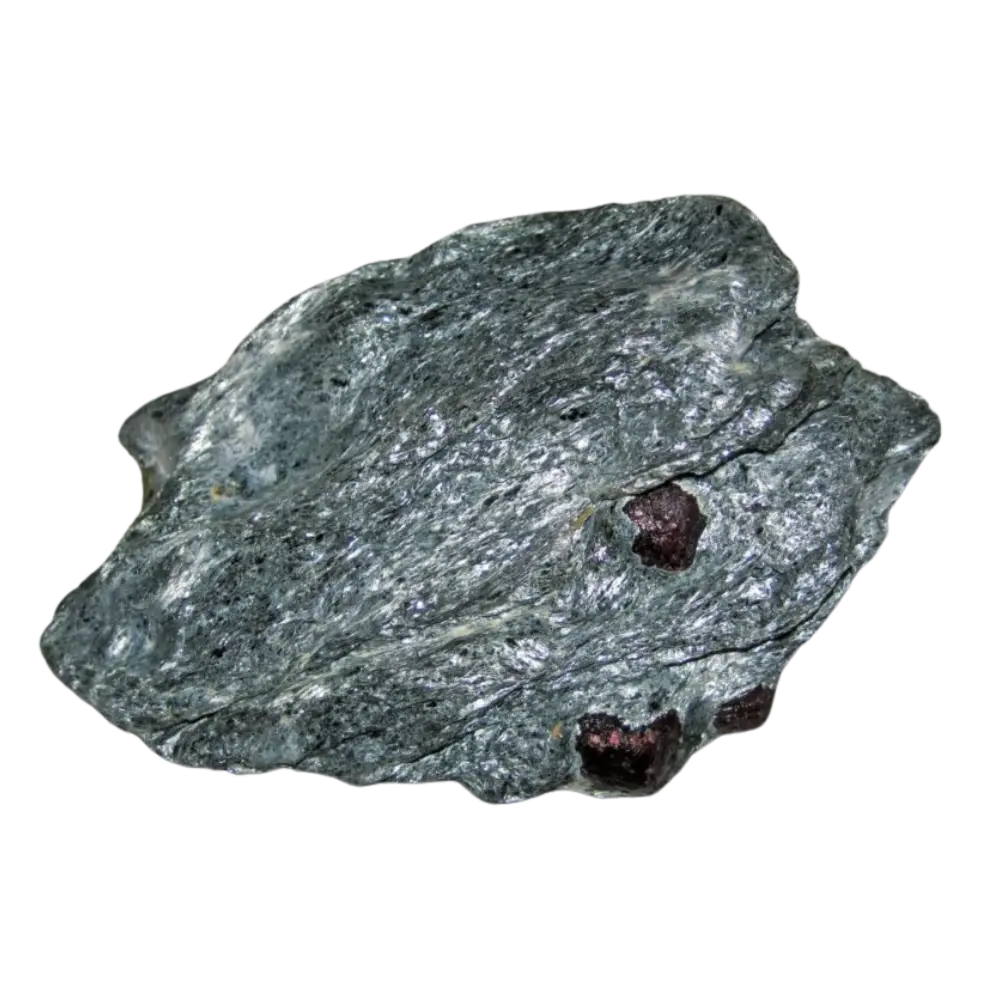
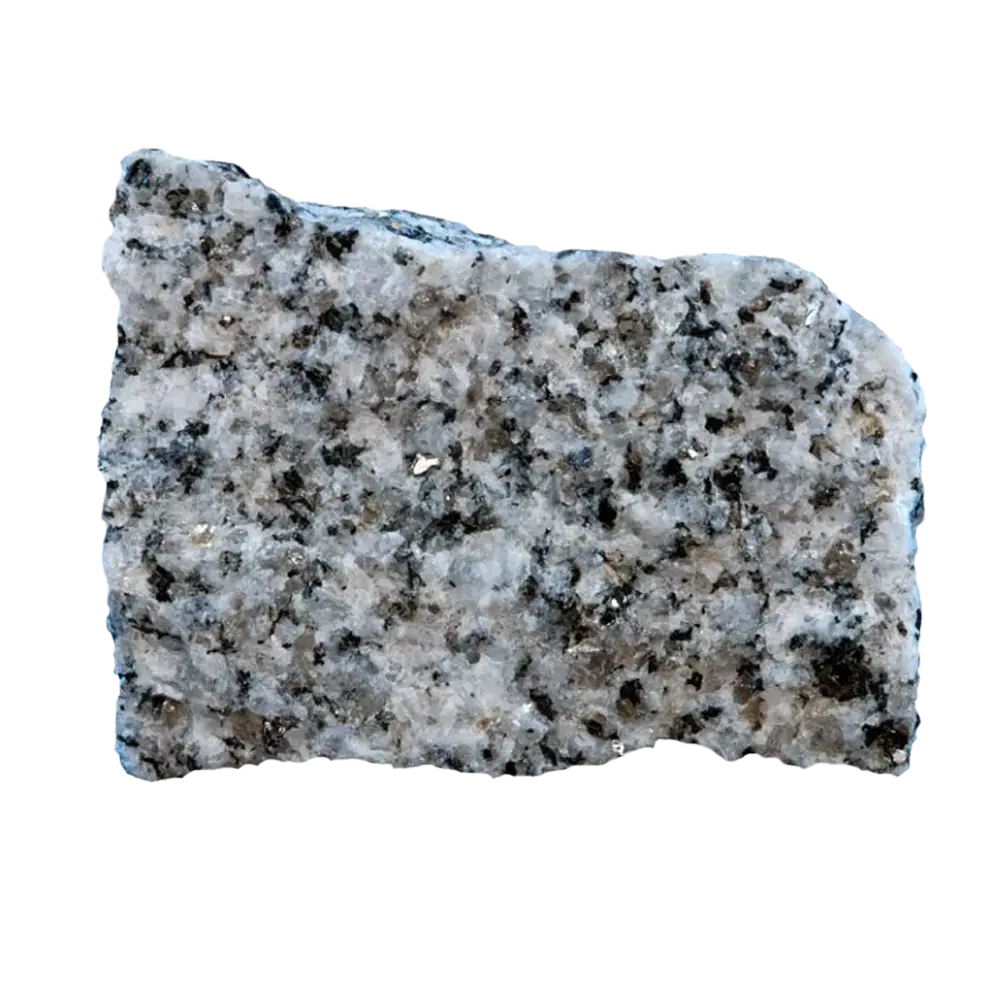
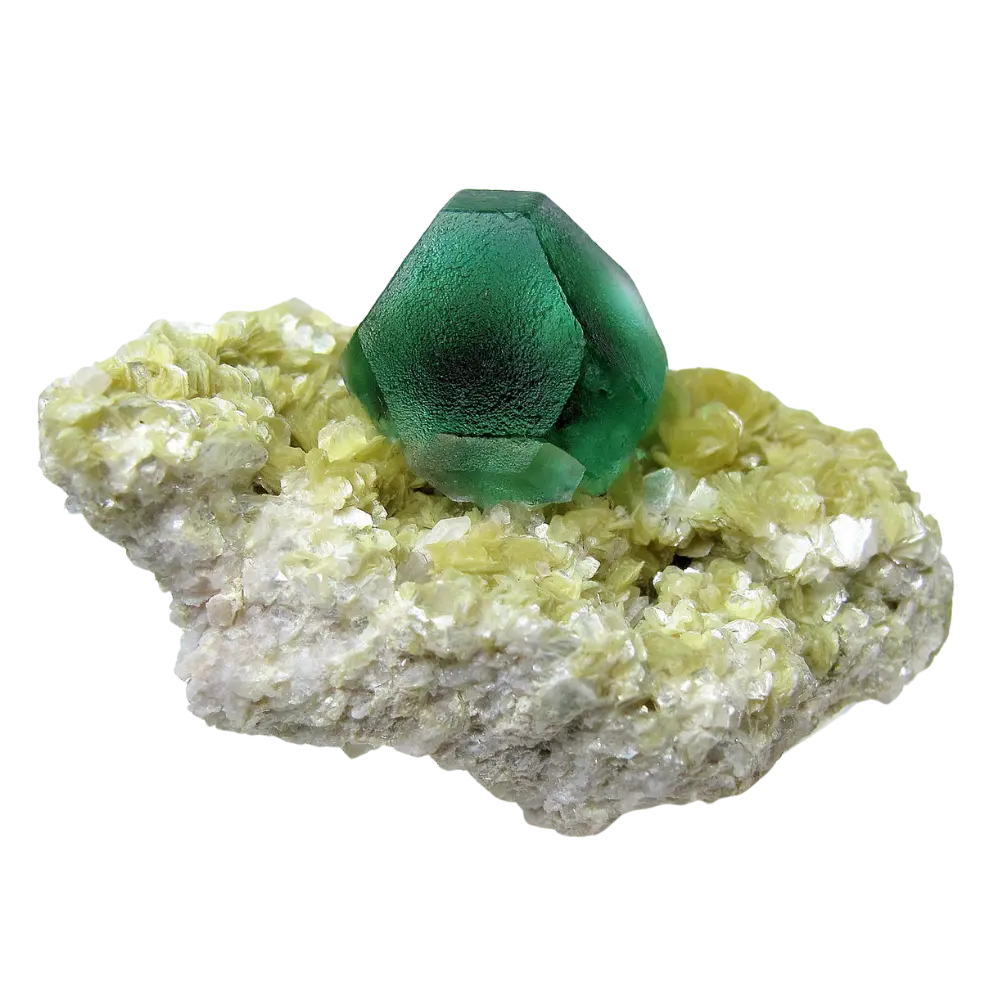
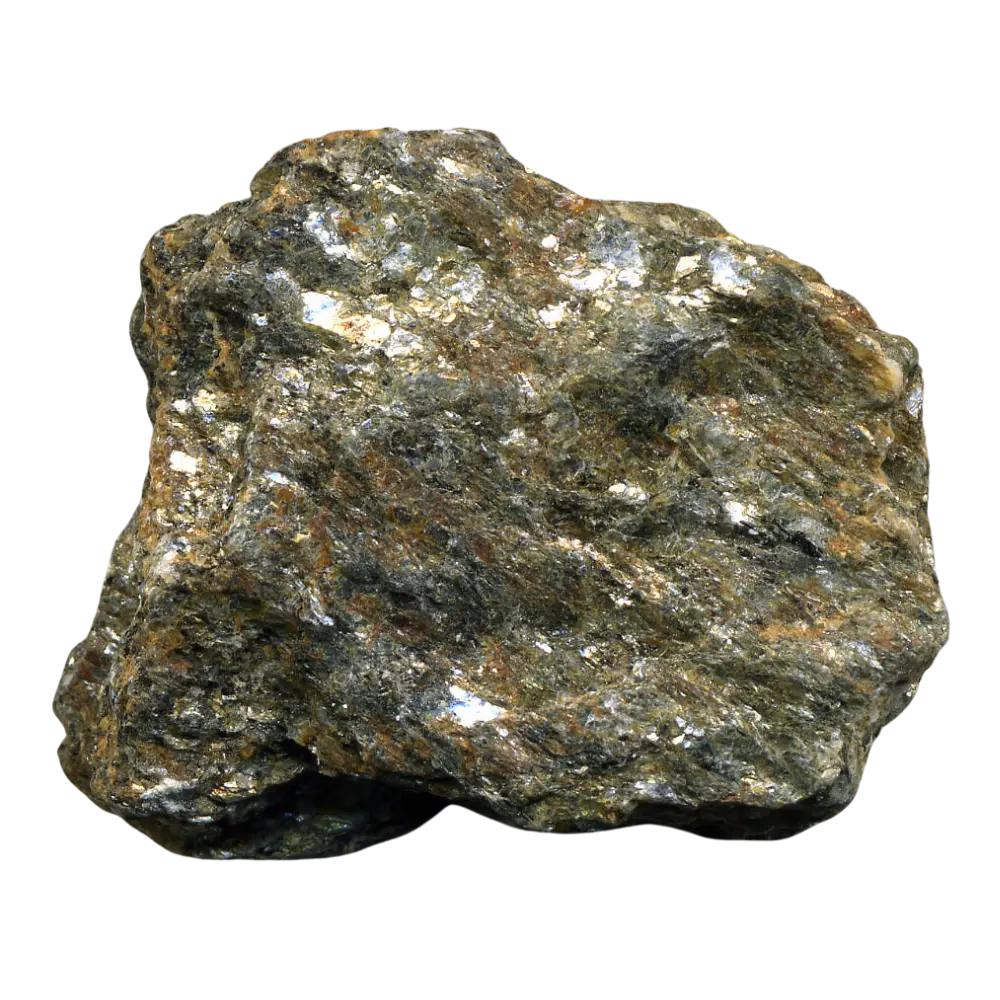
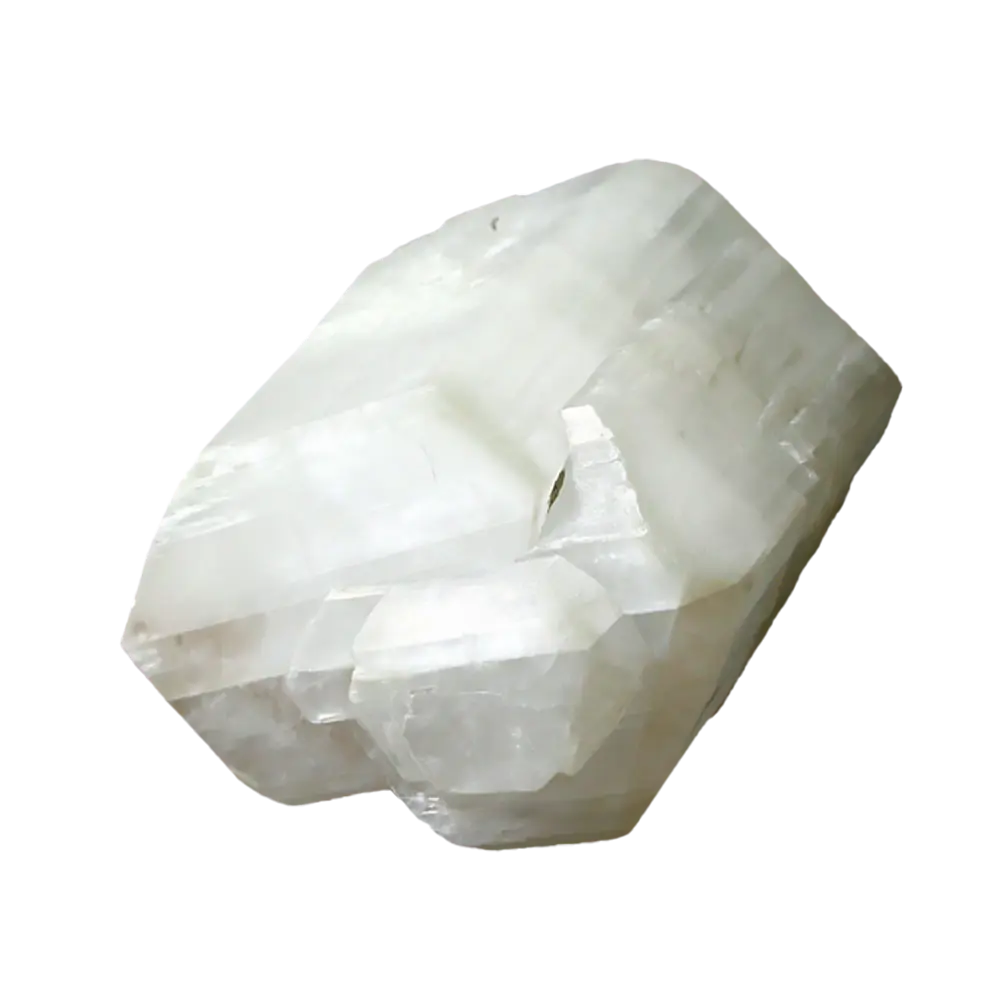
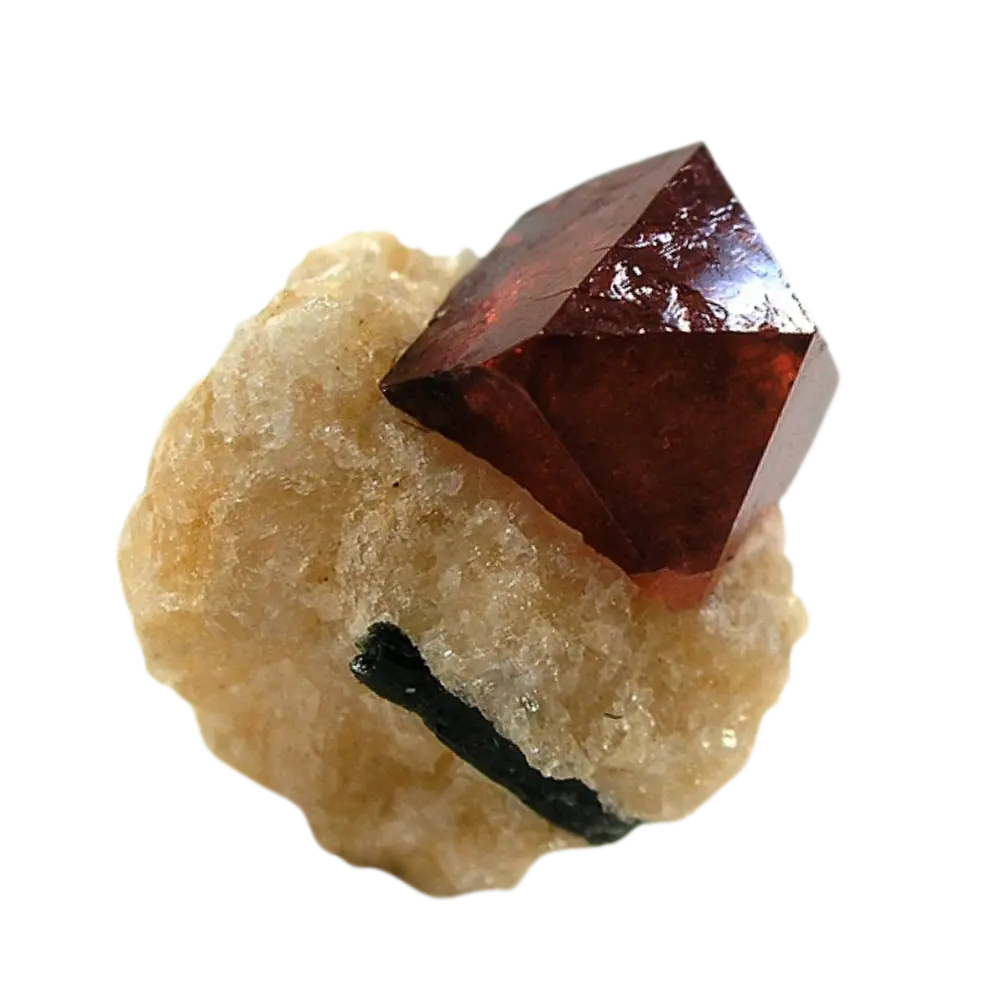
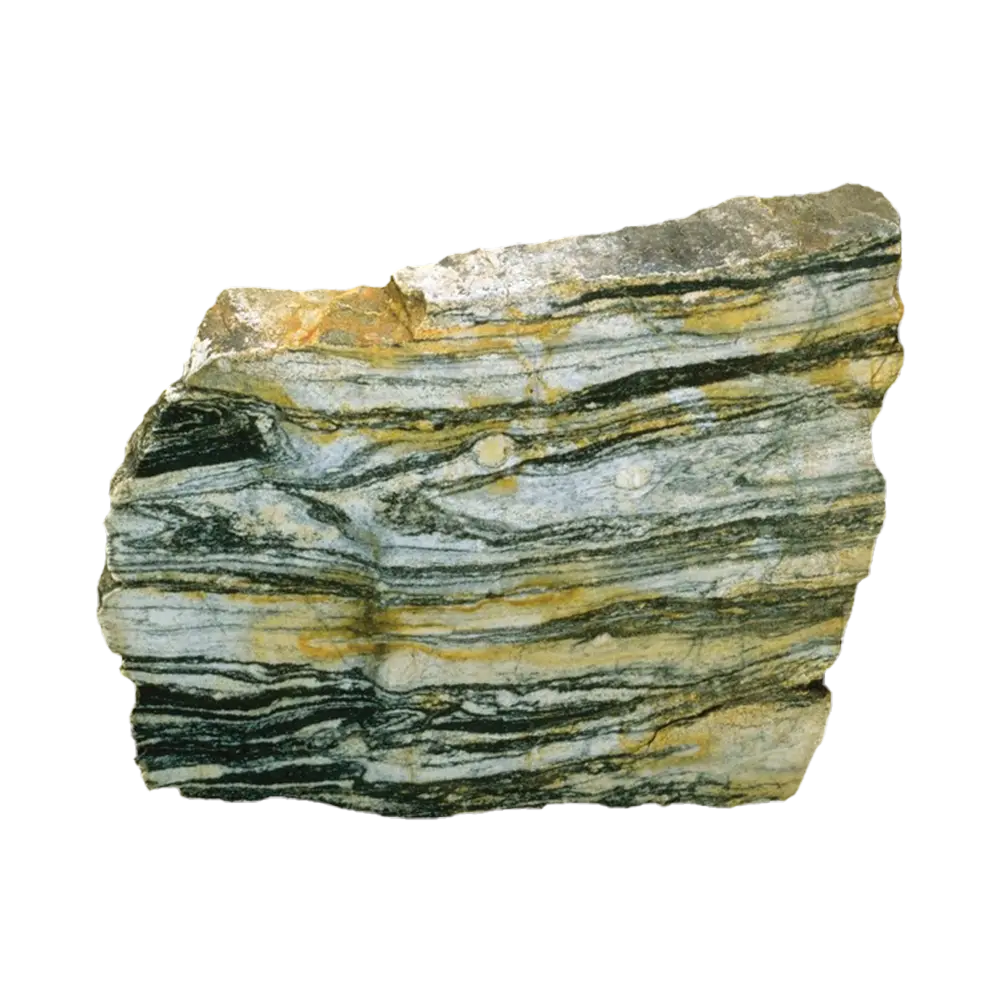
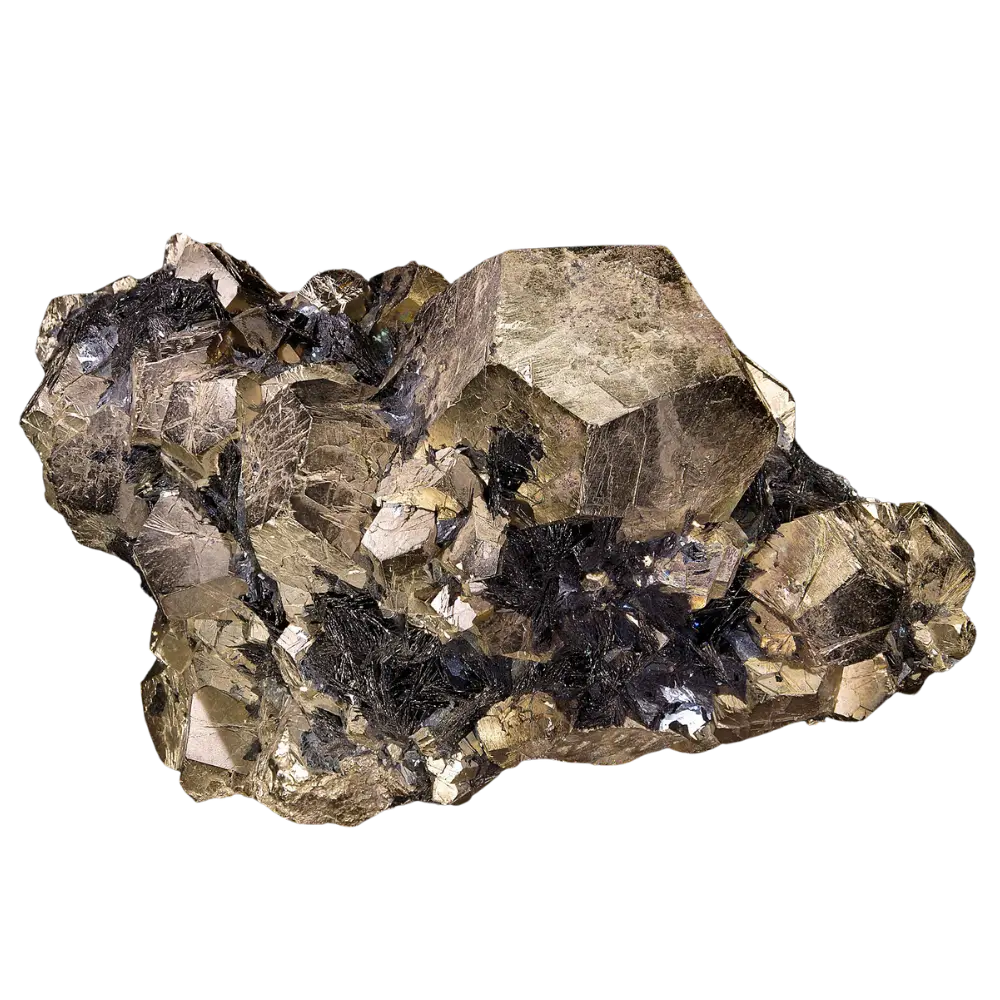
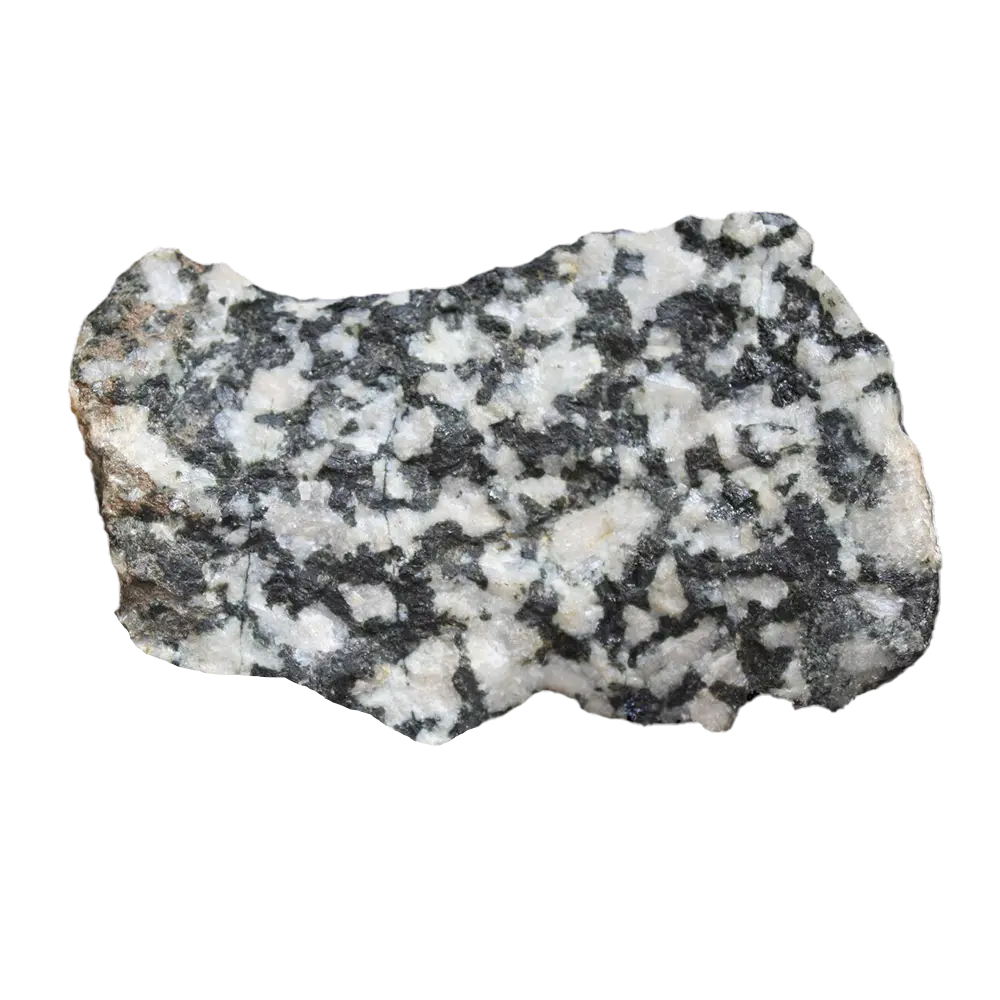
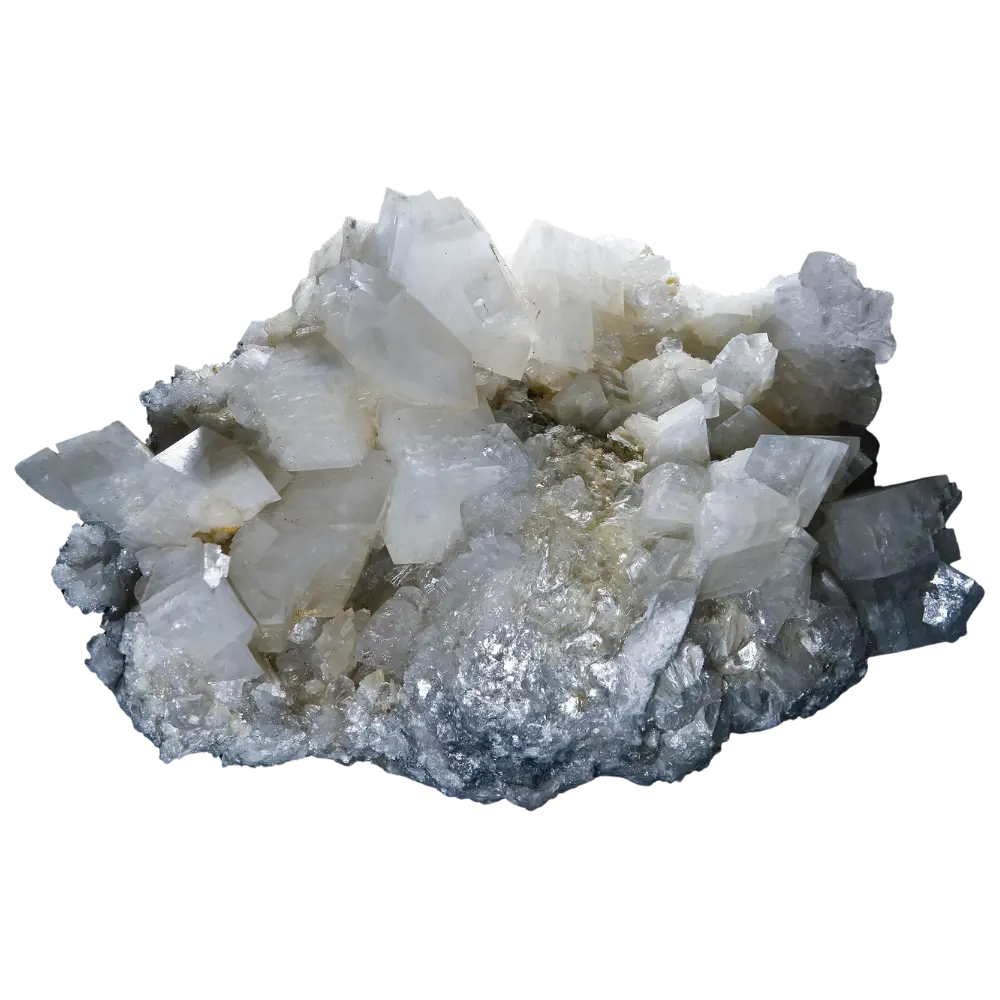
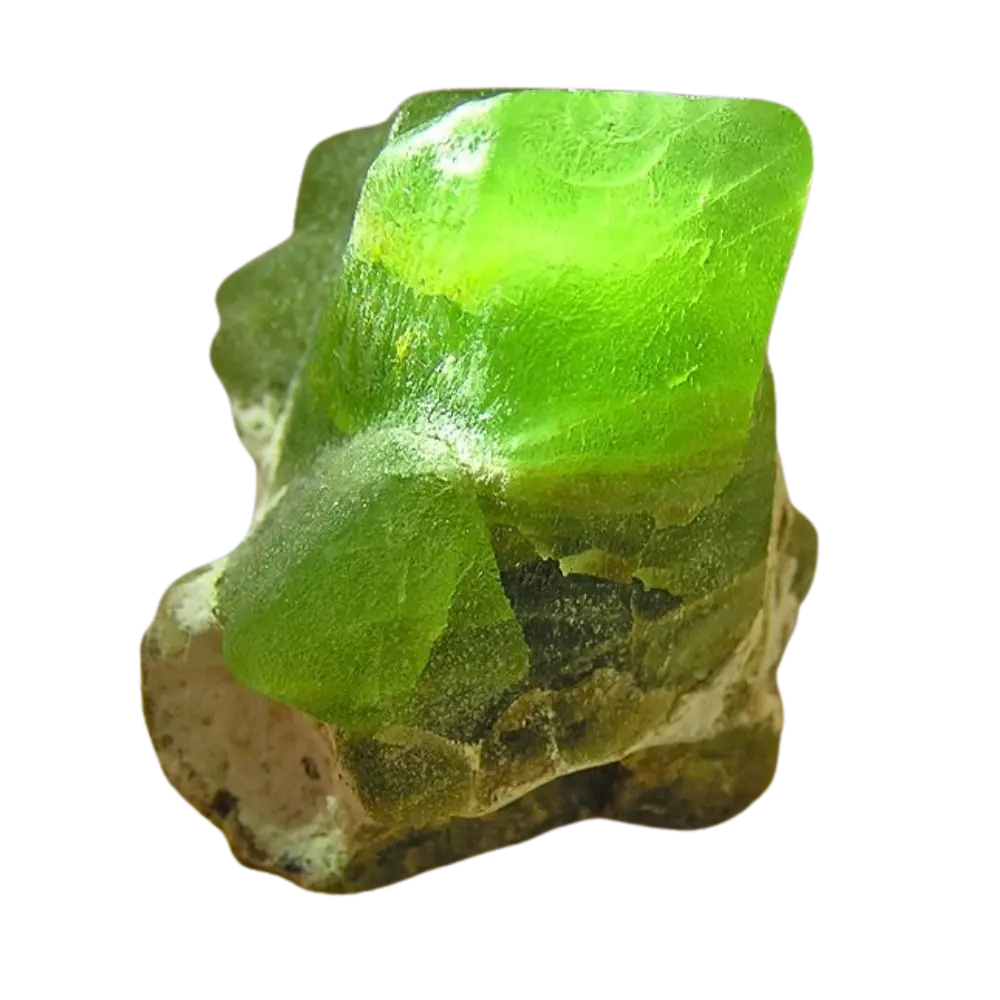
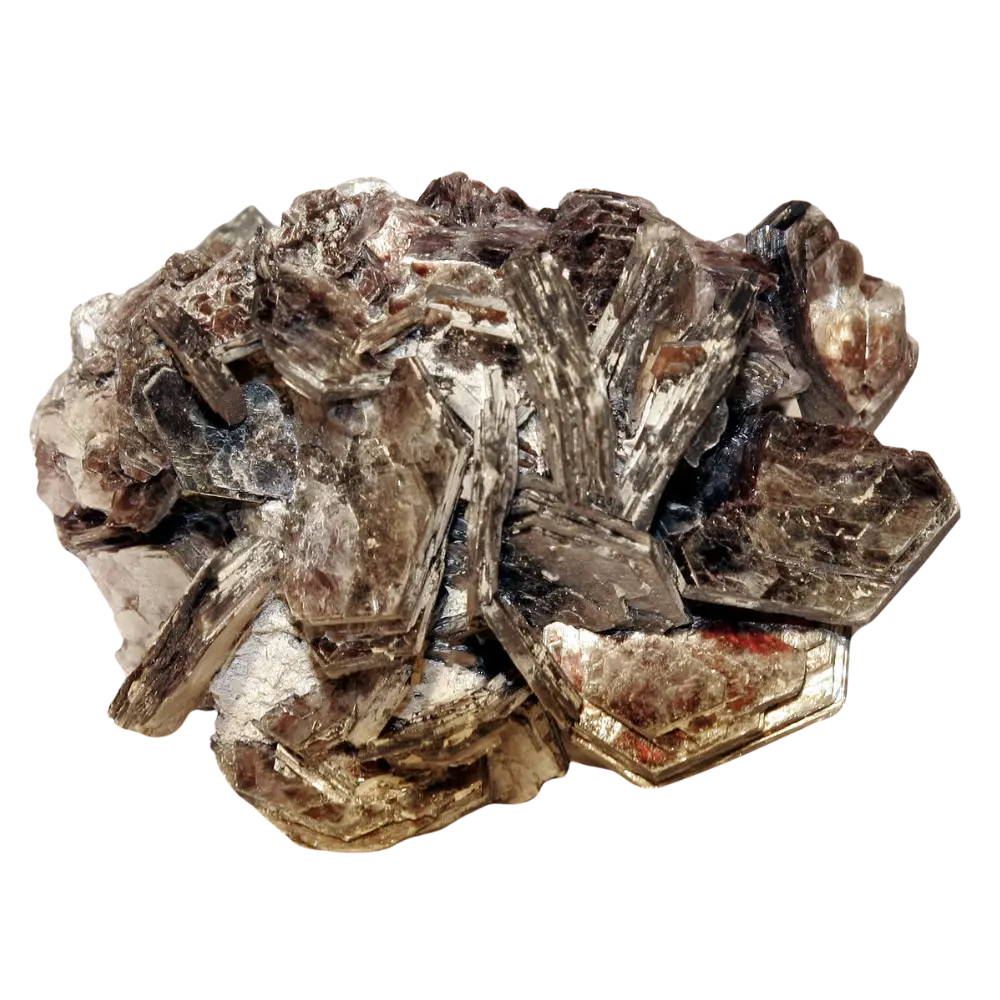
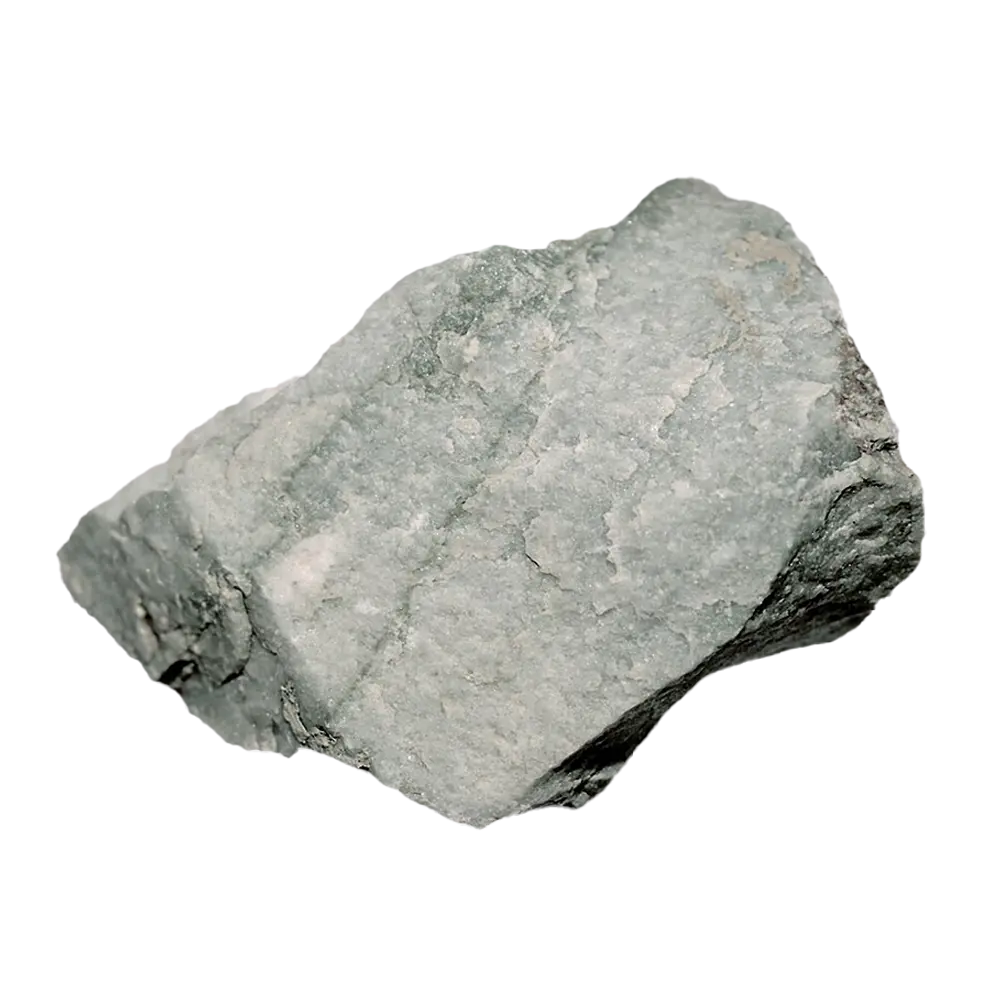
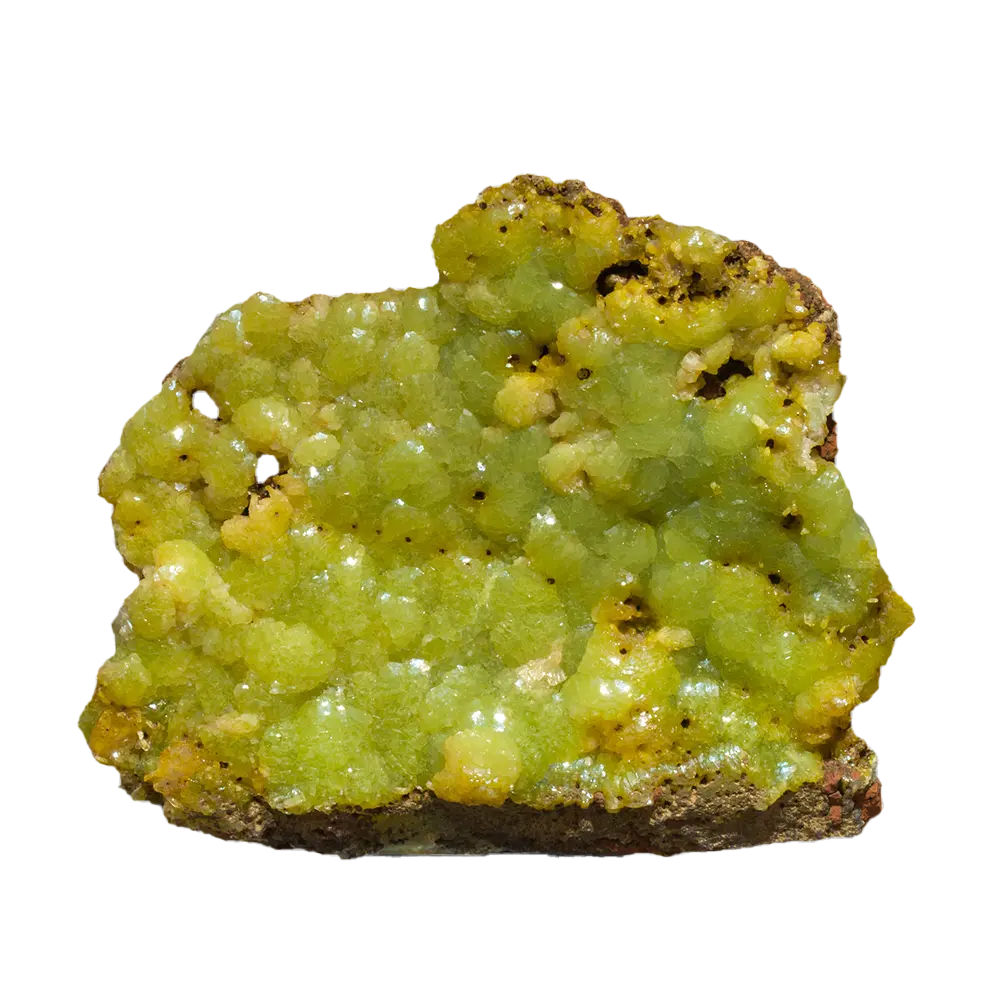
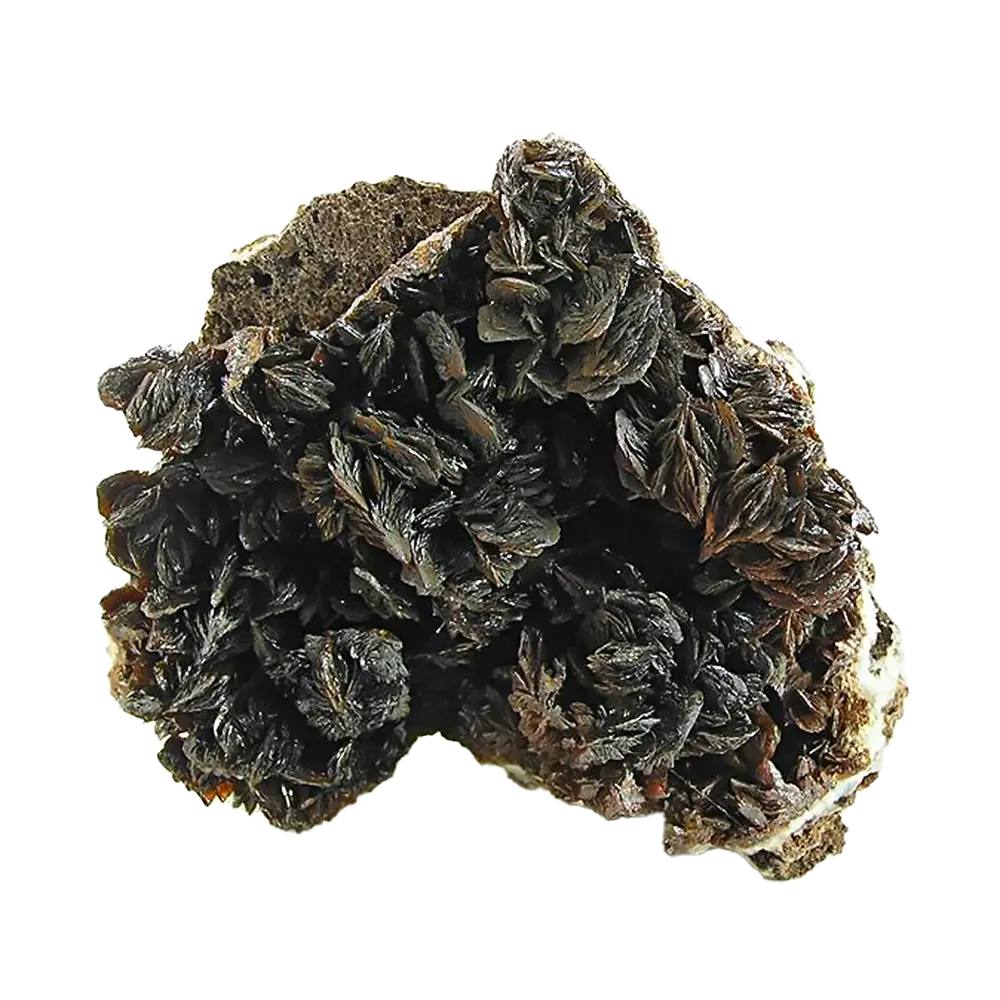
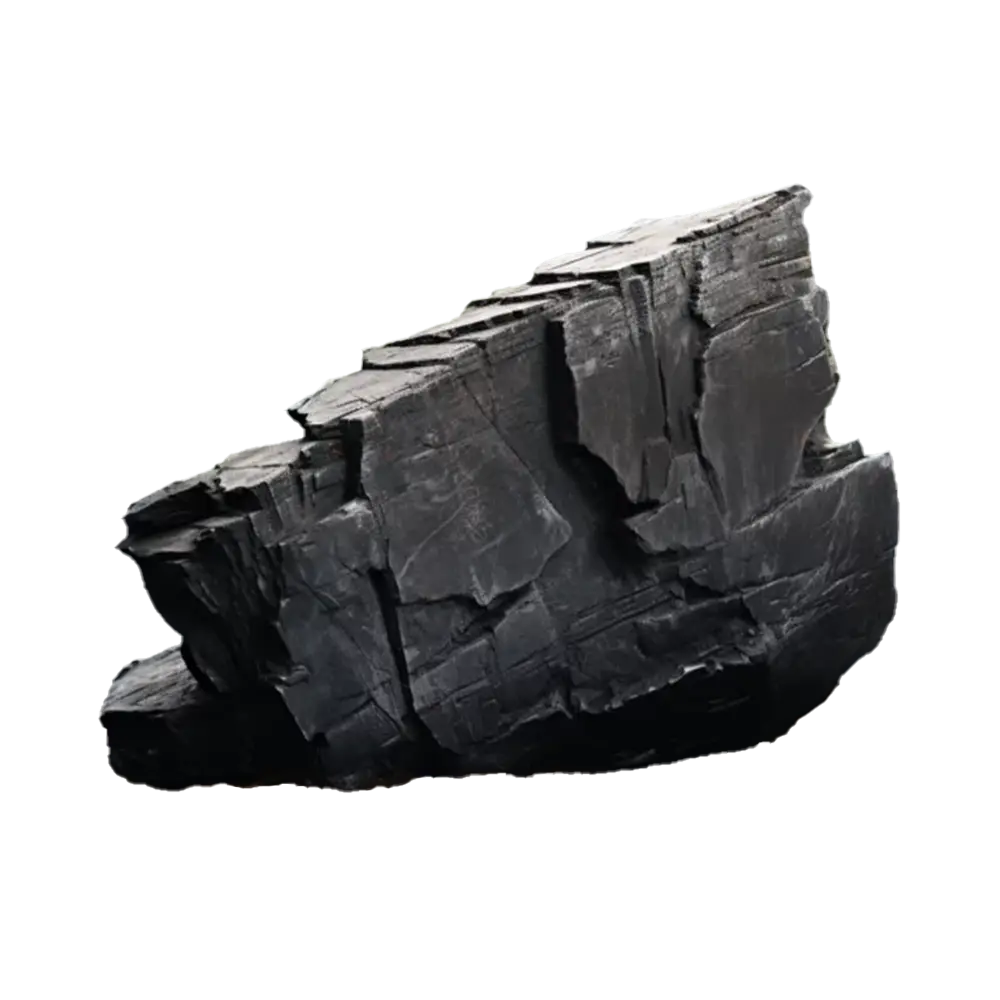

The big blue rock. That’s what a lot of people call the Earth. However, it’s not just one rock; it’s a stunning collection of diverse ecosystems built from countless unique materials, including a massive range of different minerals and stones. With that in mind, getting into amateur geology and rock identification can feel a little overwhelming. But it doesn’t have to be! All it takes is a little bit of guidance and the identification of rocks can be a straightforward, rewarding task.
This blog will offer some basic information about the art of rock identification, offering some printable flow charts and principles of proper practice, along with some examples of common rocks in the UK and how to recognise them.
Why rock identification doesn’t need to be complicated
Picking up an unfamiliar rock is almost a universal experience that many of us start doing from infancy, whether you’re walking along the Jurassic Coast, hiking in Snowdonia, sitting beside a Scottish river or exploring your local beach. But the question that follows, “What rock is this?”, can feel surprisingly tricky.
The UK has remarkable geological diversity packed into a relatively small area. There are ancient metamorphic rocks in the Scottish Highlands, fossil-rich limestones in the Peak District, volcanic basalts in Northern Ireland and much more. This guide cuts through the confusion with an easy, practical system designed for absolute beginners, complete with:
- Clear photos and visual descriptions
- An identification flowchart
- Simple tests you can do at home
- Six key UK rock examples
- A checklist to narrow down identifications
By the end, you’ll be able to pick up almost any UK rock family and make a confident, evidence-based identification.
The three rock families (explained simply)
All rocks fit into one of three broad categories. Understanding these instantly makes identification easier.
1. Igneous rocks
Formed from cooled molten rock (magma or lava), often laden with visible crystals, bubbles and glassy textures, taking very hard forms.
2. Sedimentary rocks
These are stones built from layers of sediment compacted over millions of years, notable for their clear aesthetic grains, layers and fossils, along with their softness and chalkiness to the touch.
3. Metamorphic rocks
Rocks formed when existing rocks are changed by heat and pressure. The characteristics of metamorphic rocks are known for their clear banding (foliation), shiny surfaces, which take the form of hard, squashed or distorted textures.
Once you know which family your specimen belongs to, narrowing down the exact type becomes much easier.
Rock identification flowchart
We’ve put together this actionable flowchart, offering simple principles to follow when checking for the characteristics of sedimentary rocks, igneous rocks or metamorphic rocks.
1. Examine overall appearance
- Does the rock have visible layers, grains, or fossils?
- Yes → Go to 2 (Sedimentary Path)
- No → Go to 5 (Igneous/Metamorphic Path)
2. Sedimentary path
- Are fossils visible (shells, spirals, imprints)?
- Yes → Likely LIMESTONE or CHALK → Go to 3
- No → Go to 4
3. Limestone vs chalk
- Is it soft, white, and powdery?
- Yes → CHALK
No → Does it fizz strongly with vinegar?- Yes → LIMESTONE
- No → Return to Step 2 (reassess grains/layers)
- Yes → CHALK
4. Grain size & texture
- Is the surface gritty, like sandpaper?
- Yes → SANDSTONE
- No → Is it smooth, fine-grained, breaks into thin sheets?
- Crumbles easily → SHALE / MUDSTONE
- Tougher, dull → Possibly SILTSTONE
STOP → Sedimentary Rock Identified
5. Igneous / metamorphic path
- Does the rock look glassy, crystalline, or very dark?
- Yes → Go to 6 (Igneous)
- No → Go to 8 (Metamorphic)
6. Igneous path
- Are crystals visible and interlocking?
- Yes → Coarse-grained IGNEOUS → GRANITE or DIORITE
- Light minerals + pink/grey + quartz visible → GRANITE
- More dark minerals, salt-and-pepper look → DIORITE
- No → Go to 7
- Yes → Coarse-grained IGNEOUS → GRANITE or DIORITE
7. Fine-grained igneous
- Is the rock very dark (black/grey) and dense?
- Yes → BASALT
- Does it look glossy, glass-like, or have conchoidal fractures?
- Yes → OBSIDIAN
- Are there many small holes (vesicles)?
- Yes → SCORIA / PUMICE (if very light)
STOP → Igneous Rock Identified
8. Metamorphic path
- Does it exhibit clear banding or alignment of minerals?
- Yes → Go to 9
- No → Go to 10
- Yes → Go to 9
9. Banded metamorphic rocks
- Are bands thick, alternating light/dark?
- Yes → GNEISS
- Are bands thin, shiny, wavy with flaky minerals?
- Yes → SCHIST
- Yes → SCHIST
10. Foliated (layered) but not banded
- Does it split into thin sheets with a dull sheen?
- Yes → SLATE
- Is it slightly sugary-looking, reacts weakly with acid?
- Yes → MARBLE
STOP → Metamorphic Rock Identified
Summary decision points
- Layers or fossils → Sedimentary
- Crystals or glassy texture → Igneous
- Banded, shiny, or splits into sheets → Metamorphic
END OF FLOWCHART
Following this simple path is a surefire, guaranteed way to eliminate 80–90% of guesswork.
Practical tests you can do at home
You don’t need lab equipment to do rock identification tests; just things from around the house.
1. Hardness test (Mohs scale style)
Try scratching the rock with:
- A fingernail (hardness 2–2.5)
- A copper coin (3)
- A steel nail (5–5.5)
- Glass (5.5–6)
Soft rocks (chalk, shale, some limestones) scratch easily, whereas hard rocks (granite, quartzite, basalt) don’t.
2. Acid test (using vinegar)
Add a drop of ordinary vinegar to the stone, checking for a reaction.
- Bubbling/fizzing = limestone, chalk, marble.
- No reaction = most other rocks.
3. Streak test
Rub the rock on an unglazed tile or concrete.
- White powdery streak = chalk or soft limestone.
- No streak = typically igneous/metamorphic.
4. Magnet test
A household magnet can identify basalt or magnetite-bearing rocks.
Six key UK rock types (with descriptions & photos)
Here are six distinct rock types commonly found across the UK, each with clear identification tips and where they occur.
🌋 1. Granite (igneous)
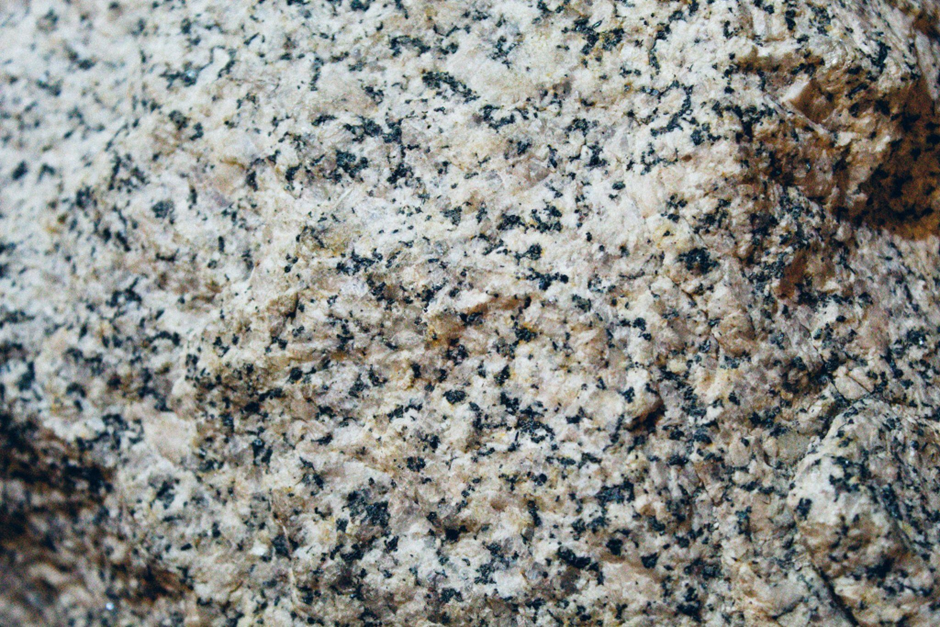
Photo of Granite by Brian Wangenheim
Where it’s found
- Dartmoor (Devon)
- Cairngorms (Scotland)
- Isles of Scilly
- Northern Ireland (various plutons)
How to identify granite
Appearance (as you’d see in photos):
- Speckled surface of visible crystals (often white, grey, pink, black).
- Interlocking grains, giving a “salt-and-pepper” look.
- Tough, heavy, extremely hard.
Texture: coarse, rough to the touch.
Hardness: very high (won’t scratch easily).
Clues: no fossils, no layers, no bubbles.
Why it matters
Granite forms deep underground and is one of the longest-lasting rocks, often used in buildings, monuments and kerbstones across the UK.
🦕 2. Limestone (sedimentary)
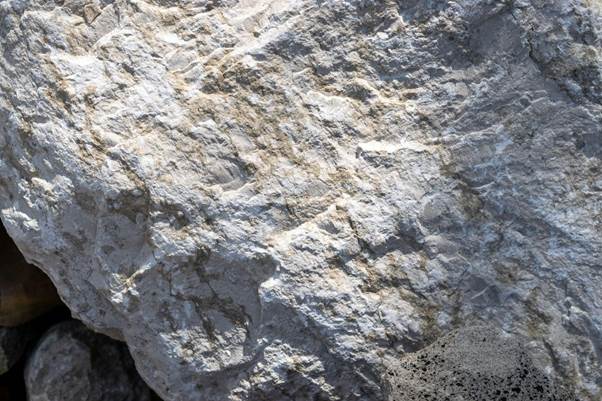
Photo of limestone by Kelsey Todd
Where it’s found
- Peak District
- Yorkshire Dales
- Mendip Hills
- Much of Northern Ireland (incl. Giant’s Causeway area cliffs)
Method used to identify limestone
Limestone can generally be identified through checking its appearance:
- Light grey to creamy beige.
- Visible fossils (shells, corals, trilobites).
- Sometimes looks sugary or grainy.
Texture: smooth, slightly powdery.
Acid test: fizzes strongly with vinegar.
Layers: often thinly bedded.
Extra tip
The UK’s limestone often contains stunning fossils, small spirals (ammonites), rings (crinoids) or shell impressions, making it a great rock for natural history enthusiasts.
🧱 3. Sandstone (sedimentary)
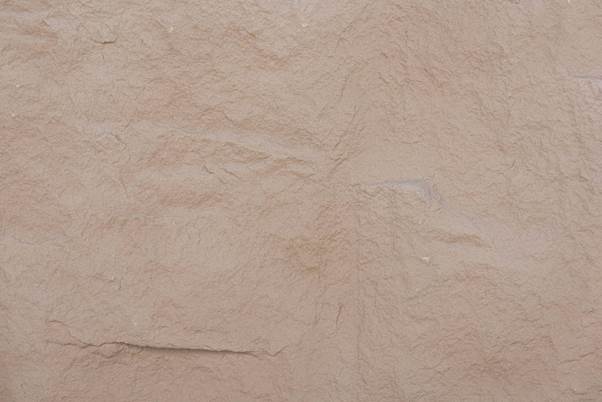
Photo of sandstone by Scarbor Siu
Where it’s found
- Northumberland
- Pennines
- Wales (Brecon Beacons)
- Devon and Dorset cliffs
Identification features
To identify sandstone by appearance, check for:
- Gritty, grainy surface.
- Colours vary: red (iron-rich), yellow, tan, grey.
- Clear layering (bedding planes).
Texture: like very fine sandpaper.
Hardness: medium; scratches easier than igneous rocks.
Clues: no fossils required, but often present.
Why it’s so common
Sandstone is one of the UK’s most widely used building materials – just look at old Victorian houses, castles and church walls.
🌑 4. Basalt (igneous)
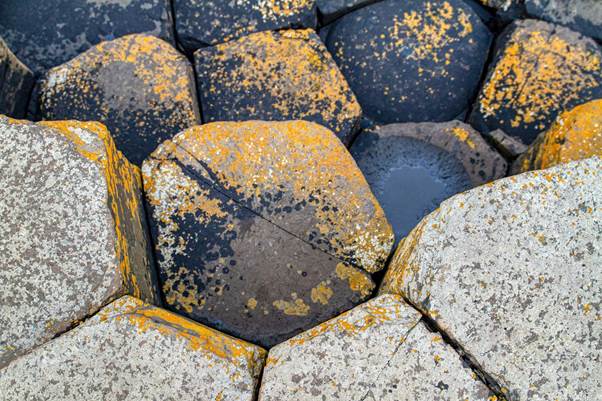
Photo of basalt at Giant’s Causeway by Mick Haupt
Where it’s found
- Giant’s Causeway (Northern Ireland)
- Isle of Skye
- Scotland’s volcanic regions
Identification features
Basalt rock has a distinct appearance and characteristics:
- Dark grey to black.
- Fine-grained; crystals often too small to see.
- Sometimes contains small gas bubbles (vesicles).
- Often forms columns (like at the Giant’s Causeway).
Texture: smooth, dense, heavy.
Hardness: high.
Magnet test: may have a weak magnetic response.
Fun fact
Basalt cools quickly from lava, which is why its crystals stay tiny.
🪨 5. Slate (metamorphic)
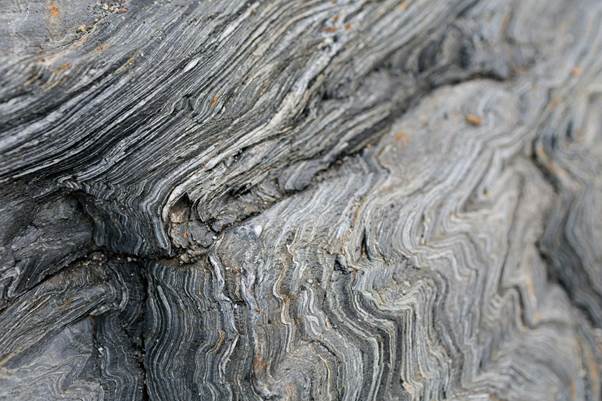
Photo of slate by Christian J.
Where it’s found
- Wales (Snowdonia, Blaenau Ffestiniog)
- Lake District
- Scotland (Argyll, Ballachulish)
Identification features
Slate rock can be spotted in these locations for its distinct appearance:
- Dark grey, blue-grey, greenish or even purple.
- Thin layers that split cleanly (cleavage planes).
- Slight sheen, and the surface may look faintly shiny.
Texture: smooth but slightly uneven.
Hardness: medium-high.
Clues: no obvious fossils (they’ve been flattened beyond recognition).
Why it’s distinctive
If your rock splits into neat, thin sheets, it’s almost certainly slate.
🌀 6. Chalk (sedimentary)
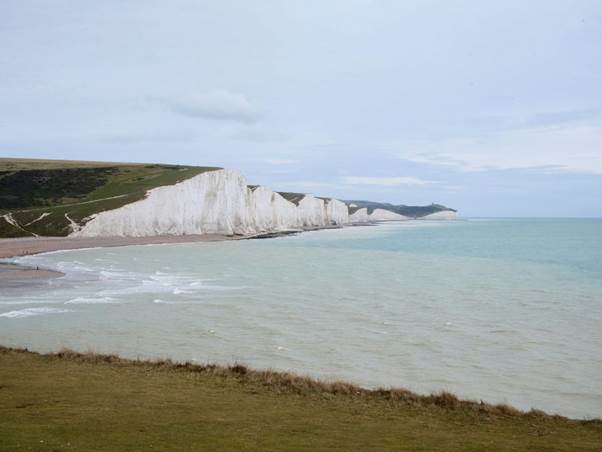
Photo of the chalk-based White Cliffs of Dover by Pepijn M
Where it’s found
- White Cliffs of Dover
- South Downs
- East Yorkshire
- Chiltern Hills
Identification features
You might know classroom chalk, but chalk rock has a different appearance:
- Pure white to off-white.
- Very soft, to the point of leaving white marks on fingers.
- May show tiny fossil shells (coccoliths).
Texture: powdery, smooth.
Hardness: very low; scratches with fingernail.
Acid test: fizzes intensely.
Bonus tip
Chalk’s softness makes it one of the easiest rocks to recognise instantly.
The ultimate rock identification checklist
Use this quick key every time you pick up a rock.
1. First impressions
- What colour is it?
- Does it sparkle, shine or look dull?
- Are there visible layers or bands?
2. Texture
- Smooth, gritty, glassy, or powdery?
- Can you see crystals? How big are they?
3. Hardness
- Can it scratch glass?
- Can you scratch it with a fingernail?
4. Fossils
- Any shells, spirals, bone shapes, or plant impressions?
- Even tiny fragments are helpful.
5. Layers or Cleavage
- Does it break into sheets? (Slate)
- Does it crumble into grains? (Sandstone)
- Does it form large blocks? (Igneous)
6. Reaction to Vinegar
- Fizzing = chalk, limestone, marble.
7. Weight
- Igneous rocks feel heavy and dense.
- Sedimentary rocks are often lighter.
Use this data to match the rock to the examples above.
Common mistakes beginners make (and how to avoid them)
1. Confusing limestone with sandstone
If in doubt, use the acid test. Limestone fizzes; sandstone doesn’t.
2. Thinking all grey rocks are the same
Grey is extremely common across all rock families. Focus on texture instead.
3. Ignoring the rock’s location
Place matters:
- Devon → granite or sandstone
- Northern Ireland → basalt
- Yorkshire Dales → limestone
- Wales → slate and volcanic rocks
4. Assuming fossils must be obvious
Many fossils are tiny or partially eroded.
5. Using wet rocks for identification
Water dramatically darkens colour and hides grain patterns.
Always dry your specimen before attempting to identify.
Advanced tips for confidence
1. Use a 10× hand lens
Cheap and incredibly helpful for examining grains and crystals.
2. Learn to recognise “crystalline vs. clastic”
- Crystalline = interlocking minerals (granite, basalt, gneiss).
- Clastic = small fragments or grains (sandstone, shale).
3. Don’t rely on colour alone
Geology loves to surprise—use tests and texture.
4. Photograph rocks in natural light
If you’re cataloguing finds, daylight photos reveal details much better.
Quick comparison table
| Rock Type | Family | Key Clues | Hardness | UK Locations |
| Granite | Igneous | Crystals, speckled, very hard | High | Dartmoor, Cairngorms |
| Limestone | Sedimentary | Fossils, fizzes in acid | Low-medium | Peak District, Dales |
| Sandstone | Sedimentary | Gritty, layered | Medium | Northumberland, Wales |
| Basalt | Igneous | Dark, dense, very fine crystals | High | Giant’s Causeway |
| Slate | Metamorphic | Splits into sheets, dull sheen | Medium-high | Wales, Lakes |
| Chalk | Sedimentary | Pure white, soft, powdery | Very low | South Downs, Dover |
You can identify rocks, now go out and try
Armed with the flowchart, the simple tests and the six classic UK examples, you’re now ready to identify almost any rock you come across. Rock identification isn’t mysterious; it’s a set of clues, textures, reactions and visual patterns.
Next time you pick up a stone, start with:
- Is it igneous, sedimentary, or metamorphic?
- What are the textures and grains telling me?
- Which of the six UK examples does it most resemble?
Best of all, exploring rock identification also places you in plenty of sites of natural beauty, with the exploration being a massive part of the fun. For more insights into the world of Rocks, visit the Geoscopy Instagram today!