







Introduction
Just before 11 p.m. on 8 September 2023, security cameras around Marrakech and the towns below the High Atlas captured something they were never meant to record. A pale blue glow pulsed along the horizon: an earthquake light, though almost no one watching knew the term. Seconds later the ground heaved. A magnitude 6.8 earthquake on a previously unmapped fault beneath the High Atlas flattened mountain villages and killed at least 2,946 people, according to Morocco’s Interior Ministry. Within hours the clips were circulating worldwide, and viewers asked a question seismologists have wrestled with for more than a century: what makes the sky glow before the ground moves?
The flashes seen over Morocco belong to a category scientists call earthquake lights, or EQL. Reports of them reach back to antiquity. For most of that history, researchers filed them alongside sea serpents and omens. That began to change as cameras spread into every pocket and onto every street corner.

What Are Earthquake Lights?
Earthquake lights are luminous phenomena reported in the hours, minutes, or seconds around an earthquake. The U.S. Geological Survey describes them as “sheet lightning, balls of light, streamers, and steady glows.” Witnesses and researchers have catalogued more specific forms: globular luminous masses that hang in place or drift, broad atmospheric illuminations, and flame-like luminosities that appear to issue from the ground.
In the landmark 2014 survey published in Seismological Research Letters, the lights “most commonly appeared as globular luminous masses, either stationary or moving, as atmospheric illuminations or as flame-like luminosities issuing from the ground.” Colors run from white through electric blue to pink-purple. Most EQL appear before and during an earthquake. They rarely appear afterward, a timing pattern that points the science toward the build-up and release of stress rather than the aftermath.
They are also rare. The 2014 study estimates that the conditions for visible lights exist in fewer than 0.5 percent of earthquakes worldwide. Distance varies enormously. The 2014 study found the lights could be seen far from the rupture; as CNN reported on 14 September 2023, citing that work, the phenomenon “was visible up [to] 600 kilometers (372.8 miles) from the quake epicenter.”
A Phenomenon Dismissed for Centuries
The written record is long. The Irish engineer Robert Mallet, often called the founder of seismology, compiled a five-part catalog of earthquake phenomena spanning 1606 B.C. to 1842 A.D., and it is dense with reports of luminosities. In 1910 the Italian priest and natural scientist Ignazio Galli published a classification of luminous phenomena observed during earthquakes. Before the great San Francisco earthquake of 18 April 1906, a couple roughly 100 km to the northwest reported “streams of light” running along the ground on two consecutive nights.
For generations, none of this counted as evidence. Eyewitnesses were unreliable, the lights were brief, and nothing was on film. The turning point came with the Matsushiro earthquake swarm in central Japan between 1965 and 1967, the first earthquake sequence in which the luminous phenomena were photographed. The images are credited to a local amateur photographer, while Yutaka Yasui of the Kakioka Magnetic Observatory catalogued and analyzed the reports in papers published in 1968 and 1971. The photographs gave the field its first hard documents, though not without dispute: the seismologist Tsuneji Rikitake and others later suggested some of the Matsushiro images might be forgeries.
Then came surveillance video and the smartphone. Pisco in 2007, L’Aquila in 2009, Mexico in 2017 and 2021, Morocco in 2023, each event arrived with footage. As the Peruvian physicist Juan Antonio Lira Cacho put it to CNN, “Forty years ago, it was impossible. If you saw them nobody would believe what you saw.” The cameras did not prove the physics, but they forced the question back onto the table.
What the 2014 Study Found
In January 2014, four researchers published “Prevalence of Earthquake Lights Associated with Rift Environments” in Seismological Research Letters (volume 85, issue 1, pages 159–178). The authors were Robert Thériault and France St-Laurent, the physicist Friedemann T. Freund, and the seismologist John S. Derr. They combed centuries of literature, discarded reports with plausible non-seismic origins such as smoke from the ground or lunar halos, and narrowed the field to 65 of the best-documented EQL cases in the Americas and Europe since 1600 A.D.
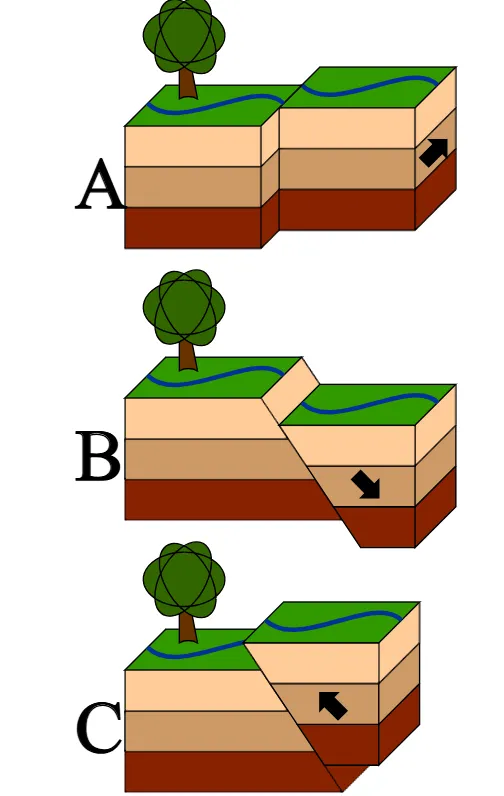
The spatial result was lopsided. About 85 percent of the cases appeared on or near rifts, and 63 of the 65, 97 percent, sat adjacent to a subvertical fault: a rift, a graben, a strike-slip or a transform fault. The contrast with ordinary seismicity is what makes the finding strange. Intraplate faults account for just 5 percent of the planet’s seismic activity, yet they hosted 97 percent of the documented earthquake lights. The 65 earthquakes ranged in magnitude from M3.6 to M9.2, and “80 percent were greater than M 5.0.”
“The numbers are striking and unexpected,” said Thériault, a geologist with the Ministère des Ressources Naturelles of Québec. The geometry is the clue. Subvertical faults run almost straight up toward the surface. As Thériault explained, “unlike other faults that may dip at a 30-35 degree angle, such as in subduction zones, subvertical faults characterize the rift environments in these cases.” A steep fault offers a short, near-vertical path for whatever travels from the stressed rock to the open air.
The Leading Explanation: Stressed Rock That Generates Electricity
The most developed physical hypothesis comes from Friedemann Freund, who has held appointments at NASA Ames Research Center, the SETI Institute, and San Jose State University. His claim is blunt: squeeze the right rock hard enough, fast enough, and it turns into a battery.
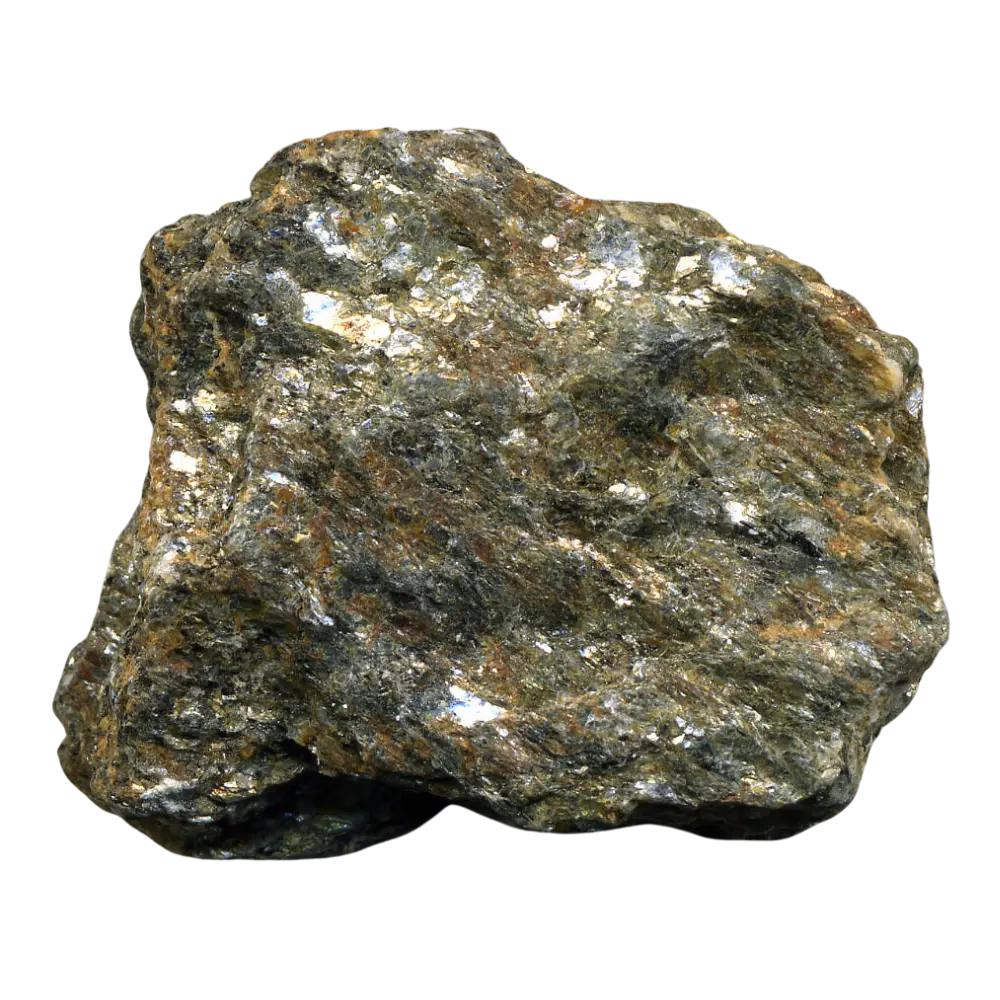
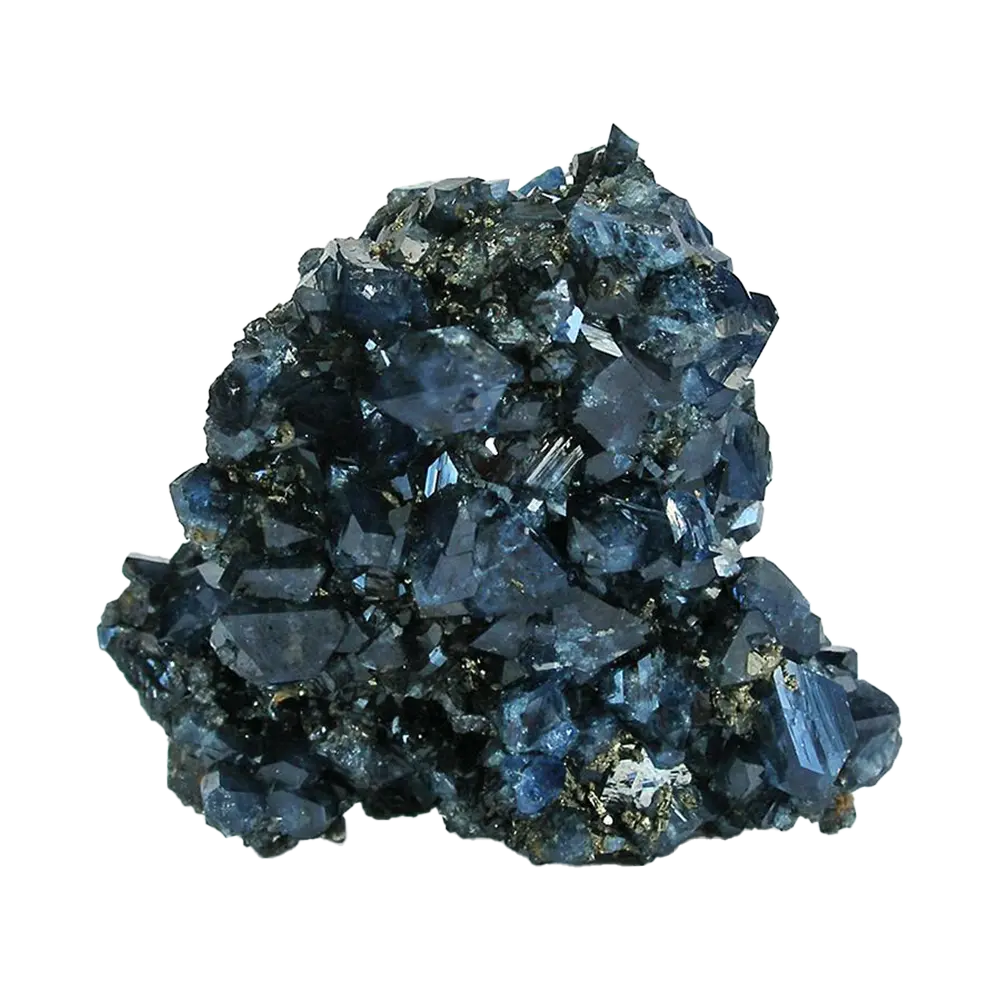
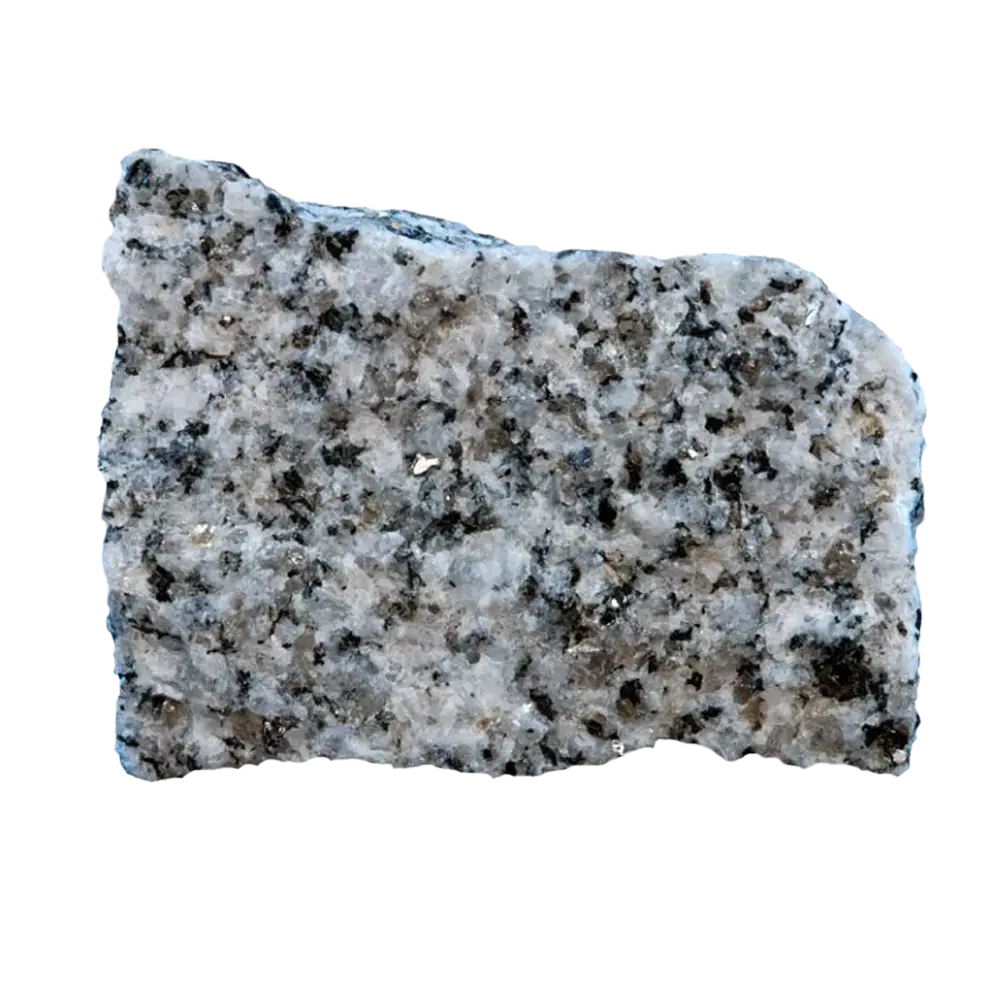
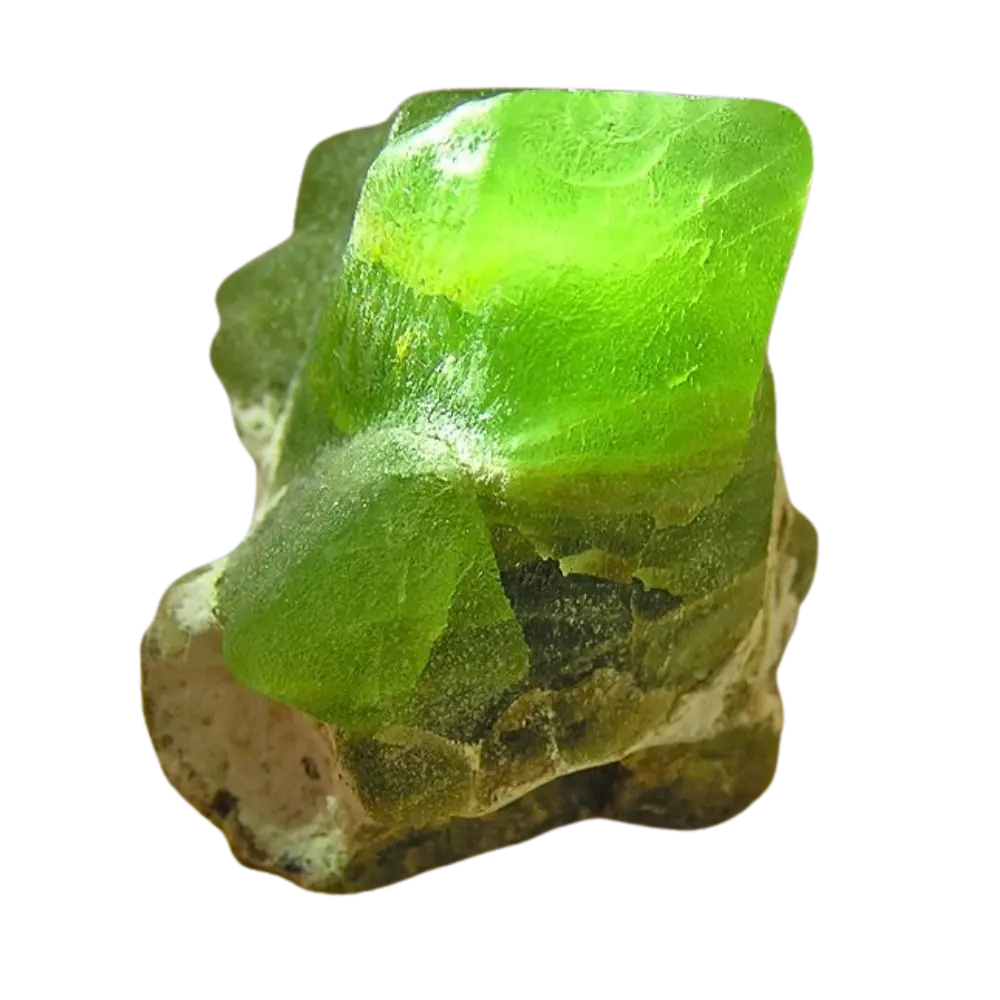
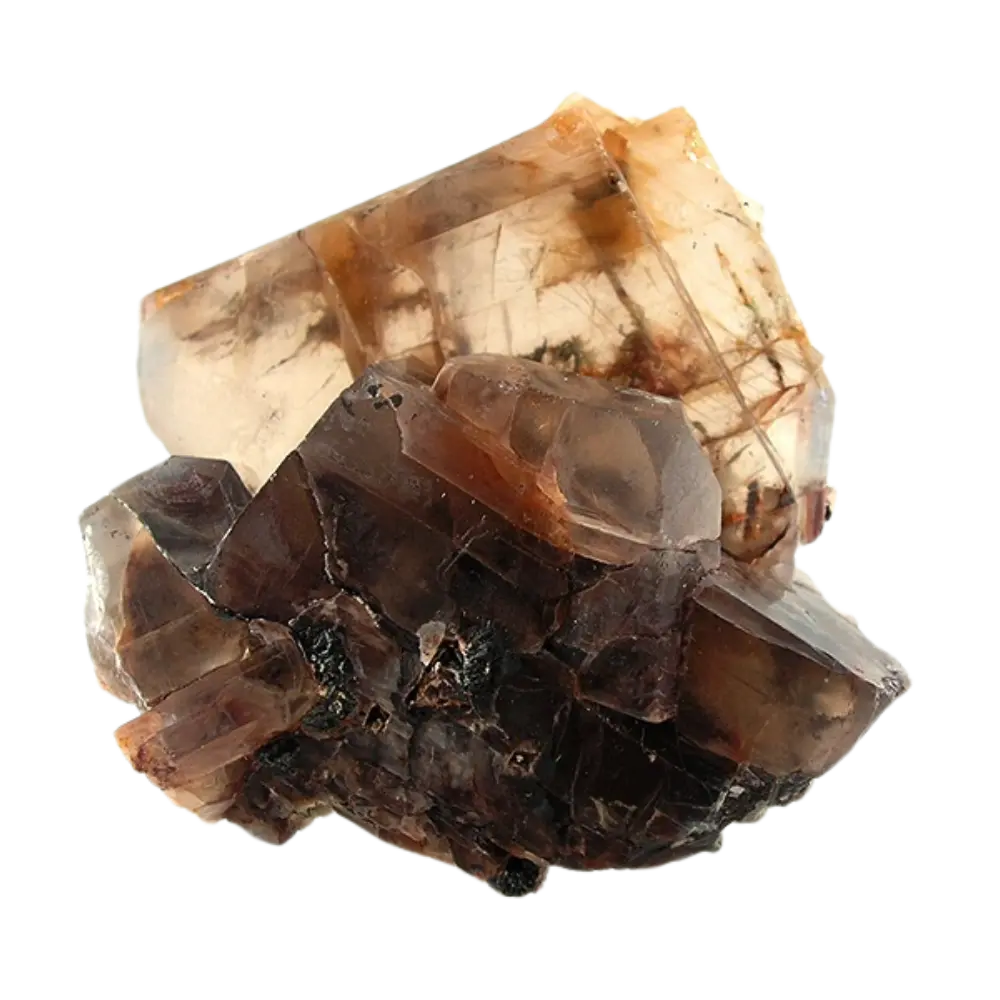
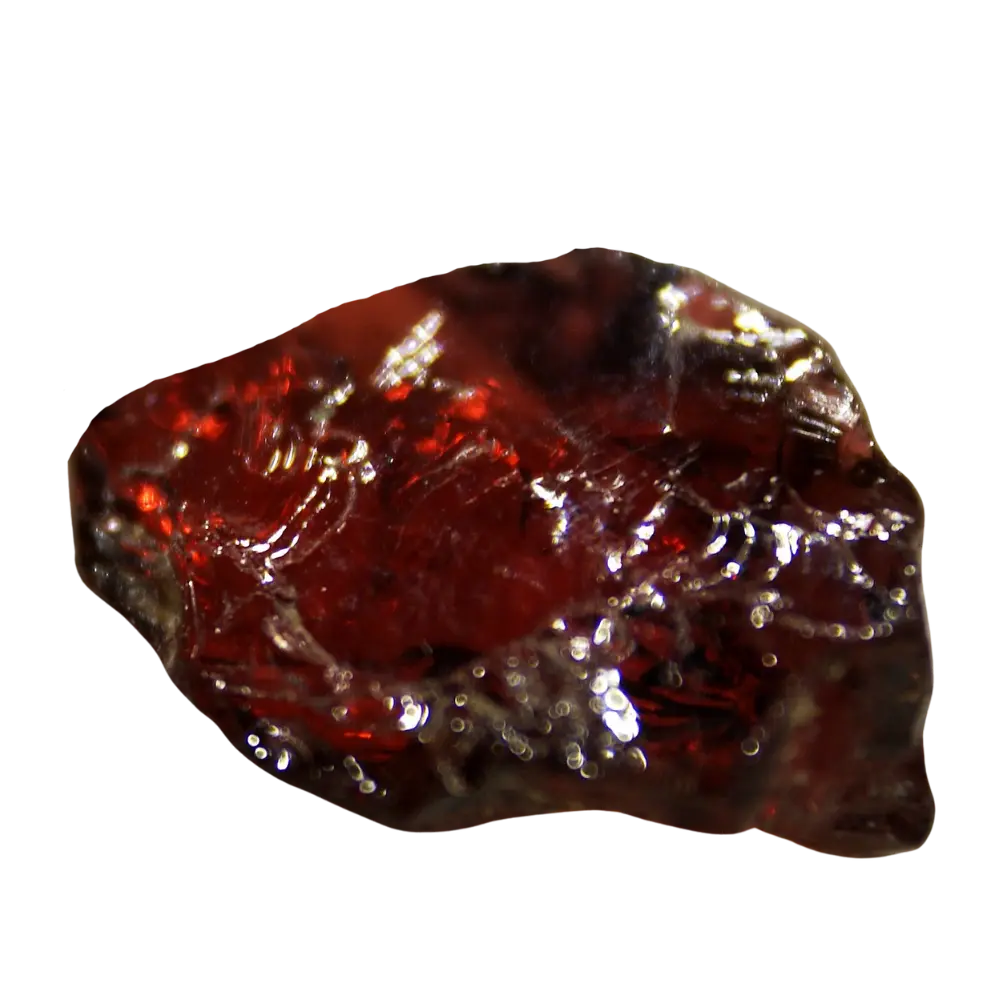
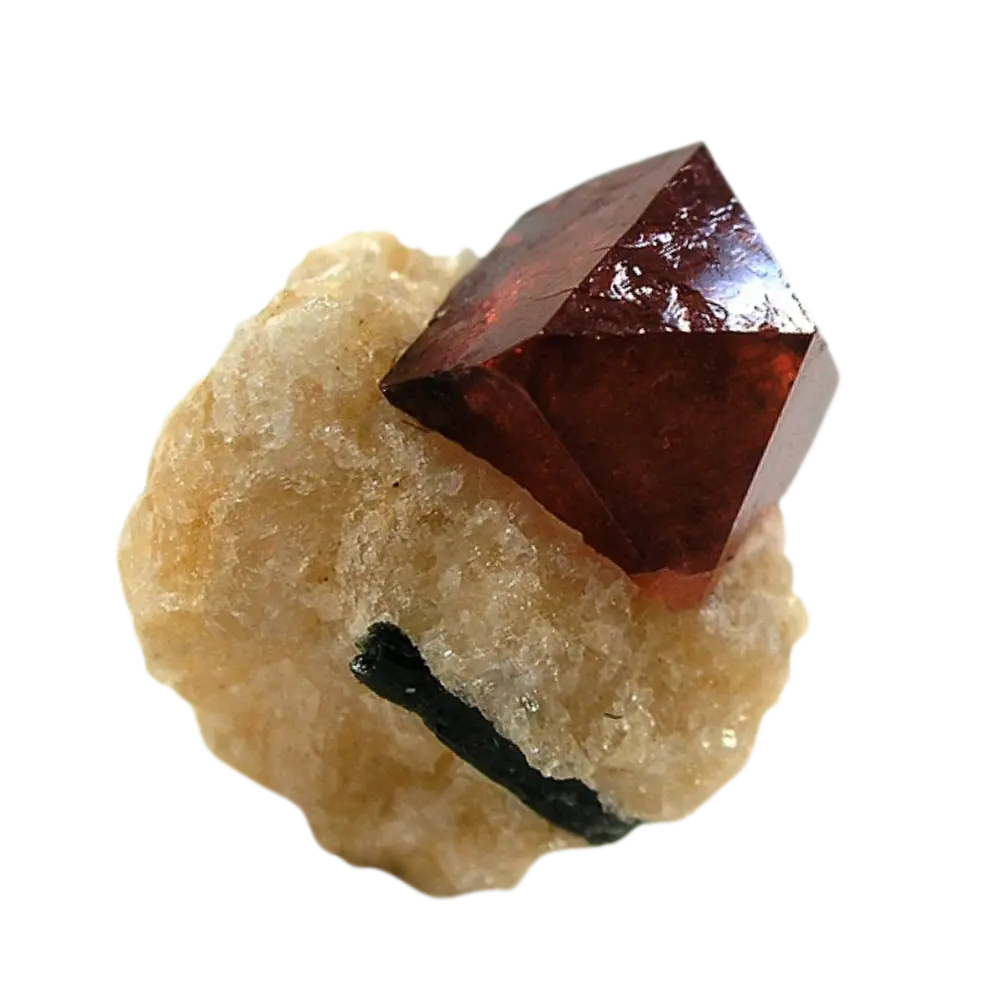
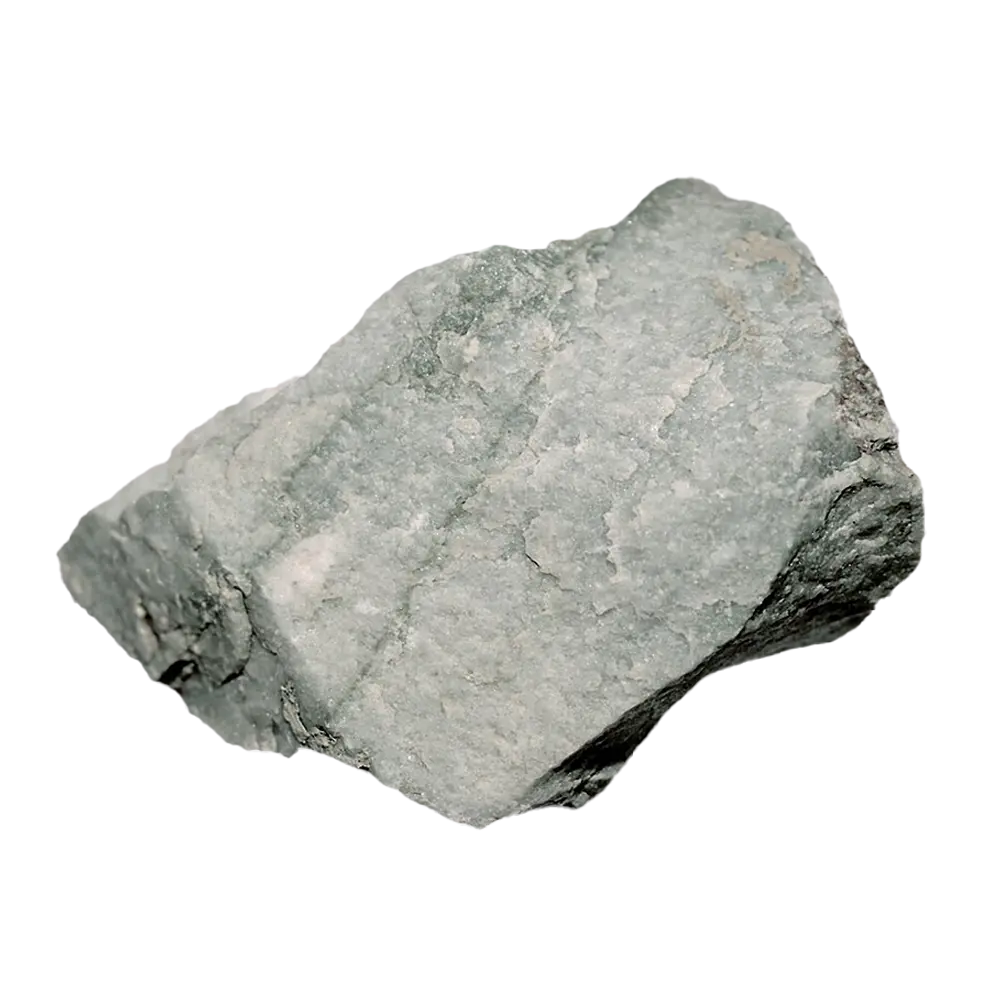
The mechanism rests on a defect that is everywhere in the crust. In St-Laurent, Derr & Freund (2006), the team wrote that “earthquake-related luminous phenomena (also known as earthquake lights) may arise from (1) the stress-activation of positive hole (p-hole) charge carriers in igneous rocks and (2) the accumulation of high charge carrier concentrations at asperities in the crust where the stress rates increase very rapidly as an earthquake approaches.” In plain terms: oxygen atoms in common minerals are normally paired off in dormant “peroxy” bonds. Stress snaps those bonds and frees mobile charge carriers, called positive holes.
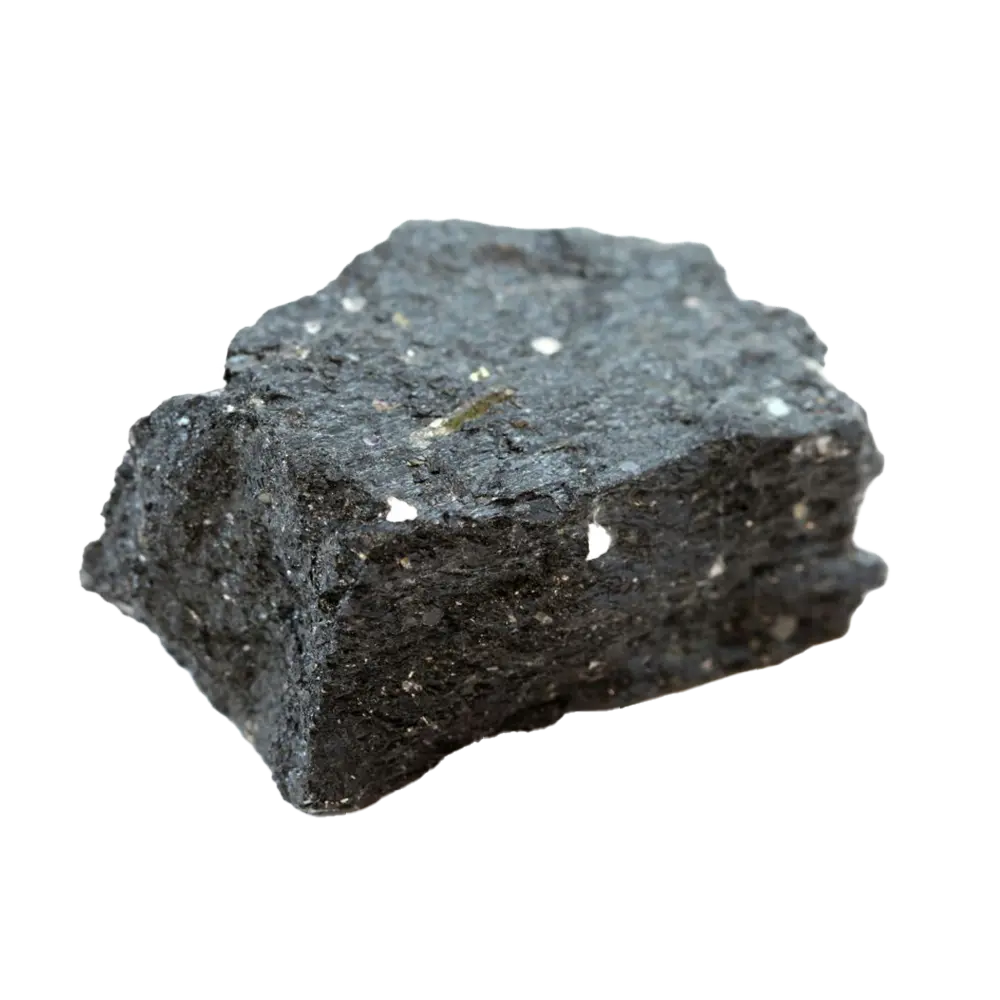
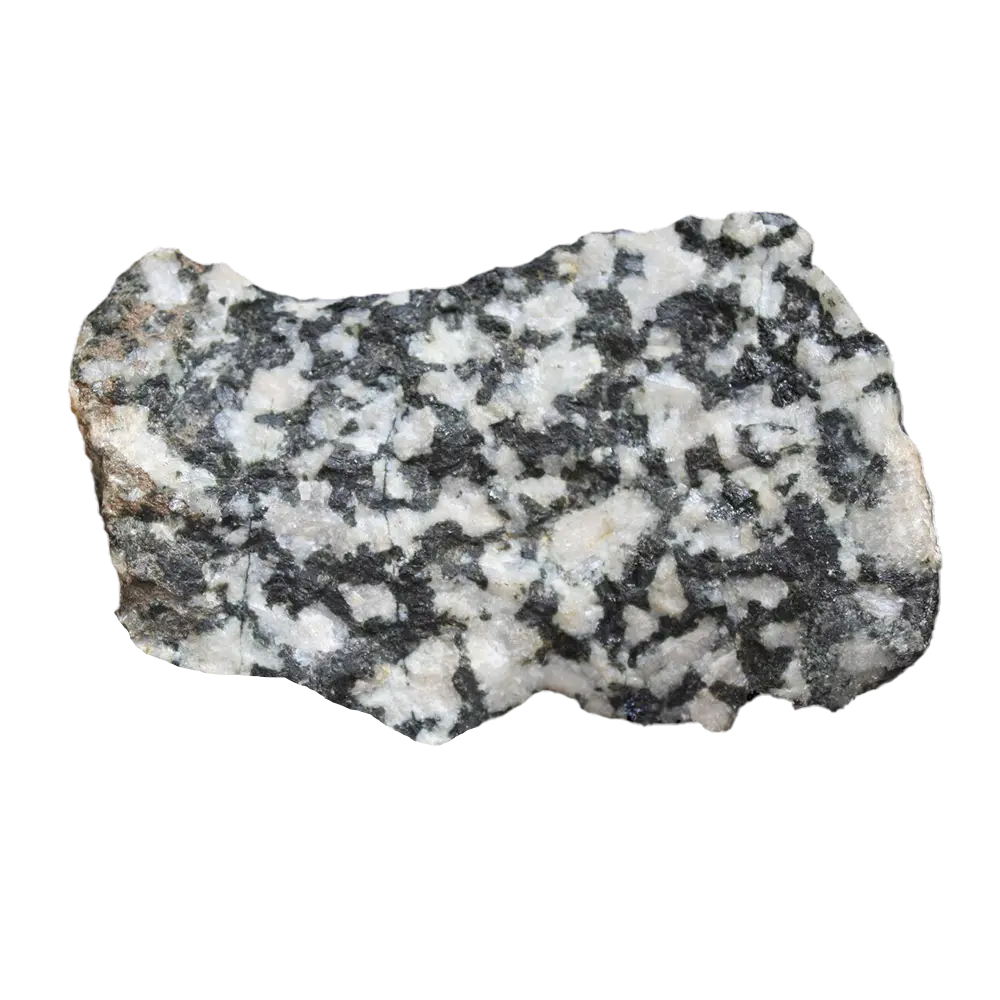
Those charges flow. “When nature stresses certain rocks, electric charges are activated, as if you switched on a battery in the Earth’s crust,” Freund told National Geographic. Writing in The Conversation in 2014, he described the speed: “The charges travel fast, at up to around 200 metres per second.” Where the charge cloud reaches the surface it can ionize the air and glow. Freund identifies basalts and gabbros, dense, iron-rich igneous rocks, as the most productive. The fuller physics appears in Freund’s 2002 paper in the Journal of Geodynamics and his 2010 synthesis in Acta Geophysica.
The theory is elegant, and it ties the lights to the same charge that could explain other reported pre-quake signals. But it has weak spots. The laboratory experiments generate measurable currents but not the sustained, visible light seen in the field. And if stressed igneous rock is common, the rarity of the lights demands an extra ingredient, the rapid, localized stress spike at an asperity that the theory invokes but cannot yet predict.
L’Aquila, Italy, 6 April 2009
Seconds before the magnitude 6.3 earthquake struck the Abruzzo region, a witness standing in the Duomo square saw small flames, about 10 centimeters tall, flickering a few centimeters above the cobblestones of Viale Francesco Crispi in the historic center. The light was dull and lasted several seconds. Cristiano Fidani, in a 2010 paper in Natural Hazards and Earth System Sciences, assembled a catalog of 241 luminous phenomena around the sequence, at least 99 of them before the main shock. Thériault has highlighted one account: a resident who saw flashes from inside his home two hours before the main shock and moved his family outside to safety, “one of the very few documented accounts of someone acting on the presence of earthquake lights.”
Saguenay, Québec, November 1988
On 12 November 1988, witnesses reported a bright pink-purple globe of light moving through the sky along the St. Lawrence River near Quebec City. Eleven days later, on 25 November, a magnitude 5.9 earthquake struck the Saguenay region. France St-Laurent documented the full sequence in Seismological Research Letters in 2000 (volume 71, pages 160–174), drawing on 46 reports detailed enough for analysis. The earliest luminous sighting came 25 days before the main shock, a span the authors read as the slow build-up of regional stress.
Pisco, Peru, 15 August 2007
As the magnitude 8.0 earthquake struck, a naval officer saw pale blue columns of light bursting out of the water four times in succession, caught on security cameras. A seismometer record collected at the same site allowed researchers to fix the exact timing of the light outbursts against the ground motion, a rare pairing of luminous and instrumental data.
The Competing Explanations
No single mechanism is accepted. Freund’s positive-hole model is the most ambitious, but it competes with older ideas and with prosaic explanations confirmed again and again.
Frictional heating came first as a serious physical model. In 1983, D.A. Lockner, M.J.S. Johnston and J.D. Byerlee argued in Nature (volume 302, pages 28–33) that earlier explanations “failed to show how large charge densities can be concentrated and sustained in a conductive Earth,” and proposed instead a model based on frictional heating of the fault. The piezoelectric idea is older still: in 1973, David Finkelstein, R.D. Hill and James R. Powell laid out a piezoelectric theory of earthquake lightning, the notion that quartz-bearing rock generates voltage when squeezed. A 2014 laboratory study complicated both: grains of flour, plastic disks, and plaster produced voltage spikes simply when shaken, an effect the authors traced to friction between grains rather than to crystal structure.
Then there is the unglamorous truth the USGS keeps front and center. Some reported lights are not geophysical at all. They are the power grid failing. Arcing lines and exploding transformers throw bright flashes during strong shaking, and these have repeatedly been mistaken for something deeper.
Tangshan, China, 28 July 1976
The Tangshan earthquake hit at 3:42 a.m. local time and ruptured a vertically dipping, northeast-trending strike-slip fault, the subvertical geometry the 2014 study flagged. Witnesses far from the city described a colorful, flashing light display in the sky. It remains one of the deadliest earthquakes ever recorded; the toll was, in Encyclopaedia Britannica’s words, “officially reported as 242,000 persons, but it may have been as high as 655,000.”
Mexico City, 2017 and 2021
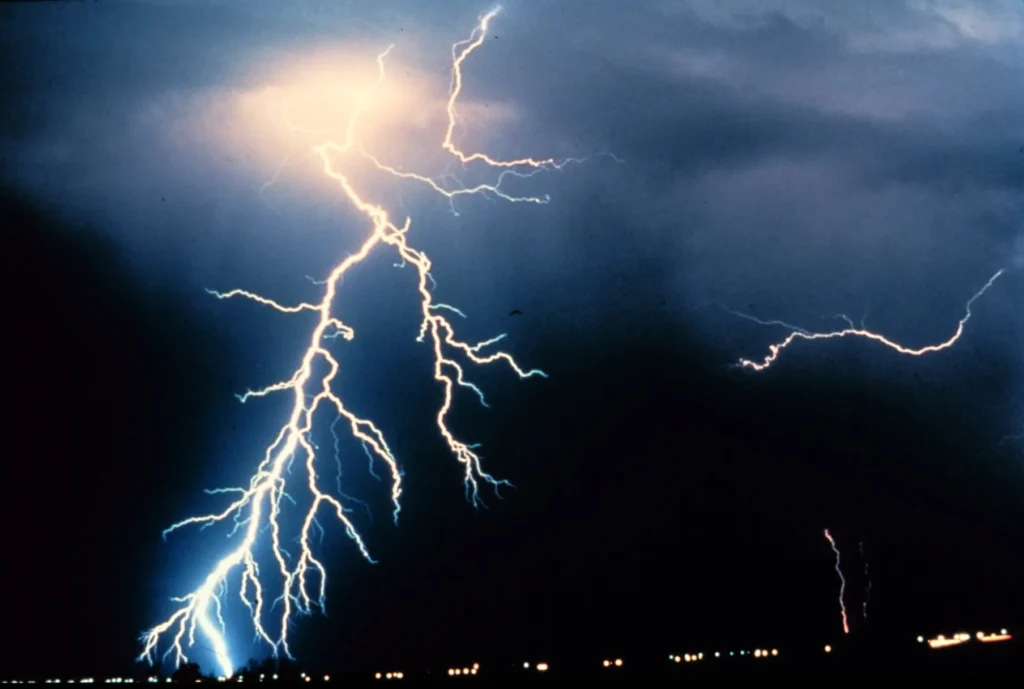
Mexico has produced two of the most-shared light videos and one of the clearest cautionary tales. After the magnitude 8.1 Chiapas earthquake of 8 September 2017, footage of flashing skies over the capital spread quickly. The September 2021 Guerrero earthquake produced a second wave of viral clips. This time seismologists pushed back hard. Miguel Ángel Santoyo of UNAM attributed the 2021 lights to a combination of lightning from a thunderstorm in progress and electrical arcing from swaying power lines. His colleague Víctor Manuel Cruz Atienza, who does regard earthquake lights as a real phenomenon, was nonetheless cautious about this case: he told NPR the night sky was full of electrical activity from the rainstorm, and that he could not confidently tie the earthquake to the light show given the weather. Some flashes were traced to transformers blowing during the shaking. The episode is a warning. Real earthquake lights may exist, and yet a given viral video is far more likely to show a failing electrical grid in a storm.
Marrakech, Morocco, 8 September 2023
The footage from the Al Haouz earthquake reignited the debate for a global audience. CCTV around the High Atlas captured powerful flashes just before the magnitude 6.8 shaking. John Derr, the retired USGS geophysicist, noted that the Morocco video resembled the earthquake lights caught on security cameras during the 2007 quake in Pisco, Peru. Others urged caution, pointing again to grid effects and camera artifacts. The clips were vivid, but they were not, on their own, proof. There is also a deeper wrinkle the footage cannot resolve: the High Atlas is a compressional mountain belt, not a rift, and the rupture involved reverse faulting rather than the steep extensional geometry the 2014 survey tied to most documented lights. If the Morocco flashes were genuine earthquake lights, they sit awkwardly with the pattern — one more reason to withhold judgment.
Could Earthquake Lights Ever Predict a Quake?
This is where hope outruns evidence, and the honest answer matters. Some researchers think the lights, or the electric charge behind them, might eventually feed into forecasting. Freund hopes that one day it could be possible to use earthquake lights, in combination with other factors, to help anticipate a major quake. Thériault has framed it the same way: EQL “as a pre-earthquake phenomenon, in combination with other types of parameters that vary prior to seismic activity, may one day help forecast the approach of a major quake.”
Both sentences are conditional, and neither claims a working system. The broader consensus in seismology is that earthquake forecasting on the time scale of a weather forecast remains distant, if it is reachable at all. Earthquake lights are, at best, one faint and inconsistent signal among many, and they appear in a tiny fraction of events. Treat any claim that they can predict earthquakes today as marketing, not science.
Why Scientists Still Disagree
The official position is one of careful doubt. The USGS states it plainly:
“Phenomena such as sheet lightning, balls of light, streamers, and steady glows, reported in association with earthquakes are called earthquake lights (EQL). Geophysicists differ on the extent to which they think that individual reports of unusual lighting near the time and epicenter of an earthquake actually represent EQL: some doubt that any of the reports constitute solid evidence for EQL, whereas others think that at least some reports plausibly correspond to EQL… some reports of EQL have turned out to be associated with electricity arcing from the power lines shaking.”
The disagreement is not stubbornness. It is the shape of the evidence. EQL are rare, brief, and historically captured by chance rather than by instruments. The footage that exists is rarely time-stamped against a nearby seismometer, and the grid-failure problem contaminates the modern record. The theories, meanwhile, keep predicting effects at the wrong scale. Freund’s lab work produces measurable current but no sustained visible light; the older mechanisms are so common they cannot explain why the lights are so rare.
What would settle it is a specific kind of data: an instrumented, time-stamped capture of light alongside ground-truth seismic and electromagnetic measurements, repeated across many events in rift settings, with grid and weather effects ruled out at the source. The Pisco seismometer record hints at what that looks like. Until such a dataset exists, earthquake lights will stay where they have sat for centuries: documented widely enough that serious scientists study them, yet still without an agreed cause.
Frequently Asked Questions
Are earthquake lights real?
Many documented cases appear to be genuine luminous phenomena, recorded across centuries and now on video. The USGS notes that geophysicists differ: some doubt any single report is solid evidence, while others accept that at least some reports plausibly represent EQL. A meaningful share of viral “earthquake light” clips are later traced to arcing power lines or ordinary lightning.
What causes earthquake lights?
There is no single accepted mechanism. The leading hypothesis, developed by Friedemann Freund, holds that stress breaks “peroxy” bonds in igneous rock and releases mobile positive-hole charge carriers that flow to the surface and ionize the air. Competing ideas include frictional heating of the fault, piezoelectricity in quartz-bearing rock, and triboluminescence from grain friction.
Can earthquake lights predict earthquakes?
Not at present. Some researchers, including Freund and Thériault, hope the lights or the charge behind them might one day contribute to forecasting alongside other signals. That remains a research aspiration, not a working capability, and most seismologists consider short-term prediction far off.
Are earthquake lights the same as auroras or lightning?
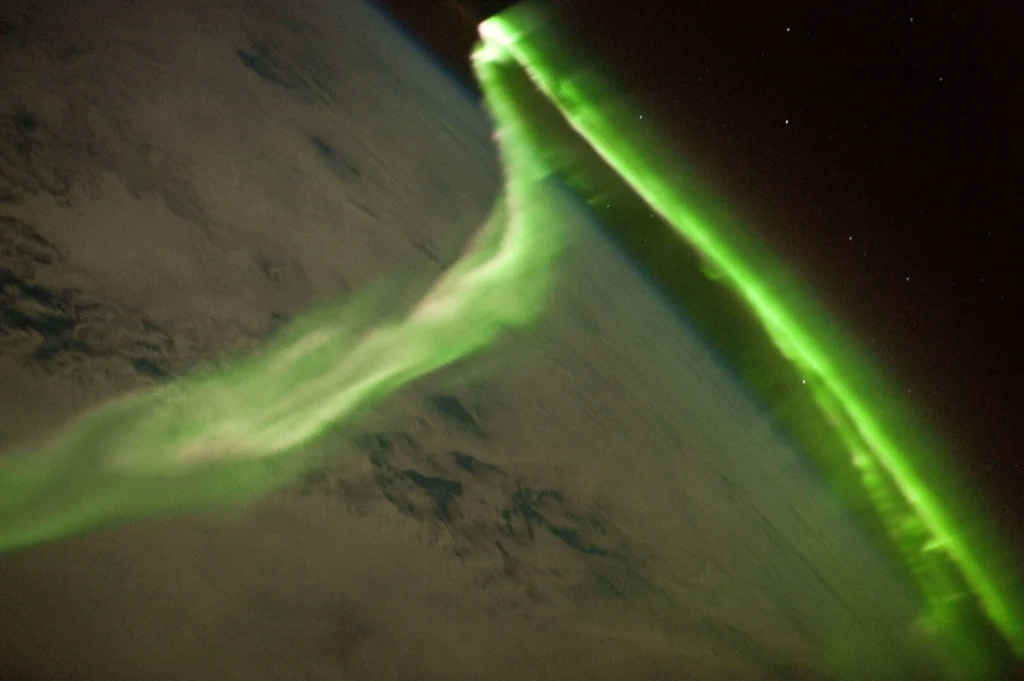
No. Auroras are produced by charged solar particles striking the upper atmosphere near the poles and have nothing to do with earthquakes. Ordinary lightning is an atmospheric electrical discharge from storm clouds. Earthquake lights are generated at or near the ground in connection with crustal stress, and most appear before or during shaking rather than after.
Where are earthquake lights most often reported?
The 2014 survey found 85 percent of well-documented cases on or near rifts and 97 percent adjacent to subvertical faults. Beyond that core sample, reports have clustered in regions such as Italy, Greece, France, Germany, China, and parts of South America, with notable cases in Japan and North America. Intraplate rift settings are heavily over-represented relative to their share of global seismicity.